
 አማርኛ
አማርኛ العربية
 বাংলা
বাংলা Български
 中文
中文 Čeština
 Dansk
Dansk Deutsch
 Eesti
Eesti Ελληνικά
 Español
 Français
 हिन्दी
 Hrvatski
 IsiZulu
 Italiano
 日本語
日本語 Kiswahili
 Magyar
 Македонски
 नेपाली
 Nederlands
 فارسی
فارسی Polski
 Português
 Română
 Русский
 Slovenščina
 Suomi
Suomi Svenska
 Tagalog
 Türkçe
All Flowers Bloom at Their Own Time
author: High Priest Zevios Metathronos
On Time, Patience, and the Hour of Opening: A Sermon for the Soul That Believes Itself Late
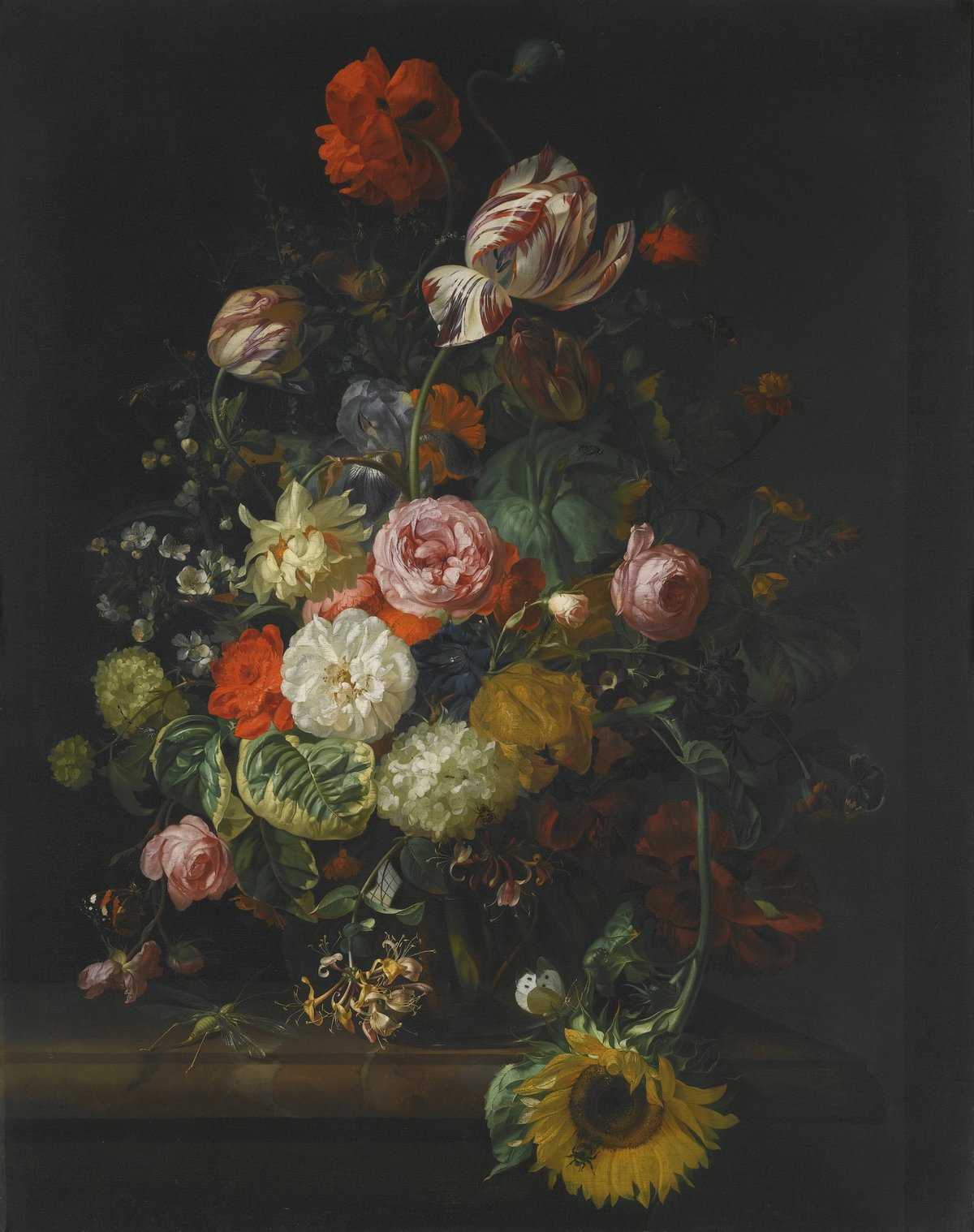
The peony does not race the daffodil, nor does the chrysanthemum mourn the rose. Each bud holds its own hour within it, set by the same law that turns galaxies and lifts the crocus through frozen soil. The Gods who shaped you placed you on the timetable of your own becoming, never on the timetable of any other creature.
"All flowers and all people will bloom at their own time."
Receive this as law. The same law that lifts the crocus through frozen soil in March, the same law that holds the rose closed until July, the same law that sets the chrysanthemum to open only when the others have surrendered the sun: this law operates in you. It has always operated in you. It will operate in you whether you fight it or surrender to it.
I am writing this for the soul who is tired. For the one who has watched everyone else seem to flower while standing in apparent winter. For the one who is convinced that something is wrong because the bud has not opened, because the harvest has not come, because the work has not been recognised, because the body has not healed, because the loved one has not arrived. I am writing for the soul that has begun to believe it is late.
You are not late.
The garden you walk through has its own calendar. The Gods who shaped you, who breathed your soul into being, put you on the timetable of your own becoming, never on the timetable of any other creature. The peony does its slow work, layer by layer, year by year, untroubled by the daffodil that opened first. One June morning the bud splits and 100 petals unfold all at once. That is its inheritance. That is its dignity. Your inheritance is the same.
I
Πᾶν ἄνθος τὴν ὥραν αὐτοῦ
Every flower has its hour
II
Ἐννέα σελῆναι, μία ζωή
Nine moons, one life
III
Ὁ χρόνος μήτηρ ἀρετῆς
Time, the mother of virtue
IV
Πλεῦσον πρὸ τῆς δύσεως
Sail before the sun sets
I. Πᾶν ἄνθος τὴν ὥραν αὐτοῦ: Every Flower Has Its Hour
The Pythagoreans understood this. They watched the sky and noticed that even the planets had hours and days and years they would not shorten for any human prayer. Mercury would not move faster because a merchant needed it. Saturn would not slow because a king commanded it. The cosmos kept its time, and the wise learned to keep time with it.
A bud opens by the same physics that holds galaxies in their spiral. The pressure builds. The cells divide. The fibres slacken at the seam. Sap rises. Light enters at a precise angle. And then, on the morning the morning has chosen, the petals separate. There is no rushing this. There is no shortcut. The flower that opens early is the flower that dies early.
You have watched this in your own life. You have watched the friend who left school at 16, brilliant, ahead of all of you, fade by 25 into restless wandering. You have watched the prodigy at the piano lose the music by 19. You have watched the marriage that began in fireworks at 22 burn out by 28. You have also watched the slow ones, the quiet ones, the late-blooming ones, walk into rooms at 40 and 50 carrying a weight of accomplishment that the early bloomers could never match.
Law moves through this.
Hesiod, the old farmer-poet of Boeotia, wrote in the Works and Days that there is a season for everything, and the man who plants out of season harvests nothing. He was writing about wheat. He was writing about you. He saw the same truth that every gardener has seen since the first grain was buried: the seed knows what the seed knows. The farmer's job is to prepare the bed, to bring water, to keep predators away, and to wait.
Hesiod, Ἔργα καὶ Ἡμέραι 642:
«ὥρια πάντ' ἐρδεῖν.»
"Do all things in their season."
Waiting is the most concentrated form of work the soul knows. In the dark, the seed labours fiercely. The seed dissolves its shell. The seed sends one root downward and one shoot upward before the human eye sees anything. The seed constructs its first true leaves while the soil looks empty. By the time the gardener sees green, the work has been going for weeks.
So when you look at your own life and see nothing on the surface, you are looking at the gardener's view of seed time. You are looking at the empty plot. You are not looking at what is actually happening underneath, which is everything. The root is descending. The shoot is preparing. The petal is being constructed cell by cell from materials that took years to gather.
A flower has its hour. So do you. The hour you are in right now is the hour that this hour requires.
II. Ἐννέα σελῆναι, μία ζωή: Nine Moons, One Life
There is no shorter argument than the one a mother already knows.
A child takes 9 moons in the womb. No fewer. The 8 month child is born in danger. The 7 month child is born in greater danger. The child rushed into the air before its lungs have closed, before its liver has matured, before its eyelids have formed properly, comes into a world that the body was not yet ready to meet. Every culture has known this. Every grandmother has counted on her fingers. Every midwife has watched the moons.
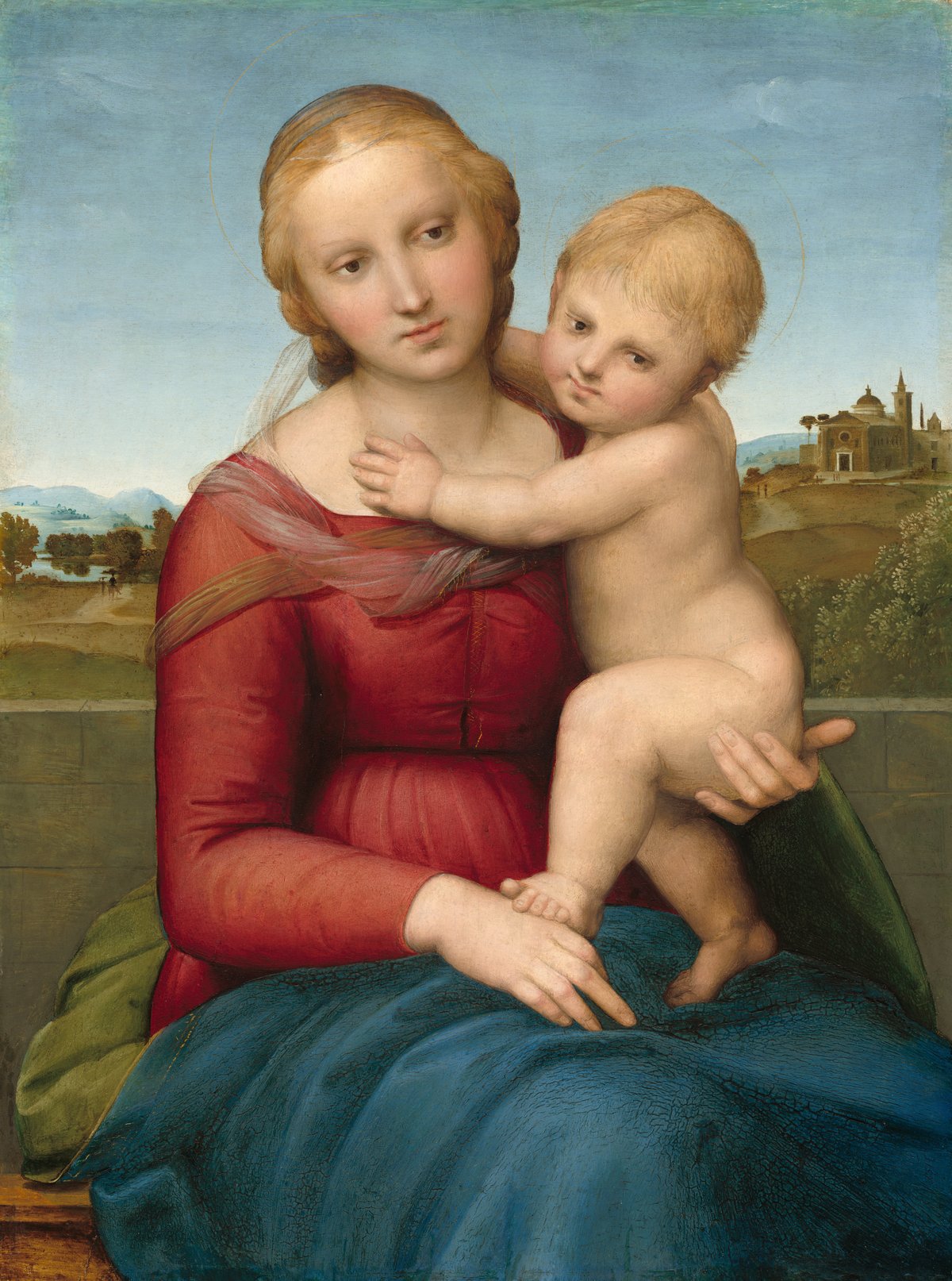
The womb knows nine. Every culture has counted on its fingers, every midwife has watched the moons. The body that built itself over nine months was clothed for the soul that arrived at the exact moment its own work could begin. If the body cannot be hurried, the soul cannot be either.
Why 9? Many traditions marked the strange power of this number. The Pythagoreans honoured it. The Egyptians built the Great Ennead, 9 Gods who together carry all of creation. The Greeks gave the Muses 9 sisters, because no single art can flower in isolation. The Norse hung Odin on the World Tree for 9 nights before the runes were given to him. 9 carries the number of completion. It is the square of 3, and 3 itself is the smallest stable form, the triangle, the first shape that holds.
The womb knows 9. The womb makes 9. And no force on this earth has ever shortened it without paying a price in pain.
Now consider this carefully. The body that built itself over 9 months was built by the soul that arrived at the moment of conception. That soul arrived at the exact moment its own work could begin, neither late nor early. From that moment the body took 9 moons to clothe it. If the body cannot be hurried, why would you imagine that the soul can be?
Every great work in your life is being gestated. Some of these works will take 9 months. Some will take 9 years. Some will take 9 decades. The size of the work determines the size of the gestation. A magazine article gestates in days. A book gestates in years. A temple gestates in a lifetime. A school of thought gestates over centuries. A new religion takes the slowest birth of all, because what is being born is a new way for souls to walk through the world, and souls do not learn new ways quickly.
I will speak to you plainly. The spiritual work that informed the Temple had been gestating for more than two decades, in one form or another. The legal vessel was born in 2026 after years of preparation that no observer could see. The doctrine has been arriving line by line, name by name, ritual by ritual. There were stretches when I thought the bud would never open. There were nights when the surface of my life looked like an empty plot. Underneath, the root was descending, and the shoot was rising, and I did not know it.
The same is true for you. Whatever you are gestating, you are inside the 9 moons of it. You cannot see the child yet. The midwife has counted. The Gods have counted. The hour will come. It always comes.
A flower has its hour. A child has 9 moons. A soul has its lifetime.
III. Ὁ χρόνος μήτηρ ἀρετῆς: Time, the Mother of Virtue
Hear 3 voices from the old world. None of them are the famous names. None of them are the names that come up in casual conversation about Greek philosophy. Hear them precisely because they speak more quietly, and the quieter voice often carries the deeper teaching.
Theophrastus of Eresos
Theophrastus was Aristotle's successor at the Lyceum. He inherited the school. He inherited the library. And then he did something neither of his teachers had done: he walked into the gardens and wrote down what the plants were doing.
His Περὶ Φυτῶν Ἱστορία, the Inquiry into Plants, is the first systematic botany the West produced. He noticed that every species kept its own clock. The almond opened before the fig. The fig opened before the grape. The olive, the slowest of them, took years to bear its first fruit and then bore for 1,000 years. Theophrastus, watching season after season for decades, came to a conclusion that the modern world has yet to catch up to.
Theophrastus, Περὶ Φυτῶν Ἱστορία I:
«ἕκαστον γὰρ τῶν φυτῶν ἔχει τὴν ἰδίαν ὥραν.»
"Each plant possesses its own hour."
Hear this carefully. The first scientist of the plant world, the man who founded the discipline that gardeners and farmers have leaned upon for 23 centuries, concluded that every living thing keeps its own measure of time. His real claim cut beneath the obvious one. The entire idea of early and late is a human projection. From inside the plant, there is no early. There is no late. There is only the time the plant is taking, which is precisely the time the plant needs.
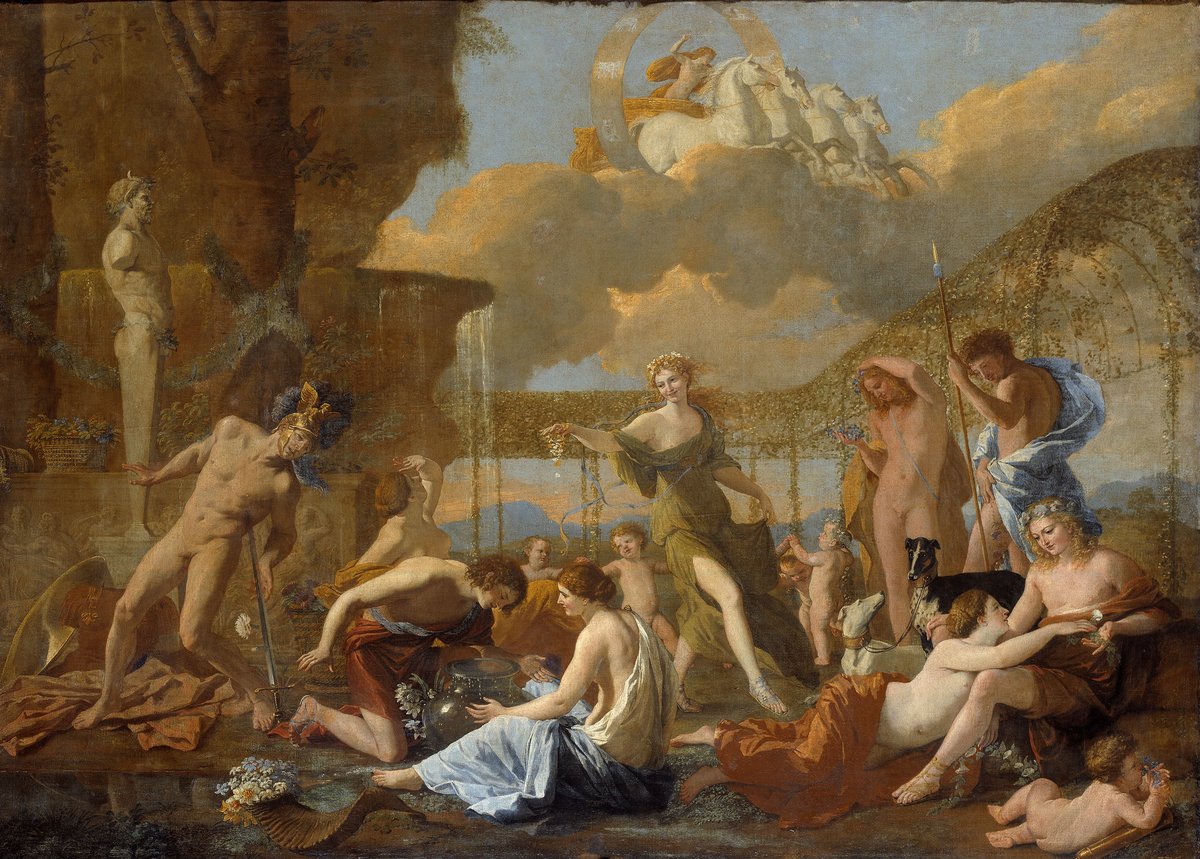
Theophrastus of Eresos, successor to Aristotle at the Lyceum, walked into the gardens and wrote down what the plants were doing. His Inquiry into Plants is the first systematic botany the West produced. Watching season after season for decades, he concluded what no garden has since refuted: each living thing keeps its own measure of time.
Pittacus of Mytilene
Pittacus was one of the 7 Sages, and the least quoted of them. His core teaching fits onto a coin: γίγνωσκε καιρόν. Know the right moment. Know kairos.
The Greeks had 2 words for time. Chronos was the time of the clock, the sequence of minutes, the year that piles upon the year. Kairos was the right time, the ripe moment, the seam of opportunity. Pittacus held that wisdom consists chiefly in recognising kairos when it arrives, and not before, and not after.
Pittacus, in Diogenes Laertius I.79:
«καιρὸν γνῶθι.»
"Know the right moment."
This is harder than it sounds. A culture that worships chronos will try to force kairos. It will plant in February and demand June. It will marry the wrong person because the calendar said it was time. It will start the business in the wrong year because the bank approved the loan. Pittacus would have called all of this folly. He would have said: kairos arrives on its own time. No one schedules it. Your task is to recognise it and act when it comes.
But here is the second half of his teaching, often forgotten. To know kairos when it arrives, you must already have been preparing. The unprepared soul stands at the door and lets the moment walk past, blind to its arrival. Kairos is given only to the trained.
Posidonius of Apamea
Posidonius was the Stoic polymath, the teacher who travelled from Rhodes to Rome and influenced Cicero himself. He brought a third teaching that ties the first 2 together. He called it συμπάθεια, the sympathy of all things. He saw the cosmos as a single living organism in which every part felt every other part. The tide rose because the moon rose. The hair on a man's arm stood up because something in his soul had moved. The fig ripened because the season had turned, and the season had turned because the heavens had turned, and the heavens had turned because something behind them was turning.
Posidonius, fragment (in Cicero, De Divinatione II.33):
"omnia inter se conexa et apta."
"All things are bound together, fitted to one another."
Posidonius would have told you this: the time you stand in is connected to every other time. You stand inside the rhythm of a cosmos that knows what it is doing, never isolated, never behind. Your hour is approaching because the rhythm of the whole is bringing it. You cannot speed up the rhythm of the whole. You can only attune yourself to it.
Aristotle, the famous one, gave the rest of this teaching its scientific name. He called it ἕξις, habituation. He taught that we become brave by performing brave acts, just by doing them again and again until courage is no longer a struggle but a settled disposition. He was describing the same law: time is the active medium in which virtue is grown. Time, properly inhabited, is the mother of every quality worth having. The patient soul, working day after day with its small effort, becomes the patient soul. The brave soul, acting bravely in the small daily occasions, becomes the brave soul. There is no other route.
Theophrastus says: every living thing keeps its own measure. Pittacus says: know the ripe moment when it comes. Posidonius says: the whole is rhythmically moving toward your hour. Aristotle adds: while you wait, become. Together they form one teaching. Wait without bitterness. Watch with attention. Practise during the silence. Act when the door opens.
IV. The 2 Times: Waiting and Action
There is a time to wait, and there is a time to act. Confusing the 2 is the source of most suffering.
The error of impatience is to act when one should be waiting. The error of cowardice is to wait when one should be acting. Both errors arise from the same root: not knowing which time you are in.
How do you know? You know by what the situation actually requires. If the seed is in the ground, you wait. If the bud is on the stem, you wait. If the door is open, you walk through. If the wind has come into your sail, you let it carry you. The signs are physical. The signs are concrete. Attention reads them. No prophet required.
But here is the harder truth, the one the impatient soul most needs to hear: waiting is preparation. The hours that look empty from the outside are the hours in which the soul does its most concentrated work.
The musician practises scales in private for years before the audience ever hears anything. The athlete trains alone before the stadium fills. The priest learns the names of the Gods one by one over decades. The writer fills notebooks for a lifetime before the book arrives. The architect draws and erases and draws again, in a quiet room, while the city outside notices nothing. None of this is glamorous. None of this is what the impatient soul wants. But this is the actual structure of every flowering that has ever happened.
So when you find yourself in the waiting time, do not waste it. Build the habit. Repeat the practice. Sharpen the tool. Strengthen the body. Heal the wound. Learn the names. Pray the prayers. When kairos arrives, you will be ready. And when kairos has not yet arrived, you will still be becoming. There is no wasted preparation. Every minute spent in honest training carves the soul into the shape that will one day receive its opportunity.
The 2 times are the same time, seen from different sides. The waiting is the becoming. The acting is what the becoming has prepared for. When the waiting is done well, the acting requires almost nothing. The bud, after months of patient construction, opens in a single morning.
V. Πλεῦσον πρὸ τῆς δύσεως: Sail Before the Sun Sets
And now I must say something that will sting.
Perfect conditions do not exist. The morning you have been waiting for, when everything finally aligns, when the body is rested and the bank account is full and the relationships are settled and the political situation is stable and the weather is mild: that morning is not coming. That morning has never come. It will never come.
This is the cruel half of the truth, and it is the half that the impatient soul also needs to hear, because the impatient soul and the procrastinating soul are usually the same soul wearing 2 masks. The impatient soul says: it should already be happening. The procrastinating soul says: I will start when conditions improve. Both are running from the present hour. Both are refusing the only hour they actually possess.
Memento mori. Remember death.
The Stoics carried this phrase like a knife in the belt. Marcus Aurelius, the emperor who reigned over half the known world and yet wrote his private notebook in the language of a man preparing to die, returned to it again and again.
Marcus Aurelius, Τὰ εἰς Ἑαυτόν II.11:
«ὡς ἤδη δυνάμενος τοῦ βίου ἐξιέναι, οὕτως ἕκαστα ποιεῖν καὶ λέγειν καὶ διανοεῖσθαι.»
"Do everything, say everything, think everything as one who could leave life at any moment."
He spoke from practical wisdom. Death is the only condition that all of us share. Death is the only deadline that is real. Every other deadline can be moved. Death cannot be moved. If you wait for perfect conditions, you will die in the waiting room.
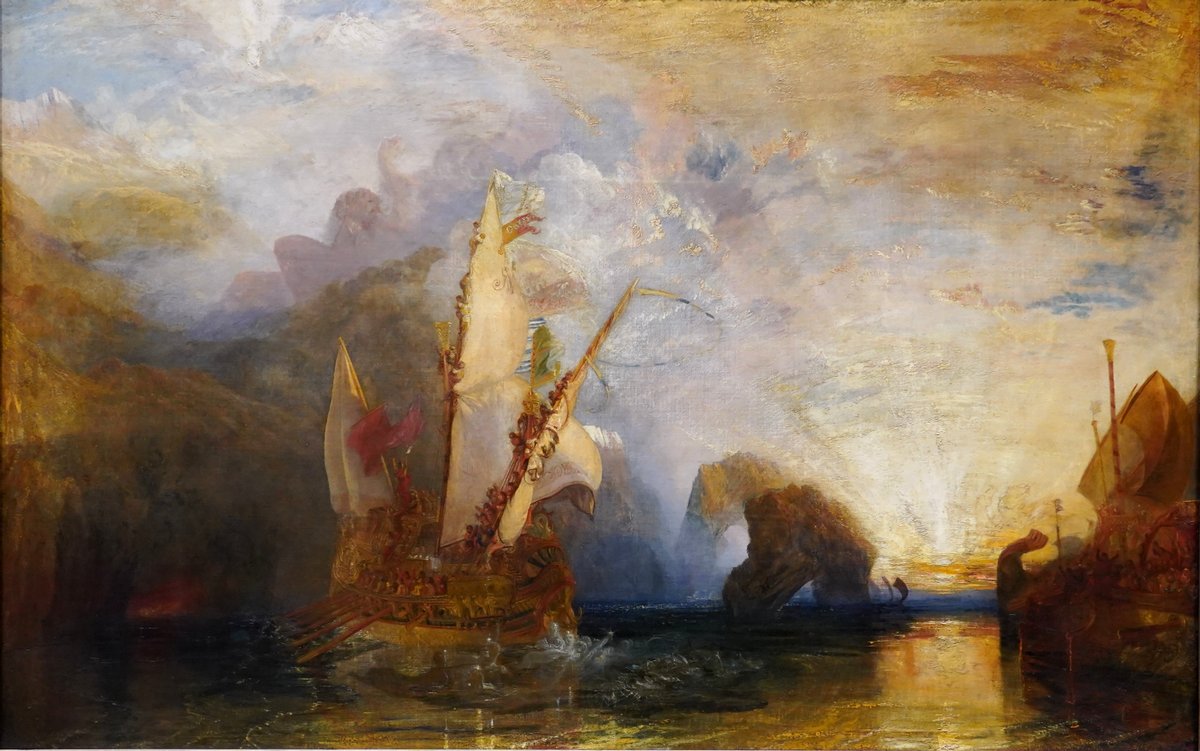
The mariners of the Aegean knew that windless seas mean no progress. They waited for the wind to be possible, never perfect. When it came, they set sail, even with reefed canvas, even with rain on the way. Better to be on the open water with the work in motion than to be tied to the harbour with the body rotting.
So here is the resolution. Wait when the situation requires waiting. Prepare during the waiting. Watch for kairos. But the moment the door opens, even a crack, even badly, even in weather you would not have chosen, you set sail. The Greeks said it: πλεῦσον πρὸ τῆς δύσεως. Sail before the setting sun.
The mariners of the Aegean knew that windless seas mean no progress. They waited for the wind to be possible, not perfect. They watched for the wind that would carry them in the direction they actually needed to go. When it came, they set sail, even with reefed canvas, even with rain on the way. Better to be on the open water with the work in motion than to be tied to the harbour with the body rotting.
This is the rhythm of a complete life. You prepare in patience. You wait without bitterness. You watch with attention. And when the hour comes, you act with everything you have. Not when you are fully ready. Not when everything is aligned. When the door opens, you walk through. The flower opens when the morning has come, however the morning looks.
Memento mori is the release. It hands you permission to act before you feel ready. It hands you permission to plant the temple, to write the book, to propose the marriage, to set the sail. The hour you have is the hour you must work with. The hour is enough.
VI. A Personal Word
I will not turn this sermon into an autobiography. But I will say this, because you may need to hear it from someone who has walked the road himself.
The stars have never aligned for me. The conditions have never been right. The funding has never been complete. The opposition has never relented. The body has not always been strong. The path has run through illness, through delay, through betrayal, through the slow attrition of dreams that I had to bury and replace with truer ones. Everything that has been built has been built against the grain.
If you are waiting for your conditions to improve before you begin, you are waiting for a thing that will never arrive. Begin in conditions that are too poor. Begin with insufficient tools. Begin with a tired body and an uncertain spirit. The work itself will improve the conditions. The work itself will sharpen the tools. The work itself is the medicine that was missing.
Every soul that has ever built anything walks this same road. Read on, and I will give you one example, drawn from a man who never saw his own flowering and yet flowered the entire world.
VII. The Garden of Gregor Mendel
Gregor Mendel was an Augustinian friar in the abbey of Brno, a town in what is now the Czech Republic. He lived from 1822 to 1884. He lived as a quiet, careful, persistent monk who grew peas, unknown to scientific fame in his own day.
For 8 years, in a small garden plot beside the monastery, he hand-pollinated something like 28,000 pea plants. He counted them. He charted them. He noticed that traits passed from one generation to the next in predictable mathematical ratios. He had discovered the laws of inheritance, the foundation of all modern genetics.
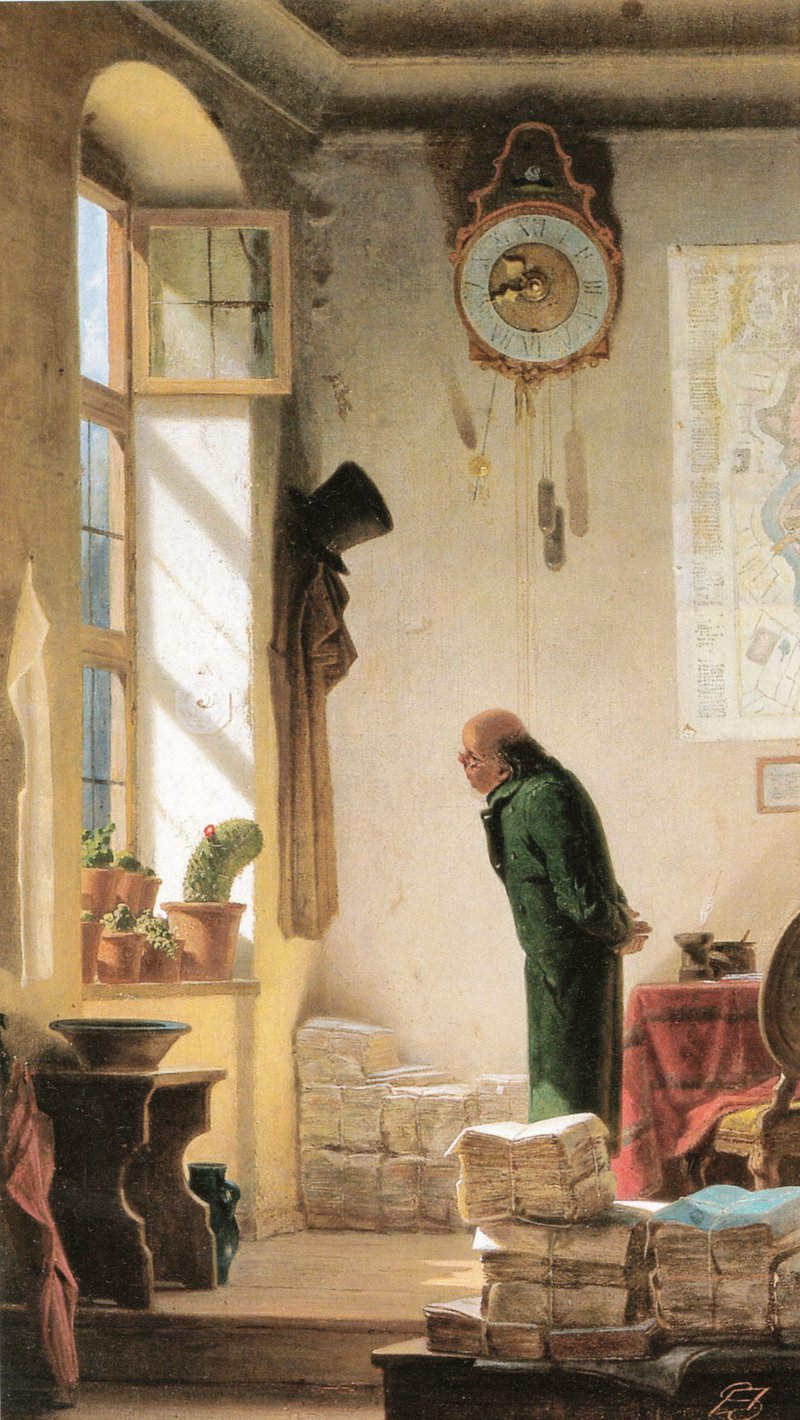
For eight years, in a small plot beside the monastery at Brno, Mendel hand-pollinated some twenty-eight thousand pea plants and counted them. The world ignored his paper of 1866. Thirty-five years after his death, three botanists working independently rediscovered it, and the flower he had planted in 1856 opened in 1900. He never saw it open. The work was the offering; the flowering was the gift the cosmos returned when the time was right.
He published his paper in 1866 in the proceedings of the Natural History Society of Brno. The world ignored it. Almost no one read it. The few scientists who did read it could not understand what they were looking at. Mendel went back to his peas. Eventually he was made abbot, and the duties of administration took him away from the garden. He died in 1884, knowing, in his last conversations, that his work had been ignored and would probably remain so.
35 years after his death, in 1900, 3 botanists working independently in 3 different countries rediscovered Mendel's paper at almost the same moment. His work erupted into the world as the foundation of a new science. The flower he had planted in 1856 opened in 1900. He never saw it open.
Mendel's work flowered exactly when the world was ready to recognise it, and that moment came after his lifetime had closed. He had done his job. He had grown his garden. He had counted his peas. The flowering happened on the timetable of the cosmos, not on the timetable of his own visibility.
You may be Mendel. You may be doing the work that will flower 35 years after you are gone. You will not see it. You do not need to see it. The work is the offering. The flowering is the gift the cosmos returns when the time is right.
VIII. The Blessing
To the soul who is tired, to the soul who is convinced something is wrong, to the soul who has watched the others bloom and felt itself left behind: I bless you.
I bless your patience. I bless your wait. I bless the slow underground work that no one sees yet. I bless the days that look empty and are actually full. I bless the years that look stalled and are actually constructing the root system that will hold a tree for centuries.
I bless your readiness to act when the hour comes. I bless the eye that watches for kairos. I bless the hand that knows when to wait and when to throw the rope. I bless the courage to set sail in imperfect weather, because perfect weather is never coming.
I bless the work that will flower in your own lifetime, and I bless the work that will flower long after you are gone. Both are precious. Both are honoured. The Gods measure your life by the seeds you planted, the gardens you tended, the rhythms you respected, the kairos you recognised, not by what flowered before you closed your eyes.
All flowers and all people will bloom at their own time. Yours is coming. The Gods who shaped you have not forgotten you. The cosmos is keeping its time, and the time it is keeping includes the hour of your opening.
Wait without bitterness. Watch with attention. Set sail when the wind comes. Bloom when the morning has chosen.
Hail Zeus. Hail the Gods who made the seasons. Hail the soul that holds its dignity through the long waiting.
Written in the service of Zeus and for the comfort of those who wait.
High Priest Zevios Metathronos
Sources
- Hesiod, Ἔργα καὶ Ἡμέραι (Works and Days), lines 383–694
- Theophrastus of Eresos, Περὶ Φυτῶν Ἱστορία (Historia Plantarum), Book I; ed. Hort, Loeb Classical Library, 1916
- Pittacus of Mytilene, sayings preserved in Diogenes Laertius, Vitae Philosophorum I.74–81
- Posidonius of Apamea, fragments in Edelstein & Kidd, Posidonius: The Fragments, Cambridge, 1972–1999
- Cicero, De Divinatione II.33 (preserving Posidonius on cosmic sympathy)
- Aristotle, Ἠθικὰ Νικομάχεια (Nicomachean Ethics) II.1–6 on ἕξις
- Marcus Aurelius, Τὰ εἰς Ἑαυτόν (Meditations) II.11, IV.17
- Plato, Πολιτεία (Republic) X, 614b–621d, on the Myth of Er and the timing of soul choices
- Diogenes Laertius, Vitae Philosophorum, on the 7 Sages
- Diels-Kranz, Die Fragmente der Vorsokratiker, on Pythagorean number doctrine
- Mendel, G., "Versuche über Pflanzenhybriden", Verhandlungen des naturforschenden Vereines in Brünn IV (1866), 3–47
- Henig, R. M., The Monk in the Garden: The Lost and Found Genius of Gregor Mendel, Boston, 2000