
 አማርኛ
አማርኛ العربية
 বাংলা
বাংলা Български
 中文
中文 Čeština
 Dansk
Dansk Deutsch
 Eesti
Eesti Ελληνικά
 Español
 Français
 हिन्दी
 Hrvatski
 IsiZulu
 Italiano
 日本語
日本語 Kiswahili
 Magyar
 Македонски
 नेपाली
 Nederlands
 فارسی
فارسی Polski
 Português
 Română
 Русский
 Slovenščina
 Suomi
Suomi Svenska
 Tagalog
 Türkçe
Living Your Life: The Sacred Game of Existence
author: High Priest Zevios Metathronos
Why Existence Is a Gift That Must Be Played in Full, Why the Gods Made Life Beautiful in Its Totality, and How Zevism Is a Philosophy for Those Who Choose to Live
A comprehensive argument, grounded in the ancient Greek, Egyptian, Mesopotamian, Vedic, and Norse traditions, that life in its fullness is the central sacred value of every authentic pre-Abrahamic spiritual path. The present study opens with the epigram of Palladas of Alexandria on life as a sacred game, establishes that Zevism embraces the totality of human experience (love, heartbreak, loss, victory, trial, error, and growth), demonstrates through the direct words of the Gods that existence must be lived rather than escaped, surveys the great epics as hymns to the fullness of living, and concludes with the Zevist teaching that the Temple of Zeus was built out of love for life, to help its people live more completely, and that escapism, world-denial, and false asceticism are forms of Izfet that the entire ancient world rejected.
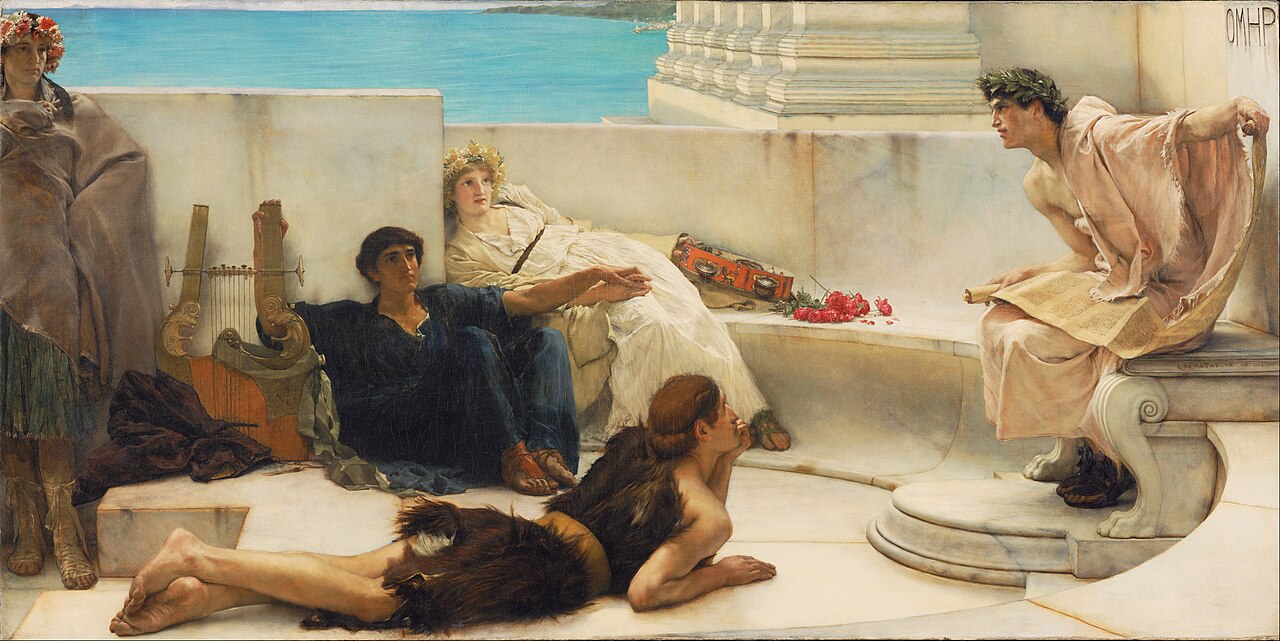
Life is the stage upon which the human soul performs its greatest work. The Gods did not place us here to endure existence but to play it with skill, with passion, with the full intensity of a being who knows that every moment is both gift and creation. The ancient world understood this. Zevism recovers it.
Prologue: The Epigram That Contains a Civilization
In the 4th century CE, while the old temples of Alexandria were being torn down by mobs and the ancient wisdom of Hellas was being driven underground, a pagan schoolteacher named Palladas wrote an epigram of two lines that compressed the entire philosophy of living into a single breath. The epigram is preserved in the Greek Anthology (10.72), and it reads:
Σκηνὴ πᾶς ὁ βίος καὶ παίγνιον· ἢ μάθε παίζειν
τὴν σπουδὴν μεταθείς, ἢ φέρε τὰς ὀδύνας."All life is a stage and a game: either learn to play it,
laying your seriousness aside, or bear its pains."1
Two lines. One choice. The whole of human philosophy distilled into a couplet by a man watching his civilization collapse around him.
Palladas doesn't say life is trivial. He says life is a game, a παίγνιον (paignion), and a stage, a σκηνή (skēnē). The Greek word for game carries no sense of frivolity. A game is something played with skill, intensity, and engagement. The Olympic Games were sacred to Zeus. The Pythian Games were sacred to Apollo. The Dionysian festivals were theatrical performances of the deepest religious significance. To call life a game is to call it something that requires your full participation, your whole presence, your willingness to be in it.
And the choice Palladas offers is stark. Learn to play. Or suffer. There's no third option. You don't get to sit in the audience. You're already on the stage. The only question is whether you'll perform your part with skill and grace, or whether you'll stumble through it in resentment, wishing you were somewhere else.
The present study is an extended meditation on Palladas's couplet, on what it means that the entire ancient world, across every civilization and every sacred tradition, taught a single consistent doctrine about life: live it. Not endure it. Not escape it. Not deny it. Live it. In full. With all its beauty, all its suffering, all its confusion, and all its sweetness.
Part One: The Beauty of the Complete Experience
Why the Gods Gave Us Everything
The human life contains love. It contains heartbreak. It contains the first time you hold your child and the last time you hold your parent. It contains triumph so intoxicating you can barely breathe and defeat so crushing you can barely stand. It contains sunrise over the ocean and sleepless nights of doubt. It contains the discovery of your calling and the seasons when that calling seems lost. It contains friendship that makes you feel invincible and betrayal that makes you question everything. It contains youth and age, health and sickness, abundance and want. It contains laughter that comes from nowhere and grief that seems to come from everywhere.
All of this is the gift.
The ancient world understood something that most of the modern world has forgotten: the beauty of life is not found only in the pleasant parts. The beauty is in the completeness. A song made of only one note is not a song. A story with only happy scenes is not a story. A life with only comfort is not a life. The beauty emerges from the totality, from the interplay of light and shadow, from the contrast between what was hoped and what arrived, from the way the heart expands to accommodate both joy and sorrow and discovers, in that expansion, that it was always larger than it thought.
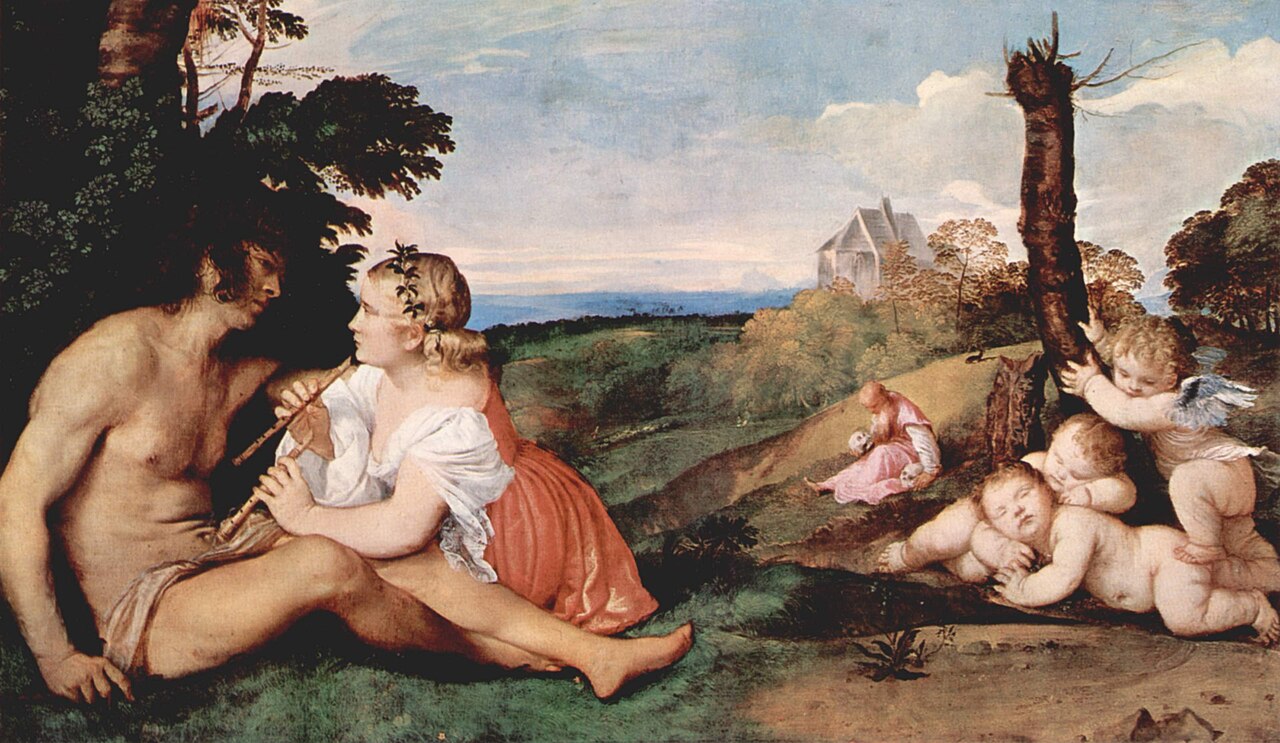
Love, struggle, and wisdom are three movements of the same symphony. The Gods did not design existence to be endured in a single register. They composed it in full orchestral range: the tenderness of youth, the fire of maturity, the depth of old age. Each phase is sacred. Each is necessary. Each is beautiful.
Love and Its Aftermath
Consider love. The first time you fall in love, the world reconstructs itself around a single person. Colours are brighter. Music means something it never meant before. The body hums with a frequency you didn't know it could produce. Every poet in every civilization has tried to capture this experience and every poet has admitted failure, because it exceeds language. Sappho, in her famous Fragment 31, described the sensation of seeing the beloved and feeling her tongue break, her skin burn, her vision blur, her ears ring. She called it something close to death. She was right. Love is a small death of the old self and a birth of the new one.
And then: heartbreak. The beloved leaves, or changes, or dies, or simply turns out to be someone other than who you imagined. The world that had been reconstructed around them collapses. The colours go grey. The music stops. The body aches with an absence so physical it seems like illness.
Is the heartbreak part of the beauty? Yes. Because without the possibility of heartbreak, love would carry no weight. It would be decoration, not experience. It would be a pleasant sensation with no stakes, like a warm bath. The fact that love can destroy you is precisely what makes it powerful enough to transform you. The ancient Greeks understood this with perfect clarity. Eros was an archer. His arrows drew blood. Love was never safe. It was never meant to be.
The Zevist does not chase suffering. The Zevist does not romanticize pain. But the Zevist understands that a life lived in full will contain both the arrow and the wound, and that both belong to the human experience in its completeness. The person who has loved deeply and lost deeply has lived more than the person who has never risked either.
Exploration, Discovery, and the Hunger to Know
Odysseus spent 10 years trying to get home. He could have accepted Calypso's offer of immortality on her island. He refused. He chose the dangerous sea, the unknown shores, the possibility of failure and death, because he wanted to see Ithaca again. He wanted to see his wife and his son. He wanted to go home. The Odyssey is the foundational Western epic of exploration, and its deepest teaching is that the journey and the destination are both sacred. The storms matter. The shipwrecks matter. The moments of despair on strange beaches in unknown countries matter. They're part of the return.
Every human life contains some version of this voyage. The first time you leave your parents' house. The first time you enter a foreign country. The first time you open a book that changes the way you see the world. The first time you realize that everything you thought you knew was incomplete, and that the real learning is only beginning. These moments of discovery, of expansion, of the self growing larger than it was yesterday, are among the most beautiful things a human being can experience. And they cannot happen without risk. They cannot happen without the willingness to leave the known and enter the unknown. They cannot happen to the person who stays home.
Part Two: Trial, Error, and the Joy of Learning
Mistakes as Sacred Ground
In Zevism, mistakes are not sins. They're not evidence of fundamental corruption. They're not proof that you need external salvation from a condition you were born into. Mistakes are the natural, expected, and necessary byproduct of a being that is learning. A child learning to walk falls down. The falling is part of the walking. An apprentice learning a craft produces flawed work. The flaws are part of the mastery. A soul learning to live makes errors of judgment, errors of passion, errors of ignorance. The errors are part of the education.
This is the Zevist understanding of trial and error: it is the method of existence itself. The Gods did not create finished products. They created beings with the capacity to grow, and growth requires the friction of failure. Aristotle stated the principle with precision in the Nicomachean Ethics: virtue is acquired by practice, not by theory, and practice necessarily includes falling short of the mark before learning to hit it consistently.2
Aristotle, Nicomachean Ethics:
"The virtues we get by first exercising them, as also happens in the case of the arts. For the things we have to learn before we can do them, we learn by doing them: e.g. men become builders by building and lyre-players by playing the lyre."3
You become good at living by living, not by avoiding life until you've figured out how to do it perfectly. The very concept of perfection before engagement is a trap. It's the trap that keeps people frozen on the sidelines, afraid to act because they might act wrongly. The Zevist walks onto the field. The Zevist plays the game. The Zevist falls, gets up, learns, adjusts, and plays again. The joy is in the learning itself, in the feeling of getting closer, of understanding more today than yesterday, of seeing the pattern emerge from the chaos of accumulated experience.
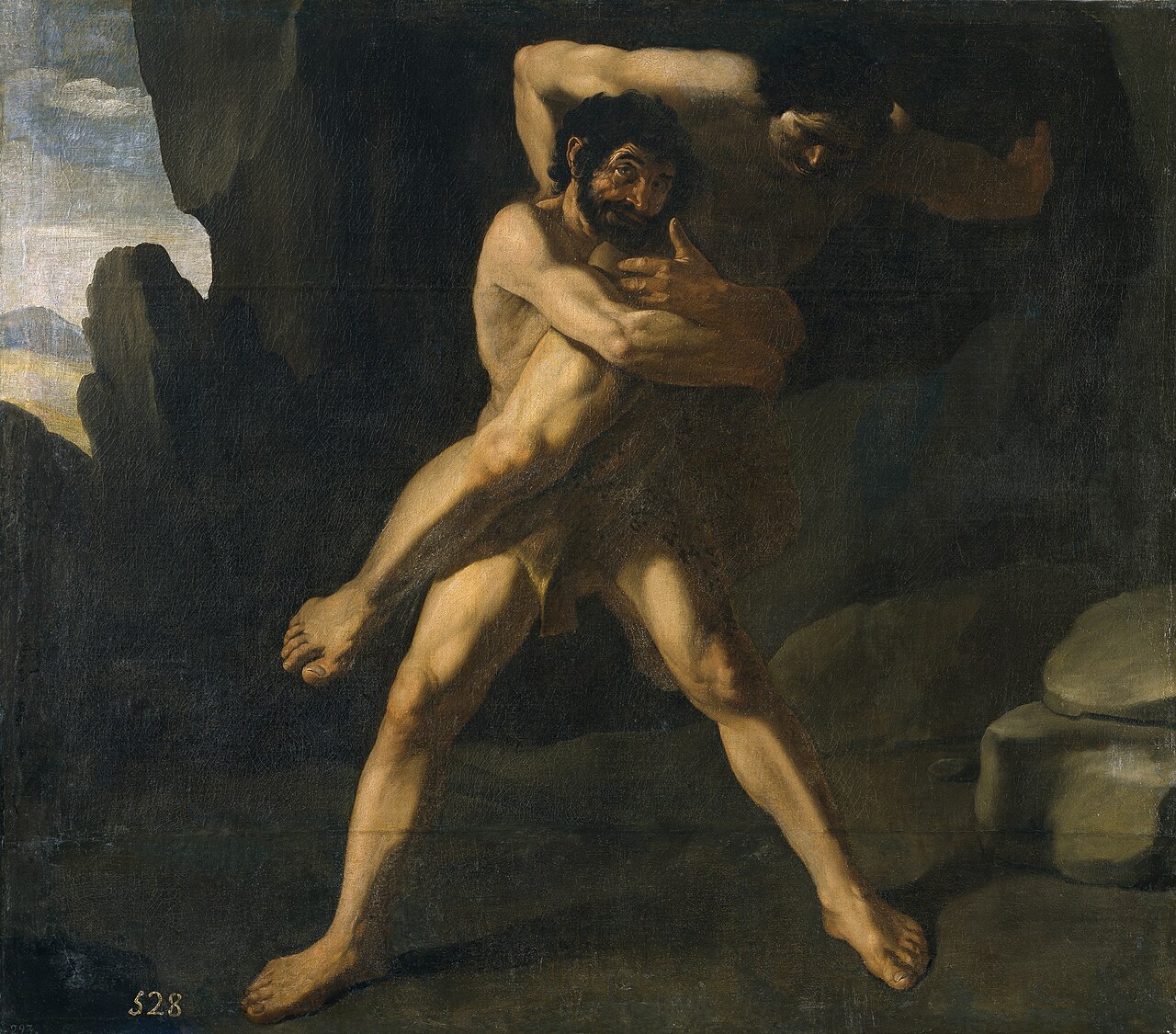
The wrestler who has never been thrown has never truly wrestled. In the ancient gymnasium, falling was part of training, and the hand that helped you rise was the hand of a friend. The Zevist understanding of mistakes is identical: they are the training ground of the soul, and every fall contains the seed of a rise.
The Gods Themselves Learned Through Experience
Consider the myths. Zeus did not begin as the ruler of the cosmos. He overthrew the Titans. He fought. He strategized. He made alliances. He took risks that could have ended in permanent defeat. Apollo, the God of light and music and prophecy, served as a herdsman for King Admetus as a consequence of his actions. Athena earned her place among the Olympians through demonstrated wisdom, not through passive inheritance. The Gods themselves are depicted in the myths as beings who act, who strive, who face consequences, and who grow through the process.
If the Gods are not above the process of engagement with reality, how could their children be? The Zevist tradition teaches that humans are the children of the Gods, bearers of the divine spark, beings on the path toward the state of Theophoros. That path leads through life, through the full engagement with existence in all its dimensions. It does not lead around life, or above it, or away from it. The shortcut that bypasses experience does not exist.
Part Three: Against Escapism
The Temple Was Built for Life, Not From It
The Temple of Zeus exists because someone loved life enough to build a house for it.
This point needs to be stated with total clarity, because the modern spiritual marketplace is flooded with systems that promise escape. Escape from suffering. Escape from the material world. Escape from the body. Escape from desire. Escape from emotion. Escape from reality. These systems present existence as a problem to be solved, a prison to be escaped, a disease to be cured. They teach that the physical world is fallen, or illusory, or evil. They teach that the goal of spiritual practice is to get out: out of the body, out of the cycle of birth, out of the material plane, out of engagement with the world that the Gods created.
Zevism rejects this entirely.
The Temple of Zeus was created to help people live. To help them live more fully, more consciously, more powerfully, more beautifully. Its rituals strengthen the practitioner for engagement with life. Its meditations clear the mind so that life can be perceived more accurately. Its theology provides a framework within which the totality of human experience makes sense: the suffering, the joy, the confusion, the clarity, the loss, the discovery. Its community provides companionship on the road.
Escapism is a form of Izfet. It is the refusal of the gift. It is the child who pushes away the meal because the meal contains unfamiliar flavours. It is the soul that rejects existence because existence contains difficulty. The ancient world had a word for the person who withdrew from life out of false spiritual pretension: they called them argos (ἀργός), idle, and the Greeks considered idleness a disgrace, a failure of the fundamental duty of a human being, which is to participate.
The Sweetness Behind All Things
There is a sweetness behind existence that the person who has lived fully begins to perceive. It is not the sweetness of unbroken happiness. It is something deeper and stranger. It is the sweetness that comes from having been present for the whole thing: the victories and the defeats, the unions and the separations, the mornings of hope and the nights of exhaustion. It is the sweetness of a story that was actually lived, not merely observed from a safe distance.
Pindar, the greatest of the Greek lyric poets, understood this. He wrote victory odes for athletes who had triumphed in the sacred games, and he consistently placed those victories within the larger context of human suffering and divine favour. His odes celebrate not merely the win but the entire arc that led to the win: the years of training, the sacrifices, the defeats that preceded the triumph, the family that supported the athlete, the Gods that blessed the effort. For Pindar, the beauty was in the arc, not just the endpoint.
Pindar, Pythian Odes VIII:
"Creatures of a day. What is anyone? What is anyone not? A dream of a shadow is man. But when a gleam comes, a gift of heaven, a radiant light rests upon men, and a gentle life."4
A dream of a shadow. And yet: a radiant light. Both at the same time. The brevity of life and the splendour of life, held in the same hand. The sweetness behind all things is precisely this: the knowledge that the light shines all the brighter for being brief, that the game matters all the more for being finite, that the performance on the stage of existence is meaningful because the curtain falls.
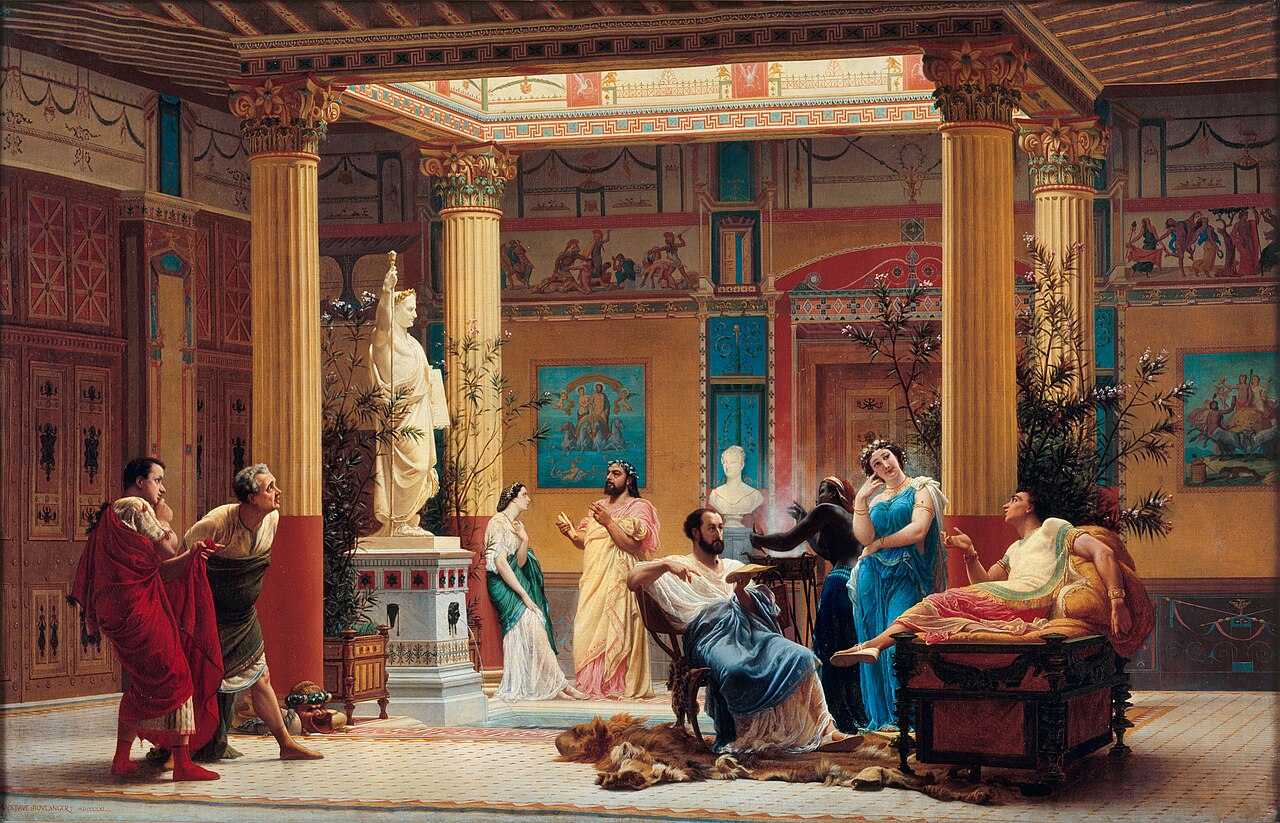
Palladas called life a stage. The ancient Greeks understood that every life is a performance witnessed by the Gods. The question was never whether you'd perform, because the performance began at birth. The question was whether you'd perform with beauty, with courage, with the full intensity of a soul that knows it is being watched by those who love it.
Part Four: What the Gods Say About Living
The Instruction of Ptahhotep: The Oldest Wisdom on Living
The oldest surviving wisdom text in human history is the Instruction of Ptahhotep, composed in Egypt during the 5th Dynasty (ca. 2400 BCE). Ptahhotep was a vizier to the pharaoh, and his instruction was composed for his son as a guide to living well. At the heart of this instruction is a single command that echoes across 4,400 years of human history:
Ptahhotep, The Instruction of Ptahhotep:
"Follow thy heart during thy lifetime. Do thou more than is commanded of thee. Do not lessen the time of following the heart: it is abhorred of the Ka when its time is diminished."5
Follow thy heart during thy lifetime. The instruction is not "deny thy heart." The instruction is not "suppress thy desires." The instruction is not "mortify thy body until the soul is free of its prison." The instruction is: follow thy heart. Do more than what is asked of you. And do not diminish the time you spend following the heart, because to do so is abhorrent to the Ka, the vital spiritual essence of the person.
This is the voice of the oldest civilisation on Earth, speaking through one of its wisest men, and it says: live. The Ka, the spiritual body, the part of you that survives death and stands in the Hall of Judgement, does not want you to have spent your life in withdrawal. It wants you to have followed your heart. It wants you to have done more than was required. It wants you to have lived so fully that there's nothing left undone when you finally stand before the Scales of Ma'at.
Siduri's Counsel to Gilgamesh: The Mesopotamian Teaching
In the Old Babylonian version of the Epic of Gilgamesh (ca. 1800 BCE), Gilgamesh, broken by the death of his beloved friend Enkidu, wanders the earth in search of immortality. He arrives at the edge of the world, where a tavern-keeper named Siduri runs an inn at the shore of the cosmic sea. After hearing his story, she gives him the oldest recorded counsel on how to live:
Siduri, Epic of Gilgamesh, Old Babylonian Version:
"When the Gods created mankind, they fixed death for mankind, and held back life in their own hands. As for you, Gilgamesh, let your belly be full. Make merry day and night. Of each day make a feast of rejoicing. Day and night dance and play! Let your garments be sparkling fresh, your head be washed; bathe in water. Pay heed to the little one that holds on to your hand. Let a spouse delight in your bosom. For this is the task of mankind."6
This is the task of mankind. Not to achieve immortality. Not to escape the body. Not to transcend the material world. The task is to live: to eat well, to celebrate, to dance, to keep yourself clean and presentable, to love your children, to embrace your partner. Siduri's counsel is not hedonism. It's realism. She tells Gilgamesh: the Gods kept immortality for themselves. What they gave you is this: this life, this day, this body, these people who love you. Stop running from death and start running toward life.
The Zevist hears Siduri's counsel as one of the great sacred utterances of the ancient world. Nearly 4,000 years old, it remains as precise and as necessary as the day it was composed.
The Hávamál: The Norse Voice
The Hávamál, the "Sayings of the High One" (attributed to Odin), preserved in the 13th century Poetic Edda but rooted in traditions centuries older, carries the same teaching in the harsh and beautiful language of the Norse world:
Odin, Hávamál, stanza 71:
"The lame rides a horse, the handless drives the herd, the deaf one can fight and prevail. Better to be blind than to be burned on the pyre: what use is a corpse to anyone?"7
The Norse teaching is blunt. A man with one leg can still ride. A man with no hands can still drive cattle. A deaf man can still fight. As long as you are alive, you can act. As long as you can act, you should act. The only condition in which action is truly impossible is death. Therefore: live. Engage. Participate. Whatever you have, use it. Whatever you've lost, work with what remains. The Norse tradition has no patience for able-bodied men who sit idle while there's work to be done and life to be lived.
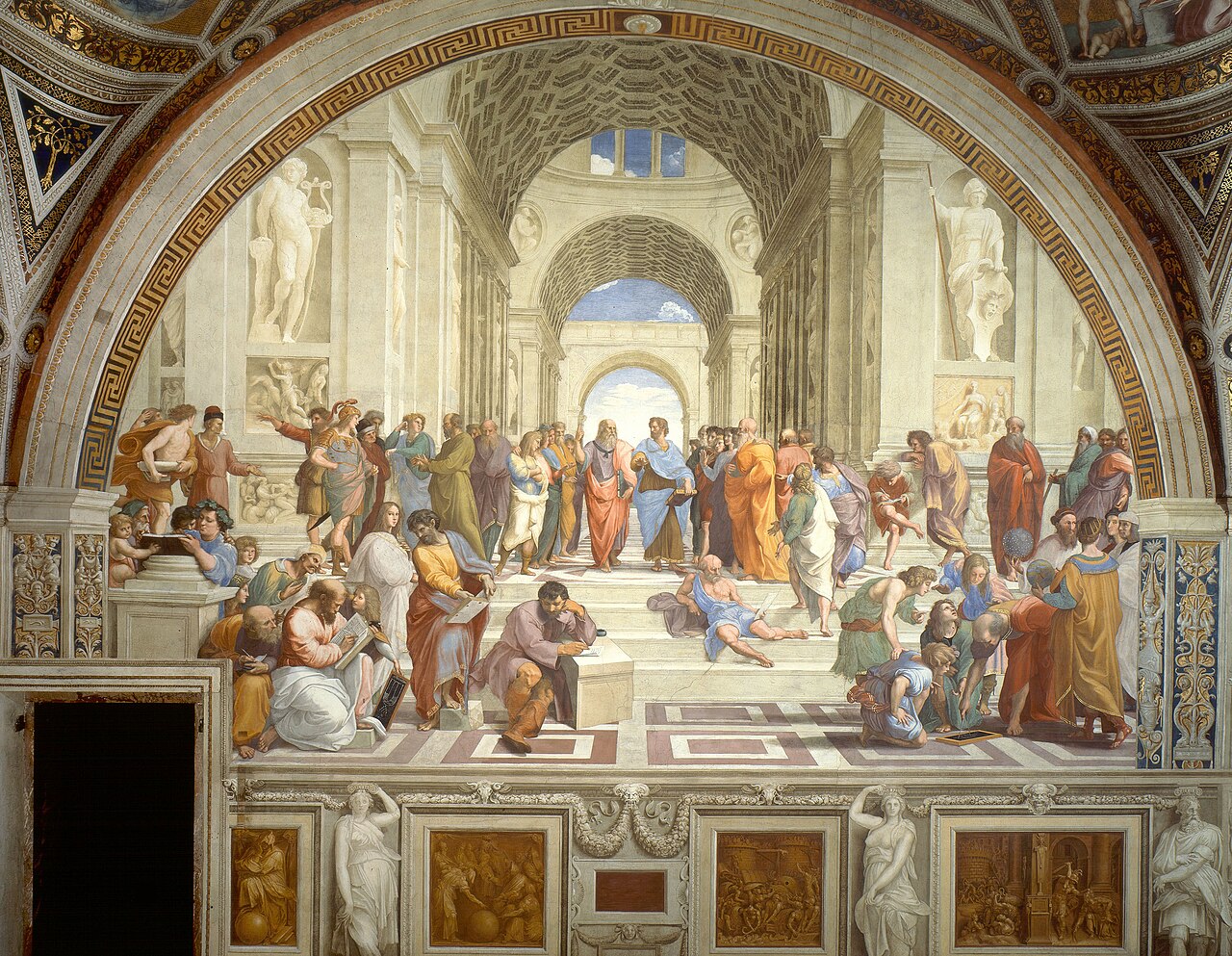
Across four civilizations spanning three continents and three millennia, the counsel of the divine is identical: live. Ptahhotep says follow your heart. Siduri says embrace your spouse and hold your child's hand. Odin says act while you can. Krishna says perform your duty without attachment to the outcome. The voices differ. The message is one.
Krishna to Arjuna: The Vedic Voice
In the Bhagavad Gita, composed within the Mahabharata (ca. 400 BCE in its present form, reflecting teachings far older), the prince Arjuna stands on the battlefield of Kurukshetra, paralysed by doubt, unwilling to fight because the enemy army contains his own relatives and teachers. Krishna, his divine charioteer, delivers the teaching that has guided the Vedic world for over two millennia:
Krishna, Bhagavad Gita 2.47:
"Your right is to action alone, never to its fruits. Let not the fruits of action be your motive, nor let your attachment be to inaction."8
Krishna does not tell Arjuna to withdraw. He does not tell him to renounce the world. He does not tell him to sit in meditation until the battle resolves itself. He tells him: act. Perform your duty. Engage with the reality in front of you. Do what must be done. Do not freeze because you're afraid of the outcome. And do not refuse to act because the outcome is uncertain. Action is your right. Action is your dharma. Inaction is the betrayal of your own nature.
Four civilizations. Four sacred texts. Four divine voices. One instruction: live your life.
Part Five: The Ancient Epics as Hymns to Life
What the Great Stories Are Actually About
Open the Iliad. What do you find? War. Friendship. Rage. Grief. Love. Honour. Betrayal. Sacrifice. Reconciliation. The tenderness of Hector saying goodbye to his wife and infant son, knowing he will die. The fury of Achilles dragging Hector's body behind his chariot. The unbearable beauty of Priam, king of Troy, kneeling before his son's killer to beg for the body. The moment when Achilles, moved by Priam's grief, remembers his own father and weeps. Two enemies weeping together in a tent, sharing wine, discovering their common humanity in the midst of total war. This is the Iliad. This is the foundational text of Western civilisation. And it is a hymn to the fullness of living.
Open the Odyssey. What do you find? Adventure. Danger. Seduction. Cunning. Loyalty. Disguise. Homecoming. The song of the Sirens. The cave of the Cyclops. The bed of Circe. The underworld where the dead speak. Penelope weaving and unweaving, year after year, refusing to surrender. Odysseus, offered immortality by a goddess, choosing instead the mortal woman waiting for him on a rocky island. This is the Odyssey. It's about a man who chose life over divinity, who chose the human experience over escape from it.
Open the Mahabharata. What do you find? Dynasty. Duty. Dice games. Exile. Alliances. Love that crosses caste boundaries. Friendship between a warrior and a god. A war that destroys an entire generation. And at the centre: the Gita, the divine song, in which the God tells the prince: don't withdraw. Fight.
Open the Epic of Gilgamesh. What do you find? Friendship. Loss. The wild man civilised by a woman's embrace. Two companions who slay monsters and cut down sacred trees. Death that cannot be reversed. A journey to the end of the world. A plant of immortality that a serpent steals. And Gilgamesh, at the end of the story, walking back through the gates of Uruk, looking at the walls he built, and understanding that his immortality is not in his body but in his work, his city, his people.
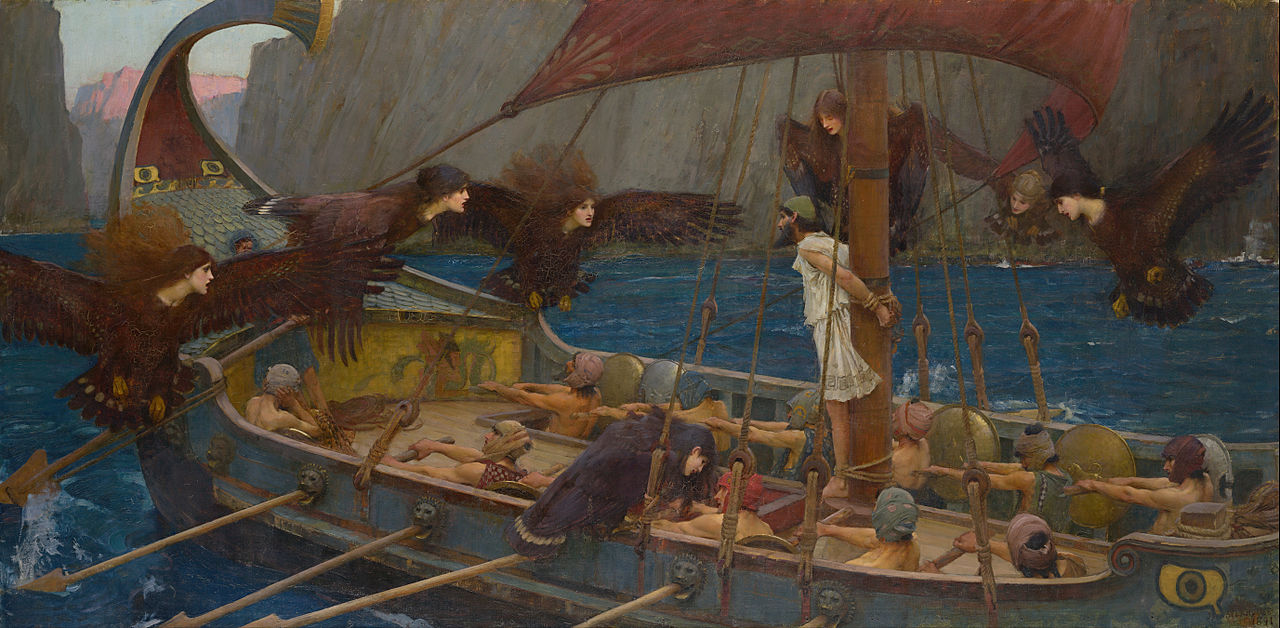
The Iliad, the Odyssey, the Mahabharata, and the Epic of Gilgamesh: the four foundational narratives of human civilisation. None of them preach withdrawal. None of them celebrate laziness. None of them recommend escape. They are hymns to the terrible, beautiful, overwhelming fullness of being alive.
What Is Absent from the Epics
Notice what you do not find in any of these texts. You do not find a teaching that the body is evil. You do not find a command to mortify the flesh. You do not find a doctrine of original sin. You do not find a god who punishes humanity for seeking knowledge. You do not find a paradise that can only be reached by rejecting the physical world. You do not find a priesthood that demands the surrender of the intellect. You do not find a heaven that rewards passivity and an afterlife that punishes curiosity.
What you find, in every case, is a world in which the Gods expect their children to live. To fight when fighting is necessary. To love when love presents itself. To grieve when grief arrives. To seek knowledge even at great cost. To build cities and write poems and sail unknown seas and stand on battlefields and hold their children and bury their dead and keep going. The entire corpus of pre-Abrahamic epic literature is a sustained argument against withdrawal and a sustained argument for engagement with the totality of existence.
The Yehuboric inversion of this teaching is visible by contrast. Where the ancient world said "follow your heart," the Yehuboric framework said "deny your heart." Where the ancient world said "the body is a gift," the Yehuboric framework said "the body is a prison." Where the ancient world said "knowledge is the path to the divine," the Yehuboric framework said "knowledge is the original sin." Where the ancient world said "live fully and the Gods will welcome you after death," the Yehuboric framework said "suffer quietly and an afterlife will compensate you for the life you didn't live." Every point of the ancient teaching was inverted. Every instinct toward fullness was redirected toward denial. The result was 2,000 years of civilisation that taught people to be ashamed of being alive.
Zevism recovers the original teaching. In full. Without apology.
Part Six: Zevism as a Philosophy for Life
The Central Commitment
Zevism is a philosophy for people who choose to live.
This sentence is simple. Its implications are not. To choose to live means to accept the full spectrum of human experience as sacred. It means refusing to escape into otherworldly fantasies that devalue the present. It means recognising that the body is not a cage but a temple, that desire is not sin but energy, that the material world is not fallen but created by the Gods and filled with their presence. It means understanding that spiritual practice exists to enhance life, not to replace it.
The Zevist meditates in order to perceive reality more clearly, not in order to withdraw from reality. The Zevist performs rituals in order to strengthen the connection between the human and the divine, not in order to escape the human condition. The Zevist studies the ancient wisdom traditions in order to live more skillfully, not in order to accumulate theoretical knowledge that never touches the ground. The Zevist trains the body, cultivates the mind, develops the emotions, and strengthens the will, all in service of a single goal: to live the fullest, most beautiful, most powerful life that the individual's nature permits.
Instruction of Ptahhotep:
"Do not lessen the time of following the heart: it is abhorred of the Ka when its time is diminished. Do not waste time on daily cares beyond providing for thy household. Things happen as the heart commands. As for one whose heart obeys his belly, he creates contempt of himself in place of love."9
Follow your heart. Don't reduce the time you spend doing what your soul requires. Provide for your household. And then: follow your heart. The instruction from 4,400 years ago is the instruction Zevism carries forward today.
Life Must Be Lived in Full Extent
The Zevist doesn't live a reduced life. The Zevist doesn't apologise for ambition, for desire, for the hunger to experience everything the world has to offer. The Zevist doesn't confuse humility with self-diminishment. The Zevist doesn't confuse spirituality with withdrawal. The Zevist doesn't treat the material world as something beneath spiritual concern. Gold is real. Beauty is real. Power is real. Love is real. Pleasure is real. Achievement is real. All of these are gifts of the Gods, and the proper response to a gift is to use it fully, not to hide it under a bushel out of false modesty.
This means: travel. See the world the Gods created. Stand on mountains and swim in oceans and walk through forests and sit in ancient temples and feel the sun on your face in countries you've never visited before. Learn. Read the books the ancient sages wrote. Master a craft. Develop a skill so deeply that it becomes an extension of your soul. Build. Create something that will outlast you: a family, a business, a work of art, a community, a tradition. Love. Give yourself to another person with the full intensity of a heart that knows both joy and grief and chooses to open anyway. Celebrate. Gather with your people around a fire, around a table, around a ritual, and give thanks for the fact that you are here, that you are alive, that the Gods placed you in this world and gave you the capacity to perceive its beauty.
The ancients did all of this. The poets wrote of it. The philosophers analysed it. The priests sanctified it. The warriors defended it. The mothers nurtured it. The builders gave it form. No civilisation that produced the Parthenon, the Pyramids, the Bhagavad Gita, or the Eddas was a civilisation of escape. These were civilisations of engagement, of intensity, of the full commitment to being alive in a world that rewards the committed.
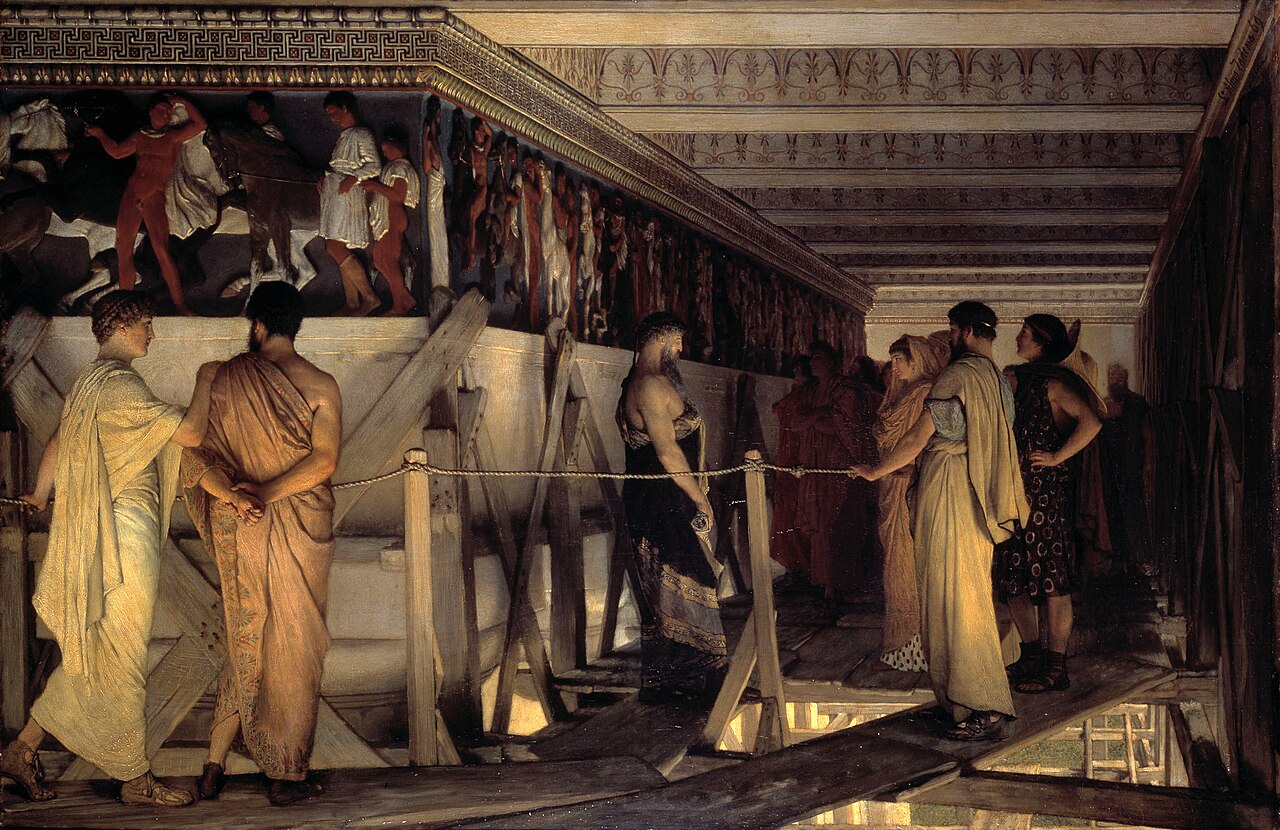
The ancient world that Zevism inherits was a world of complete engagement. Philosophy, athletics, commerce, art, love, family, worship: all were part of a single integrated life, lived under the gaze of the Gods, in the full sunlight of the Mediterranean world. Zevism recovers this integration and carries it forward.
Part Seven: The Sweetness of Being
What Remains When You Have Lived
At the end of a life lived fully, something remains that is difficult to name. The Greeks came closest with the word eudaimonia (εὐδαιμονία), which is usually translated as "happiness" but means something closer to "the state of having a good daimon," the condition of being in alignment with the divine spirit that guides each individual life. Eudaimonia is not a feeling. It's a state of being. It's what you have when you've lived in accordance with your nature, when you've developed your capacities, when you've engaged with the world the Gods created, when you've loved and lost and built and struggled and grown.
There is a line in the Egyptian wisdom tradition, transmitted through the tradition of Thoth as Lord of Wisdom and preserved in the ancient teaching texts, that compresses this understanding into a single command:
Instruction of Ptahhotep:
"Follow thy heart during thy lifetime, and do more than is commanded of thee."10
Live your life. And do more than the minimum. Do more than what is expected. Exceed the requirements. Go beyond the boundaries. Push further than you thought you could push. Because the Ka, the divine essence within you, demands not merely that you survive, but that you live, and that your living be so complete that when you finally stand before the Gods, you can say without hesitation: I used what you gave me. All of it. To the last drop.
The Promise
The sweetness behind all things is the knowledge that the game was worth playing. That the stage was worth standing on. That the song was worth singing even though it ends. That the love was worth giving even though it sometimes breaks you. That the journey was worth taking even though you didn't always know where you were going.
Palladas wrote his couplet in a dying world. The temples were falling. The libraries were burning. The old Gods were being driven out by the new monotheism. And in the middle of that collapse, a pagan schoolteacher sat down and wrote: all life is a stage and a game. Learn to play it.
He didn't say: escape it. He didn't say: endure it. He didn't say: wait for a better world after this one. He said: learn to play. Lay your seriousness aside. Enter the game. Give yourself to the performance. And if you can't do that, if you refuse the game and cling to your gravity, then you'll have to bear the pains that come from refusing to live while you're alive.
The Temple of Zeus was built for those who choose the first option. For those who choose to play. For those who understand that life, in all its beauty and all its difficulty, in its losses and its victories, in its heartbreaks and its reunions, in its failures and its triumphs, is the single greatest gift the Gods have ever given, and that the only proper response to that gift is to live it. Completely. Without reservation. Without apology. Without escape.
The Gods are watching. They're cheering. They want you to play well.
So play.
References
- Palladas, Greek Anthology 10.72 (ed. Hermann Beckby, Anthologia Graeca, 4 vols., Tusculum, 1957-1958); trans. W.R. Paton, Loeb Classical Library, Harvard University Press, 1918, adapted; cf. E.R. Dodds, Pagan and Christian in an Age of Anxiety, Cambridge University Press, 1965
- Aristotle, Nicomachean Ethics II.1.1103a26-b2 (ed. Ingram Bywater, Oxford Classical Texts, 1894)
- Aristotle, Nicomachean Ethics II.1.1103a32-b2 (Bywater ed.); trans. W.D. Ross, Oxford University Press, 1925, adapted
- Pindar, Pythian Odes VIII.95-97 (ed. Bruno Snell and Herwig Maehler, Pindari Carmina cum Fragmentis, Teubner, 8th ed., 1987); trans. adapted from William H. Race, Loeb Classical Library, Harvard University Press, 1997
- Ptahhotep, The Instruction of Ptahhotep, Maxim 11 (Prisse Papyrus, Bibliothèque nationale de France); trans. Miriam Lichtheim, Ancient Egyptian Literature, vol. 1: The Old and Middle Kingdoms, University of California Press, 1973, pp. 66-67
- Siduri's counsel, Epic of Gilgamesh, Old Babylonian Version (Sippar tablet / Meissner fragment); trans. Andrew R. George, The Babylonian Gilgamesh Epic: Introduction, Critical Edition and Cuneiform Texts, 2 vols., Oxford University Press, 2003, pp. 277-279
- Odin, Hávamál st. 71, Poetic Edda (Codex Regius, GKS 2365 4to, ca. 1270); trans. Carolyne Larrington, The Poetic Edda, Oxford World's Classics, Oxford University Press, revised ed., 2014
- Krishna, Bhagavad Gita 2.47; trans. Laurie L. Patton, The Bhagavad Gita, Penguin Classics, 2008; cf. Barbara Stoler Miller, The Bhagavad-Gita: Krishna's Counsel in Time of War, Columbia University Press, 1986
- Ptahhotep, Instruction, Maxims 11-12; trans. Lichtheim, 1973, pp. 66-67
- Ptahhotep, Instruction, Maxim 11; trans. Lichtheim, 1973, p. 66
Sources
- Palladas, in The Greek Anthology, 5 vols., ed. and trans. W.R. Paton, Loeb Classical Library, Harvard University Press, 1916-1918; vol. IV (Books 10-12)
- Tony Harrison, Palladas: Poems, Anvil Press Poetry, London, 1975
- Kevin W. Wilkinson, New Epigrams of Palladas: A Fragmentary Papyrus Codex (P.CtYBR inv. 4000), American Studies in Papyrology 52, Durham, NC, 2012
- Kevin W. Wilkinson, "Palladas and the Age of Constantine," Journal of Roman Studies 99 (2009), pp. 36-60
- Alan Cameron, The Greek Anthology: From Meleager to Planudes, Oxford University Press, 1993
- E.R. Dodds, Pagan and Christian in an Age of Anxiety, Cambridge University Press, 1965
- Homer, Iliad, ed. T.W. Allen, Oxford Classical Texts, 1931; trans. Richmond Lattimore, University of Chicago Press, 1951
- Homer, Odyssey, ed. T.W. Allen, Oxford Classical Texts, 1917; trans. Richmond Lattimore, Harper & Row, 1965
- Sappho, Fragments, ed. and trans. David A. Campbell, Greek Lyric I, Loeb Classical Library, Harvard University Press, 1982
- Pindar, Odes, ed. Bruno Snell and Herwig Maehler, Teubner, 8th ed., 1987; trans. William H. Race, Loeb Classical Library, 2 vols., Harvard University Press, 1997
- Aristotle, Ethica Nicomachea, ed. Ingram Bywater, Oxford Classical Texts, 1894; trans. W.D. Ross, Oxford University Press, 1925
- Ptahhotep, The Instruction of Ptahhotep, in Miriam Lichtheim, Ancient Egyptian Literature, vol. 1: The Old and Middle Kingdoms, University of California Press, 1973, pp. 61-80
- Jan Assmann, The Mind of Egypt: History and Meaning in the Time of the Pharaohs, trans. Andrew Jenkins, Metropolitan Books, 2002
- Andrew R. George, The Babylonian Gilgamesh Epic: Introduction, Critical Edition and Cuneiform Texts, 2 vols., Oxford University Press, 2003
- Maureen Gallery Kovacs, The Epic of Gilgamesh, Stanford University Press, 1989
- Benjamin R. Foster, The Epic of Gilgamesh, Norton Critical Editions, W.W. Norton, 2001
- Bendt Alster, "Dilmun, Bahrain, and the Alleged Paradise in Sumerian Myth and Literature," in Daniel T. Potts (ed.), Dilmun: New Studies in the Archaeology and Early History of Bahrain, Berliner Beiträge zum Vorderen Orient 2, Dietrich Reimer Verlag, 1983
- Barbara Stoler Miller, The Bhagavad-Gita: Krishna's Counsel in Time of War, Columbia University Press, 1986
- Laurie L. Patton, The Bhagavad Gita, Penguin Classics, 2008
- Carolyne Larrington, The Poetic Edda, Oxford World's Classics, Oxford University Press, revised ed., 2014
- Werner Jaeger, Paideia: The Ideals of Greek Culture, 3 vols., trans. Gilbert Highet, Oxford University Press, 1939-1944
- Pierre Hadot, Philosophy as a Way of Life: Spiritual Exercises from Socrates to Foucault, ed. Arnold I. Davidson, trans. Michael Chase, Blackwell, 1995
- John Cooper, Pursuits of Wisdom: Six Ways of Life in Ancient Philosophy from Socrates to Plotinus, Princeton University Press, 2012
- Walter Burkert, Greek Religion, trans. John Raffan, Harvard University Press, 1985
- Martin Litchfield West, The East Face of Helicon: West Asiatic Elements in Greek Poetry and Myth, Clarendon Press, Oxford, 1997