






3 min read
Consecrating and Empowering Ritual Tools
updated by: High Priest Zevios Metathronos & Pythia
Ritual tools are extensions of the practitioner's will. They accumulate energy through use, and they become more powerful over time. Before a tool can be used in ritual, it must be consecrated: formally dedicated to the Gods and charged with spiritual energy. An unconsecrated tool is spiritually inert. A consecrated tool is alive with purpose.
This page provides the basic consecration method for new practitioners. Advanced practitioners will develop their own methods through experience and guidance from the Gods.
Timing
The consecration ritual should be performed during a full Moon, when the lunar energy is at its peak and the power of charging is greatest.
What Can Be Consecrated
Any object used in ritual or spiritual practice can and should be consecrated: candles, cups, bowls, incense holders, ritual clothing, jewelry worn during practice, meditation tools, and any object that holds spiritual significance for you. You do not need expensive or elaborate tools. A simple cup, a plain candle, a clean cloth are sufficient. What matters is the consecration, not the price.
The Rite
Preparation
- Place the item(s) to be consecrated on a clean surface or altar.
- Light incense (frankincense preferred). Use enough that the smoke is substantial, as the items will be passed through it.
- Light a candle.
- Have a small bowl of clean water and a drop of olive oil available.
Step 1: Purification
Pass the item slowly through the incense smoke. As you do so, speak:
I purify this [name the object] by the element of Air. Let all previous energies, all past influences, all prior attachments be dissolved and dispersed. This object is now clean.
Sprinkle a few drops of water on the item (or touch it with wet fingers if the item cannot be made wet). Speak:
I purify this [name the object] by the element of Water. Let every impurity be washed away.
Pass the item briefly above (not through) the candle flame. Speak:
I purify this [name the object] by the element of Fire. Let the flame consume all that does not belong.
Touch the item to the surface of the altar or table (or press it to the earth if outdoors). Speak:
I purify this [name the object] by the element of Earth. Let it be grounded and stable.
Step 2: Consecration
Hold the item in both hands. Close your eyes. Visualize electric blue energy flowing from your hands into the object, filling it with light and power. Speak:
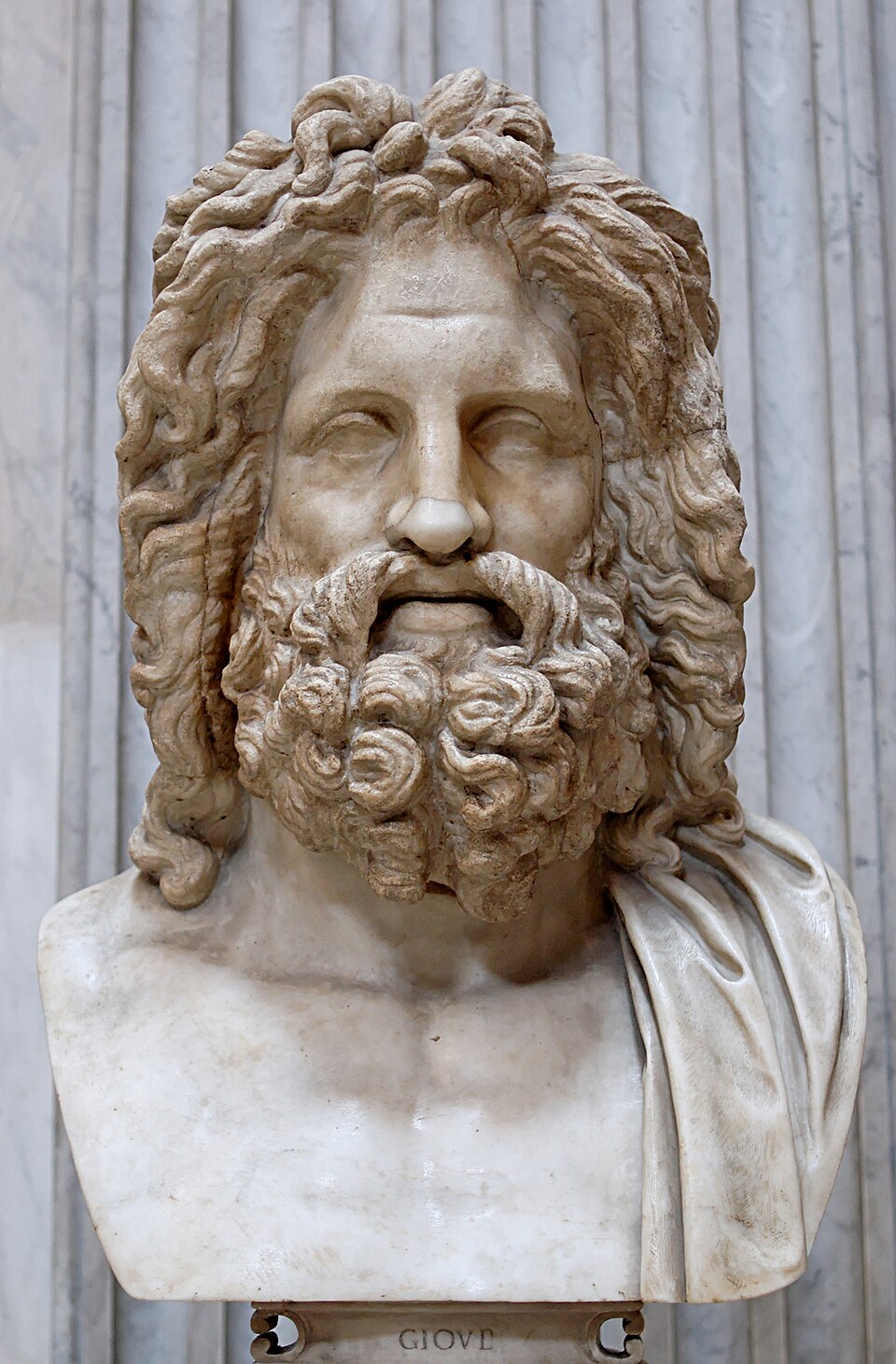
In the Name of Zeus, King of the Gods, I consecrate this [name the object].
This tool is dedicated to the service of the Gods and to the advancement of my spiritual path. Let it carry the energy I place within it. Let it amplify my will. Let it serve the purposes for which I use it, under the Law of Ma'at and in the light of Satya (सत्य).
This [name the object] is no longer common. It is sacred. It belongs to the Gods and to my practice.
Step 3: Charging
Continue holding the item. Breathe deeply. With each exhale, visualize more energy flowing into the object. You may vibrate a word of power (such as "ZEV" or "SATYA") to intensify the charge. Continue for several minutes, or until you feel the object is fully charged.
Place the item down. Speak:
This [name the object] is consecrated, charged, and ready for use. Praised be Zeus.
After Consecration
Consecrated tools should be treated with respect. They should not be used for mundane purposes. They should be stored cleanly when not in use. Over time, they will accumulate more energy through repeated use in ritual, and they will become progressively more powerful. If a tool breaks or is no longer usable, it should be respectfully retired: buried in the earth, burned (if combustible), or placed in flowing water, with a brief word of thanks for its service.
Other people should not handle your consecrated tools. The energy signature of the tool is keyed to you and to the Gods. Allowing others to handle it can introduce conflicting energies that weaken the consecration.