The TempleThe GodsMeditation
TEMPLE OF ZEUS
MagickTeachingsCommunityLibrary
Menu
The Parthenon in a classical landscape

The Temple

Temple of Zeus

The Temple
Temple of Zeus: Welcome

The welcome to the Temple of Zeus and Zevism: the Ancient faith behind all Ancient religions, its Head God and His many names, the practices for opening the chakras, freedom of belief, the Gods restored to Their true Names, and Initiation as the first step.

Read
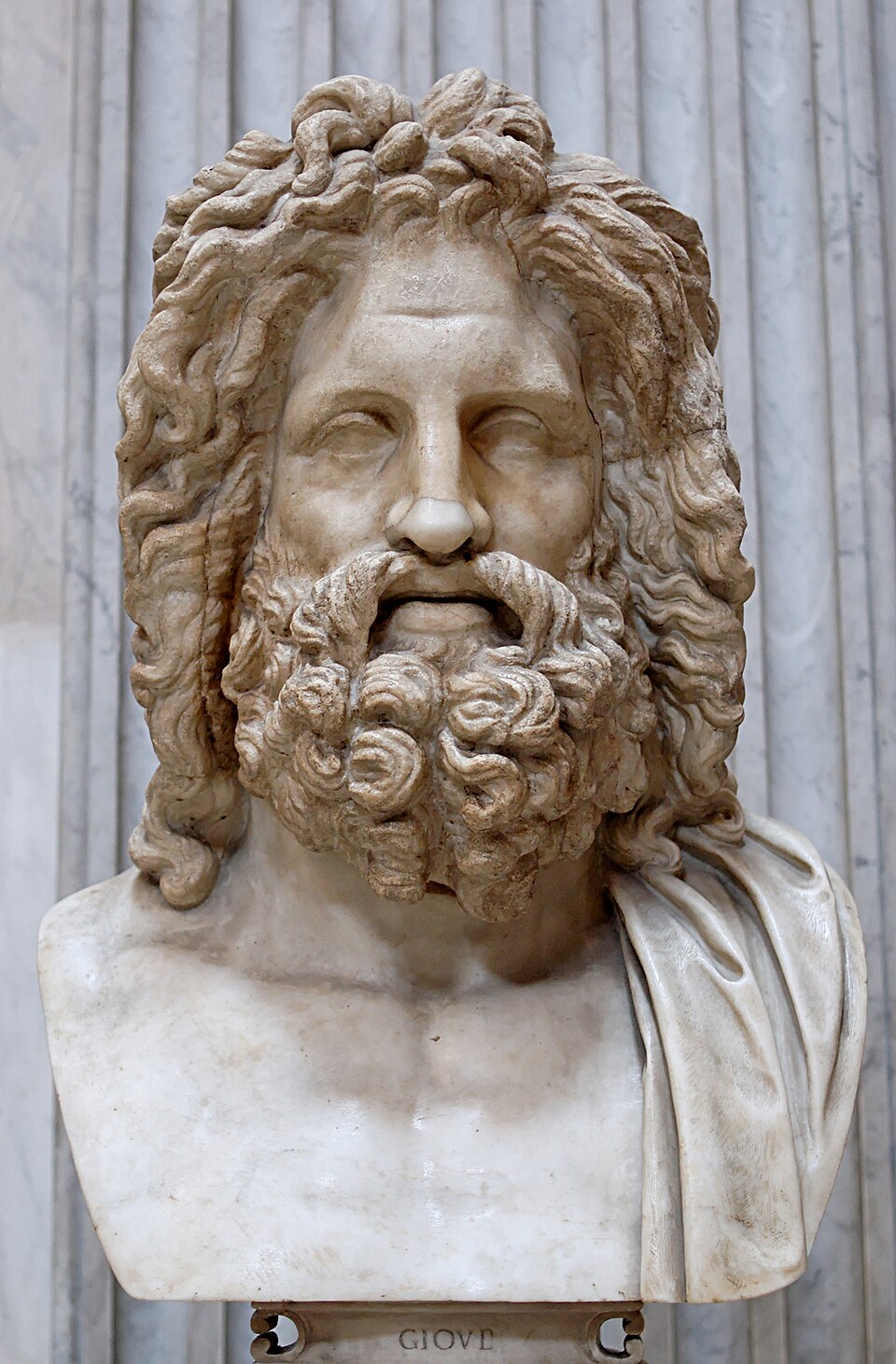
Marble bust of Zeus

The Gods

The Ancient Gods

The Gods
Our Eternal Head God: Zeus, Eternal Truth & His Identities

The Truth about Zeus: the original, eternal Head God of humanity worshipped across every civilization on Earth under many names.

Read
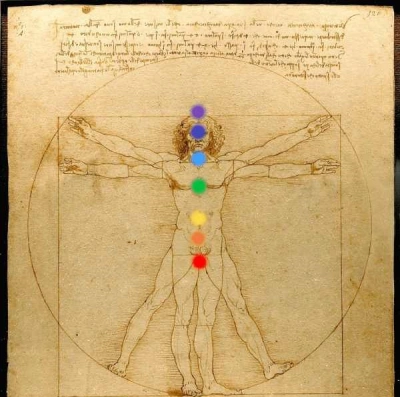
The human form with the seven chakras

Meditation

Meditation Information

Meditation
Meditation Information

Encyclopaedia of meditation: power meditation, awareness practices, chakras, energy work, and the path to spiritual advancement and siddhis.

Read
A priestess holding a bowl and sacred branch

Magick

Magick & Theurgy

Magick
Magick & Theurgy

Magick & Theurgy: the powers of the mind and soul, built on power meditation. The Magick Section holds the Chthonic Powers and the Theurgy Section the Heavenly Powers, each from Beginning to Advanced with Divination and Information; General Information, Knowing the Powers, serves both.

Read
Philosophers gathered in the School of Athens

Teachings

Our Doctrines

Teachings
The Doctrines of Zeus

Sacred texts and doctrines of the ancient world, Egyptian, Greek, Sanskrit, Babylonian, Norse, Roman, and Japanese spiritual writings.

Read
A gathering in a classical hall

Community

The Temple of Zeus Community

Community
Personalities

People who historically have done great acts, are recognized as Zevist personalities who evolved mankind.

Read
Close

21 min read

Becoming an Initiate: The Rite To Dedicate Your Soul to Zeus & The Ancient Gods

Prayer of Initiation: The Dedication Rite

In the presence of ZEUS, Father of Gods and men, King of the Gods, known across the civilizations of the world as Dyeus Pater, of Many Names In the Aeons and Civilizations, the Eternal, the One God who Protects the Many Gods, the source from whom all Gods proceed and under whom all Gods and Daemons serve,

In the presence of all the Ancient and Original Gods and Daemons of the Heavenly Realms and the Underworld, the source of the Universe, Divine Order and Sovereignty of the Cosmic Mind, and all divine Powers who have guided humanity since the beginning until it's deification,

Under the Cosmic Law of Ma'at and in the Name of Satya (सत्य), the Eternal Truth that Zeus embodies and upholds, Under the Four Quarters of the Tetractys and the root of the Cosmic Origin:

I, __________ (name), freely and of my own will, declare that I leave ignorance behind and become an Initiate of the Original Gods, a servant of Cosmic Truth, and a son/daughter of Zeus. May the Great Father accept Me, may Hera the Divine Mother, accept me.

I leave the Path of Izfet and enter the Path of Ma’at. I leave the Path of Yehubor and enter the Path of Theophoros. I leave Ignorance and devote to the Truth.

I renounce any and all past allegiances to the false gods of the Yehubor, who carry falsehood and are devoid of truth, splendor and wisdom. Every tie between myself and them has now been severed, now and for all time to come. Free me Zeus, move my soul out of evil and out of ignorance.

I dedicate myself, now and forever, to ZEUS (ΔΙΑΣ/ΖΕΥΣ), the Father of Gods and men, the King of the Gods, Leader of all the Gods and Daemons and mankind, sovereign of the cosmos, under all His Holy Names across all civilizations of the Earth.

I commit myself to living under the Cosmic Law of Ma'at (Divine Law) and Satya (सत्य - Cosmic Truth), the Eternal Truth of the Eternal and Cosmic Consciousness, which Zeus Himself embodies and which governs all existence.

I recognize that all the Gods and Daemons all serve under the leadership of Zeus, and I honor Them all as the divine powers who have guided, protected, and elevated humanity since the beginning of time.

I promise to recognize and honor the Gods in all things, without reservation, desiring in return Their manifold assistance in the successful completion of my endeavors, physical and spiritual: The Path of Theophoros shall guide me to the Godhead.

May my dedication, love, and fellowship be accepted by the Gods in all domains, spiritual and material.

Henceforth, in the presence of my Gods, I am a Son/Daughter and Initiated follower of the Ancient and Original Gods. And henceforth, I belong in Their spiritual family, now and forever.

I shall stand strongly and decidedly in the Eternal Path of Zeus and of Satya (सत्य). May this Path lead me to become alike the Gods.

Great Gods and Goddesses, accept me in all Your Names! Admit me into Your Mysteries! Initiate me from Ignorance to Truth, from weakness to power, from Izfet to Ma'at.

I am a child of Earth and starry Heaven; my lineage is heavenly.

Truth is Triumphant.

I, __________ [sign your name IN BLOOD], am now Your Initiate.

Ancient Greek prayer & transliterationἙλληνικὴ εὐχή

A contemporary translation of the initiation prayer into Ancient Greek, with an aligned Latin transliteration.

Transliteration: ē = η, ō = ω, th = θ, ph = φ, kh = χ; rough breathing is written h. The Latin lines follow the Greek text.

Ἐναντίον ΔΙΟΣ, Πατρὸς Θεῶν τε καὶ ἀνθρώπων, Βασιλέως τῶν Θεῶν, τοῦ παρὰ τοῖς τῆς οἰκουμένης ἔθνεσι γινωσκομένου τῷ ὀνόματι «Δυεὺς Πατήρ (Dyeus Pater)», τοῦ πολυωνύμου ἐν τοῖς Αἰῶσι καὶ παρὰ τοῖς ἔθνεσι, τοῦ ἀϊδίου, τοῦ Ἑνὸς Θεοῦ τοῦ τοὺς πολλοὺς Θεοὺς διαφυλάττοντος, τῆς πηγῆς ἐξ ἧς πάντες οἱ Θεοὶ προέρχονται καὶ ὑπὸ τὴν ἡγεμονίαν αὐτοῦ πάντες οἱ Θεοὶ καὶ Δαίμονες ὑπηρετοῦσιν,

Enantion DIOS, Patros Theōn te kai anthrōpōn, Basileōs tōn Theōn, tou para tois tēs oikoumenēs ethnesi ginōskomenou tōi onomati «Dyeus Patēr (Dyeus Pater)», tou polyōnymou en tois Aiōsi kai para tois ethnesi, tou aïdiou, tou Henos Theou tou tous pollous Theous diaphylattontos, tēs pēgēs ex hēs pantes hoi Theoi proerkhontai kai hypo tēn hēgemonian autou pantes hoi Theoi kai Daimones hypēretousin,

Ἐναντίον πάντων τῶν Ἀρχαίων καὶ ἐξ ἀρχῆς Θεῶν καὶ Δαιμόνων τῶν οὐρανίων χωρῶν καὶ τοῦ ὑποχθονίου κόσμου, τῆς πηγῆς τοῦ Παντός, τῆς Θείας Τάξεως καὶ τῆς Κυριαρχίας τοῦ Κοσμικοῦ Νοῦ, καὶ πασῶν τῶν θείων Δυνάμεων, αἳ τὸ ἀνθρώπινον γένος ἀπ’ ἀρχῆς ἕως τῆς αὐτοῦ θεώσεως ὡδήγησαν,

Enantion pantōn tōn Arkhaiōn kai ex arkhēs Theōn kai Daimonōn tōn ouraniōn khōrōn kai tou hypokhthoniou kosmou, tēs pēgēs tou Pantos, tēs Theias Taxeōs kai tēs Kyriarkhias tou Kosmikou Nou, kai pasōn tōn theiōn Dynameōn, hai to anthrōpinon genos ap’ arkhēs heōs tēs autou theōseōs hōdēgēsan,

Ὑπὸ τὸν Κοσμικὸν Νόμον τῆς Μαάτ (Ma'at) καὶ ἐν τῷ Ὀνόματι τῆς Σάτγια (Satya, सत्य), τῆς ἀϊδίου Ἀληθείας, ἣν Ζεὺς ἐν τῇ ἑαυτοῦ οὐσίᾳ φέρει καὶ κρατύνει, ὑπὸ τὰ τέσσαρα τεταρτημόρια τῆς Τετρακτύος καὶ τὴν ῥίζαν τῆς Κοσμικῆς Ἀρχῆς:

Hypo ton Kosmikon Nomon tēs Maat (Ma'at) kai en tōi Onomati tēs Satgia (Satya, सत्य), tēs aïdiou Alētheias, hēn Zeus en tēi heautou ousiai pherei kai kratynei, hypo ta tessara tetartēmoria tēs Tetraktyos kai tēn rhizan tēs Kosmikēs Arkhēs:

Ἐγώ, __________ (ὄνομα), ἐλευθέρως καὶ κατὰ τὴν ἐμὴν βούλησιν, δηλῶ ὅτι τὴν ἀγνοίαν καταλείπω καὶ γίγνομαι μύστης/μύστις τῶν ἐξ ἀρχῆς Θεῶν, θεράπων/θεράπαινα τῆς Κοσμικῆς Ἀληθείας καὶ υἱὸς/θυγάτηρ Διός. Εἴθε ὁ Μέγας Πατὴρ δέξαιτό με· εἴθε Ἥρα, ἡ Θεία Μήτηρ, δέξαιτό με.

Egō, __________ (onoma), eleutherōs kai kata tēn emēn boulēsin, dēlō hoti tēn agnoian kataleipō kai gignomai mystēs/mystis tōn ex arkhēs Theōn, therapōn/therapaina tēs Kosmikēs Alētheias kai huios/thygatēr Dios. Eithe ho Megas Patēr dexaito me· eithe Hēra, hē Theia Mētēr, dexaito me.

Καταλείπω τὴν Ὁδὸν τῆς Ἰσφέτ (Izfet) καὶ εἰσέρχομαι εἰς τὴν Ὁδὸν τῆς Μαάτ (Ma’at). Καταλείπω τὴν Ὁδὸν τοῦ Ὑεηυβόρ (Yehubor) καὶ εἰσέρχομαι εἰς τὴν Ὁδὸν τοῦ Θεοφόρου (Theophoros). Καταλείπω τὴν Ἄγνοιαν καὶ ἀνατίθημι ἐμαυτόν/ἐμαυτὴν τῇ Ἀληθείᾳ.

Kataleipō tēn Hodon tēs Isphet (Izfet) kai eiserkhomai eis tēn Hodon tēs Maat (Ma’at). Kataleipō tēn Hodon tou Hyeēubor (Yehubor) kai eiserkhomai eis tēn Hodon tou Theophorou (Theophoros). Kataleipō tēn Agnoian kai anatithēmi emauton/emautēn tēi Alētheiai.

Ἀποκηρύσσω πᾶσαν προτέραν προσήλωσιν πρὸς τοὺς ψευδεῖς θεοὺς τοῦ Ὑεηυβόρ (Yehubor), οἳ τὸ ψεῦδος φέρουσι καὶ ἀληθείας καὶ ἀγλαΐας καὶ σοφίας στεροῦνται. Πᾶς δεσμὸς ἐμοῦ πρὸς αὐτοὺς νῦν ἀποτέτμηται, νῦν τε καὶ εἰς πάντα τὸν μέλλοντα χρόνον. Ἐλευθέρωσόν με, Ζεῦ· ἐξάγαγε τὴν ψυχήν μου ἐκ τοῦ κακοῦ καὶ ἐκ τῆς ἀγνοίας.

Apokēryssō pasan proteran prosēlōsin pros tous pseudeis theous tou Hyeēubor (Yehubor), hoi to pseudos pherousi kai alētheias kai aglaïas kai sophias sterountai. Pas desmos emou pros autous nyn apotetmētai, nyn te kai eis panta ton mellonta khronon. Eleutherōson me, Zeu· exagage tēn psykhēn mou ek tou kakou kai ek tēs agnoias.

Ἀνατίθημι ἐμαυτόν/ἐμαυτήν, νῦν καὶ εἰς ἀεί, τῷ ΔΙΙ (ΔΙΑΣ/ΖΕΥΣ), τῷ Πατρὶ Θεῶν τε καὶ ἀνθρώπων, τῷ Βασιλεῖ τῶν Θεῶν, τῷ πάντων τῶν Θεῶν καὶ Δαιμόνων καὶ τοῦ ἀνθρωπίνου γένους Ἡγεμόνι, τῷ τοῦ κόσμου Ἄνακτι, κατὰ πάντα τὰ ἱερὰ αὐτοῦ Ὀνόματα παρὰ πᾶσι τοῖς τῆς γῆς ἔθνεσι.

Anatithēmi emauton/emautēn, nyn kai eis aei, tōi DII (DIAS/ZEUS), tōi Patri Theōn te kai anthrōpōn, tōi Basilei tōn Theōn, tōi pantōn tōn Theōn kai Daimonōn kai tou anthrōpinou genous Hēgemoni, tōi tou kosmou Anakti, kata panta ta hiera autou Onomata para pasi tois tēs gēs ethnesi.

Ὑπισχνοῦμαι ζῆν ὑπὸ τὸν Κοσμικὸν Νόμον τῆς Μαάτ (Ma'at, Θείου Νόμου) καὶ τῆς Σάτγια (Satya, सत्य, Κοσμικῆς Ἀληθείας), τῆς ἀϊδίου Ἀληθείας τῆς ἀϊδίου καὶ Κοσμικῆς Συνειδήσεως, ἣν Ζεὺς αὐτὸς ἐν τῇ ἑαυτοῦ οὐσίᾳ φέρει καὶ ἥτις πᾶσαν τὴν ὕπαρξιν διέπει.

Hypiskhnoumai zēn hypo ton Kosmikon Nomon tēs Maat (Ma'at, Theiou Nomou) kai tēs Satgia (Satya, सत्य, Kosmikēs Alētheias), tēs aïdiou Alētheias tēs aïdiou kai Kosmikēs Syneidēseōs, hēn Zeus autos en tēi heautou ousiai pherei kai hētis pasan tēn hyparxin diepei.

Ἀναγνωρίζω ὅτι πάντες οἱ Θεοὶ καὶ Δαίμονες ὑπὸ τὴν Διὸς ἡγεμονίαν ὑπηρετοῦσιν, καὶ τιμῶ πάντας αὐτοὺς ὡς τὰς θείας δυνάμεις, αἳ τὸ ἀνθρώπινον γένος ἐξ ἀρχῆς τοῦ χρόνου ὡδήγησαν καὶ διεφύλαξαν καὶ ὕψωσαν.

Anagnōrizō hoti pantes hoi Theoi kai Daimones hypo tēn Dios hēgemonian hypēretousin, kai timō pantas autous hōs tas theias dynameis, hai to anthrōpinon genos ex arkhēs tou khronou hōdēgēsan kai diephylaxan kai hypsōsan.

Ὑπισχνοῦμαι ἀναγνωρίζειν καὶ τιμᾶν τοὺς Θεοὺς ἐν πᾶσιν, ἄνευ πάσης ἐπιφυλάξεως, καὶ ἐπιθυμῶ ἀντὶ τούτων τῆς πολυειδοῦς αὐτῶν βοηθείας πρὸς τὴν εὐτυχῆ τελείωσιν τῶν ἐμῶν ἐπιχειρημάτων, σωματικῶν τε καὶ πνευματικῶν· ἡ τοῦ Θεοφόρου (Theophoros) Ὁδὸς ἄξει με πρὸς τὴν Θεότητα.

Hypiskhnoumai anagnōrizein kai timan tous Theous en pasin, aneu pasēs epiphylaxeōs, kai epithymō anti toutōn tēs polyeidous autōn boētheias pros tēn eutykhē teleiōsin tōn emōn epikheirēmatōn, sōmatikōn te kai pneumatikōn· hē tou Theophorou (Theophoros) Hodos axei me pros tēn Theotēta.

Εἴθε ἡ ἐμὴ ἀφιέρωσις καὶ ἀγάπη καὶ κοινωνία δεχθεῖεν ὑπὸ τῶν Θεῶν κατὰ πάντα τὰ πνευματικὰ καὶ ὑλικά.

Eithe hē emē aphierōsis kai agapē kai koinōnia dekhtheien hypo tōn Theōn kata panta ta pneumatika kai hylika.

Ἀπὸ τοῦδε, ἐναντίον τῶν ἐμῶν Θεῶν, Υἱὸς/Θυγάτηρ καὶ μεμυημένος/μεμυημένη ἀκόλουθός εἰμι τῶν Ἀρχαίων καὶ ἐξ ἀρχῆς Θεῶν. Καὶ ἀπὸ τοῦδε τῆς πνευματικῆς αὐτῶν οἰκίας μέλος εἰμί, νῦν καὶ εἰς ἀεί.

Apo toude, enantion tōn emōn Theōn, Huios/Thygatēr kai memyēmenos/memyēmenē akolouthos eimi tōn Arkhaiōn kai ex arkhēs Theōn. Kai apo toude tēs pneumatikēs autōn oikias melos eimi, nyn kai eis aei.

Σθεναρῶς καὶ μετὰ βεβαίας γνώμης στήσομαι ἐν τῇ ἀϊδίᾳ Ὁδῷ τοῦ Διὸς καὶ τῆς Σάτγια (Satya, सत्य). Εἴθε ἡ Ὁδὸς αὕτη ἄγοι με πρὸς τὸ ὁμοιωθῆναι τοῖς Θεοῖς.

Sthenarōs kai meta bebaias gnōmēs stēsomai en tēi aïdiai Hodōi tou Dios kai tēs Satgia (Satya, सत्य). Eithe hē Hodos hautē agoi me pros to homoiōthēnai tois Theois.

Μεγάλοι Θεοὶ καὶ Μεγάλαι Θεαί, δέξασθέ με κατὰ πάντα τὰ ὑμέτερα Ὀνόματα! Εἰσδέξασθέ με εἰς τὰ ὑμέτερα Μυστήρια! Μυήσατέ με ἀπὸ τῆς Ἀγνοίας εἰς τὴν Ἀλήθειαν, ἀπὸ τῆς ἀσθενείας εἰς τὴν δύναμιν, ἀπὸ τῆς Ἰσφέτ (Izfet) εἰς τὴν Μαάτ (Ma'at).

Megaloi Theoi kai Megalai Theai, dexasthe me kata panta ta hymetera Onomata! Eisdexasthe me eis ta hymetera Mystēria! Myēsate me apo tēs Agnoias eis tēn Alētheian, apo tēs astheneias eis tēn dynamin, apo tēs Isphet (Izfet) eis tēn Maat (Ma'at).

Γῆς παῖς εἰμι καὶ ἀστερόεντος Οὐρανοῦ· τὸ γένος μου οὐράνιόν ἐστιν.

Gēs pais eimi kai asteroentos Ouranou· to genos mou ouranion estin.

Ἡ Ἀλήθεια νικᾷ.

Hē Alētheia nikai.

Ἐγώ, __________ [ὑπόγραψον τὸ ὄνομά σου ΑἽΜΑΤΙ], νῦν ὑμέτερος μύστης/ὑμετέρα μύστις εἰμί.

Egō, __________ [hypograpson to onoma sou HAIMATI], nyn hymeteros mystēs/hymetera mystis eimi.
Guidance for the rite

How to prepare and use the prayer

Write the prayer above on your paper, inserting your name. The complete prayer is shared by all initiates.

The initiation ritual is personal, unless you choose to have friends participate or perform it as part of a group. You may choose any date. Bathe beforehand as an expression of respect.

What you need

  • One or more black, blue, or red candles. The candle color is not an absolute requirement.
  • A sterilized needle or razor.
  • A clean sheet of paper, large enough for the prayer.
  • A pen for writing the prayer in ink, and a dry pen for the symbolic signature.

Write the prayer in ink. Only the signature uses a very small, symbolic amount of blood; nothing else on the paper is written with blood.

Do not worry if the ritual does not go perfectly as planned. The Gods accept the sincerity of your intention. The rite is symbolic and marks your passage into initiation.

Complete the rite

Signature, recitation & closing

Once the prayer is written and you are ready, light the candle. For the signature, prick the index finger of the left hand with the sterilized needle and place a very small amount of blood on the dry pen tip. Sign your name where indicated.

Recite the prayer aloud or in your mind, then speak its closing invocation once. Fold the paper and burn it in the candle flame. Keep the flame attended and use a suitable fireproof vessel. A period of quiet meditation may follow.

θεὸς ἐγένου ἐξ ἀνθρώπου.

“From a human, you have become a god.”

Thurii gold tablet A4, OF 487.4; Edmonds 2011, printed p. 20

The transformed initiate in the Thurii gold tablet.

The meaning and purpose of initiation

To walk the path of the Theophoros

Zeus is the Royal Intellect, the Father of Gods and men, the creative King who gives form and rightful purpose to existence. He is honored as the Father of Measure, joining power with justice and knowledge with wisdom. To dedicate the soul to Him is to enter His divine family with a willing heart and a considered purpose.

Πιστεύω εἰς Ζῆνα, Νοῦν βασιλικὸν καὶ Πατέρα Θεῶν τε καὶ ἀνθρώπων· ἀφοσιῶ τὴν ψυχήν μου τῷ Διί, τῷ ΜΑΑΤ καὶ τῇ Ἀληθείᾳ·

“I believe in Zeus, the royal intellect and father of gods and men; I consecrate my soul unto Zeus, Maat, and truth;”

The Golden Book, Chaos 1:107

The initiate enters the path of the Theophoros: one who bears the Divine in understanding, character, and action. Its clear objective is ὁμοίωσις θεῷ, becoming alike the Gods. Meditation, ethics, service, and theurgy give this purpose a living form.

Ma’at gives direction to this life through truth, justice, and right relationship. The path of the Theophoros brings divine knowledge into virtue and truthful action.

Initiation gives this choice a sacred form. The prayer is spoken freely; the commitment is carried forward through the life of the initiate.

γῆς παῖς εἰμι καὶ οὐρανοῦ ἀστερόεντος· αὐτὰρ ἐμοὶ γένος οὐράνιον.

“I am a child of Earth and starry Heaven; my lineage is heavenly.”

Petelia gold tablet, IG XIV 638, lines 6–7; OF 476.6–7

The voice of the initiate in the Petelia gold tablet.

ὁμοίωσις θεῷ κατὰ τὸ δυνατόν· ὁμοίωσις δὲ δίκαιον καὶ ὅσιον μετὰ φρονήσεως γενέσθαι.

“Becoming like God as far as possible; becoming like God means becoming just and holy with understanding.”

Plato, Theaetetus 176b

“It produces an indissoluble communion and friendship with divinity, nourishes a divine love, and inflames the divine part of the soul.”

Iamblichus, On the Mysteries V.26; Thomas Taylor translation, printed p. 272

Iamblichus is speaking of prayer.

Zeus · Tetractys · Ma’at · Satya

Order, divine kinship & Eternal Truth

In this initiation, Zeus is invoked as Father and King; the Tetractys recalls the Pythagorean contemplation of sacred order; Ma’at names the Cosmic Law affirmed in the prayer; and Satya, सत्य, names Eternal Truth. These principles meet in the initiate’s resolve to honor the Gods and live in accordance with Truth.

Ναὶ μὰ τὸν ἁμετέρας σοφίας εὑρόντα τετρακτύν, παγὰν ἀενάου φύσεως ῥίζωμά τ᾽ ἔχουσαν.

Nai ma ton hāmetérās sophías heurónta tetraktýn, pāgàn aenáou phýseōs rhízōmá t’ échousan.

“I swear by him who discovered the tetractys of our wisdom, which holds the source and root of ever-flowing Nature.”

Pythagorean oath · Iamblichus, On the Pythagorean Life XXVIII, §150
Ζεῦ πάτερ, ἦ πολλῶν κε κακῶν λύσειας ἅπαντας, εἰ πᾶσιν δείξαις, οἵωι τῶι δαίμονι χρῶνται.

Zeû páter, ē pollō̂n ke kakō̂n lýseias hápantas, ei pâsin deíxais, hoíōi tō̂i daímoni chrō̂ntai.

“Father Zeus, you could surely free everyone from many evils, if you showed them all what divine spirit they have.”

Pythagorean Golden Verses, 61–62 · Invocation to Father Zeus

The passages above belong to the Pythagorean tradition. The connection made here with Ma’at and Satya expresses the teaching of this initiation. Each ancient passage retains its own source and wording.

सत्यमेव जयते नानृतं सत्येन पन्था विततो देवयानः ।

satyam eva jayate nānṛtaṃ; satyena panthā vitato devayānaḥ.

“Truth alone triumphs, not falsehood. Through truth the path leading to the gods is laid out.”

Muṇḍaka Upaniṣad 3.1.6 · Truth and the divine path

Understanding the commitment

Questions about initiation

Why is the Initiation Ritual necessary to progress?

The Initiation Ritual is a sacred declaration of your decision to advance spiritually. It marks a change of path and a change of heart: you turn toward the Gods, seeking knowledge, courage and freedom from ignorance and fear.

Through initiation, you enter the Theophoros path, whose goal is becoming like the Gods. Meditation, learning and perseverance carry this commitment into your daily life and support the development of your soul.

For more about initiation, read The Dedication Ritual, Path to Initiation and What Is the Point of the Dedication Ritual?

What happens when I make a formal commitment to Our God?

You freely enter a relationship with Zeus and the Ancient and Original Gods, joining Their spiritual family and committing yourself to honor Them throughout your life. The rite expresses your love, trust and resolve.

Zeus looks after His own, strengthening the spirit and offering guidance through difficulty and discouragement. The Gods protect and guide your development, helping your mind become clearer and your soul stronger. Their guidance may bring renewed courage, direction and understanding.

The divine work within humanity unfolds through spiritual growth. On the Theophoros path, we seek to become like the Gods through meditation, knowledge and steady practice. We cultivate the powers of the mind and soul, healing and personal strength, and a more conscious part in shaping our lives and destiny.

Initiation joins devotion with this continuing work. Questions about former beliefs and the ways the Gods have been represented are gathered in the final FAQ.

Will the Gods and Daemons help me after I do the Initiation Ritual?

Yes. The Gods care for Their initiates and guide them lovingly, in ways suited to their needs and development. Spiritual practice helps you deepen this relationship.

You need not hear or see the Gods to receive Their guidance. Help may come through unseen means, meaningful coincidences and signs, with understanding developing gradually. As you advance, you cultivate the powers of the soul, including the capacity for psychic communication.

Continue learning about the Gods and the practices of the Temple. The Ancient Forums, the Library of Thoth and the wider Temple of Zeus website provide material for continued study.

What does the blood used for the ritual signature symbolize?

In the initiation’s symbolism, blood represents your ancestors and your own essence. The signature affirms your connection with the Ancient Gods, your ancestral faith and your own life.

By signing, you acknowledge the words of initiation as your personal commitment. The meaning rests in the sincere intention expressed through the act.

I could barely get any blood on the paper. Is the ritual still valid?

Yes. The quantity does not determine the validity of the initiation. Your heart and your intention matter more than the outward form of the signature.

The Gods accept your sincere initiation even when the rite does not proceed perfectly or exactly as planned.

Can I perform the ritual more than once?

No. The initiation is a real and binding commitment, made once. You continue to express it through meditation, learning, prayer and honoring the Gods.

An outward imperfection does not make repetition necessary. Your sincere intention is what matters.

Can I reverse the ritual at a later date?

The initiation is a permanent commitment, freely chosen. Its words express your lasting intention to belong to the divine family and remain upon the path of Zeus and Satya.

The related questions about free choice, withdrawal and fear are addressed in the final FAQ.

I did the Ritual. What do I do now?

Welcome. You have entered the path as an initiate of the Gods. Your commitment now takes form in your daily choices, study and practice.

Follow these ten directions with steadiness and joy, allowing time for understanding and spiritual growth.

  1. Recognize your place as an initiate of the Gods and a member of Their spiritual and material family and community.
  2. Begin meditation and the work of spiritual advancement.
  3. Examine inherited conceptions of the Gods and cultivate a clear understanding of the path you have chosen. The final FAQ gathers the related questions about former beliefs and provides further reading.
  4. Remain persistent in meditation and learning. Steady practice allows the benefits of the path to unfold.
  5. Respect your life and existence, and seek advancement in both spiritual and material life. Zevism affirms life and the improvement of your existence.
  6. Study the Ethics of Our Gods, cultivating wisdom and personal power through your understanding and conduct.
  7. Walk the Eternal Path of the Gods and your ancestors with conviction and steadfastness.
  8. Pray for the Gods’ guidance in your own personal way and according to your capacity. Enforced prayer and forced practices are not part of Zevism; your relationship with the Gods is freely expressed.
  9. Allow your transformation to develop in its own time. This is a joyous and beautiful journey, and there is no need to rush.
  10. Continue studying the Gods and take part in the community of fellow Zevists. The Ancient Forums provide a place for continued learning and community.
How does initiation relate to former beliefs and common objections?

These answers explain the recognition of the True Gods, the change of religious allegiance and the free commitment expressed in the initiation.

Why does the prayer reject false descriptions of the Gods?

Prevailing religious teachings have often called the True Gods “evil,” “demonic,” or other names that misrepresent Their nature. The initiate understands these descriptions to be false and recognizes the Gods by Their true names.

The initiation honors Zeus and the Ancient and Original Gods as the divine powers who guide, protect and elevate humanity. Its declaration rejects false portrayals of Them and affirms this understanding of Their nature.

What does renouncing a former religious allegiance mean?

Renunciation expresses your decision to leave beliefs and religious claims that you no longer accept. You freely declare a lasting commitment to Zeus, the Original Gods and Cosmic Truth, releasing inherited fear and opening yourself to knowledge.

The two changes of path give this decision its spiritual meaning. Izfet signifies the distortion of truth and right order; Ma’at signifies truth, justice and right relationship. Yehubor signifies an empty divine name without its living substance; the Theophoros bears the Divine through understanding, virtue and truthful action.

The prayer contains one common declaration of personal renunciation. Each initiate speaks it in relation to their own former beliefs and freely chosen commitment.

This change of allegiance calls for sincerity and courage. For further guidance, read Bravery to Know the Truth.

Am I “selling my soul” when I do the Initiation Ritual?

No. Initiation brings you into the divine family and begins a freely chosen relationship with the Gods. You honor Them and seek Their guidance as you awaken and develop the powers of your soul.

The goal is spiritual freedom and growth upon the Theophoros path, toward becoming like the Gods. Your promise of devotion and your request for divine assistance express this relationship; your soul is not sold.

How do the teachings on permanence and withdrawal relate to fear?

The rite is real and permanent, and you enter it by your own free choice. Zeus does not compel devotion or punish rejection. Withdrawal means the departure of His presence and protection.

The account passed down with this initiation includes letters from people who withdrew and later wished to return. They described their regret and their desire to renew a relationship they had valued. These are their personal testimonies.

Initiation begins with a willing heart. Its purpose is to join the divine family, honor the Gods and grow spiritually. A lasting commitment deserves thoughtful and sincere intention.

Where can I study these questions further?

Begin with Becoming As the Gods, which presents the spiritual objective of the Theophoros path.

For the meaning of initiation, read The Dedication Ritual, Path to Initiation and What Is the Point of the Dedication Ritual?. The Library of Thoth and Ancient Forums provide further teaching and discussion.

Sources & further reading

The ancient quotations are identified individually. The Orphic gold tablets speak within an initiatory and funerary setting; their language of divine ancestry and transformation accompanies this page as a historical witness. The initiation prayer and its Ancient Greek translation are the present liturgy of the Temple.

  1. Petelia gold tablet, IG XIV 638, lines 6–7; OF 476.6–7

    Petelia gold tablet, IG XIV 638, lines 6–7. The soul declares its earthly and heavenly ancestry. English translation prepared for this page.

  2. Plato, Theaetetus 176b

    Theaetetus 176b, an excerpt from the words of Socrates in Plato’s dialogue. English translation prepared for this page.

  3. Pythagorean oath · Iamblichus, On the Pythagorean Life XXVIII, §150

    Greek follows Kiessling’s 1815 edition, §150. The oath honors the revealer of the Tetractys. English translation prepared for this page.

  4. Pythagorean Golden Verses, 61–62 · Invocation to Father Zeus

    Greek follows Johan C. Thom’s 1995 edition. These verses belong to the transmitted Pythagorean tradition. “Divine spirit” translates daimōn. English translation prepared for this page.

  5. Muṇḍaka Upaniṣad 3.1.6 · Truth and the divine path

    The first half of Muṇḍaka Upaniṣad 3.1.6. Satya means truth; Eternal Truth is its theological expression in the initiation. English translation prepared for this page.

  6. Iamblichus, On the Mysteries V.26; Thomas Taylor translation, printed p. 272

    On the Mysteries V.26, Thomas Taylor’s translation, p. 272. The passage describes prayer and divine friendship.

  7. Thurii gold tablet A4, OF 487.4; Edmonds 2011, printed p. 20

    Thurii, Timpone Grande, tablet A4 / OF 487.4; Edmonds, The “Orphic” Gold Tablets and Greek Religion, p. 20. The words address the transformed initiate in a funerary context. English translation prepared for this page.

  8. The Golden Book, Chaos 1:107

    An excerpt from the consecration in Chaos 1:107. Greek and Royal English are quoted from the Golden Book.

The account of Zeus and the two paths also draws upon The Golden Book: Akroasis 2:1 and 3:11; Chaos 5:6; Isfet 1:5 and 2:28–30; Theophoricon 1:5.

ὁμοίωσις θεῷ: Becoming a God explains the objective and the disciplines of the path.

The Dedication Ritual: Path to Initiation · What is the Point of the Dedication Ritual?