



2 min read
THE CHALDEAN ORACLES
author: High Priest Zevios Metathronos
Χαλδαϊκοὶ Χρησμοί Julian the Theurgist & Julian the Chaldean (c. 2nd century CE)
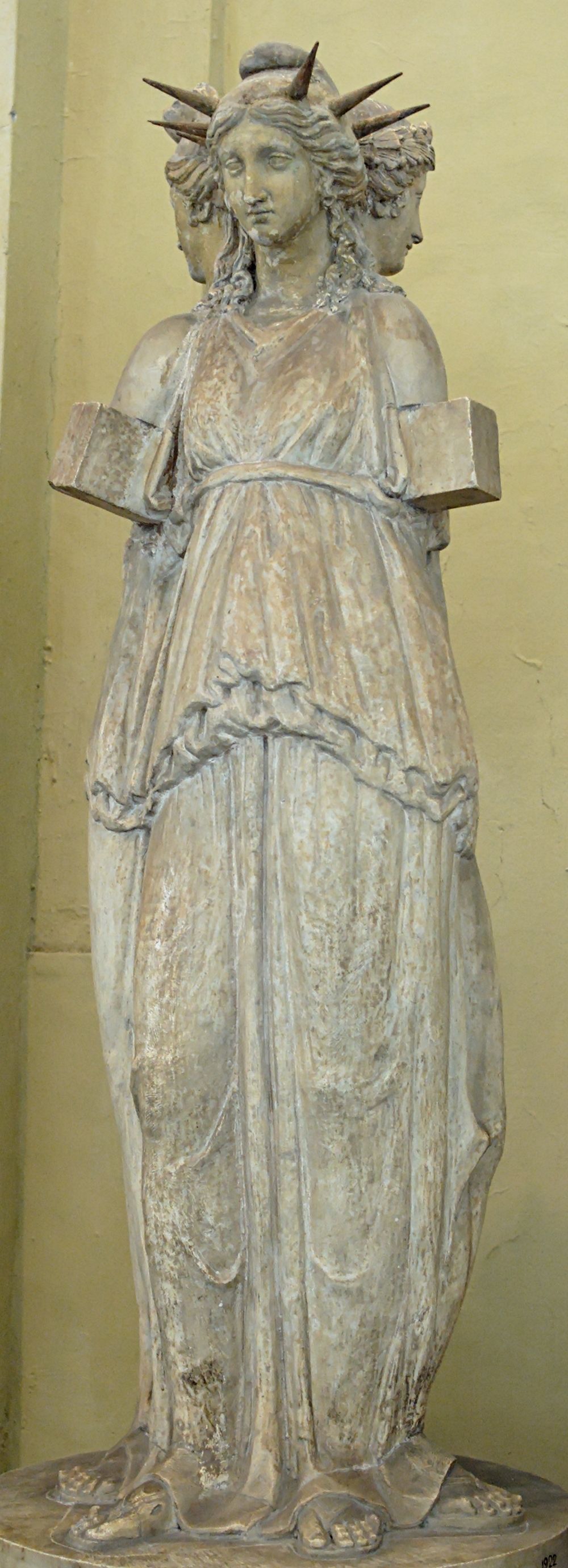
What It Is: A collection of oracular utterances attributed to the Chaldean (Babylonian-influenced) theurgy of Julian the Theurgist and his father Julian the Chaldean. Surviving only in fragments primarily preserved by Neoplatonist commentators such as Proclus, Damascius, and Psellus these oracles constitute the theoretical backbone of Neoplatonic theurgy. They describe the structure of the divine world: the Paternal Fire, the Intellectual Triad, the Hecatic membrane between worlds, the channels of divine power descending through the cosmic levels, and the techniques by which the human soul ascends to union with the divine source. They are the operating manual of theurgical practice.
Why It Matters: The Chaldean Oracles are the bridge between theology and practice. They explain why ritual works, what the voces magicae (sacred words of power) actually do, and how the human soul relates to the divine hierarchy. The Neoplatonists treated these oracles as a second scripture alongside Plato Proclus and Iamblichus built their entire theurgical systems upon them. For the Zevist, they are indispensable because they establish the principle that the soul’s return to the divine is accomplished not by thought alone but by theurgical action: by the correct use of symbols (συνθήματα), divine names, sacred sounds, and ritual gestures that activate the correspondences the Gods planted in the material world.
What to Take From It: The soul descends from the divine fire and must return to it. The return is accomplished through theurgical action, not philosophy alone. The Gods placed “tokens” (synthemata) in the cosmos in stones, plants, animals, sounds, names by which the soul can reconnect with its source. Ritual is not superstition. It is applied theology. The Chaldean Oracles are the theoretical foundation upon which all Zevistic ritual rests.
"Do not stoop down to the dark-shining world, beneath which lies a faithless depth and Hades wrapped in clouds, delighting in unintelligible images." Fragment 163. The Oracles warn: the descent is real. The ascent is the Work.