



TEMPLE OF ZEUS
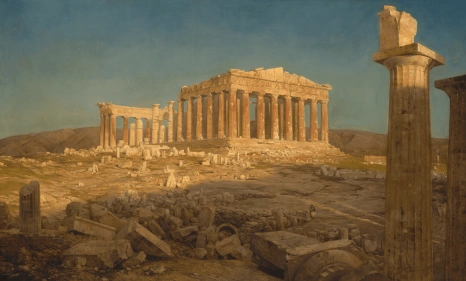
The Parthenon in a classical landscape

The Temple

Temple of Zeus

The Temple
Temple of Zeus: Welcome

The welcome to the Temple of Zeus and Zevism: the Ancient faith behind all Ancient religions, its Head God and His many names, the practices for opening the chakras, freedom of belief, the Gods restored to Their true Names, and Initiation as the first step.

Read
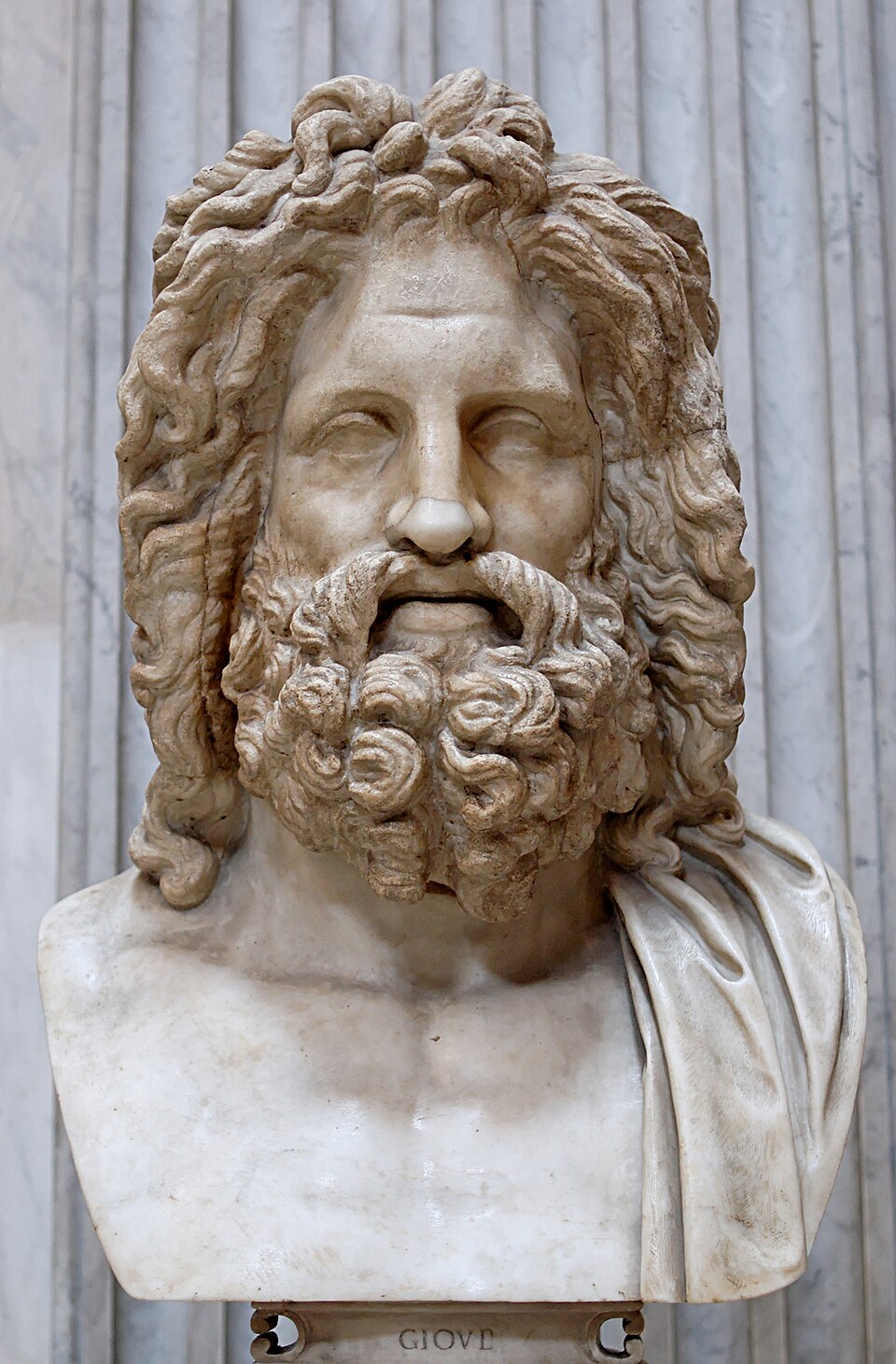
Marble bust of Zeus

The Gods

The Ancient Gods

The Gods
Our Eternal Head God: Zeus, Eternal Truth & His Identities

The Truth about Zeus: the original, eternal Head God of humanity worshipped across every civilization on Earth under many names.

Read
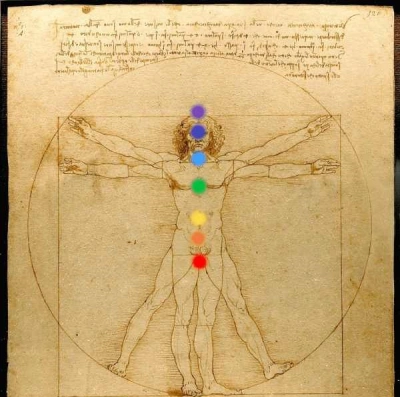
The human form with the seven chakras

Meditation

Meditation Information

Meditation
Meditation Information

Encyclopaedia of meditation: power meditation, awareness practices, chakras, energy work, and the path to spiritual advancement and siddhis.

Read
A priestess holding a bowl and sacred branch

Magick

Magick & Theurgy

Magick
Magick & Theurgy

Magick & Theurgy: the powers of the mind and soul, built on power meditation. The Magick Section holds the Chthonic Powers and the Theurgy Section the Heavenly Powers, each from Beginning to Advanced with Divination and Information; General Information, Knowing the Powers, serves both.

Read
Philosophers gathered in the School of Athens

Teachings

Our Doctrines

Teachings
The Doctrines of Zeus

Sacred texts and doctrines of the ancient world, Egyptian, Greek, Sanskrit, Babylonian, Norse, Roman, and Japanese spiritual writings.

Read
A gathering in a classical hall

Community

The Temple of Zeus Community

Community
Personalities

People who historically have done great acts, are recognized as Zevist personalities who evolved mankind.

Read

1 min read

THE ORPHIC HYMNS

author: High Priest Zevios Metathronos
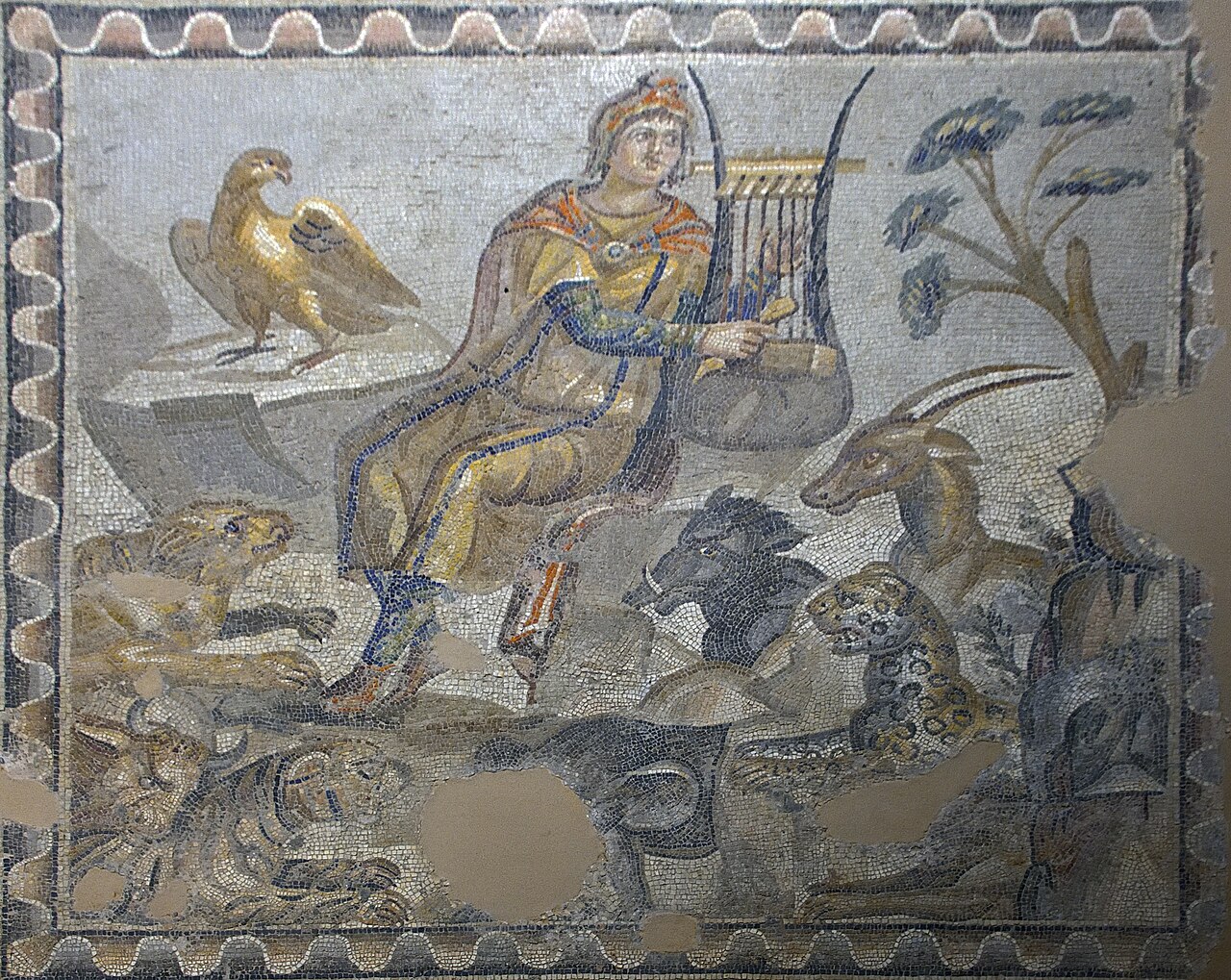
Roman mosaic of
        Orpheus
        charming animals with his lyre, Antakya Archaeological Museum
Roman mosaic of Orpheus charming animals with his lyre, Antakya Archaeological Museum

Ὀρφικοὶ Ὕμνοι 87 Hymns to the Gods

What It Is: A collection of 87 hymns addressed to individual Gods and cosmic powers, attributed to Orpheus. Composed in their current form during the late Hellenistic or early Imperial period (c. 200 BCE – 200 CE) but drawing on far older Orphic tradition. Each hymn invokes a specific God by their epithets, attributes, and cosmic functions. They were liturgical texts, designed to be performed with incense offerings during actual worship.

Why It Matters: This is the liturgical template of the ancient world. Every hymn is a compressed theology: it tells you who the God is, what domain they govern, what their relationship to the cosmos is, and what they can grant the worshipper. For the Zevist, these hymns are the closest surviving model of how the Gods were actually addressed in ritual; our Rituals today are in the same pattern but even more evolved. They are also theologically precise each epithet of the Gods carries existential weight.

What to Take From It: The structure of divine invocation. The principle that each God has a specific domain, specific epithets, and specific offerings. The practice of addressing the Gods directly, by name, with reverence and precision. Respectful language as key to contacting the Gods; never coercion. The Orphic Hymns are taken in serious consideration in Zevistic liturgy.

The Orphic Hymns are not poetry. They are operating instructions for communion with the Gods.