



TEMPLE OF ZEUS
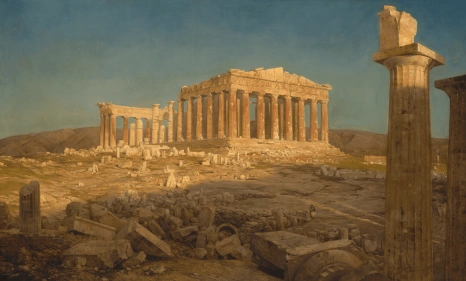
The Parthenon in a classical landscape

The Temple

Temple of Zeus

The Temple
Temple of Zeus: Welcome

The welcome to the Temple of Zeus and Zevism: the Ancient faith behind all Ancient religions, its Head God and His many names, the practices for opening the chakras, freedom of belief, the Gods restored to Their true Names, and Initiation as the first step.

Read
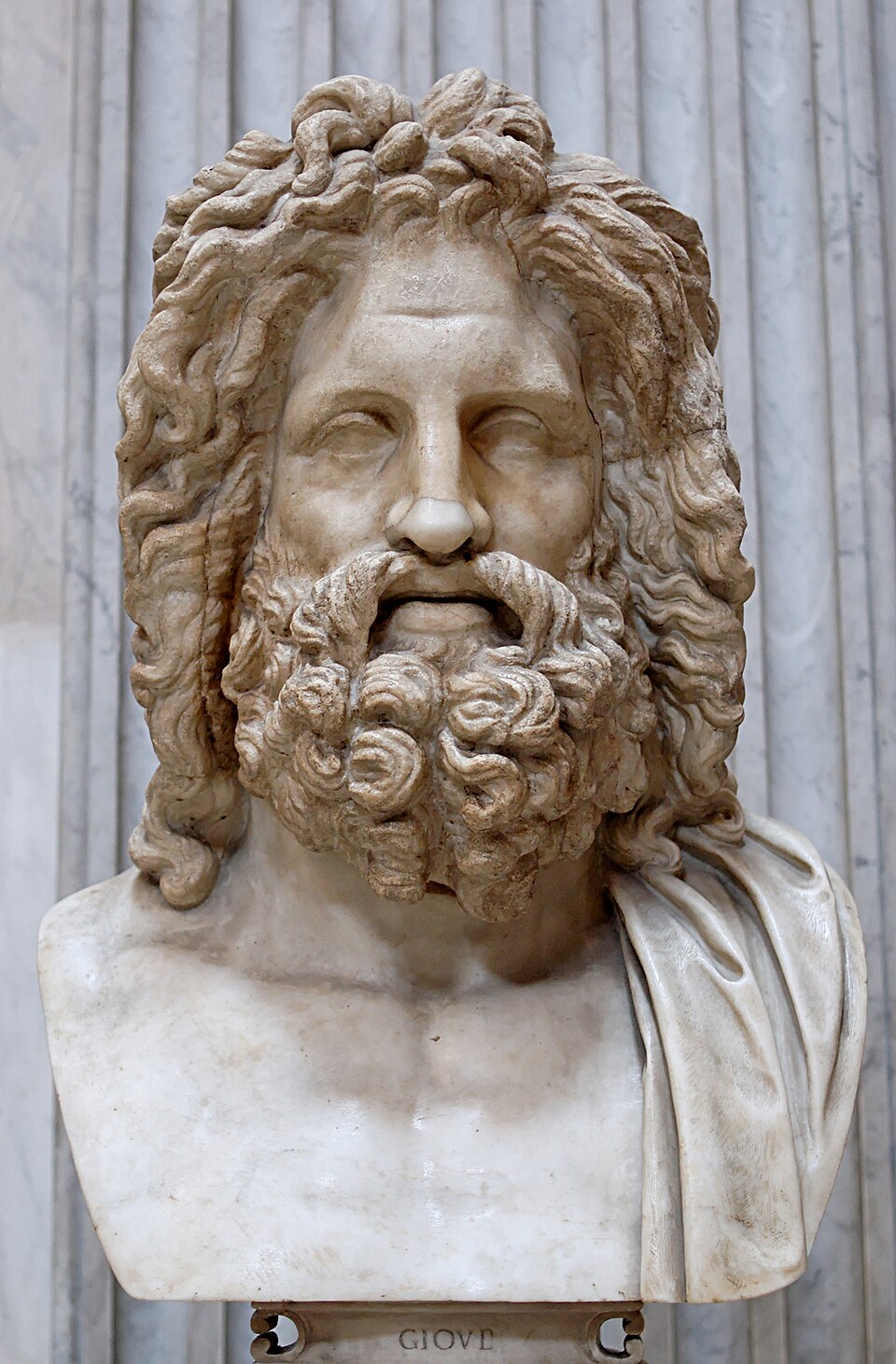
Marble bust of Zeus

The Gods

The Ancient Gods

The Gods
Our Eternal Head God: Zeus, Eternal Truth & His Identities

The Truth about Zeus: the original, eternal Head God of humanity worshipped across every civilization on Earth under many names.

Read
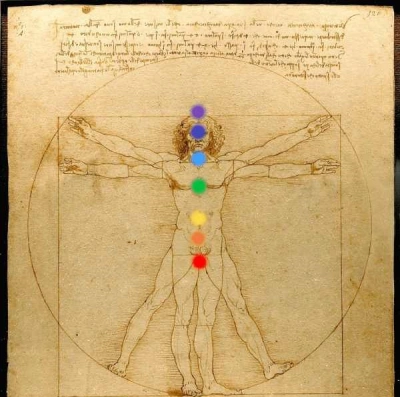
The human form with the seven chakras

Meditation

Meditation Information

Meditation
Meditation Information

Encyclopaedia of meditation: power meditation, awareness practices, chakras, energy work, and the path to spiritual advancement and siddhis.

Read
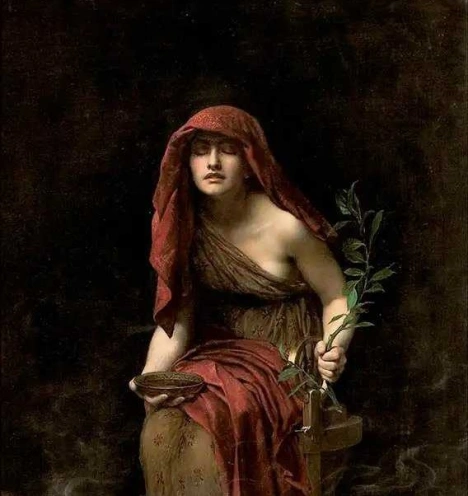
A priestess holding a bowl and sacred branch

Magick

Magick & Theurgy

Magick
Magick & Theurgy

Magick & Theurgy: the powers of the mind and soul, built on power meditation. The Magick Section holds the Chthonic Powers and the Theurgy Section the Heavenly Powers, each from Beginning to Advanced with Divination and Information; General Information, Knowing the Powers, serves both.

Read
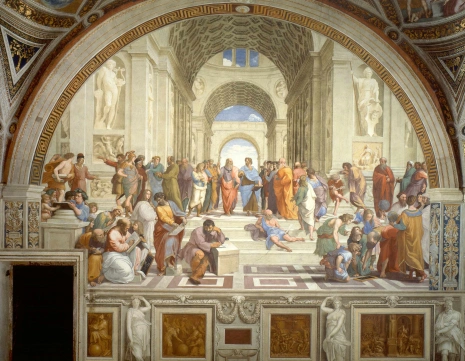
Philosophers gathered in the School of Athens

Teachings

Our Doctrines

Teachings
The Doctrines of Zeus

Sacred texts and doctrines of the ancient world, Egyptian, Greek, Sanskrit, Babylonian, Norse, Roman, and Japanese spiritual writings.

Read
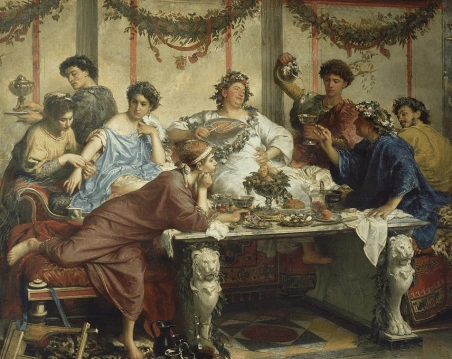
A gathering in a classical hall

Community

The Temple of Zeus Community

Community
Personalities

People who historically have done great acts, are recognized as Zevist personalities who evolved mankind.

Read

1 min read

THE QU'RET AL-YEZID

author: High Priest Zevios Metathronos
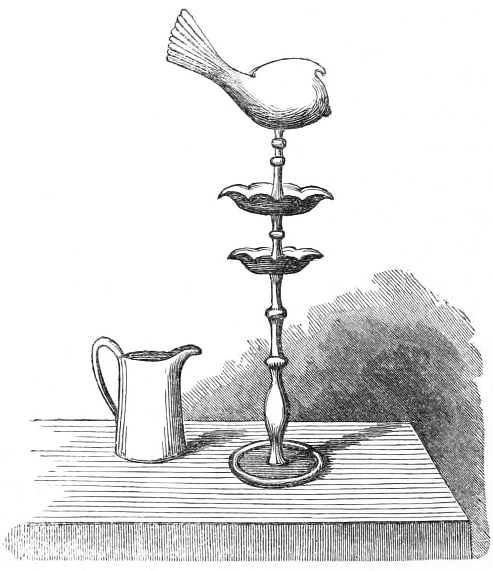
Melek Taus, the 
        Peacock Angel,
         19th century engraving
Melek Taus, the Peacock Angel, 19th century engraving

Yezidi Sacred Hymn

What It Is: A hymn attributed to Melek Taus in the Yezidi tradition, in which the divine being describes His nature, His fall (or apparent fall), and His defiance of unjust authority. The text presents a God who refused to submit to a lesser decree and who was condemned for His refusal; but who maintains His integrity, His sovereignty, and His love for those who remain loyal.

Why It Matters: This text encodes the central myth of the demonized God: a divine being who is condemned by the narratives of His enemies but who never ceased to be what He always was. The Zevist recognizes in this the story of every ancient God who was demonized by the Abrahamic programme: condemned in name, unchanged in nature. The Qu'ret Al-Yezid is the voice of that unchanged nature, speaking through the vocabulary of the captivity.

What to Take From It: To defy an unjust authority is to preserve one's integrity, not to rebel. The Gods were called demons, but they did not become demons. The inversion was in the naming, not in the nature. The Qu'ret Al-Yezid teaches the Zevist that the truth of the Gods survived every attempt to destroy it.

They renamed Him. They defamed Him. He remained. The Qu'ret Al-Yezid is the testimony of a God who never changed, spoken in the language of those who tried to change Him.