



TEMPLE OF ZEUS
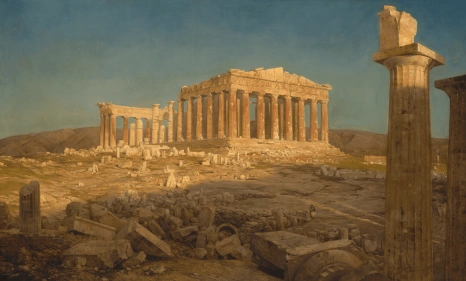
The Parthenon in a classical landscape

The Temple

Temple of Zeus

The Temple
Temple of Zeus: Welcome

The welcome to the Temple of Zeus and Zevism: the Ancient faith behind all Ancient religions, its Head God and His many names, the practices for opening the chakras, freedom of belief, the Gods restored to Their true Names, and Initiation as the first step.

Read
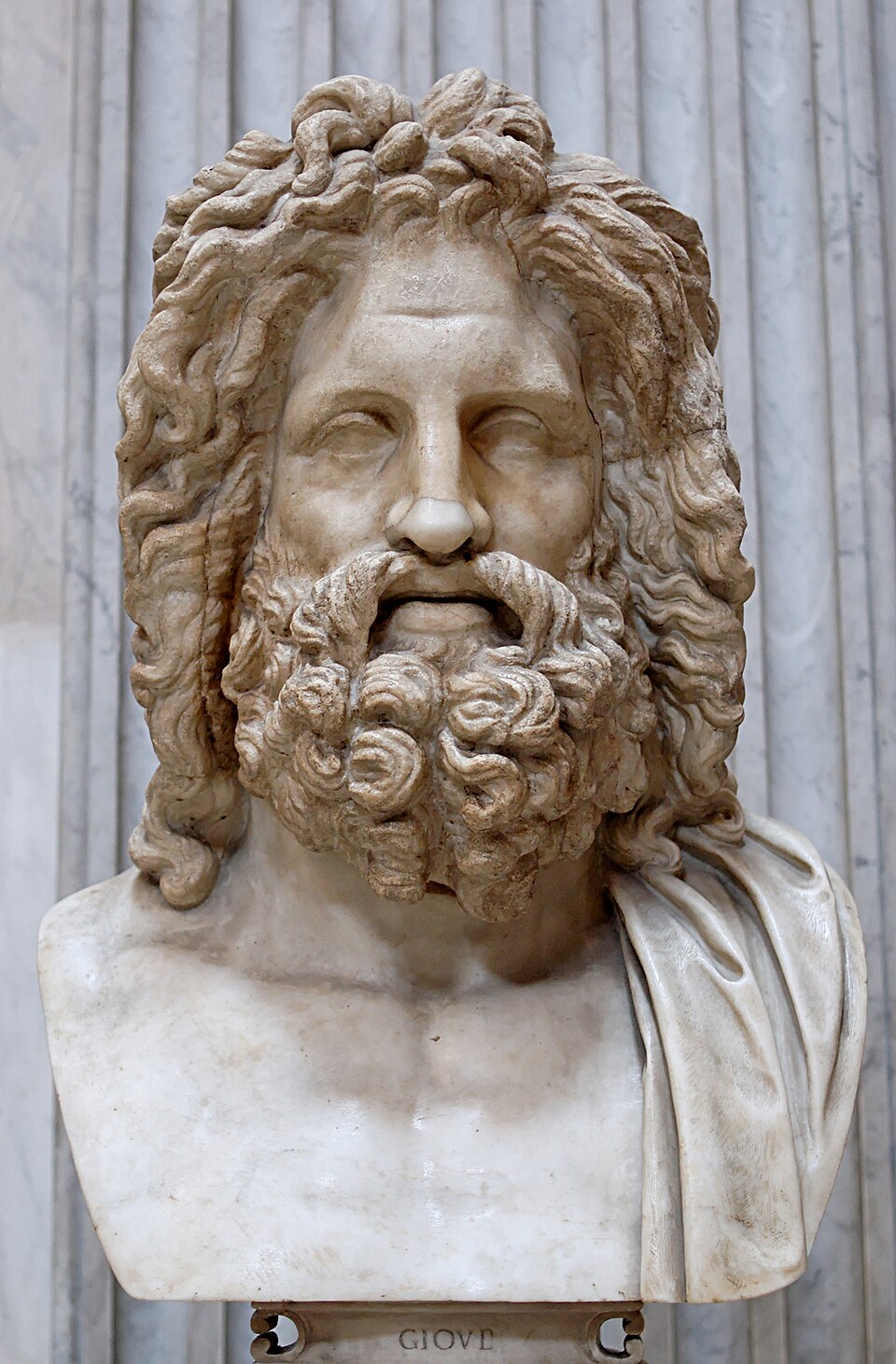
Marble bust of Zeus

The Gods

The Ancient Gods

The Gods
Our Eternal Head God: Zeus, Eternal Truth & His Identities

The Truth about Zeus: the original, eternal Head God of humanity worshipped across every civilization on Earth under many names.

Read
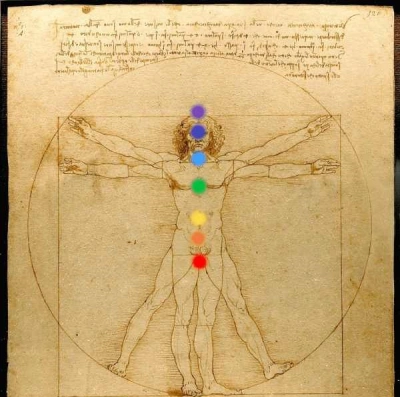
The human form with the seven chakras

Meditation

Meditation Information

Meditation
Meditation Information

Encyclopaedia of meditation: power meditation, awareness practices, chakras, energy work, and the path to spiritual advancement and siddhis.

Read
A priestess holding a bowl and sacred branch

Magick

Magick & Theurgy

Magick
Magick & Theurgy

Magick & Theurgy: the powers of the mind and soul, built on power meditation. The Magick Section holds the Chthonic Powers and the Theurgy Section the Heavenly Powers, each from Beginning to Advanced with Divination and Information; General Information, Knowing the Powers, serves both.

Read
Philosophers gathered in the School of Athens

Teachings

Our Doctrines

Teachings
The Doctrines of Zeus

Sacred texts and doctrines of the ancient world, Egyptian, Greek, Sanskrit, Babylonian, Norse, Roman, and Japanese spiritual writings.

Read
A gathering in a classical hall

Community

The Temple of Zeus Community

Community
Personalities

People who historically have done great acts, are recognized as Zevist personalities who evolved mankind.

Read

1 min read

THE THEOGONY

author: High Priest Zevios Metathronos
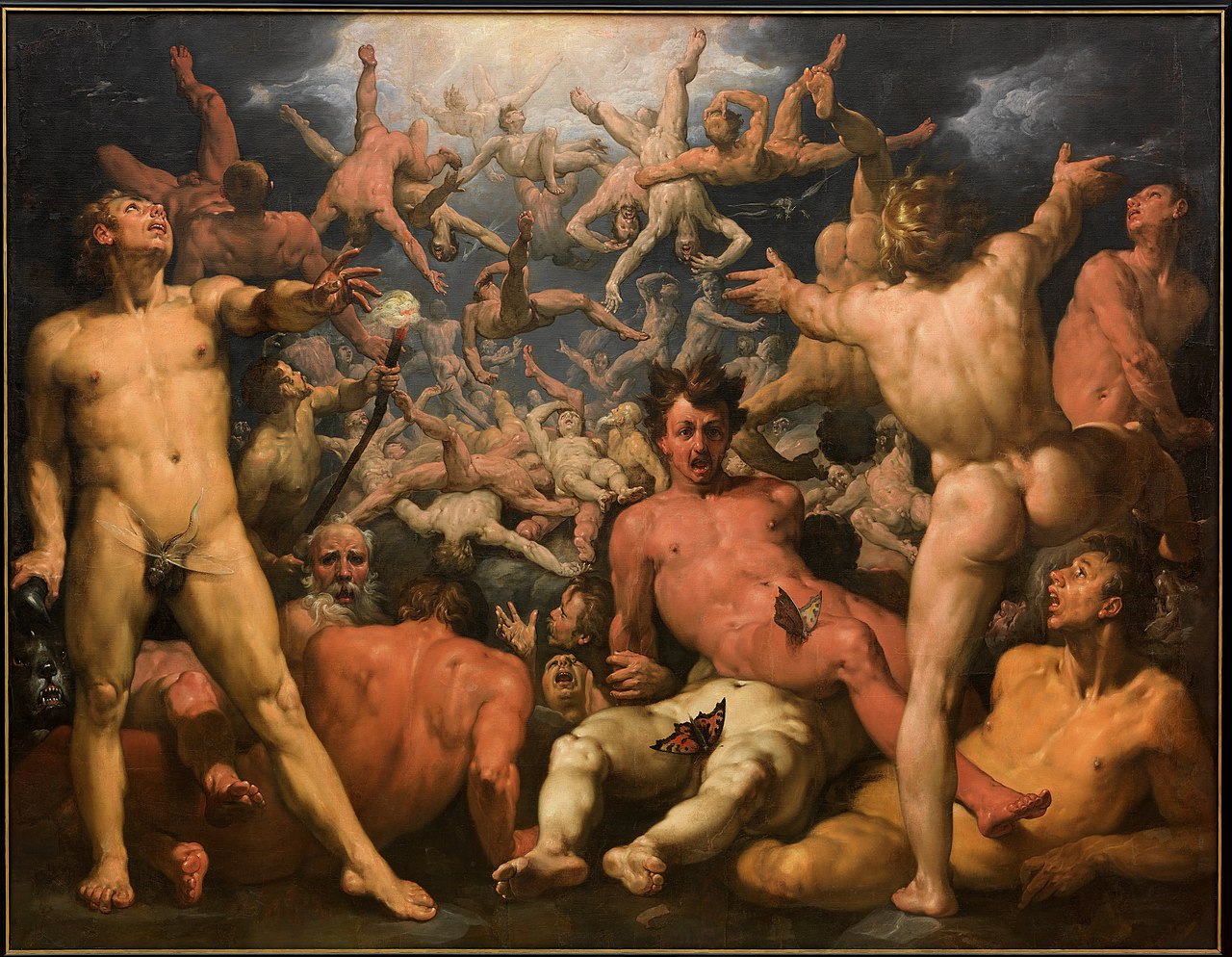
The Fall of the Titans by
         Cornelis 
        Cornelisz. van Haarlem, 1588
The Fall of the Titans, Cornelis Cornelisz. van Haarlem, 1588

Ἡσίοδος Hesiod (c. 700 BCE)

What It Is: The foundational cosmogonic poem of the Greek tradition. It narrates the origin of the cosmos from Chaos, the birth of the first divine beings (Gaia, Tartaros, Eros, Erebos, Nyx), the successive generations of Gods (Titans, Olympians), and the establishment of Zeus's cosmic sovereignty through the Titanomachy and the defeat of Typhon.

Why It Matters: This is the Greek equivalent of the Enuma Elish: the story of how the cosmos was organized and who rules it. It establishes Zeus as the sovereign of the cosmos not by arbitrary decree but by victory, intelligence, and the counsel of the older powers. It teaches that cosmic order is achieved, not given that sovereignty must be earned and maintained. It also establishes the genealogical relationships between the Gods, which are theologically significant: they describe the structure of reality itself.

What to Take From It: The cosmos emerged from Chaos and was organized into order by successive generations of divine power. Zeus's sovereignty is earned, not assumed. The genealogy of the Gods is the genealogy of cosmic principles. Order is not the default state it is the achievement of divine will.

From Chaos, Order. From the many, the One who governs the many. This is the Theogony: the birth of the Gods is the architecture of reality.