
 አማርኛ
አማርኛ العربية
 বাংলা
বাংলা Български
 中文
中文 Čeština
 Dansk
Dansk Deutsch
 Eesti
Eesti Ελληνικά
 Español
 Français
 हिन्दी
 Hrvatski
 IsiZulu
 Italiano
 日本語
日本語 Kiswahili
 Magyar
 Македонски
 नेपाली
 Nederlands
 فارسی
فارسی Polski
 Português
 Română
 Русский
 Slovenščina
 Suomi
Suomi Svenska
 Tagalog
 Türkçe
ON THE GODS AND THE COSMOS
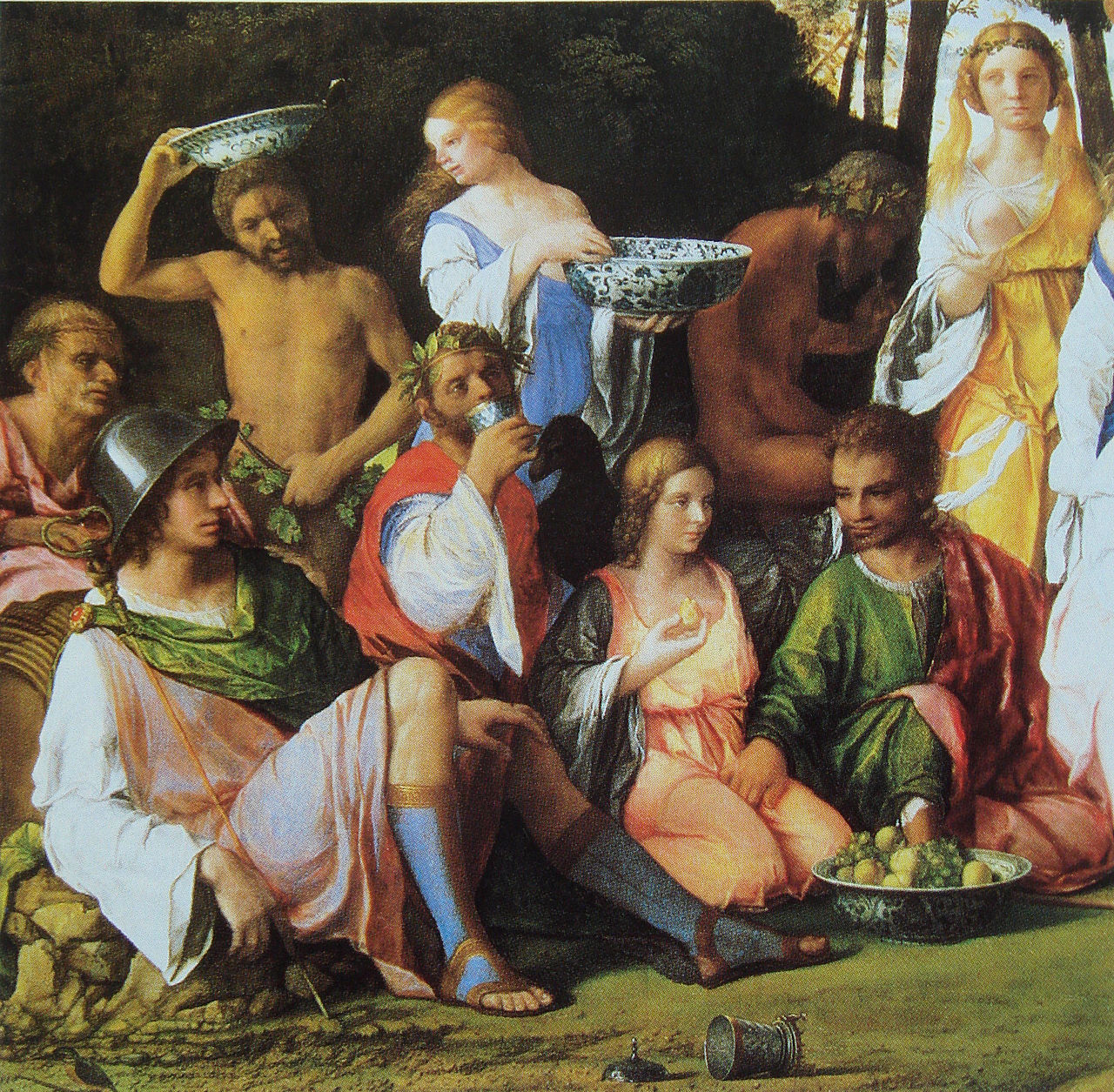
Sallustius Σαλλούστιος Περὶ Θεῶν καὶ Κόσμου (c. 362 CE)
What It Is: A short treatise approximately twenty pages written by Sallustius, a close companion of the Emperor Julian, summarising the essential theology of Hellenic polytheism. It covers the nature of the Gods, the purpose of myths, the creation of the cosmos, divine providence, the nature of the soul, the meaning of sacrifice, and the theological errors of atheists and monotheists. It was almost certainly written as a catechism for Julian’s attempted restoration of traditional religion a compact, portable summary of everything a returning pagan needed to know.
Why It Matters: This is the shortest, clearest, and most systematic summary of pagan theology ever written. In twenty pages, Sallustius accomplishes what most traditions require entire libraries to express. He explains why the Gods are real, why myths are true without being literal, why the cosmos is eternal, why evil exists, and why the soul reincarnates. His treatment of myth is particularly valuable: myths, he argues, are not primitive attempts at science (the modern prejudice) nor literal histories (the fundamentalist error). They are symbolic expressions of eternal truths, designed to communicate through image what cannot be communicated through argument alone. This understanding of myth as operative theology not folklore, not entertainment is foundational to the Zevistic reading of every sacred text in this collection.
Sallustius’s treatment of evil is equally precise. Evil is not a substance, not a cosmic force, not a rival deity. It is a privation the absence of good, the failure of alignment with the divine order. This is identical to the Zevistic understanding of Izfet: not a positive power but a deficit, a disorder, a failure of Ma’at. There is no “God of Evil” in Sallustius’s cosmos, just as there is no God of Evil in Zevism. There is only the order of the Gods and the failure to participate in it.
What to Take From It: The Gods are unchanging, eternal, and good. Myths are not literal narratives but symbolic encodings of eternal truths. The cosmos was not created in time it is eternally generated by the Gods. Evil is not a substance but a privation. The soul chooses its incarnations according to cosmic law. Sacrifice is not bribery of the Gods it is alignment of the human with the divine. For any Zevist who wants the essential theology in compressed form, this is the text to read first.
The best introduction to the theology of the Gods ever written. Read it first. Read it again. Carry it. Twenty pages that contain more truth than the entire Abrahamic library.