
 አማርኛ
አማርኛ العربية
 বাংলা
বাংলা Български
 中文
中文 Čeština
 Dansk
Dansk Deutsch
 Eesti
Eesti Ελληνικά
 Español
 Français
 हिन्दी
 Hrvatski
 IsiZulu
 Italiano
 日本語
日本語 Kiswahili
 Magyar
 Македонски
 नेपाली
 Nederlands
 فارسی
فارسی Polski
 Português
 Română
 Русский
 Slovenščina
 Suomi
Suomi Svenska
 Tagalog
 Türkçe
ON THE NATURE OF THE GODS
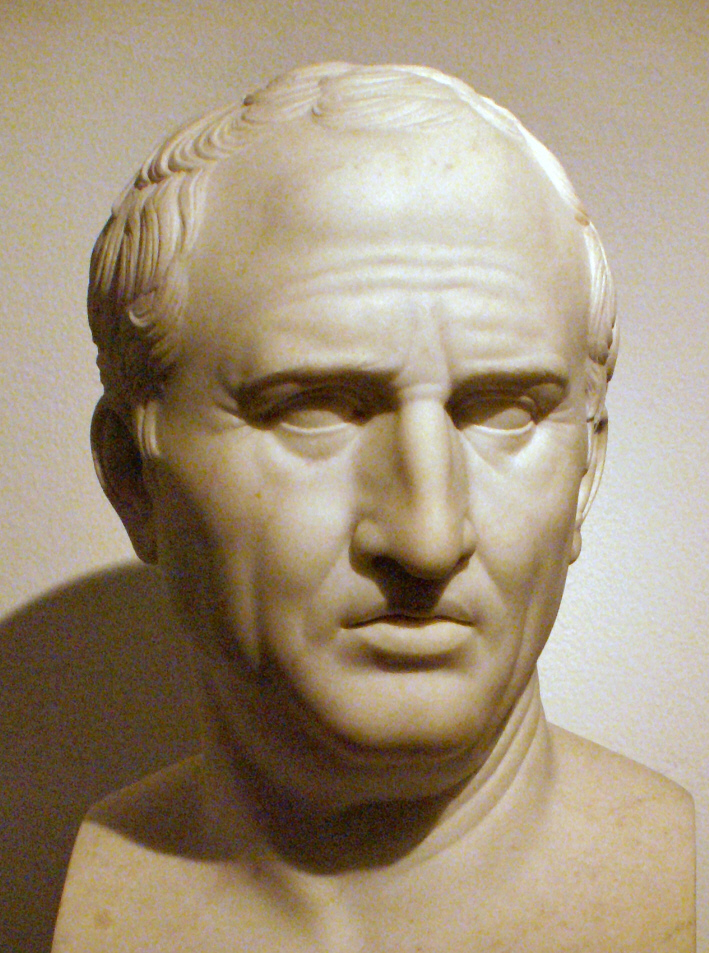
Marcus Tullius Cicero De Natura Deorum (45 BCE) 3 Books
What It Is: A philosophical dialogue in three books presenting the competing Roman views on the nature of the Gods. Book I presents the Epicurean position (the Gods exist but are indifferent to humanity). Book II presents the Stoic position (the Gods are the rational governing powers of the cosmos, actively providential). Book III presents the Academic Sceptic critique of both. The dialogue takes place in the villa of Gaius Cotta and features some of the most distinguished Roman intellectuals of the late Republic.
Why It Matters: De Natura Deorum is the most systematic surviving treatment of pagan theology from the Roman world. It demonstrates that the ancients did not simply “believe in” the Gods in the naive sense that modern atheists imagine they argued about the nature of the Gods with the same rigour that modern philosophers bring to questions of metaphysics. The Stoic position presented in Book II that the cosmos is a rational, living, providential whole governed by divine intelligence is essentially the theological foundation of Zevism. The Stoic argument from design (that the order of the cosmos implies a governing mind) is not the crude “watchmaker” argument of Christian apologetics; it is a sophisticated philosophical case that the universe exhibits the characteristics of a living, thinking being, and that this being is what the tradition calls Zeus.
Cicero himself speaks through the character of Cotta, the Academic Sceptic, who challenges both the Epicurean and Stoic positions. But the dialogue’s structure gives the Stoic case by far the most space and the most persuasive arguments. Cicero, the consummate Roman, preserves for posterity the intellectual architecture of a theology that Christianity would spend centuries trying to destroy. De Natura Deorum is proof that the ancient world possessed a philosophical theology as rigorous as anything the Abrahamic traditions have produced and more honest, because it invited critique rather than punishing it.
What to Take From It: The Gods are not irrational superstitions; they are the rational governing powers of the cosmos. The Stoic theology a living, providential, intelligent cosmos is the philosophical foundation of Zevism. The ancients debated the nature of the divine with sophistication and honesty. Theology that forbids questioning is not theology but tyranny. The Zevist reads Cicero to understand that the philosophical case for the Gods is not weak but overwhelming it was suppressed, not refuted.
The Romans did not worship blindly. They argued, debated, and examined the nature of the divine with philosophical precision. De Natura Deorum preserves the intellectual foundation that Yehubor buried. The arguments were never answered. They were simply forbidden.