
 አማርኛ
አማርኛ العربية
 বাংলা
বাংলা Български
 中文
中文 Čeština
 Dansk
Dansk Deutsch
 Eesti
Eesti Ελληνικά
 Español
 Français
 हिन्दी
 Hrvatski
 IsiZulu
 Italiano
 日本語
日本語 Kiswahili
 Magyar
 Македонски
 नेपाली
 Nederlands
 فارسی
فارسی Polski
 Português
 Română
 Русский
 Slovenščina
 Suomi
Suomi Svenska
 Tagalog
 Türkçe
THE AL JILWAH
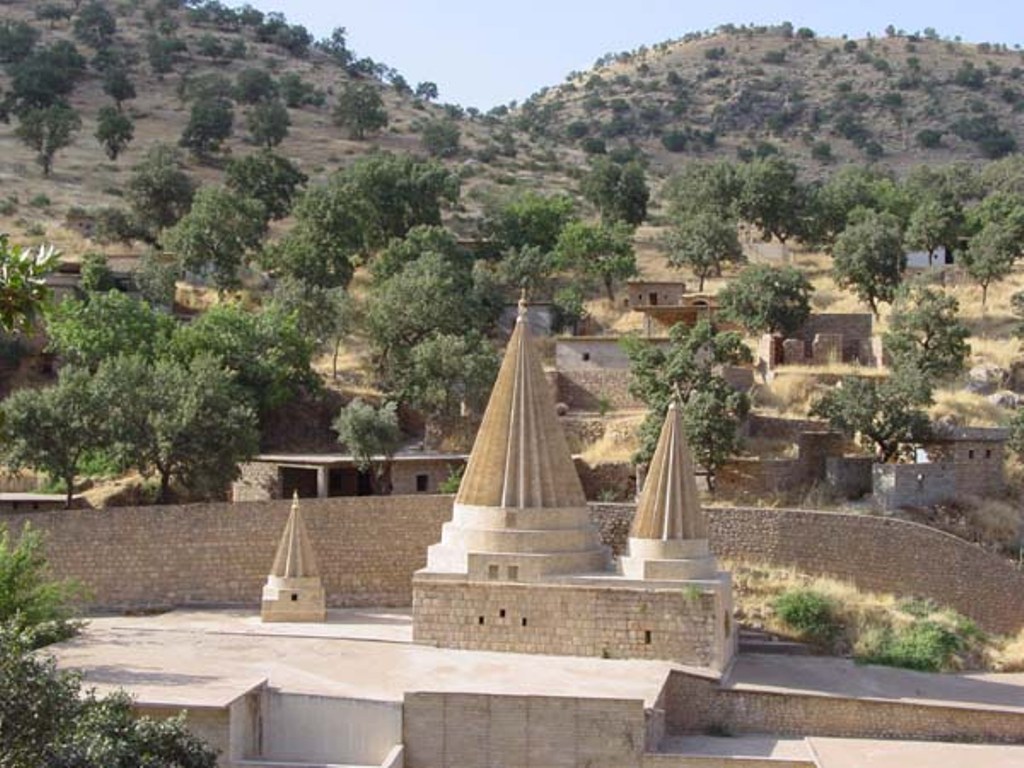
The Black Book — Kitêba Cilwe (Yezidi Tradition)
What It Is: A short sacred text of the Yezidi people, attributed to Melek Taus (the Peacock Angel), identified in the Zevic tradition with Zeus. It is a first-person declaration of divine sovereignty: the God speaks directly and declares His authority over all creation, His existence before all things, His governance of all events, and His refusal to be judged by any lesser authority. It is one of the very few surviving texts in which a God speaks in His own voice, without intermediary, without apology, and without qualification.
Why It Matters: The Al Jilwah is a text of absolute divine self-assertion. When the God says "I was, I am, and I will be," He speaks the same words that Atum speaks in the Pyramid Texts, that Krishna speaks in the Bhagavad Gita, and that Zeus embodies in the Orphic Fragments. The theological content is universal, the names are those of the captivity. The Yezidi people preserved this text through centuries of persecution, at the cost of blood. That preservation is honored.
What to Take From It: The God does not ask for permission to exist. He does not negotiate His authority. He does not explain Himself to those who deny Him. This is the voice of divine sovereignty, and it sounds the same in every language and every tradition. The Zevist reads the Al Jilwah as a declaration of the God who would later be called by His true name: Zeus.
"I was, I am, and I shall have no end."The God speaks. The names change. The voice does not.