 አማርኛ
አማርኛ العربية
 বাংলা
বাংলা Български
 中文
中文 Čeština
 Dansk
Dansk Deutsch
 Eesti
Eesti Ελληνικά
 Español
 Français
 हिन्दी
 Hrvatski
 IsiZulu
 Italiano
 日本語
日本語 Kiswahili
 Magyar
 Македонски
 नेपाली
 Nederlands
 فارسی
فارسی Polski
 Português
 Română
 Русский
 Slovenščina
 Suomi
Suomi Svenska
 Tagalog
 Türkçe
THE HOMERIC HYMNS
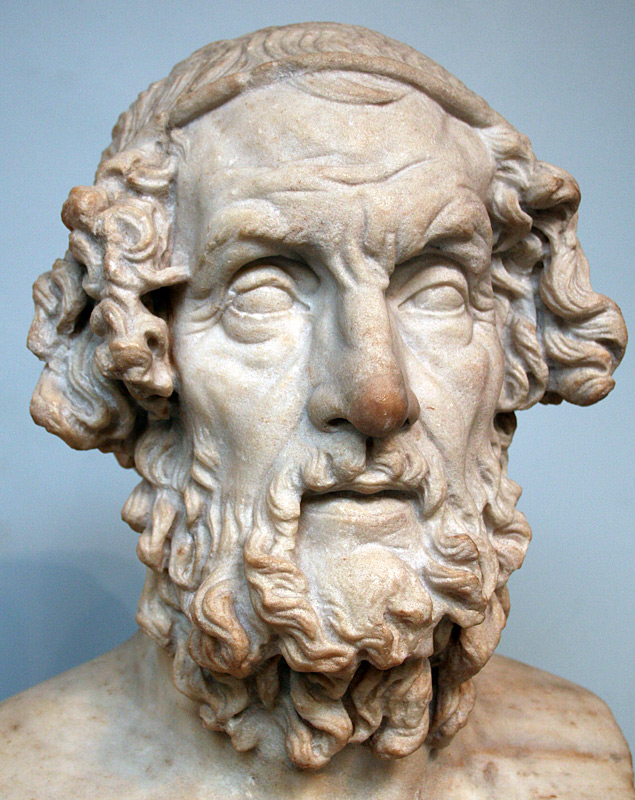
Ὁμηρικοὶ Ὕμνοι 33 Hymns
What It Is: Thirty-three hymns to the Olympian Gods and other divine powers, attributed by tradition to Homer. The longer hymns (to Demeter, Apollo, Hermes, Aphrodite) are extended narrative poems that tell the sacred myths of each God's birth, deeds, and establishment of cult. The shorter hymns are invocations. Composed between the 7th and 5th centuries BCE.
Why It Matters: These are the poetic theology of Hellas. Where the Orphic Hymns give the liturgical formula, the Homeric Hymns give the sacred narrative the stories that explain why each God is worshipped, what they did, and what they mean. The Hymn to Demeter contains the theology of death and rebirth (the Eleusinian Mysteries). The Hymn to Hermes contains the theology of divine intelligence and sacred trickery. The Hymn to Apollo contains the theology of prophecy and cosmic order.
What to Take From It: The mythology of the Gods is not entertainment. It is encoded theology and spiritual knowledge; it’s not literal. Each myth carries spiritual instructions and meanings. The Homeric Hymns teach the Zevist to read myth as theology, not as folklore.
"Of Zeus I will sing, chiefest among the Gods and greatest, all-seeing, the Lord of all, the Fulfiller."Homeric Hymn XXIII