
 አማርኛ
አማርኛ العربية
 বাংলা
বাংলা Български
 中文
中文 Čeština
 Dansk
Dansk Deutsch
 Eesti
Eesti Ελληνικά
 Español
 Français
 हिन्दी
 Hrvatski
 IsiZulu
 Italiano
 日本語
日本語 Kiswahili
 Magyar
 Македонски
 नेपाली
 Nederlands
 فارسی
فارسی Polski
 Português
 Română
 Русский
 Slovenščina
 Suomi
Suomi Svenska
 Tagalog
 Türkçe
THE MORAL LETTERS
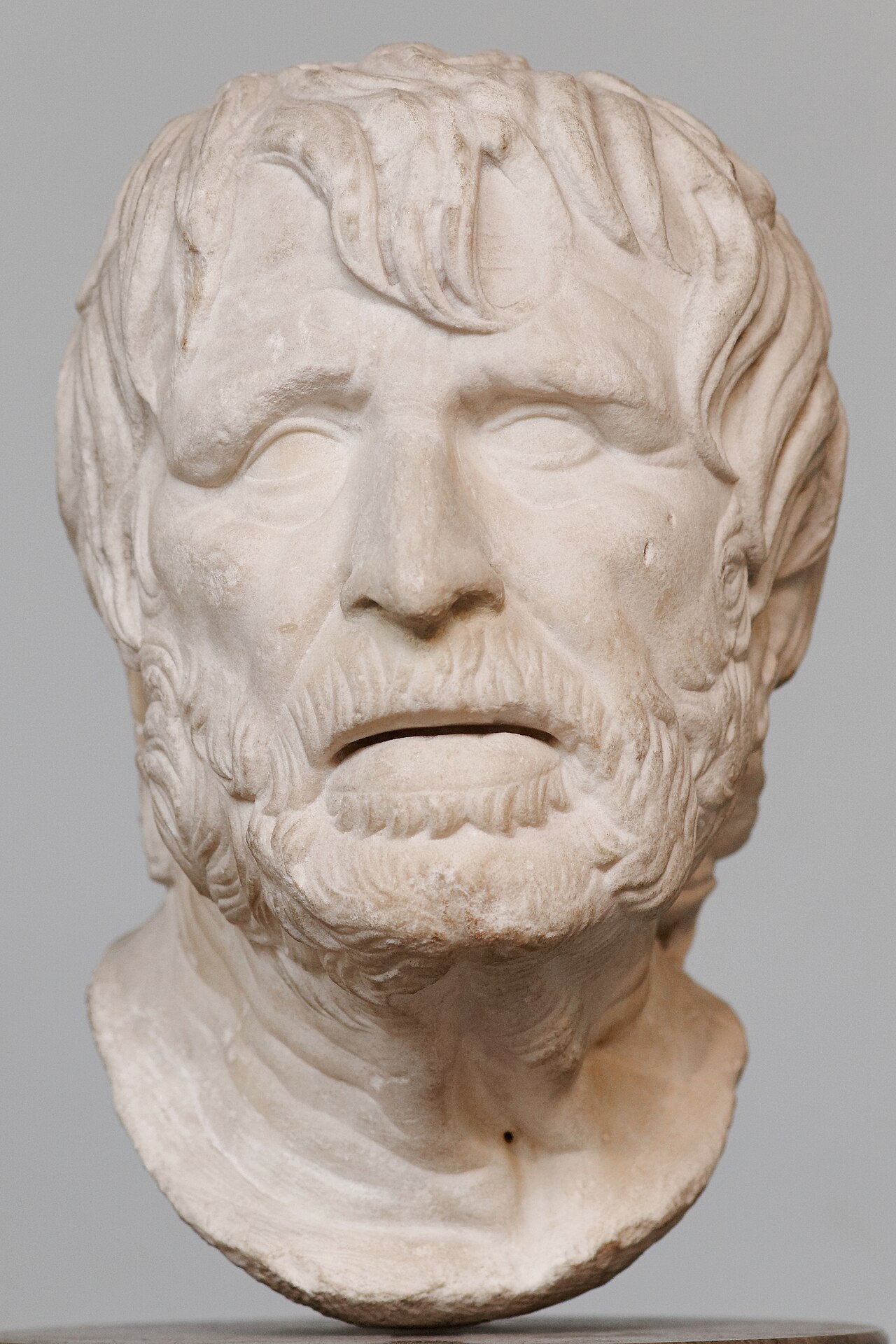
Lucius Annaeus Seneca Epistulae Morales ad Lucilium (c. 63–65 CE) 124 Letters
What It Is: A collection of 124 letters from the Stoic philosopher Seneca to his friend Lucilius, covering the entire range of Stoic ethics in practical, conversational form. They address anger, grief, fear, wealth, poverty, friendship, time, death, the proper use of adversity, and the cultivation of the philosophical life. Written in Seneca’s final years, after his retirement from Nero’s court, they represent the distillation of a lifetime of philosophical practice under conditions of extreme political danger.
Why It Matters: Seneca writes philosophy for people who live in the world not for monks, not for hermits, not for those who have the luxury of withdrawing from responsibility. His addressee Lucilius is a provincial governor: a man who makes decisions, manages money, navigates power, and faces death. Seneca’s ethics are designed for this man and therefore for the Zevist, who does not retreat from the world but engages it. The Letters are the most accessible entry point into Stoic ethics in the Roman tradition: each one is short, focused, and immediately applicable.
Seneca’s central teaching is the discipline of time. Life, he argues, is not short we make it short by wasting it on things that do not matter. The fear of death is not a fear of something terrible but a fear of something natural and that fear is itself the real death, because it prevents us from living. Wealth is not evil, but attachment to wealth is slavery. Adversity is not punishment; it is training. Every hardship is a gymnasium for the soul. These are not abstractions for Seneca he wrote them while living under a tyrant who would eventually order his death. He practised what he preached, and he died accordingly: opening his veins in his bath, dictating philosophy to the end.
What to Take From It: Time is the only true possession; waste none of it. Adversity is training, not punishment. The fear of death is more destructive than death itself. Philosophy is not a subject of study but a mode of life. Wealth and power are tools, not goals. The sage is not the man who knows everything but the man who has mastered himself. Seneca teaches the Zevist the art of living well under conditions of Izfet and dying well when the time comes.
It is not that we have a short time to live, but that we waste a great deal of it. Seneca teaches what Ma’at demands: that every moment is weighed, and the soul that squanders its time has squandered its life.