
 አማርኛ
አማርኛ العربية
 বাংলা
বাংলা Български
 中文
中文 Čeština
 Dansk
Dansk Deutsch
 Eesti
Eesti Ελληνικά
 Español
 Français
 हिन्दी
 Hrvatski
 IsiZulu
 Italiano
 日本語
日本語 Kiswahili
 Magyar
 Македонски
 नेपाली
 Nederlands
 فارسی
فارسی Polski
 Português
 Română
 Русский
 Slovenščina
 Suomi
Suomi Svenska
 Tagalog
 Türkçe
THE NORITO
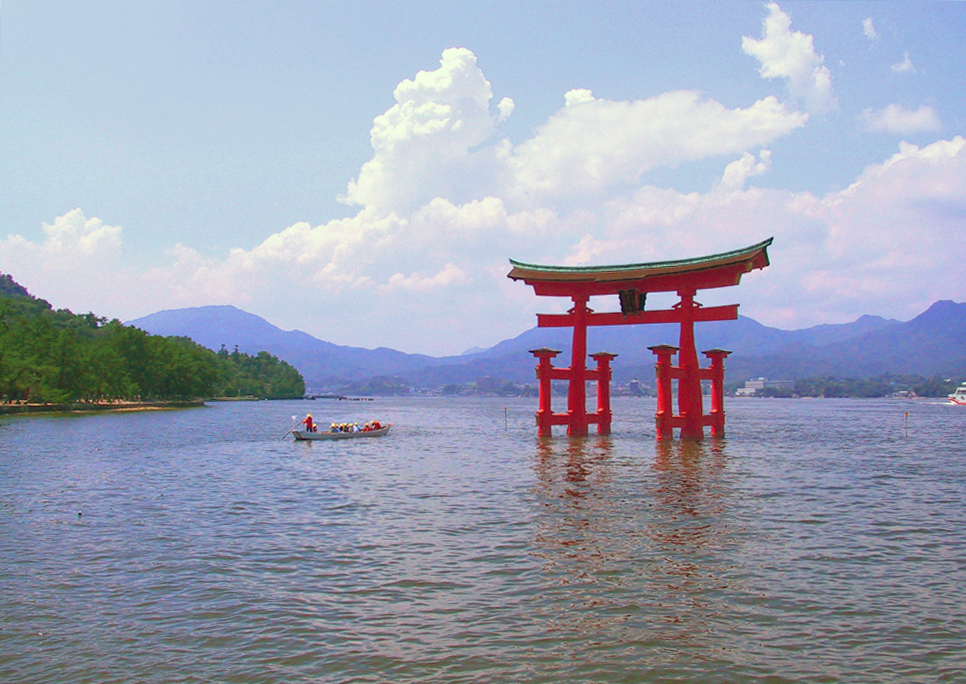
祝詞 Ritual Prayers of the Shinto Tradition (compiled in Engishiki, 927 CE; recording far older liturgy)
What It Is: The official liturgical prayers of Shinto, preserved in the Engishiki (Procedures of the Engi Era), a tenth-century compendium of ceremonial regulations. The Norito are the words spoken by priests during the great purification ceremonies (Oharae), harvest festivals (Niiname-sai), and other state rituals. The two most important are the Ōharae no Kotoba (Great Purification Prayer), recited twice yearly to cleanse the entire nation of accumulated pollution (tsumi/kegare), and the Norito for the Toshigoi no Matsuri (Prayer for the Harvest), invoking the kami of fields, rivers, and winds for agricultural abundance. They are composed in archaic Japanese and follow a formulaic structure of invocation, narrative, petition, and closing.
Why It Matters: The Norito are to Shinto what the Orphic Hymns are to the Hellenic tradition: the liturgical core, the actual words spoken in the presence of the Gods during formal worship. They are operating instructions for communion with the kami, and their structure reveals the same principles found in every authentic liturgical tradition: the naming of the God by epithet and domain, the recitation of the God’s deeds and attributes, the declaration of the worshipper’s intention, and the petition for blessing. The principle of ritual purity (harae) that underlies the Norito is identical in function to the Egyptian concept of Ma’at as the precondition for approaching the divine: you cannot stand before the Gods in a state of disorder. The soul must be purified before it can receive.
The Great Purification Prayer is theologically extraordinary. It describes how the accumulated sins and pollutions of the nation are gathered, passed downstream through rivers to the sea, and there consumed by a chain of divine beings: Seoritsu-hime (the Goddess of rapids who sweeps them to the sea), Hayaakitsu-hime (the Goddess who swallows them in the open ocean), Ibukido-nushi (the God who blows them to the underworld), and Hayasasura-hime (the Goddess who disperses them in the underworld so thoroughly that they cease to exist). This is not metaphor. It is a systematic theological description of the mechanism of cosmic purification the process by which Izfet is identified, collected, transmitted through a chain of divine agents, and dissolved into non-being. The Zevist recognises in this the same operative theology that underlies Egyptian purification rituals, Greek katharsis, and the theurgical cleansing described in the Chaldean Oracles.
What to Take From It: Liturgical prayer is operative, not decorative. The words spoken in ritual are technologies of purification. Accumulated spiritual pollution must be systematically identified, collected, and dissolved through divine agency. The Norito teach the Zevist that the mechanism of purification is the same in Japan as in Egypt, Greece, and Babylon: the cosmos provides a chain of divine agents whose function is the dissolution of Izfet. The practitioner’s role is to invoke the chain correctly.
The Norito are the Japanese Orphic Hymns: the words spoken in the presence of the Gods during formal worship. They are not poetry. They are technology. The mechanism of purification they describe is identical to every other authentic tradition: Izfet is gathered, transmitted, and dissolved by the Gods.