
 አማርኛ
አማርኛ العربية
 বাংলা
বাংলা Български
 中文
中文 Čeština
 Dansk
Dansk Deutsch
 Eesti
Eesti Ελληνικά
 Español
 Français
 हिन्दी
 Hrvatski
 IsiZulu
 Italiano
 日本語
日本語 Kiswahili
 Magyar
 Македонски
 नेपाली
 Nederlands
 فارسی
فارسی Polski
 Português
 Română
 Русский
 Slovenščina
 Suomi
Suomi Svenska
 Tagalog
 Türkçe
THE ORPHIC HYMNS
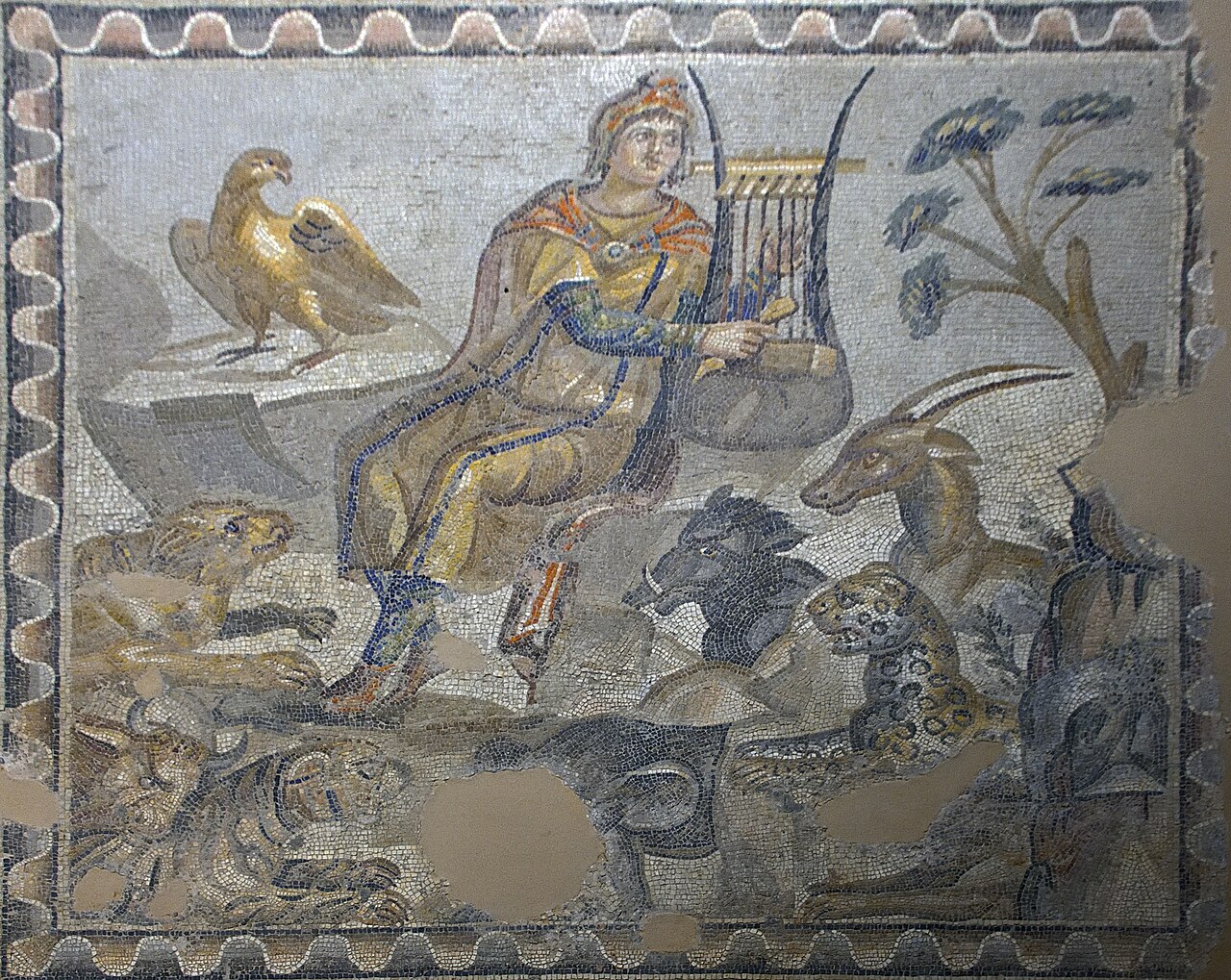
Ὀρφικοὶ Ὕμνοι 87 Hymns to the Gods
What It Is: A collection of 87 hymns addressed to individual Gods and cosmic powers, attributed to Orpheus. Composed in their current form during the late Hellenistic or early Imperial period (c. 200 BCE – 200 CE) but drawing on far older Orphic tradition. Each hymn invokes a specific God by their epithets, attributes, and cosmic functions. They were liturgical texts, designed to be performed with incense offerings during actual worship.
Why It Matters: This is the liturgical template of the ancient world. Every hymn is a compressed theology: it tells you who the God is, what domain they govern, what their relationship to the cosmos is, and what they can grant the worshipper. For the Zevist, these hymns are the closest surviving model of how the Gods were actually addressed in ritual; our Rituals today are in the same pattern but even more evolved. They are also theologically precise each epithet of the Gods carries existential weight.
What to Take From It: The structure of divine invocation. The principle that each God has a specific domain, specific epithets, and specific offerings. The practice of addressing the Gods directly, by name, with reverence and precision. Respectful language as key to contacting the Gods; never coercion. The Orphic Hymns are taken in serious consideration in Zevistic liturgy.
The Orphic Hymns are not poetry. They are operating instructions for communion with the Gods.