 አማርኛ
አማርኛ العربية
 বাংলা
বাংলা Български
 中文
中文 Čeština
 Dansk
Dansk Deutsch
 Eesti
Eesti Ελληνικά
 Español
 Français
 हिन्दी
 Hrvatski
 IsiZulu
 Italiano
 日本語
日本語 Kiswahili
 Magyar
 Македонски
 नेपाली
 Nederlands
 فارسی
فارسی Polski
 Português
 Română
 Русский
 Slovenščina
 Suomi
Suomi Svenska
 Tagalog
 Türkçe
THE THEOGONY
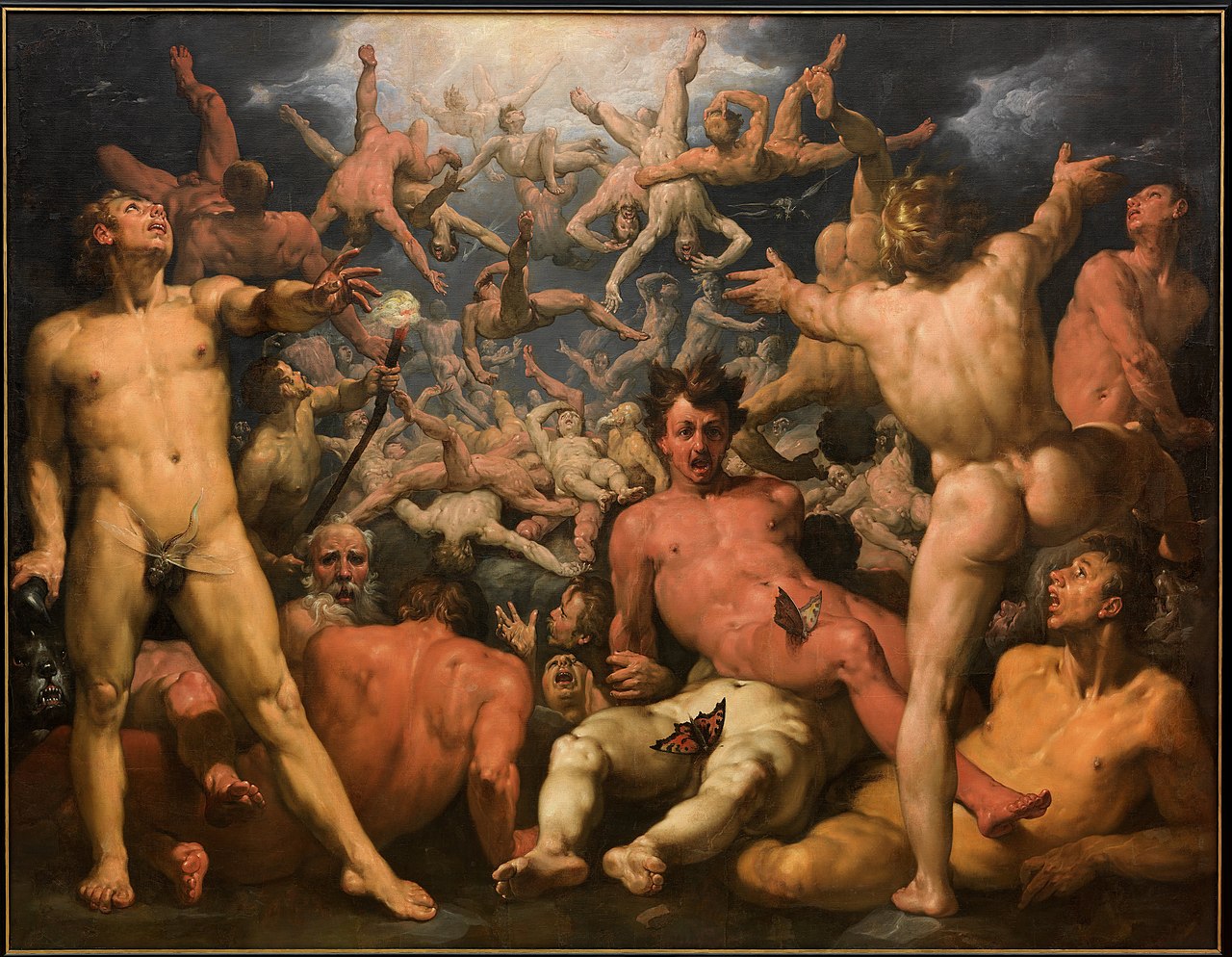
Ἡσίοδος Hesiod (c. 700 BCE)
What It Is: The foundational cosmogonic poem of the Greek tradition. It narrates the origin of the cosmos from Chaos, the birth of the first divine beings (Gaia, Tartaros, Eros, Erebos, Nyx), the successive generations of Gods (Titans, Olympians), and the establishment of Zeus's cosmic sovereignty through the Titanomachy and the defeat of Typhon.
Why It Matters: This is the Greek equivalent of the Enuma Elish: the story of how the cosmos was organized and who rules it. It establishes Zeus as the sovereign of the cosmos not by arbitrary decree but by victory, intelligence, and the counsel of the older powers. It teaches that cosmic order is achieved, not given that sovereignty must be earned and maintained. It also establishes the genealogical relationships between the Gods, which are theologically significant: they describe the structure of reality itself.
What to Take From It: The cosmos emerged from Chaos and was organized into order by successive generations of divine power. Zeus's sovereignty is earned, not assumed. The genealogy of the Gods is the genealogy of cosmic principles. Order is not the default state it is the achievement of divine will.
From Chaos, Order. From the many, the One who governs the many. This is the Theogony: the birth of the Gods is the architecture of reality.