



1 min read
The Oldest Record
Sumerian & Akkadian Tradition
author: High Priest Zevios Metathronos
Divine Knowledge
The oldest textual sources of humanity's relationship with the Gods. The Enuma Elish (c. 1100 BCE). The Atra-Hasis (c. 1700 BCE): divine blood mixed with clay to create humanity. The Epic of Gilgamesh (c. 2100 BCE): the oldest meditation on mortality and the quest for Godhead.
Atra-Hasis, Tablet I:
"Let one God be slaughtered... with his flesh and blood let Nintu mix clay, that God and man may be thoroughly mixed in the clay."
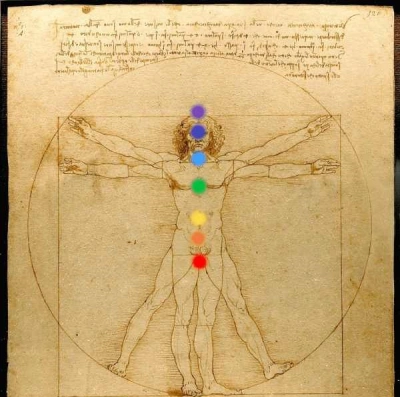
The Inanna descent (c. 1900-1600 BCE; Kramer, 1944; Wolkstein/Kramer, 1983): seven gates mapping onto seven chakras, ego death, resurrection. The Annunaki as the Gods who taught civilisation. The Sumerian King List recording divine rulers before human dynasties.
Mental and Spiritual Processes
Divination developed to unparalleled systematic depth. Hepatoscopy (liver divination): hundreds of clay models. Astrology: MUL.APIN tablets (c. 1100 BCE), Enuma Anu Enlil (c. 1500-1000 BCE). Incantation and ritual speech: the Maqlu and Shurpu series (c. 1000-700 BCE), thousands of cuneiform tablets preserving precise formulaic invocations.
Strengths
Chronological priority. The Atra-Hasis creation narrative is the most specific surviving account. The Inanna descent is the oldest complete initiatory map. Divination and astrology are the most systematically developed.
Where the Record Is Incomplete
Fragmentary textual record. Practical spiritual technology (meditation, energy work) absent from surviving texts. Philosophical framework minimal. Supplemented from Greek, Egyptian, and Sanskrit traditions.
Academic Sources
- Dalley, S. (1989). Myths from Mesopotamia. OUP.
- Kramer, S. N. (1944). Sumerian Mythology. U of Pennsylvania Press.
- Kramer, S. N. (1963). The Sumerians. U of Chicago Press.
- Wolkstein, D. & Kramer, S. N. (1983). Inanna: Queen of Heaven and Earth. Harper & Row.
- George, A. R. (2003). The Babylonian Gilgamesh Epic (2 vols). OUP.
- Rochberg, F. (2004). The Heavenly Writing. Cambridge UP.