




4 min read
10 · The Decad
author: High Priest Zevios Metathronos
All in All · The Divine Father · The completed Cosmos
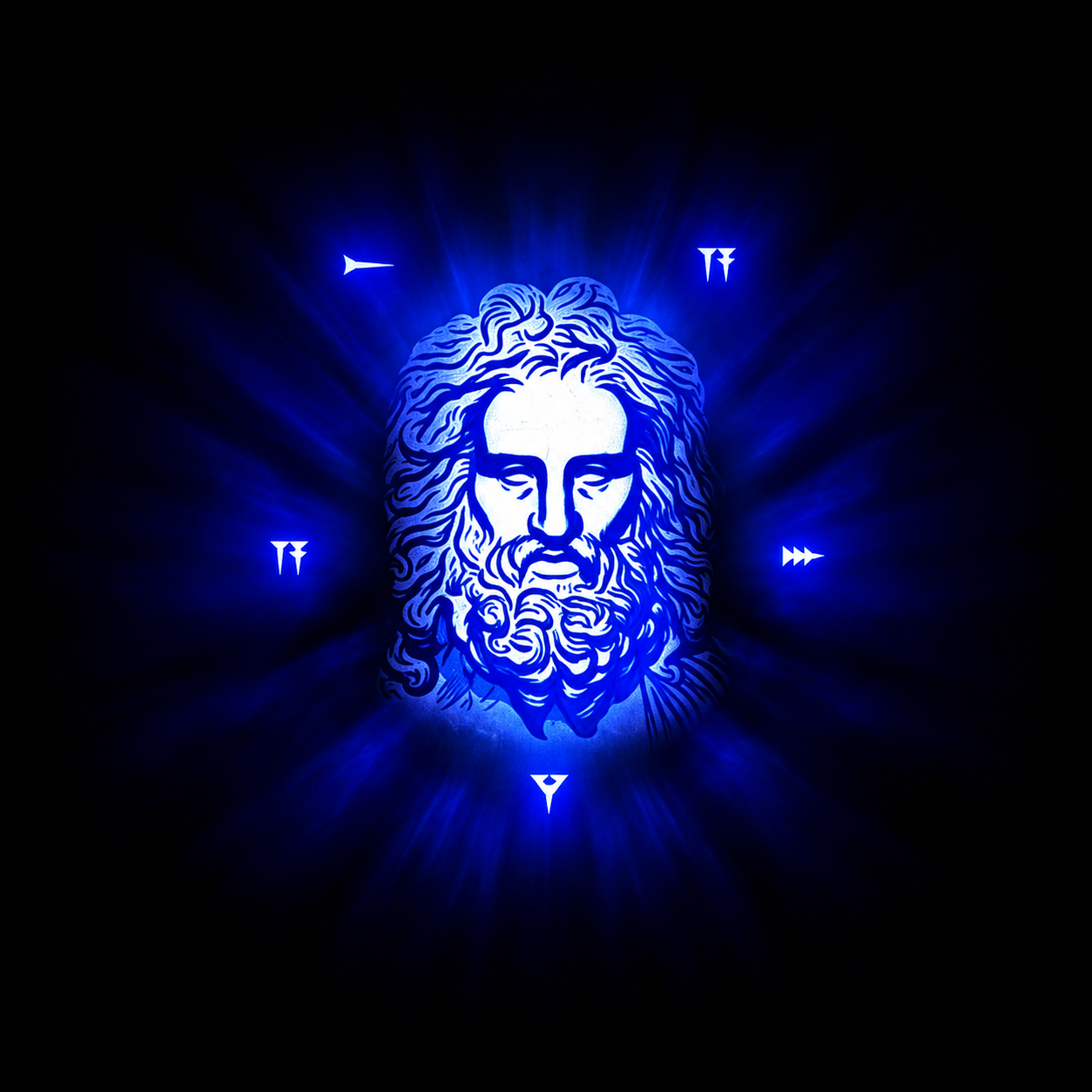
Ten gathers the journey of number into a complete order. In Zevist numerology, the Decad is a key, All in All, the Cosmos, Pan, perfection, totality, and the Divine Father. Fate and karma belong to its encompassing measure; the path reaches an end that also opens another beginning. The powers first held together in the Monad now stand revealed through an ordered fullness.
Ten dots form the Tetractys in rows of one, two, three, and four: the first principles gathered into totality.
Core meanings · foundational Temple text
A key, All in All, fate and karma, an end of path, double union, Universe - Pan, Cosmos, Perfection, The Self-Created one, 'Divine Father', Totality
The pattern that contains the whole
The Theology of Arithmetic, traditionally attributed to Iamblichus, presents the Decad as a complete pattern for the ordering of the cosmos. Within the first ten numbers lie the elementary distinctions through which its account proceeds: even and odd, unity and plurality, plane and solid, equality and inequality. Ten gathers their relations into one intelligible field. [1]
The chapter gives it the names cosmos, heaven, the All, fate, eternity, power, necessity, and keyholder. It also expressly connects it with Pan. These names illuminate the Temple's inherited language of totality and the key: the completed order both contains its powers and gives access to the relations by which they operate.
The fourfold root of ten
The Tetractys makes the Decad visible through four ascending terms: 1 + 2 + 3 + 4 = 10. Its rows gather the Monad, Dyad, Triad, and Tetrad in one triangular figure. The ancient text treats these first four as roots of numerical and geometrical development, and explicitly identifies their sum with Ten. [1]
This arrangement allows contemplation to follow an unfolding without losing the whole. Unity opens into distinction; distinction receives a complete relation; relation gains determinate form. All four remain present within the finished figure. The Decad's perfection is this encompassing completeness. In arithmetic defined by proper divisors, Ten is not perfect: 1 + 2 + 5 = 8. Six possesses that different perfection.
The Divine Father and the self-created
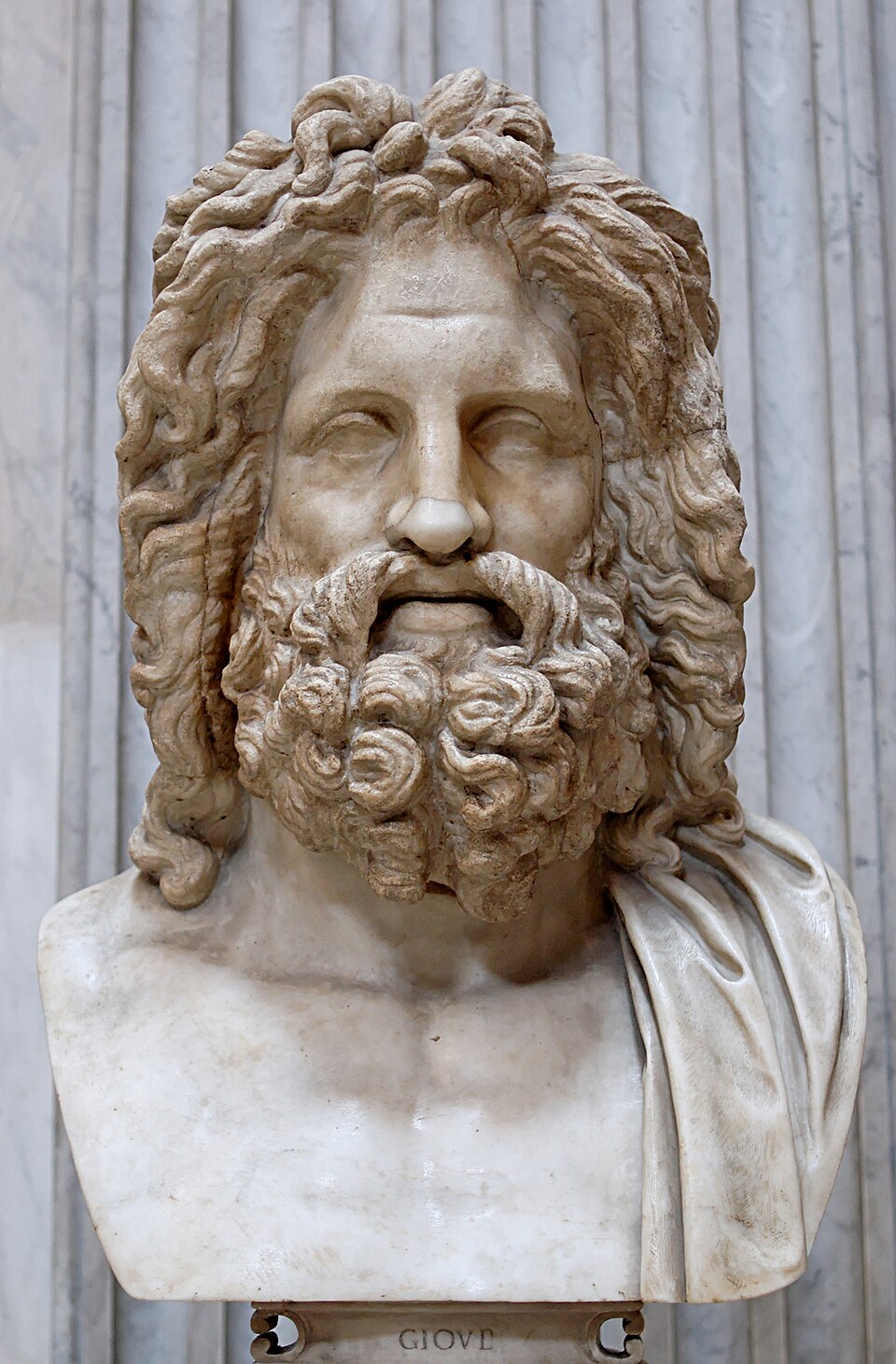
The Temple's titles Divine Father and The Self-Created one give the Decad a particular devotional depth. They are retained here as Zevist teaching. The Father is contemplated as the generative authority of the whole, whose ordering power gives distinct manifestations their place and their participation in a common Cosmos. [2]
The relation to the Monad is essential. What One contains at the source, Ten gathers through the completed course. This permits contemplation of a fullness that returns to its own principle. The inherited “double union” can likewise be approached through two Pentads, 5 + 5, whose conjunction makes Ten. This is an offered reading of that phrase, grounded in the number's structure.
The end of a path and the opening of another
The ancient chapter explains fate through ordered succession: the principles contained within the Decad extend into further numbers according to a coherent course. It also describes the return of greater groupings to Ten, as a hundred is ten tens and a thousand is ten hundreds. [1] Completion therefore becomes a basis for renewed extension.
Within Zevist contemplation, karma is received as the consequence woven through that ordered course. The Decad invites the practitioner to consider an undertaking in its totality: its origin, the relations it established, the form it achieved, and the consequences it now carries. The key turns when this whole is understood, allowing the next beginning to receive the wisdom of the path already fulfilled.
The Decad in practice
A moment of contemplation
Move your attention through the four rows of the Tetractys, then receive all ten points together. Honour the Divine Father through contemplation of the whole: source, unfolding, form, and fulfilment. Gather the fruit of the completed course, and let the next beginning proceed with a clearer measure and a more faithful intention.