




4 min read
The Standard Ritual
updated by: High Priest Zevios Metathronos & Pythia
For New and Inexperienced Practitioners
The ritual below is designed for those who are new to Zevism and to spiritual practice. It provides a structured, step-by-step ceremony that introduces the practitioner to the fundamental elements of Zevist worship: the invocation of the Gods, the alignment of the self with the four directions, the offering of prayer, and communion with Zeus.
Ceremonial rituals are not strictly necessary for accomplishing spiritual goals. An experienced practitioner can achieve powerful results through focused will, vibration (words of power), and directed meditation alone, without material props. However, ceremony serves a purpose: it creates a sacred space, it focuses the mind, it honors the Gods through deliberate action, and it teaches the practitioner the structure and meaning of the spiritual forces being invoked. For those who are beginning, it is strongly recommended.
Zeus asks for a sincere heart. Unlike the Abrahamic religions with their vast institutional wealth and ceremonial display, Zeus does not expect expensive items for ritual. If all you have is yourself, that is enough. Our God has given us everything we need within ourselves. The ceremony exists to help you access what is already there.
Preparation
- Bathe before ritual. This shows respect and is an act of purification.
- Light incense (frankincense preferred) and let it burn for 10-15 minutes to fill the room.
- Write any prayers, thanksgivings, or requests on clean paper.
- Light a candle (white, blue, or gold preferred).
- If you have a cup or chalice, fill it with wine or another drink.
- Wear clean clothing. There is no required color.
For those who are unable to obtain any ritual items, and for those who are financially underprivileged, the ritual can be performed entirely in your own private Astral Temple.
The Ritual
Step 1: Opening
Ring a bell (if you have one) or simply take a moment of silence to mark the beginning of the sacred space. The bell is symbolic of vibration: the principle that sound, spoken with intention, creates change in the astral and material worlds.
Step 2: Invocation of the Four Powers
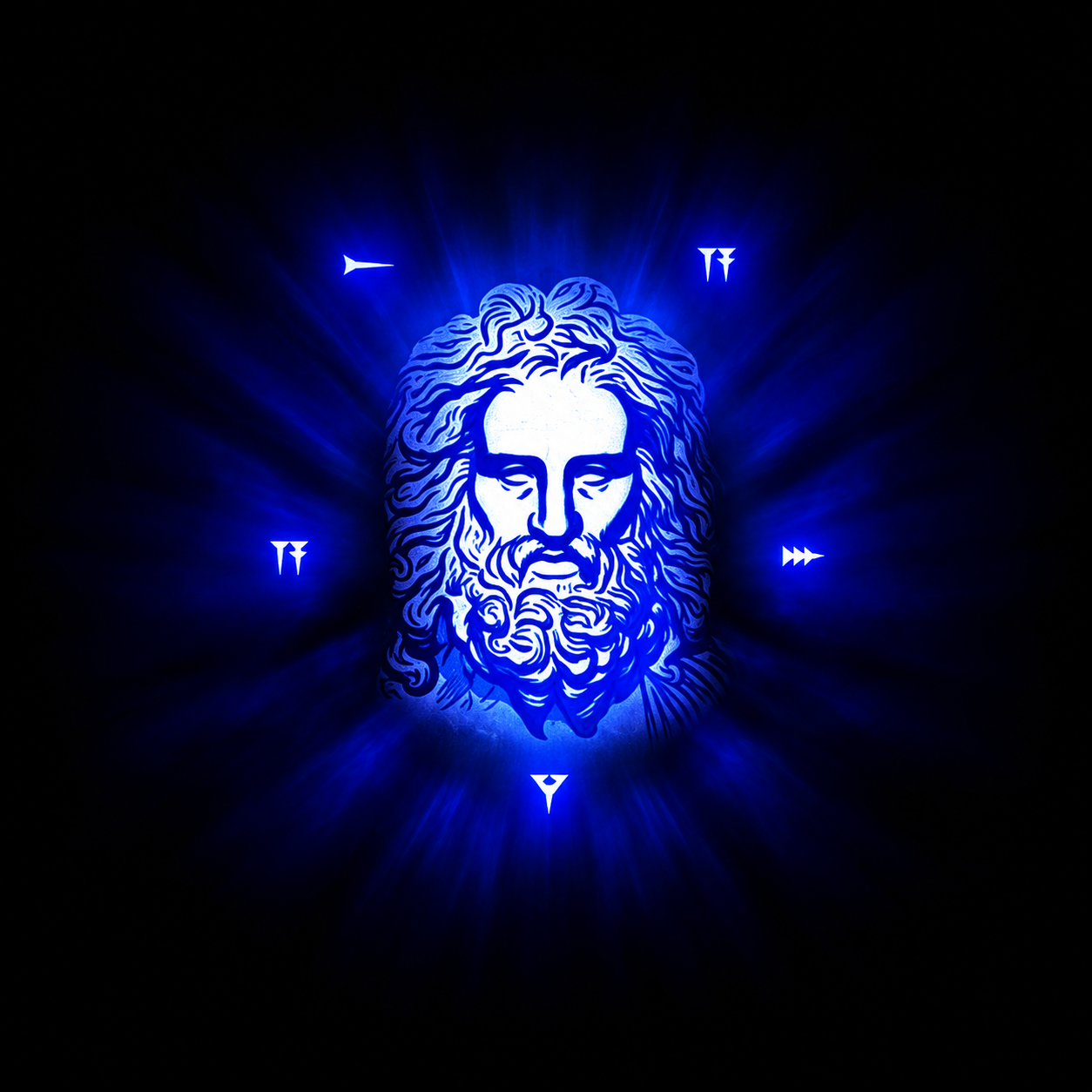
Face each direction in turn. At each turn, visualize a stream of electric blue light entering you and filling your entire being. With each invocation, the blue light becomes more intense, charging you with the energy of the Gods.
Begin facing East and turn counterclockwise:
Facing East: SAT-YA, ETERNAL TRUTH - I invoke the power of Truth, the foundation of all that exists.
Facing North: ZEV, LEADER OF CREATION - I invoke the King of the Gods, the Father of all that lives.
Facing West: APHRODITE, QUEEN OF QUEENS - I invoke the Goddess of Love, the force that binds all things together.
Facing South: APOLLO, POWER OF THE LIGHT - I invoke the God of Light, of Clarity, and of Truth made visible.
Then affirm:
Eternal Gods, You who have gone by many names in the cultures of humanity, I invoke You within myself. May all Your Names be blessed. May Your Names bestow me with power.
Step 3: The Invocation to Zeus
Recite the Invocation. ZEV is the ancient Greek root-name of Zeus, a Name of Power that reaches into the deepest origins of the Indo-European sacred languages.
ΕΝ ΟΝΟΜΑΤΙ ΤΟΥ ΖΕΒ ΥΨΙΣΤΟΥ, ΠΑΤΡΟΣ ΘΕΩΝ ΤΕ ΚΑΙ ΑΝΘΡΩΠΩΝ
En Onomati tou Zev Hypsistou, Patros Theon te kai Anthropon
In the Name of Zev the Most High, Father of Gods and of Humanity
ॐ ज़ेव् देवदेवाय सत्याय नमः
Om Zev Devadevaaya Satyaaya Namah
Om! To Zev, God of Gods, the Eternal Truth, salutation!
Drink from the chalice (if you have one).
Step 4: The Prayer
This is the height of the ritual. Read your written prayer to Zeus aloud. Speak from the heart. You may ask for guidance, for protection, for strength, for wisdom, or for anything that weighs upon your soul. You may also offer thanks for blessings received.
When you have finished reading your prayer, light the paper in the flame of the candle and place it in a fireproof bowl to burn. As the paper burns, the intention is released into the astral world. This is not symbolic: the fire is the element of life, and the burning of the prayer is the act of releasing your focused will into the spiritual realm.
Step 5: Meditation and Communion
After the prayer is burned, sit in silence. Meditate. Focus your mind. This is the time when the energy you have raised in the ritual is at its peak, and it is the time when you are most open to receiving guidance from the Gods.
After the meditation, speak to Zeus directly, one to one, in your own words. This is personal. There is no script. Say what is in your heart.
Step 6: Closing
When you have finished, close the ritual with the words:
Praised be Zeus, the God of Gods, the Unconquered and Greatest, Father of Gods and Men, King of the Immortals!
Ring the bell (if you have one), turning clockwise. The ritual is concluded.
On Prayer in Zevism
"Prayer" in Zevism is fundamentally different from what most people have been taught by the Abrahamic religions. It is not begging. It is not submission. It is communion.
Zevist prayer takes two forms:
1. Telepathic communication between yourself and Zeus and/or the Daemons. This is direct, personal, and requires no ceremony. You speak, and the Gods hear. With practice and spiritual advancement, you will hear them in return.
2. Vibration: the practice of vibrating mantras, words of power, or Runes. Vibration is essential to working spells, empowering the soul, and advancing spiritually. When words of power are vibrated repeatedly with focus and directed energy, a ripple effect takes place on the astral plane and manifests the practitioner's will in the material world. This is the deeper meaning of the bell in ritual: the bell represents the principle of vibration that effects change across the planes of existence.
For the formal, advanced version of this ritual with full esoteric explanations, see the Advanced Ritual.