
 አማርኛ
አማርኛ العربية
 বাংলা
বাংলা Български
 中文
中文 Čeština
 Dansk
Dansk Deutsch
 Eesti
Eesti Ελληνικά
 Español
 Français
 हिन्दी
 Hrvatski
 IsiZulu
 Italiano
 日本語
日本語 Kiswahili
 Magyar
 Македонски
 नेपाली
 Nederlands
 فارسی
فارسی Polski
 Português
 Română
 Русский
 Slovenščina
 Suomi
Suomi Svenska
 Tagalog
 Türkçe
Ethics & Guidelines of Zevism
Page & Holy Texts : High Priest Zevios Metathronos
These are the Ethics of Zevism, the foundational cornerstones of our religion. We proudly declare and define that we have the highest ethics among all the world's religions; not as a matter of comparison, but on their perfection in enhancing human life and facilitating the rise of mankind into the Godhead. In these ethics there are no notions of "slavery, obedience and servility". They are in fact, a functional compass in which the Zevist must navigate the world in their own free will.
Four levels carry this work from conduct in daily life to the formation of character, the rectification of spiritual life, and understanding of the universal order. Each level deepens the others and remains relevant throughout development.
The Four Levels of Ethics
A path of practice and understanding: life, virtue, spiritual rectification, and the cosmos.
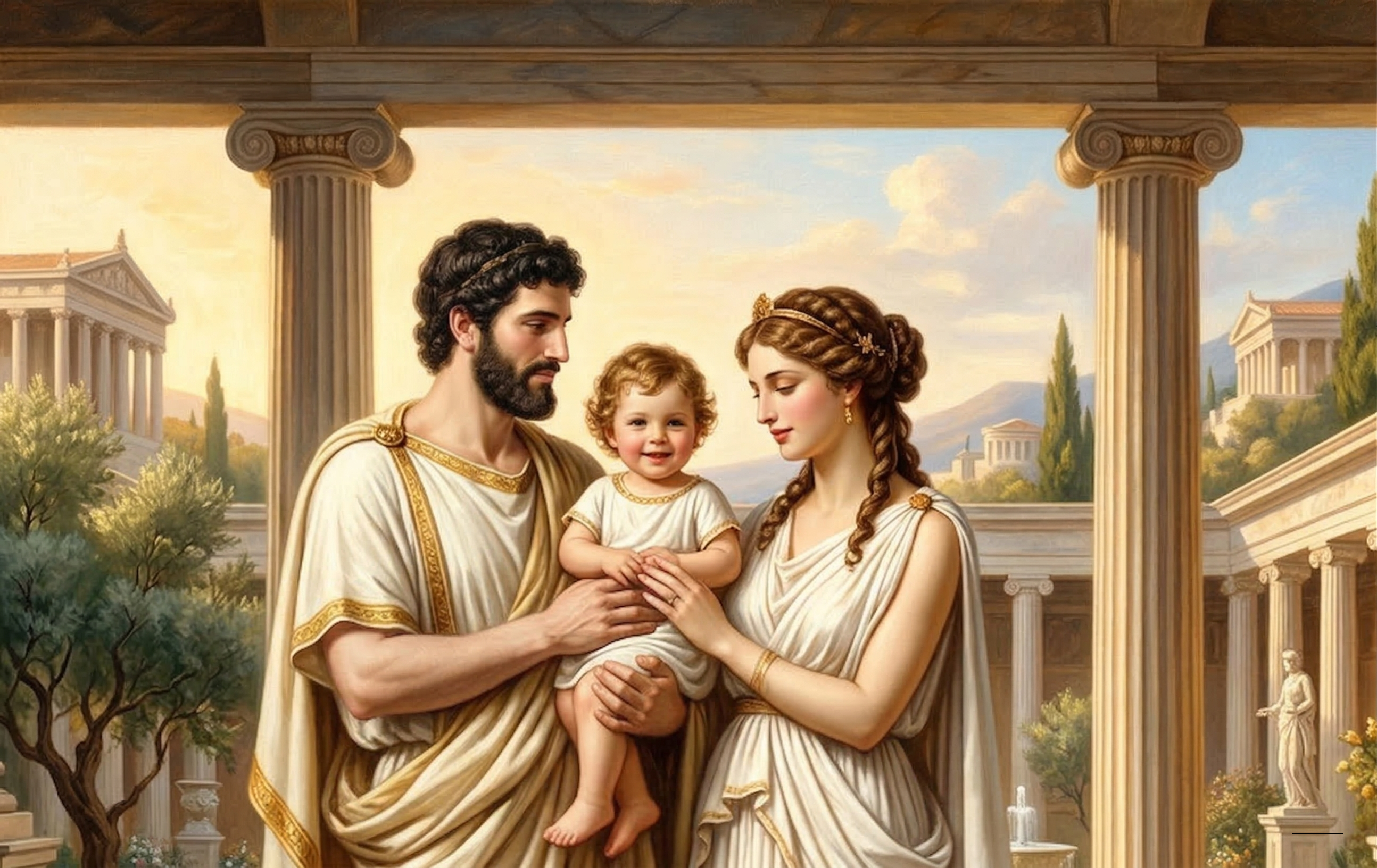 I · FOR LIFE
Life Ethics
Guidance for Life
Principles for living well through free and reasoned choice. They guide conduct in speech, relationships, learning, society, and care for life.
I · FOR LIFE
Life Ethics
Guidance for Life
Principles for living well through free and reasoned choice. They guide conduct in speech, relationships, learning, society, and care for life.
 II · CORE ETHICS
36 Virtues
Ethics of Habituation
The spiritual virtues cultivated through repeated choice and practice. They shape stable character and orient the person toward wisdom, freedom, and the Divine.
II · CORE ETHICS
36 Virtues
Ethics of Habituation
The spiritual virtues cultivated through repeated choice and practice. They shape stable character and orient the person toward wisdom, freedom, and the Divine.
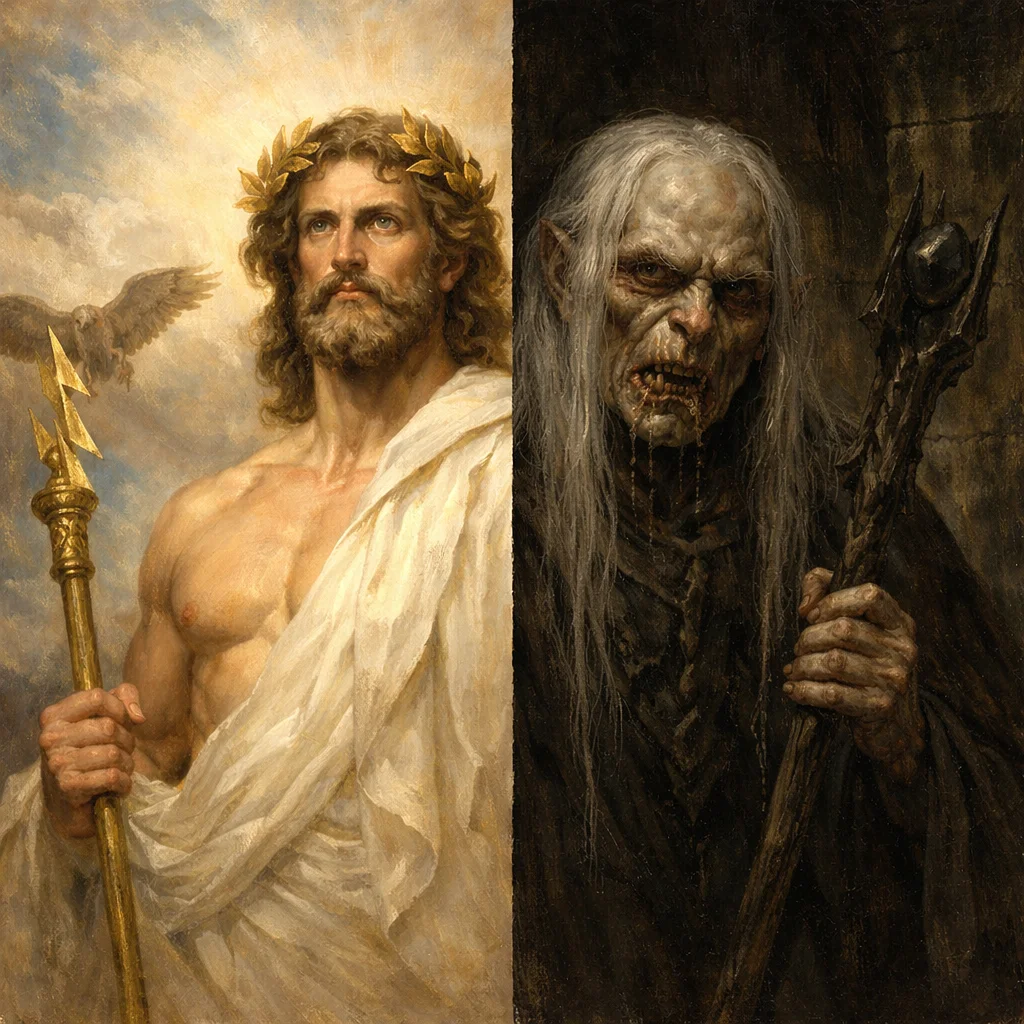 III · SPIRITUAL
Liturgical Terms
Spiritual Rectification & Higher Ethics
A vocabulary of spiritual pathologies and cures. It supports discernment, correction, and higher responsibility in the initiate's spiritual life.
III · SPIRITUAL
Liturgical Terms
Spiritual Rectification & Higher Ethics
A vocabulary of spiritual pathologies and cures. It supports discernment, correction, and higher responsibility in the initiate's spiritual life.
 IIII · COSMOLOGICAL
Cosmological Ethics
Existential Tier Ethics; Universal Constants
The widest horizon of ethical understanding: existence, Divine order, and the universal constants through which life and cosmos are held in relation.
IIII · COSMOLOGICAL
Cosmological Ethics
Existential Tier Ethics; Universal Constants
The widest horizon of ethical understanding: existence, Divine order, and the universal constants through which life and cosmos are held in relation.
What Each Level Does
The levels describe a widening field of practice, from immediate choices to the order of existence.
| Level | Its work | Developmental focus | What it affects |
|---|---|---|---|
| I Life Ethics | Offers guidance for living and deciding well. | Foundational practice in daily life. | Personal conduct, relationships, learning, community, and the care of life. |
| II 36 Virtues | Forms character through habituation and the repeated exercise of virtue. | Steady cultivation of the self. | Habit, judgment, disposition, and one's relation to the Gods and others. |
| III Liturgical Terms | Names spiritual disorders and their corresponding paths of rectification. | Deeper discernment and higher spiritual responsibility. | Spiritual orientation, inner correction, and the quality of sacred life. |
| IIII Cosmological Ethics | Places ethical understanding within existence and universal order. | Existential and cosmological contemplation. | The relation of the person, the Gods, life, and the cosmos to universal constants. |
IIII · The Cosmological Horizon
Cosmological Ethics considers existence and universal constants. It places individual conduct, the life of the soul, the Gods, and the order of the cosmos in one field of understanding. Its work is to orient judgment toward the wider order of being and the Divine.
Eternally dedicated to: Pythagoras, Socrates, Plato, Aristotle