
 አማርኛ
አማርኛ العربية
 বাংলা
বাংলা Български
 中文
中文 Čeština
 Dansk
Dansk Deutsch
 Eesti
Eesti Ελληνικά
 Español
 Français
 हिन्दी
 Hrvatski
 IsiZulu
 Italiano
 日本語
日本語 Kiswahili
 Magyar
 Македонски
 नेपाली
 Nederlands
 فارسی
فارسی Polski
 Português
 Română
 Русский
 Slovenščina
 Suomi
Suomi Svenska
 Tagalog
 Türkçe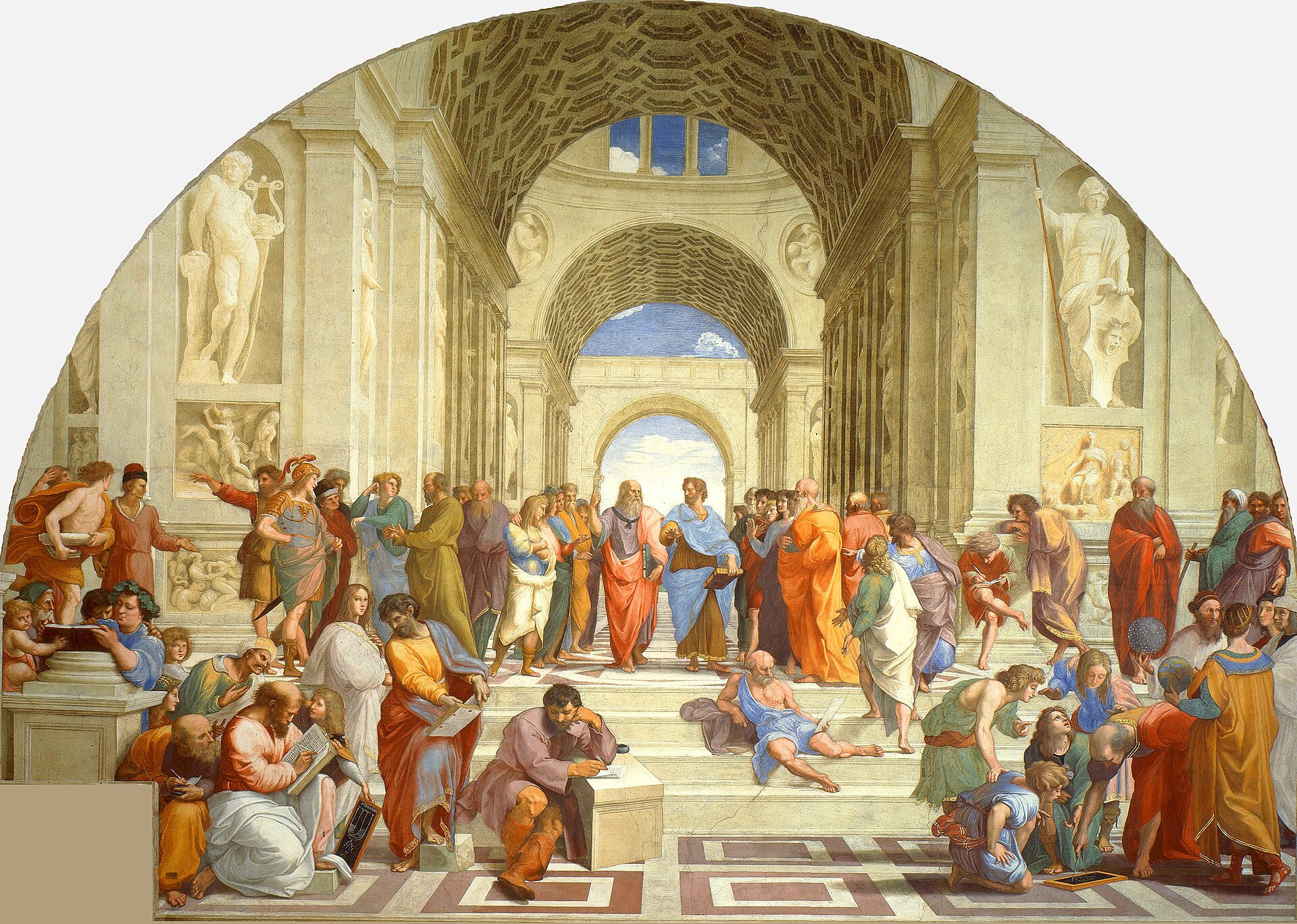

The Great Ancestors
The ancestors stand behind our lives in more than one way. There are those through whom we received birth, home, and the care that sustained us. There are also the teachers, initiates, healers, philosophers, and servants of the Gods whose work made a spiritual path available to us. The Zevist honors the worthy inheritance of both.
The Temple's Ritual of the Great Ancestors, by High Priest Zevios Metathronos, gives this spiritual ancestry a definite center. It calls upon the great followers of the Gods, including those whose names have been lost, and names Asclepius, Pythagoras, Aristotle, Plato, and Socrates. Their gifts encompass healing, spiritual sight, knowledge, philosophy, and the disciplined pursuit of truth. The practitioner approaches as a descendant in the path of the Gods.
Study that ritual before this observance. Its nine groups of vibrations and affirmations form a complete work and should be performed as given on its own page. The ceremony below extends the occasion into personal remembrance, offering, petition, and an undertaking by the living. It may follow the Great Ancestors ritual, after a quiet interval, or be observed separately when remembrance calls for it.
The powers the ancestors carry
Spiritual attainment has consequences beyond bodily death. A soul strengthened through knowledge, meditation, virtue, and service carries the fruits of that development into its onward course. Great ancestors may offer guidance, strengthen a worthy undertaking, and assist descendants in approaching the Gods. Their aid is sought in accordance with their attainment and the order of the divine powers. Necromancy and the Zevist Afterlife.
The powers associated with a spiritual lineage have recognizable fields of action. A healing lineage calls the living toward care, disciplined knowledge, and the restoration of life. A philosophical lineage calls for examination, clarity, and courage before the truth. A lineage of initiates calls for persistence in practice and fidelity to the Gods. When asking assistance, name the work before you. A definite undertaking gives the petition direction.
Hesiod's account of the Golden Generation offers an ancient image of departed benefactors acting under Zeus as daimones concerned with mortal life. This is one source for understanding ancestral power as a continuing capacity for benefaction. It also reminds us that the dead have differing conditions and honors. Works and Days 109-126.
The practitioner should receive ancestral help with an answering effort. Study the teaching you ask to understand. Practice the discipline you ask to acquire. Care for the people whose welfare you place before the Gods. Gratitude matures when an inherited good becomes a living action.
Honor and the faults of the ancestors
The ancestors are not without fault. Those who lived before us possessed differing degrees of knowledge, self-command, generosity, and spiritual development. A person may have preserved a family through hardship and also caused injury within it. A teacher may have transmitted a great truth while remaining mistaken on another matter. Death does not make every human judgement infallible.
Speak truthfully about the person being honored. Remember the good with gratitude. Where a fault is known, acknowledge it without making that fault the measure of the whole life. Where harm continues among the living, work to end it. The Gods receive truthful remembrance, including a prayer that what remained disordered may be corrected.
Family ancestry and the rank of the Great Ancestors should also be understood in their proper measure. Kinship alone does not establish spiritual attainment. You may pray for a relative's guidance and progress without giving that relative authority over your present conduct. Devotion to a great teacher likewise requires understanding the teaching through study and practice.
This observance gives room for gratitude, sorrow, and amendment. It requires no false account of the past. Where a personal name cannot presently be spoken with reverence, address the worthy ancestors collectively and entrust the particular soul to the Gods in the Rite of Rectification and Release.
Place of the observance
An anniversary, a gathering of the household, the completion of an inherited work, or a time of deliberate ancestral devotion may provide the occasion. Plato places continued remembrance among the duties of descendants; Ovid describes ancestral offerings whose worth lies in their piety and care. Laws 4.717b-718a; Fasti 2.533-542.
For a recent death, first attend to the Funeral and the fortieth-day Genesia. This rite follows those observances. Its purpose is honor and communion. It contains no demand that a soul appear.
Experience before these rites
Before undertaking any of these necromantic rites, one must have at least three to four years of consistent meditation experience, have practiced beyond the intermediate level, and already be comfortable performing God Rituals. Years of practice should have brought familiarity with sustained concentration, meditation, and the opening and completion of a ritual.
The Hades Power Ritual may be performed beforehand to deepen the connection with the God who governs the realm of the dead and to prepare for these procedures. Allow a quiet interval before beginning the chosen rite.
Dreams when contacting the dead
When contacting the dead, one must attend to dreams and remember what is seen in them. To avoid creating false expectations, no more will be discussed on this page. Pay attention to your dreams.
The words and the inner action
The indented words are ritualistic incantations. Speak them with the image, intention, and feeling described in the surrounding instructions. Read each movement beforehand, enter its visualization, and then give voice to the words. Let the voice be measured and resonant, with a comfortable breath between phrases. After speaking, remain within the prescribed meditation before continuing.
For the Greek opening and optional blessing, speak the Greek text. The transliteration guides pronunciation; the English rendering supplies its meaning. Speak the other incantations in English as printed, replacing each bracketed name or purpose with the one you have prepared.
Imagination gives the will a definite object. In a rite for the dead, form the remembered person before you, or hold a name when the face is unknown. In communion with the Gods, attend to the divine presence and office being honored. Bring sincere feeling to that attention: gratitude, affection, reverence, compassion, or the courage to release. Give each feeling time to become clear without losing command of the mind.
During consultation, alternate deliberate mental address with receptive silence. Once the question has been sent, let the inner voice become quiet. Keep the person's image gently present while allowing room for an impression to arise. The ritual frame explains this practice and links the Temple's meditation teachings.
What is required
Choose the names or lineages to be honored. Recall one worthy deed, one teaching, and one undertaking through which their inheritance can continue in you. Keep the Great Ancestors and your family ancestors distinct in your understanding, giving each the honor appropriate to their life and attainment.
A photograph, a passage from a teacher, or a small offering may assist remembrance. Prepare the memory itself with care. Remember the person in the act of living: attending to a task, speaking, teaching, caring, or persevering. Let the ceremony begin from a particular good you can recognize.
1. Opening under Zeus
Settle into meditation and feel the continuity of your own life: the breath presently moving, the body sustained through many years of care, and the knowledge received from others. Visualize a quiet hall filled with clear, gentle light. You stand within it as a living descendant, able to receive an inheritance and give it further life.
Gather reverence for Zeus and speak the common invocation.
Incantation
ΕΝ ΟΝΟΜΑΤΙ ΤΟΥ ΖΕΒ ΥΨΙΣΤΟΥ, ΠΑΤΡΟΣ ΘΕΩΝ ΤΕ ΚΑΙ ΑΝΘΡΩΠΩΝ
En Onomati tou Zev Hypsistou, Patros Theon te kai Anthropon.
In the Name of Zev Most High, Father of Gods and humanity.
Incantation
Zeus Most High, Father of Gods and humanity, receive this remembrance of those who came before me. Through their lives, gifts have reached my hands. Through your order, every soul has its course. Let gratitude govern my offering and truth govern my words.
Let the light of the hall become steady around you. Feel gratitude as a warmth of recognition in the heart. Beyond the place where you stand, visualize a spacious way opening under the care of the Gods of the dead.
Incantation
Pluto and Persephone, sovereigns of the dead, receive my reverence. Hermes Psychopompos, carry this honor where it may rightly be received. Hekate, illuminate the way of this observance beneath the Gods.
Remain quiet with that order clearly established. Allow your thoughts to turn from the course of your own day toward the lives through which good has reached you.
2. Honor to the spiritual ancestors
Bring the spiritual ancestors to mind through their names and their works. For an ancient teacher whose face you never knew, use a familiar traditional image or the name alone. Imagine each occupying a distinct place in the illuminated hall. Let healing, wisdom, disciplined practice, and service to the Gods become recognizable through those whom you honor.
If the official Ritual of the Great Ancestors preceded this ceremony, recall the devotion it awakened and let it settle into this remembrance. Its prescribed vibration sequence remains complete on its own page.
Incantation
Great Ancestors who walked the path of the Gods, teachers known by name and benefactors whose names have passed from memory, I offer you honor. Your labor has borne fruit beyond the years of your bodies. May the Gods increase the good that proceeds through your work.
Direct the words toward the figures or names before you. Feel the depth of an inheritance that was cultivated before your birth and can continue after your own life. Let the wish to learn become stronger and more definite.
Incantation
Asclepius, honored in the healing art; Pythagoras, teacher of sacred discipline; Plato, Aristotle, and Socrates, whose labors call the mind toward wisdom: receive this remembrance according to the dignity that belongs to each of you. May I approach your gifts with study, humility, and perseverance.
After each additional name you choose to speak, recall a teaching or benefaction belonging to that person. Hold it inwardly for a brief silence. Attend to the aspiration it awakens in you before moving to the next name.
3. The names of the household
Bring one family ancestor's remembered image before you. Recall the face and one familiar gesture. Let a real memory take shape around it: hands engaged in work, a voice offering counsel, or an act of care you received or learned about. Attend to the feeling that arises without carrying the memory through an entire life story.
Speak the name slowly and direct the incantation toward the person imagined before you.
Incantation
[Name], I remember you. May the Gods guide your course.
Remain for a few quiet breaths with that individual. Attempt an inward connection through recognition, affection, and the name. Let the feeling of remembrance reach outward while your mind remains collected. Then allow that image to take its place among the others and bring forward the next name.
For the unknown ancestors, imagine the hall continuing beyond the figures you can recognize. Hold those distant places in reverence without inventing identities for them.
Incantation
To the worthy ancestors of my family, known and unknown, I give thanks for the life, care, courage, and labor through which I have come to this day. May every good deed receive its honor.
Rest with the sense of receiving life through many lives. In a shared observance, allow each person's memory its own silence before another begins.
4. Offering and truthful remembrance
Recall a particular good once more. Feel its value as if you were receiving it with fresh understanding. Visualize your gratitude as a gentle radiance offered before the ancestors under the Gods. If an outward offering was prepared, place it or pour the libation while maintaining this inward act.
Incantation
I bring this offering in gratitude. May its honor reach those for whom it is given. May the Gods preserve what was noble in their lives and guide what still requires understanding.
Now bring to mind a known imperfection only where it belongs to the remembrance. Keep the person's whole humanity in view. Allow sorrow or disappointment to find expression before Zeus without erasing the good. Direct your will toward ending the fault's continuation in your own conduct.
Incantation
Where my ancestors acted well, let their example strengthen me. Where they erred, grant me the wisdom to learn and the courage to amend what remains in my care. Let the generations grow in truth.
Imagine the worthy inheritance becoming clear in your hands. Let what requires correction be placed before the Gods. Remain with the feeling of gratitude joined to honest resolve.
5. Petition for assistance
Picture the undertaking for which you seek aid. Make it definite: the text you are learning, the person you have undertaken to care for, or the work you must complete. Bring forward the spiritual ancestor or lineage whose gifts bear upon it. Direct your mental address through that name and the teaching you have received.
Incantation
Honored Ancestors in the path of the Gods, I place before you [undertaking]. Where assistance may rightly be given, strengthen my understanding, steadiness, and ability to complete it. Let the good entrusted to me increase through faithful work.
Visualize the undertaking illuminated before you. Feel yourself willing to receive instruction and willing to make the effort it requires. Attempt communion through concentrated attention, then quiet the inward voice. Hold the ancestor and the work together in a sustained, receptive silence. Let impressions be noticed without turning this observance into an extended consultation.
6. The undertaking of the living
Bring attention back to yourself within the hall. Imagine performing the first actual movement of the undertaking: opening the book, beginning the work, or going to the person who needs your care. See the act clearly enough to know how you will begin after the ceremony.
Incantation
In remembrance of [name or lineage], I will [specific action]. May my conduct give substance to the gratitude I have spoken.
Feel the promise settling into your will. If a teaching or account of a worthy deed was prepared, read it now. Let one phrase or example remain with you in silence. Imagine that understanding accompanying the action you have chosen.
7. Blessing and closing
See the whole company of those remembered, each in their own dignity. Let the warmth of gratitude extend throughout the hall. Wish them the good appropriate to their condition under the Gods.
Incantation
May the Gods bless the Great Ancestors and every worthy soul remembered here. May those capable of learning receive instruction, those ready for passage receive guidance, and those who aid the living find worthy successors.
Turn your attention toward the way beyond the hall. Visualize Hermes guiding every permitted departure in Hekate's light. Let affection become a blessing upon the ancestors' onward course.
Incantation
Honored dead, receive my gratitude. This observance is complete. I entrust your onward course to the Gods. Hermes, guide every departure. Hekate, keep the crossing in order. Pluto and Persephone, receive this honor. Zeus Most High, preserve concord among the generations.
Allow the figures to recede and the hall to become quiet. Release the act of inward calling. Retain the gratitude and the undertaking while the imagined scene fades. Feel your breathing, hands, and the place where you sit. Open your eyes and return fully to the present day. Complete any outward offering with care, and begin the action you named at its proper time.