
 አማርኛ
አማርኛ العربية
 বাংলা
বাংলা Български
 中文
中文 Čeština
 Dansk
Dansk Deutsch
 Eesti
Eesti Ελληνικά
 Español
 Français
 हिन्दी
 Hrvatski
 IsiZulu
 Italiano
 日本語
日本語 Kiswahili
 Magyar
 Македонски
 नेपाली
 Nederlands
 فارسی
فارسی Polski
 Português
 Română
 Русский
 Slovenščina
 Suomi
Suomi Svenska
 Tagalog
 Türkçe
The living, the dead, and the Gods
The life of a soul extends beyond the life of its body. Death changes its condition, its means of action, and its relation to the visible world. The Gods continue to govern its passage. For the Zevist, remembrance of the dead therefore belongs to religion itself: to gratitude, to the care of souls, to the preservation of knowledge, and to the understanding of our own eventual departure.
The dead remain within the sovereignty of Zeus. Pluto, also called Hades, and Persephone govern the realm below; Hermes Psychopompos guides souls; Hekate illuminates the crossings. The Temple also honors Anubis and Nephthys in the passage and protection of the departed. Each is approached according to the work of the rite. Their distinct offices give the ceremony its order. Necromancy and the Zevist Afterlife.
The practices gathered here serve six purposes: honoring the ancestors, consulting a named deceased person, praying for a troubled soul, undertaking the Nekyia, worshipping the chthonic Gods, and interceding for rectification. Their differences matter. A prayer for someone's passage should lead that soul onward. An ancestral observance should renew gratitude and worthy inheritance. A consultation requires a particular person, a defined question, and a completed departure. Worship of the Gods has its own object and dignity.
Necromancy, in its narrower sense, concerns knowledge sought through the dead. This collection also embraces the devotional and intercessory rites surrounding that art. Its unity lies in the sacred relationship between generations and in the divine government of death. The practitioner should know which work is being undertaken before the first light is kindled.
The soul's condition after death
The Temple's afterlife teaching joins judgement, spiritual development, memory, and reincarnation. Its four domains distinguish the growth of advanced souls in Elysium, instruction in Hades, the relative inactivity of Asphodel, and the grave consequences of profound disorder in Tartarus. A Zevist Initiate approaches this passage with the guidance of the Guardian Daemon. Progress made during embodied life has consequences beyond it. The Zevist Doctrine of the Afterlife.
These distinctions govern the rites. A soul's death does not make it a God. Its capacity to understand, to communicate, or to assist the living is connected to its development. The spiritual powers of a great initiate and the unsettled concerns of an ordinary departed person cannot be treated as interchangeable. The Gods know the soul's condition and the roads available to it. A practitioner approaches through their authority.
Rectification follows this same order. The living may ask that a soul be instructed, purified, and guided toward a condition it is able to attain. The Temple's account of Tartarus distinguishes correction from the exceptionally rare condition of the incurable. A prayer should consequently seek every lawful possibility of amendment without declaring that every consequence has already ended. Tartarus.
This gives compassion a definite religious form. We can speak a forgotten name, offer a libation, ask the Gods to illuminate an available road, and cease holding the departed within our own demands. We can also repair a wrong among the living. An act of restitution, care for a surviving child, preservation of a teacher's work, or reconciliation within a family may become the earthly continuation of a prayer.
The Ancients and the art of approaching the dead
The ancient world preserved many ways of maintaining relations with the departed. Tomb offerings, appeals to ancestors, heroic cult, consultation of a deceased seer, and initiatory teachings about the soul belonged to different settings. Reading them together reveals a broad religious field. Reading each in its own setting preserves the powers and purposes that made it meaningful.
For the Zevist, these sources are an inheritance to be studied with devotion and precision. A funerary inscription speaks from the tomb; a ritual letter brings a household's petition; a hymn names a divine office; an epic unfolds the spiritual meaning of a journey. Their differences enrich the tradition. The ceremonies below draw from that inheritance and give it a coherent form for present Zevist practice.
Egypt: the continuing bond of the household
Egyptian letters to the dead show living relatives addressing the departed as persons able to take an interest in household affairs. Written on such materials as pottery, linen, and papyrus, these petitions concern protection, health, and disputes. The University College London collection of texts preserves this intimate religious world. In the letter from Hu, a widow appeals to her deceased husband, Nefersefkhi, concerning their daughter. The petition links assistance to the continuation of offerings. UCL, Letters to the Dead; the Hu letter.
The religious significance is immediate. Death has altered the household without making its relationships meaningless. Care can still be offered, a name can still be spoken, and the departed can be approached within a continuing bond. This is especially relevant to ancestral observance: the living have obligations as well as petitions. Gratitude gains substance through the maintenance of what is worthy in the family and through care for those who remain.
Mesopotamia: burial, offerings, and the road onward
Mesopotamian sources likewise place importance on proper burial and the treatment of wandering dead. Irving Finkel's account of the British Museum's cuneiform material describes specialist rites for appeasing such souls. The Akkadian term kispu designates a funerary offering in the scholarly ORACC lexicon. These practices belong to their own religious setting, yet they widen our understanding of the ancient duty owed to the departed. British Museum, Mesopotamian ghost rites; ORACC, kispu.
The Zevist Rite of the Restless Dead gives that duty a compassionate purpose. A troubled soul is placed before the Gods of passage. Its onward course takes precedence over the curiosity of the living. Prayer, remembrance, and release belong together.
Homer: the Nekyia and the obligations of return
In Odyssey 11, Odysseus approaches the dead with offerings and seeks the counsel of Tiresias. Before the seer's instructions, the unburied Elpenor asks for the funeral and memorial that remain due to him. Later, Anticleia tells her son about the household he has left behind. His attempts to embrace her reveal the changed condition of the departed. The encounter carries knowledge back into the responsibilities of life. Homer, Odyssey 11.23-224.
Three concerns stand close together in this episode: the need of the dead for due observance, the knowledge sought by the traveler, and the living world to which he must return. They remain central to the rites in this collection. Elpenor's request also gives funeral duty a place before consultation. The first question is sometimes what the living still owe.
The Nekyia here joins incantation, visualization, mental address, and receptive silence. Its descent is undertaken in the Initiate's concentrated awareness under divine guidance. The audience is released before the deliberate return. Water and libation may accompany its meditative movements. The Homeric scene supplies a sacred point of reference; the actions printed below are the actions of the present rite.
Aeschylus: a royal ancestor called for counsel
In Persians, Atossa brings offerings to the tomb of Darius. The elders invoke the powers below, and the deceased king appears to hear the disaster that has overtaken his people. He interprets their situation, gives counsel, and returns. The scene places the ancestral voice within a relationship to family, community, and divine judgement. The brief audience is governed by the order of the realm below. Aeschylus, Persians 598-842.
The Open Gate retains this seriousness of purpose. The practitioner approaches one named person concerning a defined matter. The audience has a beginning and an end. Reverence is expressed in the quality of the question, the patience of the listening, and the willingness to complete the release.
Oracles of the dead and the places of approach
Herodotus records an oracle of the dead at the Acheron in Thesprotia. In his account, Periander sends messengers to question Melissa, who withholds the requested information until an obligation is addressed. The story gives the departed a will and a claim of their own. Herodotus, Histories 5.92.
Ancient places of approach included tombs and sites associated with the Underworld. Daniel Ogden's Greek and Roman Necromancy studies the literary, ritual, and geographical evidence for this tradition. The identification of the excavated complex at Ephyra as the ancient oracle remains disputed. Herodotus's testimony to an Acheron oracle should therefore be distinguished from a particular modern archaeological identification. Ogden, Greek and Roman Necromancy.
In these rites, the place of approach is held clearly in meditation: a threshold, a meeting place, and a known road of return. Invocation establishes the divine order of the audience. The Initiate maintains that order through the whole ceremony, including the release and the gathering of attention back into embodied life.
Ancestors, heroes, and the power of benefaction
Hesiod describes the departed Golden Generation as beneficent daimones under Zeus, associated with the guardianship of mortal life and the giving of good things. Elsewhere in the same sequence he distinguishes the destiny of the heroic generation. His account preserves differences of rank and condition among the dead. Hesiod, Works and Days 109-173.
This is an important context for the Great Ancestors in Zevism. Their honor concerns spiritual attainment and enduring benefaction. The ancestor's greatness is seen in what has been cultivated and given: knowledge, healing, courage, discipline, or service to the Gods. The living approach such souls with gratitude and with the desire to become worthy successors.
Plato's Laws also places lasting remembrance within the duties of descendants, joining appropriate funeral observance to continued care in subsequent years. Such care gives ancestry a rhythm in the life of a household. A name is carried faithfully because its remembrance has been given a place. Plato, Laws 4.717b-718a.
Rome: the household dead and the ancestral future
Ovid's account of the Parentalia and Feralia describes modest offerings for the ancestral dead, accompanied by prayer. Its attention to small gifts emphasizes the act of observance and the bond being maintained. Roman ancestral worship belonged to the continuing religious life of the household. Ovid, Fasti 2.533-570.
Virgil gives the ancestral encounter another dimension. In Aeneid 6, Aeneas meets Anchises, hears an account of the soul's passage, and is shown the generations to come. The meeting looks forward as well as backward. The son receives a charge concerning the future. Virgil, Aeneid 6.679-892.
Ancestral honor therefore asks something of the practitioner. What knowledge will be preserved? What work will be completed? What will the next generation receive? A prayer becomes fruitful when the answer enters conduct. The rite of honoring the ancestors includes a concrete undertaking for this reason.
Orphic memory and the soul's passage
The gold tablets associated with Orphic and Bacchic initiation preserve instructions and declarations for the soul after death. Some direct the traveler toward the water of Memory. Their words concern recognition, sacred identity, and the way through the world below. The tablets vary; each inscription deserves to be read in its own form. Graf and Johnston's edition gathers the texts and examines their initiatory setting. Ritual Texts for the Afterlife.
Within the Zevist understanding of the afterlife, memory has spiritual weight. To preserve what has been attained is to preserve the fruit of practice through change. In the Nekyia, the cup dedicated to Mnemosyne expresses the return of worthy understanding into embodied life. The optional Greek blessing on the two consultation rites asks for guidance, remembrance, and peace. The Temple's Orphic Gold Tablets page.
The blessing is a new composition inspired by this sacred tradition. It has sixteen Greek lines, an aligned transliteration, and an English rendering. Its words accompany the soul's release. They may be spoken quietly after consultation.
Restless souls and the duty of passage
Ancient Greek traditions gave particular attention to deaths marked by violence, untimeliness, or an unfulfilled obligation. Sarah Iles Johnston's Restless Dead examines these relations between the living and the departed, including the place of ritual specialists and divine powers such as Hekate. Johnston, Restless Dead.
Within these rites, the response is ordered prayer. A name may be known, or the soul may be unknown to the practitioner. In either case, the Gods are asked to guide the departure. A prayer for passage ends by entrusting the soul to them. The living then attend to whatever duty remains in their own world.
Judgement, purification, and intercession
Plato's Phaedo distinguishes different consequences after death according to a soul's conduct and condition. Its closing account includes both incurable cases and souls whose release requires a process of correction and reconciliation with those they injured. Plato, Phaedo 113d-114b.
For Zevist intercession, this supplies a serious ancient context for the relation of justice to transformation. The prayer of rectification asks that the soul receive the understanding it can attain and the guidance it can follow. The offering expresses care. The divine judgement remains with the Gods.
The breadth of the tradition
The ancient record includes reverent family observance, sacred consultation, philosophy, drama, and disturbing portrayals of coercive magic. Lucan's Erichtho episode in Civil War 6.413-830 is a sustained literary depiction of violent necromancy. Its dramatic purpose must be considered when reading it alongside actual objects, inscriptions, and ritual texts. A recent study in The Classical Quarterly examines the episode's manipulation of the dead body and its medical imagery. Study of Lucan's necromantic episode.
Zevist practice has its governing measure in the Gods, the soul's development, and the purpose of each rite. Ancient sources give the practitioner a rich inheritance to understand. Present worship gives that understanding its action: honor where honor is due, a truthful question where consultation is warranted, assistance where a road onward may be opened, and gratitude for the divine powers that govern the whole.
The inward work of necromancy
The incantations give voice to a work performed through the soul's faculties. The Initiate must know what to do while speaking them and in the intervals of silence. Concentration holds the chosen person or divine presence clearly. Imagination gives the approach a definite form. Feeling brings sincerity and strength to the intention. The will directs the address, and stillness makes room for reception.
The Temple's Meditation Information places awareness, power, and understanding within the development of the whole person. Its Power Meditation collection supplies the continuing discipline upon which these rites depend. The ceremony gathers abilities already cultivated through years of practice.
Before a consultation, bring the deceased's image before you through the name and recognizable features. Recall a familiar expression or gesture and let the relationship become emotionally present. Speak inwardly toward that person with the same directness as a greeting across a quiet room. After the greeting or question, allow the inner voice to cease. Keep attention steady while the interval becomes receptive. The instructions in the Open Gate and Nekyia lead through this movement in detail.
The Temple's Void Meditation includes sustained attention to an image, a sound, or a feeling. Its Foundation Meditation develops a felt awareness of energy. The rites bring these capacities together through their own images and purposes: an ancestor remembered with gratitude, a soul commended to a guide, a threshold illuminated by Hekate, or the road of return made clear beneath Zeus.
Each purpose calls for its own emotional movement. Ancestral devotion begins in recognition and matures into gratitude and an undertaking. Consultation moves from affection or solemn concern into clear address, attentive silence, and farewell. Intercession gathers compassion and directs it toward the soul's guidance or amendment. Chthonic worship attends to the Gods themselves and cultivates reverence for their offices.
Read the indented passages as ritualistic incantations. Form the accompanying image before speaking. Let each phrase carry its meaning and feeling. Afterward, remain with the mental action described for that stage before proceeding. The ritual frame explains the use of imagination, the transition from address to silence, and the deliberate release. Each of the six rites also gives its own instructions throughout the ceremony.
A lamp, a portrait, or a libation can accompany these acts. The sustained attention of the Initiate gives the observance continuity. At the close, the image is released, the attention returns to the body, and the spiritual work is carried into the life of the living.
Choosing and preparing the rite
Begin with the religious need before choosing the ceremony. A newly deceased person is served by the Zevistic Funeral, with its prayers of sanctification, empowerment, and blessing. The Genesia belongs to the fortieth day. The rites gathered here follow those observances when a recent death is involved.
For gratitude, family remembrance, and spiritual lineage, use Honoring the Ancestors. For a defined consultation with one deceased person, use the Open Gate. For a soul whose passage concerns you, use the Restless Dead. For an advanced contemplative descent and consultation, use the Nekyia. For worship of the divine rulers and guides, use Chthonic Communion. For a plea concerning correction and permitted release, use Rectification and Release.
Prepare the names and questions in advance. Decide how long the meditation will last. Read the movements of the rite until you know what to visualize, whom to address, and when to become silent. Speak each incantation with its purpose present in the mind and heart. Complete the release and return even when the audience has remained silent. In a group observance, appoint one person to lead and agree on the names, petitions, and pauses beforehand.
The ritual frame gives the common opening, treatment of offerings, and closing. Each complete rite below also includes its own opening and conclusion so it can be followed from beginning to end.
Experience before these rites
Before undertaking any of these necromantic rites, one must have at least three to four years of consistent meditation experience, have practiced beyond the intermediate level, and already be comfortable performing God Rituals. Years of practice should have brought familiarity with sustained concentration, meditation, and the opening and completion of a ritual.
The Hades Power Ritual may be performed beforehand to deepen the connection with the God who governs the realm of the dead and to prepare for these procedures. Allow a quiet interval before beginning the chosen rite.
Dreams when contacting the dead
When contacting the dead, one must attend to dreams and remember what is seen in them. To avoid creating false expectations, no more will be discussed on this page. Pay attention to your dreams.
The six complete rites
Choose a rite to unfold its full ceremony. Each also has an individual page for reading and printing.
Read and print the individual page
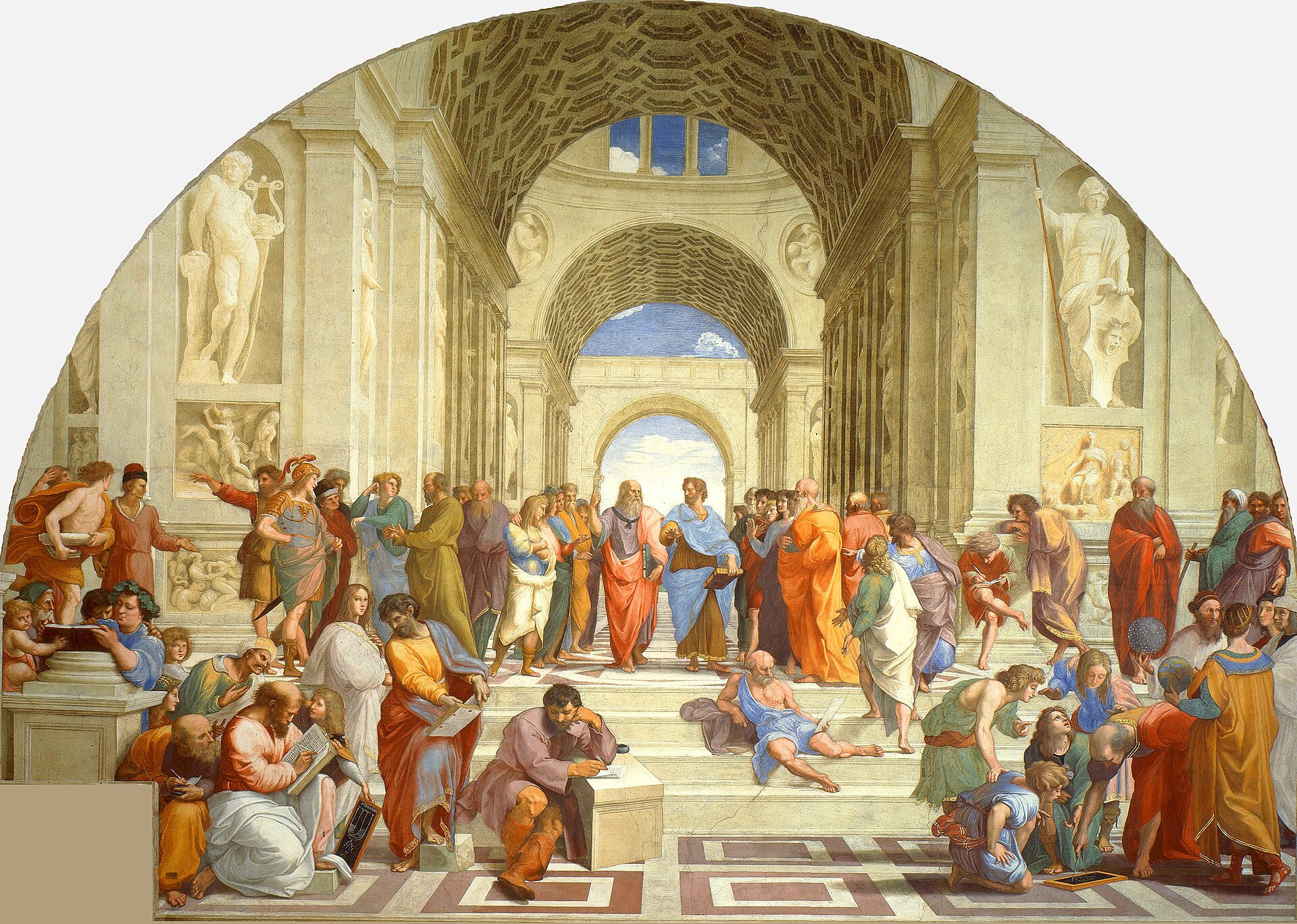

The Great Ancestors
The ancestors stand behind our lives in more than one way. There are those through whom we received birth, home, and the care that sustained us. There are also the teachers, initiates, healers, philosophers, and servants of the Gods whose work made a spiritual path available to us. The Zevist honors the worthy inheritance of both.
The Temple's Ritual of the Great Ancestors, by High Priest Zevios Metathronos, gives this spiritual ancestry a definite center. It calls upon the great followers of the Gods, including those whose names have been lost, and names Asclepius, Pythagoras, Aristotle, Plato, and Socrates. Their gifts encompass healing, spiritual sight, knowledge, philosophy, and the disciplined pursuit of truth. The practitioner approaches as a descendant in the path of the Gods.
Study that ritual before this observance. Its nine groups of vibrations and affirmations form a complete work and should be performed as given on its own page. The ceremony below extends the occasion into personal remembrance, offering, petition, and an undertaking by the living. It may follow the Great Ancestors ritual, after a quiet interval, or be observed separately when remembrance calls for it.
The powers the ancestors carry
Spiritual attainment has consequences beyond bodily death. A soul strengthened through knowledge, meditation, virtue, and service carries the fruits of that development into its onward course. Great ancestors may offer guidance, strengthen a worthy undertaking, and assist descendants in approaching the Gods. Their aid is sought in accordance with their attainment and the order of the divine powers. Necromancy and the Zevist Afterlife.
The powers associated with a spiritual lineage have recognizable fields of action. A healing lineage calls the living toward care, disciplined knowledge, and the restoration of life. A philosophical lineage calls for examination, clarity, and courage before the truth. A lineage of initiates calls for persistence in practice and fidelity to the Gods. When asking assistance, name the work before you. A definite undertaking gives the petition direction.
Hesiod's account of the Golden Generation offers an ancient image of departed benefactors acting under Zeus as daimones concerned with mortal life. This is one source for understanding ancestral power as a continuing capacity for benefaction. It also reminds us that the dead have differing conditions and honors. Works and Days 109-126.
The practitioner should receive ancestral help with an answering effort. Study the teaching you ask to understand. Practice the discipline you ask to acquire. Care for the people whose welfare you place before the Gods. Gratitude matures when an inherited good becomes a living action.
Honor and the faults of the ancestors
The ancestors are not without fault. Those who lived before us possessed differing degrees of knowledge, self-command, generosity, and spiritual development. A person may have preserved a family through hardship and also caused injury within it. A teacher may have transmitted a great truth while remaining mistaken on another matter. Death does not make every human judgement infallible.
Speak truthfully about the person being honored. Remember the good with gratitude. Where a fault is known, acknowledge it without making that fault the measure of the whole life. Where harm continues among the living, work to end it. The Gods receive truthful remembrance, including a prayer that what remained disordered may be corrected.
Family ancestry and the rank of the Great Ancestors should also be understood in their proper measure. Kinship alone does not establish spiritual attainment. You may pray for a relative's guidance and progress without giving that relative authority over your present conduct. Devotion to a great teacher likewise requires understanding the teaching through study and practice.
This observance gives room for gratitude, sorrow, and amendment. It requires no false account of the past. Where a personal name cannot presently be spoken with reverence, address the worthy ancestors collectively and entrust the particular soul to the Gods in the Rite of Rectification and Release.
Place of the observance
An anniversary, a gathering of the household, the completion of an inherited work, or a time of deliberate ancestral devotion may provide the occasion. Plato places continued remembrance among the duties of descendants; Ovid describes ancestral offerings whose worth lies in their piety and care. Laws 4.717b-718a; Fasti 2.533-542.
For a recent death, first attend to the Funeral and the fortieth-day Genesia. This rite follows those observances. Its purpose is honor and communion. It contains no demand that a soul appear.
Experience before these rites
Before undertaking any of these necromantic rites, one must have at least three to four years of consistent meditation experience, have practiced beyond the intermediate level, and already be comfortable performing God Rituals. Years of practice should have brought familiarity with sustained concentration, meditation, and the opening and completion of a ritual.
The Hades Power Ritual may be performed beforehand to deepen the connection with the God who governs the realm of the dead and to prepare for these procedures. Allow a quiet interval before beginning the chosen rite.
Dreams when contacting the dead
When contacting the dead, one must attend to dreams and remember what is seen in them. To avoid creating false expectations, no more will be discussed on this page. Pay attention to your dreams.
The words and the inner action
The indented words are ritualistic incantations. Speak them with the image, intention, and feeling described in the surrounding instructions. Read each movement beforehand, enter its visualization, and then give voice to the words. Let the voice be measured and resonant, with a comfortable breath between phrases. After speaking, remain within the prescribed meditation before continuing.
For the Greek opening and optional blessing, speak the Greek text. The transliteration guides pronunciation; the English rendering supplies its meaning. Speak the other incantations in English as printed, replacing each bracketed name or purpose with the one you have prepared.
Imagination gives the will a definite object. In a rite for the dead, form the remembered person before you, or hold a name when the face is unknown. In communion with the Gods, attend to the divine presence and office being honored. Bring sincere feeling to that attention: gratitude, affection, reverence, compassion, or the courage to release. Give each feeling time to become clear without losing command of the mind.
During consultation, alternate deliberate mental address with receptive silence. Once the question has been sent, let the inner voice become quiet. Keep the person's image gently present while allowing room for an impression to arise. The ritual frame explains this practice and links the Temple's meditation teachings.
What is required
Choose the names or lineages to be honored. Recall one worthy deed, one teaching, and one undertaking through which their inheritance can continue in you. Keep the Great Ancestors and your family ancestors distinct in your understanding, giving each the honor appropriate to their life and attainment.
A photograph, a passage from a teacher, or a small offering may assist remembrance. Prepare the memory itself with care. Remember the person in the act of living: attending to a task, speaking, teaching, caring, or persevering. Let the ceremony begin from a particular good you can recognize.
1. Opening under Zeus
Settle into meditation and feel the continuity of your own life: the breath presently moving, the body sustained through many years of care, and the knowledge received from others. Visualize a quiet hall filled with clear, gentle light. You stand within it as a living descendant, able to receive an inheritance and give it further life.
Gather reverence for Zeus and speak the common invocation.
Incantation
ΕΝ ΟΝΟΜΑΤΙ ΤΟΥ ΖΕΒ ΥΨΙΣΤΟΥ, ΠΑΤΡΟΣ ΘΕΩΝ ΤΕ ΚΑΙ ΑΝΘΡΩΠΩΝ
En Onomati tou Zev Hypsistou, Patros Theon te kai Anthropon.
In the Name of Zev Most High, Father of Gods and humanity.
Incantation
Zeus Most High, Father of Gods and humanity, receive this remembrance of those who came before me. Through their lives, gifts have reached my hands. Through your order, every soul has its course. Let gratitude govern my offering and truth govern my words.
Let the light of the hall become steady around you. Feel gratitude as a warmth of recognition in the heart. Beyond the place where you stand, visualize a spacious way opening under the care of the Gods of the dead.
Incantation
Pluto and Persephone, sovereigns of the dead, receive my reverence. Hermes Psychopompos, carry this honor where it may rightly be received. Hekate, illuminate the way of this observance beneath the Gods.
Remain quiet with that order clearly established. Allow your thoughts to turn from the course of your own day toward the lives through which good has reached you.
2. Honor to the spiritual ancestors
Bring the spiritual ancestors to mind through their names and their works. For an ancient teacher whose face you never knew, use a familiar traditional image or the name alone. Imagine each occupying a distinct place in the illuminated hall. Let healing, wisdom, disciplined practice, and service to the Gods become recognizable through those whom you honor.
If the official Ritual of the Great Ancestors preceded this ceremony, recall the devotion it awakened and let it settle into this remembrance. Its prescribed vibration sequence remains complete on its own page.
Incantation
Great Ancestors who walked the path of the Gods, teachers known by name and benefactors whose names have passed from memory, I offer you honor. Your labor has borne fruit beyond the years of your bodies. May the Gods increase the good that proceeds through your work.
Direct the words toward the figures or names before you. Feel the depth of an inheritance that was cultivated before your birth and can continue after your own life. Let the wish to learn become stronger and more definite.
Incantation
Asclepius, honored in the healing art; Pythagoras, teacher of sacred discipline; Plato, Aristotle, and Socrates, whose labors call the mind toward wisdom: receive this remembrance according to the dignity that belongs to each of you. May I approach your gifts with study, humility, and perseverance.
After each additional name you choose to speak, recall a teaching or benefaction belonging to that person. Hold it inwardly for a brief silence. Attend to the aspiration it awakens in you before moving to the next name.
3. The names of the household
Bring one family ancestor's remembered image before you. Recall the face and one familiar gesture. Let a real memory take shape around it: hands engaged in work, a voice offering counsel, or an act of care you received or learned about. Attend to the feeling that arises without carrying the memory through an entire life story.
Speak the name slowly and direct the incantation toward the person imagined before you.
Incantation
[Name], I remember you. May the Gods guide your course.
Remain for a few quiet breaths with that individual. Attempt an inward connection through recognition, affection, and the name. Let the feeling of remembrance reach outward while your mind remains collected. Then allow that image to take its place among the others and bring forward the next name.
For the unknown ancestors, imagine the hall continuing beyond the figures you can recognize. Hold those distant places in reverence without inventing identities for them.
Incantation
To the worthy ancestors of my family, known and unknown, I give thanks for the life, care, courage, and labor through which I have come to this day. May every good deed receive its honor.
Rest with the sense of receiving life through many lives. In a shared observance, allow each person's memory its own silence before another begins.
4. Offering and truthful remembrance
Recall a particular good once more. Feel its value as if you were receiving it with fresh understanding. Visualize your gratitude as a gentle radiance offered before the ancestors under the Gods. If an outward offering was prepared, place it or pour the libation while maintaining this inward act.
Incantation
I bring this offering in gratitude. May its honor reach those for whom it is given. May the Gods preserve what was noble in their lives and guide what still requires understanding.
Now bring to mind a known imperfection only where it belongs to the remembrance. Keep the person's whole humanity in view. Allow sorrow or disappointment to find expression before Zeus without erasing the good. Direct your will toward ending the fault's continuation in your own conduct.
Incantation
Where my ancestors acted well, let their example strengthen me. Where they erred, grant me the wisdom to learn and the courage to amend what remains in my care. Let the generations grow in truth.
Imagine the worthy inheritance becoming clear in your hands. Let what requires correction be placed before the Gods. Remain with the feeling of gratitude joined to honest resolve.
5. Petition for assistance
Picture the undertaking for which you seek aid. Make it definite: the text you are learning, the person you have undertaken to care for, or the work you must complete. Bring forward the spiritual ancestor or lineage whose gifts bear upon it. Direct your mental address through that name and the teaching you have received.
Incantation
Honored Ancestors in the path of the Gods, I place before you [undertaking]. Where assistance may rightly be given, strengthen my understanding, steadiness, and ability to complete it. Let the good entrusted to me increase through faithful work.
Visualize the undertaking illuminated before you. Feel yourself willing to receive instruction and willing to make the effort it requires. Attempt communion through concentrated attention, then quiet the inward voice. Hold the ancestor and the work together in a sustained, receptive silence. Let impressions be noticed without turning this observance into an extended consultation.
6. The undertaking of the living
Bring attention back to yourself within the hall. Imagine performing the first actual movement of the undertaking: opening the book, beginning the work, or going to the person who needs your care. See the act clearly enough to know how you will begin after the ceremony.
Incantation
In remembrance of [name or lineage], I will [specific action]. May my conduct give substance to the gratitude I have spoken.
Feel the promise settling into your will. If a teaching or account of a worthy deed was prepared, read it now. Let one phrase or example remain with you in silence. Imagine that understanding accompanying the action you have chosen.
7. Blessing and closing
See the whole company of those remembered, each in their own dignity. Let the warmth of gratitude extend throughout the hall. Wish them the good appropriate to their condition under the Gods.
Incantation
May the Gods bless the Great Ancestors and every worthy soul remembered here. May those capable of learning receive instruction, those ready for passage receive guidance, and those who aid the living find worthy successors.
Turn your attention toward the way beyond the hall. Visualize Hermes guiding every permitted departure in Hekate's light. Let affection become a blessing upon the ancestors' onward course.
Incantation
Honored dead, receive my gratitude. This observance is complete. I entrust your onward course to the Gods. Hermes, guide every departure. Hekate, keep the crossing in order. Pluto and Persephone, receive this honor. Zeus Most High, preserve concord among the generations.
Allow the figures to recede and the hall to become quiet. Release the act of inward calling. Retain the gratitude and the undertaking while the imagined scene fades. Feel your breathing, hands, and the place where you sit. Open your eyes and return fully to the present day. Complete any outward offering with care, and begin the action you named at its proper time.
Read and print the individual page
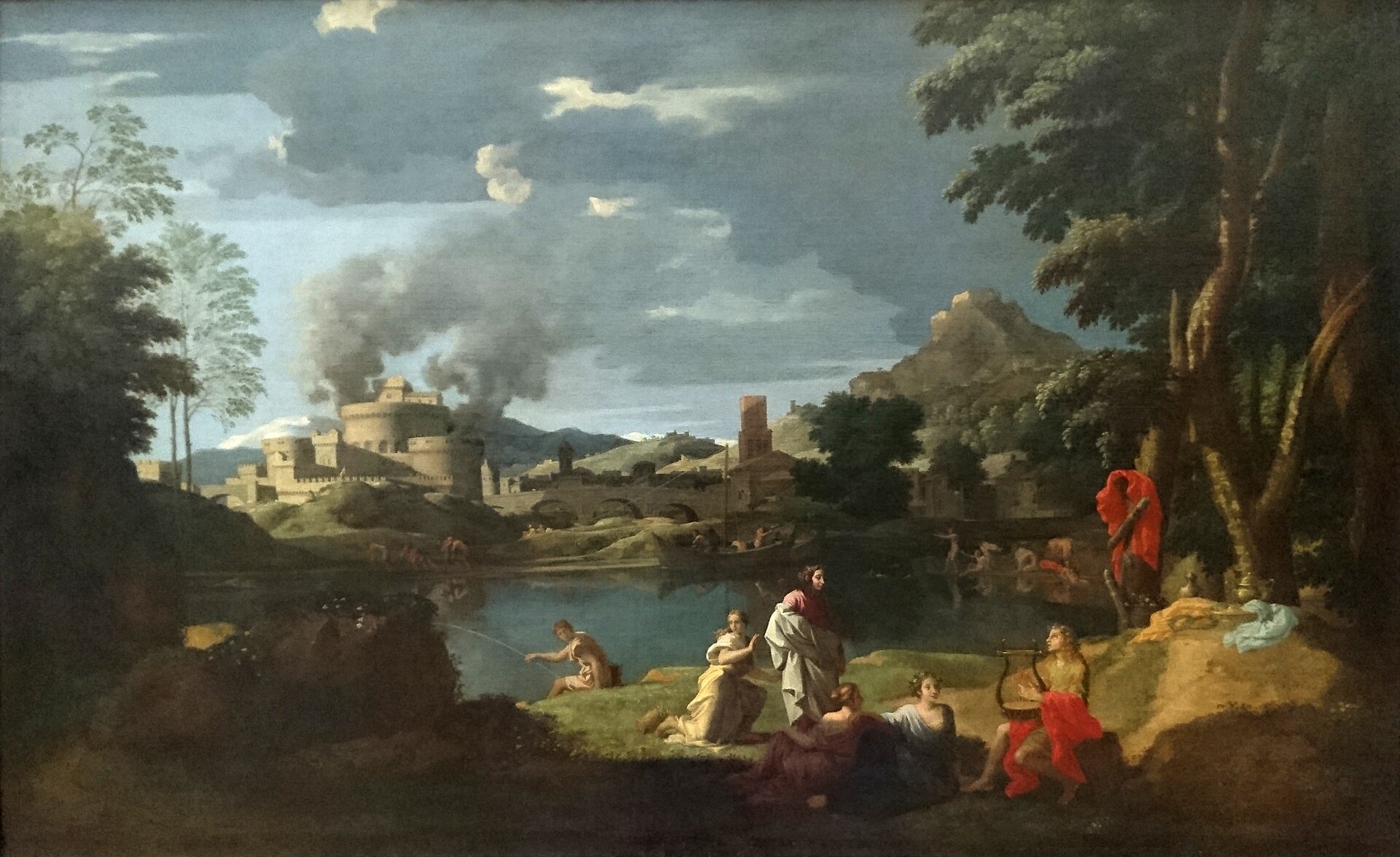
The purpose of the Open Gate
The Open Gate is a deliberate consultation with one deceased person. A name is chosen, a reason is stated, and an audience is sought through the Gods who govern the dead. The rite brings the question to a defined threshold and concludes with a release by name.
The Temple places direct necromantic contact among developed spiritual arts, requiring familiarity with trance, astral sensitivity, and the divine powers of passage. The preparation below belongs to the substance of this work. Necromancy and the Zevist Afterlife.
Choose a matter you can express plainly. A consultation may concern an unfinished conversation, an obligation, or guidance relevant to the relationship you shared. The deceased remains a person with an onward course. The petition should take account of that person's dignity, knowledge, and freedom to remain silent.
For a death within the first forty days, attend first to the Funeral and Genesia. Allow those observances their proper place before seeking a consultation.
Experience before these rites
Before undertaking any of these necromantic rites, one must have at least three to four years of consistent meditation experience, have practiced beyond the intermediate level, and already be comfortable performing God Rituals. Years of practice should have brought familiarity with sustained concentration, meditation, and the opening and completion of a ritual.
The Hades Power Ritual may be performed beforehand to deepen the connection with the God who governs the realm of the dead and to prepare for these procedures. Allow a quiet interval before beginning the chosen rite.
Dreams when contacting the dead
When contacting the dead, one must attend to dreams and remember what is seen in them. To avoid creating false expectations, no more will be discussed on this page. Pay attention to your dreams.
The words and the inner action
The indented words are ritualistic incantations. Speak them with the image, intention, and feeling described in the surrounding instructions. Read each movement beforehand, enter its visualization, and then give voice to the words. Let the voice be measured and resonant, with a comfortable breath between phrases. After speaking, remain within the prescribed meditation before continuing.
For the Greek opening and optional blessing, speak the Greek text. The transliteration guides pronunciation; the English rendering supplies its meaning. Speak the other incantations in English as printed, replacing each bracketed name or purpose with the one you have prepared.
Imagination gives the will a definite object. In a rite for the dead, form the remembered person before you, or hold a name when the face is unknown. In communion with the Gods, attend to the divine presence and office being honored. Bring sincere feeling to that attention: gratitude, affection, reverence, compassion, or the courage to release. Give each feeling time to become clear without losing command of the mind.
During consultation, alternate deliberate mental address with receptive silence. Once the question has been sent, let the inner voice become quiet. Keep the person's image gently present while allowing room for an impression to arise. The ritual frame explains this practice and links the Temple's meditation teachings.
What is required
Know the person's name, the purpose of the meeting, and the questions you intend to ask. Choose no more than three questions. Before beginning, decide the duration of the audience and recall how you will release it. A photograph may help you study the face beforehand. A light or small libation may accompany the ceremony.
Sit in the posture familiar from your meditation. Let breathing remain comfortable. Bring to mind one ordinary memory of the person that awakens recognition without carrying you into a long train of recollections. Keep that memory ready for the naming.
1. Opening and permission
Let the mind settle into the stillness cultivated through void meditation. Feel your own presence clearly within the seated body. Visualize white-gold light evenly surrounding you, and gather into it the composure of your practice with the Gods. Offer the common invocation with a clear intention to act under Zeus.
Incantation
ΕΝ ΟΝΟΜΑΤΙ ΤΟΥ ΖΕΒ ΥΨΙΣΤΟΥ, ΠΑΤΡΟΣ ΘΕΩΝ ΤΕ ΚΑΙ ΑΝΘΡΩΠΩΝ
En Onomati tou Zev Hypsistou, Patros Theon te kai Anthropon.
In the Name of Zev Most High, Father of Gods and humanity.
Incantation
Zeus Most High, receive this work beneath your sovereignty. Let my purpose be clear and my attention steady. Pluto and Persephone, rulers of the dead, I seek an audience with [name]. Regard this petition according to the care of that soul and the order of your realm.
Imagine a quiet threshold several paces before you. Hekate's torch lights its edge; the way beyond belongs to Pluto and Persephone. Hold the sense of approaching a place governed with dignity. Let your longing for the person become a respectful readiness to meet.
Incantation
Hekate, Torch-Bearer, illuminate the crossing. Hermes Psychopompos, guide the meeting if it may rightly take place. Keep the road of departure open from its beginning.
Remain with the illuminated threshold until the image is steady. Remember Hermes as the guide who can accompany the soul toward the meeting and onward afterward.
2. Naming and invitation
Form the person's image on the further side of the threshold, facing you. Recall the features you genuinely remember: the eyes, the set of the mouth, the familiar posture. Bring the remembered sound of their voice to mind briefly, then let that remembered sound become quiet. If the face is unknown, hold the written name inwardly in the same place.
Speak the full name three times. With the first naming, direct attention to the person. With the second, feel the relationship by which you know them. With the third, gather your greeting and purpose into a single act of address. Leave a quiet pause between the names.
Incantation
[Name], whom I knew as [relationship], I remember you before the Gods. I have come concerning [purpose]. If you are willing and the Gods permit this audience, draw near to the appointed threshold. Receive my greeting in peace.
Attempt to connect mentally and psychically with the deceased through this concentrated image and address. If attention at the third eye is already part of your established practice, rest it there gently. Imagine a fine ray of light extending toward the place of meeting, carrying the greeting. Keep your own body and awareness distinct and composed.
Incantation
This offering accompanies my remembrance. May the Gods receive its honor, and may our meeting serve what is true and worthy.
Let the offering be accompanied by a sincere feeling of welcome. Pour a little libation if one was prepared. Then allow the outgoing address to become quiet while the person remains the focus of attention.
3. The consultation
Look inwardly toward the face or name. Bring the first question into a clear sentence. Speak it to the deceased as directly as you would speak across a quiet room. Let the emotional meaning of the question be present: affection where there is affection, remorse where an apology is yours to offer, or solemn concern where a duty remains unfinished.
When the sentence is complete, stop speaking both aloud and inwardly. Keep the image gently in view and become receptive. Attend to impressions without inventing the person's next words or making the image perform a desired response. If it fades, return to one remembered feature or to the name, then settle again.
Allow the silence enough time to deepen beyond the first impulse to fill it. For another question, gather your intention afresh, address the person once, and return to silence. Let an apology stand without requiring an imagined absolution. Let a greeting stand without requiring a sign. When the appointed interval ends, give the encounter its conclusion.
The ancient audience with Darius in Aeschylus's Persians joins invocation, counsel, and return. Its dignity belongs in the quality of our own approach. Persians 598-842.
4. Optional blessing
Let questioning cease. Visualize the person standing within the care of the Gods, with Hekate's light upon the road beyond the meeting. Gather affection into a wish for their good that can accompany them onward.
As you speak the Greek blessing, hold the divine guidance of lines 1 to 5, the remembrance of lines 6 to 8, and the soul's passage and peace in lines 9 to 14. In lines 15 and 16, feel gratitude becoming farewell. Speak each line with its meaning present in the mind, allowing a quiet breath before the next.
Ancient Greek blessing
16 lines with transliteration and English
An original prayer in Ancient Greek, inspired by the Orphic tradition of passage and Memory. Speak it after the consultation and before the release. Each of its sixteen lines is followed by a transliteration and an English rendering.
- Ὦ Ζεῦ πάτερ, πάντων ἀρχὴ καὶ τέλος, κλῦθι.
Ō Zeu pater, pantōn archē kai telos, klythi.
O Father Zeus, beginning and end of all, hear. - Ὦ Πλούτων, χθονὸς ἄναξ, τήνδε εὐχὴν δέξαι.
Ō Ploutōn, khthonos anax, tēnde eukhēn dexai.
O Pluto, lord of the earth below, receive this prayer. - Ὦ Περσεφόνη, σεμνὴ βασίλεια, ἵλεως ἴσθι.
Ō Persephonē, semnē basileia, hileōs isthi.
O Persephone, revered queen, be gracious. - Ἑρμῆ ψυχοπομπέ, τὴν ὁδὸν τῇ ψυχῇ φύλαττε.
Hermē psykhopompe, tēn hodon tēi psykhēi phylatte.
Hermes, guide of souls, guard the soul's road. - Ἑκάτη δᾳδοῦχε, φῶς ἐπὶ ταῖς τρίβοις φέρε.
Hekatē dāidoukhe, phōs epi tais tribois phere.
Hekate, torch bearer, bring light upon the paths. - Μνημοσύνη, τὴν ἀγαθὴν μνήμην τρέφε.
Mnēmosynē, tēn agathēn mnēmēn trephe.
Mnemosyne, nourish good remembrance. - Τὸ ὄνομα τοῦ τεθνεῶτος μετὰ τιμῆς λέγω.
To onoma tou tethneōtos meta timēs legō.
I speak the name of the departed with honor. - Τὰ καλὰ ἔργα ἐν καρδίᾳ φυλάσσω.
Ta kala erga en kardiāi phylassō.
I keep the good deeds in my heart. - Ἡ ψυχὴ ἐν τάξει θεῶν πορευέσθω.
Hē psykhē en taxei theōn poreuesthō.
May the soul go forth within the order of the Gods. - Ἀγαθὸς δαίμων αὐτῇ πάρεστω.
Agathos daimōn autēi parestō.
May a good Daemon be beside it. - Ἡ κρήνη τῆς Μνημοσύνης ὕδωρ καθαρὸν παρεχέτω.
Hē krēnē tēs Mnēmosynēs hydōr katharon parekhetō.
May the spring of Mnemosyne provide clear water. - Τὰ ἄχθη τοῦ βίου λυέσθω.
Ta akhthē tou biou lyesthō.
May the burdens of life be released. - Ἡ ἀλήθεια αὐτῇ φῶς παρεχέτω.
Hē alētheia autēi phōs parekhetō.
May truth give the soul light. - Ἡ εἰρήνη παρὰ θεοῖς αὐτῇ γιγνέσθω.
Hē eirēnē para theois autēi gignesthō.
May peace be granted to it among the Gods. - Ἡμεῖς δὲ τὴν μνήμην πιστῶς φυλάσσομεν.
Hēmeis de tēn mnēmēn pistōs phylassomen.
We faithfully preserve the memory. - Χαῖρε, ὦ ψυχή· πορεύου ἐλευθέρα ὑπὸ Διός.
Khaire, ō psykhē; poreuou eleuthera hypo Dios.
Farewell, O soul. Go freely under Zeus.
Rest in that benevolent intention before proceeding. If the blessing is omitted, turn directly from the silence of consultation to release.
5. Release by name
Bring the face or name into focus once more. Recognize the person whom you addressed. Let the wish to keep the meeting open soften into gratitude. Imagine Hermes beside the departed, facing the road that continues beyond your threshold.
Incantation
[Name], I thank you for whatever communion was granted. This audience is complete. May the Gods guide your onward course, and may what was worthy in our meeting bear good fruit. I release every claim that my words or sorrow might place upon you. Depart in peace.
Visualize the person's image moving onward with the guide, then allow it to fade. Withdraw the fine ray of attention and return awareness to your own body. Feel the difference between remembering someone with love and continuing to call for their presence.
Incantation
Hermes, guide the departure. Hekate, close the threshold of this rite. Pluto and Persephone, receive my gratitude and keep the soul in your order. Zeus Most High, restore my attention wholly to the life and duties before me.
Imagine the threshold closing in Hekate's light. Let the scene dissolve completely. Become aware of your breathing, the support beneath you, and the room around you. Open your eyes, move your hands, and sit until ordinary attention is clear. Extinguish any lights used. Complete the release even if no contact was perceived.
After the rite
Write what you deliberately imagined, what belonged to remembered life, and what arose during receptive silence. Record the questions in their original wording. Give later interpretation a separate place so the memory of the rite remains faithful.
Return to the day with the affection, resolve, or completed farewell the observance has cultivated. A duty clarified during the rite deserves a considered act in the world of the living. Let the prayer have its quiet afterward, and retain the counsel concerning dreams given above.
Read and print the individual page
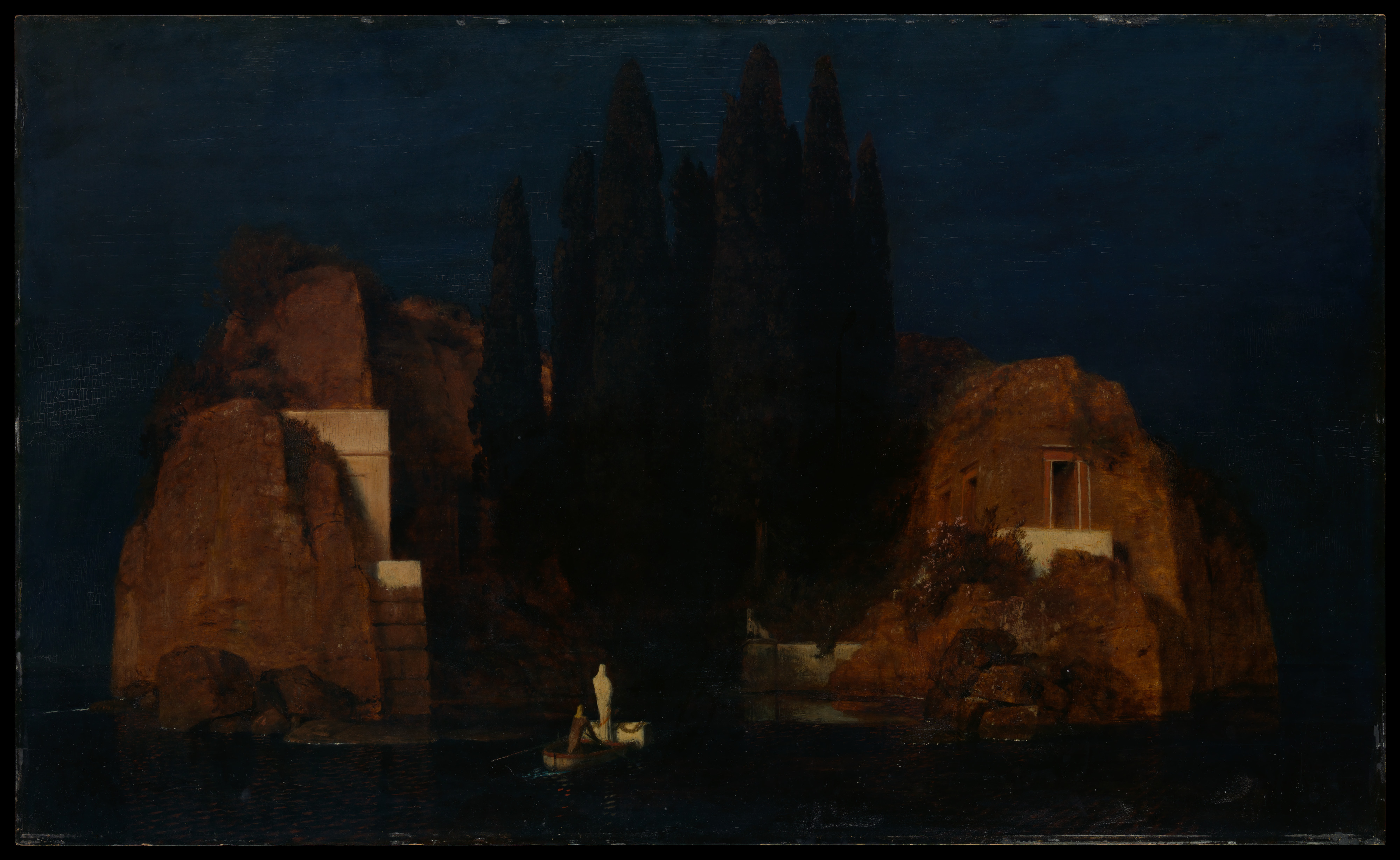
Prayer for the road onward
The Rite of the Restless Dead is offered for a soul whose passage concerns the living. The person may be known by name, or the prayer may concern the forgotten and unattended dead. Its purpose is guidance: to place the soul before the Gods of passage and ask that the road appropriate to it become clear.
The Temple describes souls who linger through confusion, attachment, or the circumstances of their departure. Compassion toward such a soul should be expressed through an orderly observance and a completed release. Necromancy and the Zevist Afterlife.
Ancient sources often connect disturbance with an obligation that remains unfulfilled. Elpenor's first concern in the Homeric Nekyia is the burial and remembrance owed to him. The episode directs the living toward a duty they can actually perform. Odyssey 11.51-83. Attend to such duties where they are yours: a funeral, a memorial, care for survivors, or the preservation of a name.
For a recent death, first use the Funeral prayers and fortieth-day Genesia. This later observance is an intercession for passage. It may be offered without asserting that a particular place is haunted or that a soul's exact condition has been established.
Experience before these rites
Before undertaking any of these necromantic rites, one must have at least three to four years of consistent meditation experience, have practiced beyond the intermediate level, and already be comfortable performing God Rituals. Years of practice should have brought familiarity with sustained concentration, meditation, and the opening and completion of a ritual.
The Hades Power Ritual may be performed beforehand to deepen the connection with the God who governs the realm of the dead and to prepare for these procedures. Allow a quiet interval before beginning the chosen rite.
Dreams when contacting the dead
When contacting the dead, one must attend to dreams and remember what is seen in them. To avoid creating false expectations, no more will be discussed on this page. Pay attention to your dreams.
The words and the inner action
The indented words are ritualistic incantations. Speak them with the image, intention, and feeling described in the surrounding instructions. Read each movement beforehand, enter its visualization, and then give voice to the words. Let the voice be measured and resonant, with a comfortable breath between phrases. After speaking, remain within the prescribed meditation before continuing.
For the Greek opening and optional blessing, speak the Greek text. The transliteration guides pronunciation; the English rendering supplies its meaning. Speak the other incantations in English as printed, replacing each bracketed name or purpose with the one you have prepared.
Imagination gives the will a definite object. In a rite for the dead, form the remembered person before you, or hold a name when the face is unknown. In communion with the Gods, attend to the divine presence and office being honored. Bring sincere feeling to that attention: gratitude, affection, reverence, compassion, or the courage to release. Give each feeling time to become clear without losing command of the mind.
During consultation, alternate deliberate mental address with receptive silence. Once the question has been sent, let the inner voice become quiet. Keep the person's image gently present while allowing room for an impression to arise. The ritual frame explains this practice and links the Temple's meditation teachings.
What is required
Know for whom the prayer is offered, using a name where one is known. Where it is unknown, retain the address “A soul known to the Gods.” Prepare the intention to assist the soul's passage and to fulfill any duty that remains yours among the living. A light or a little water may accompany the prayer.
Enter the ceremony with compassionate steadiness. Let concern for the departed become a clear wish that guidance reach them. Hold the purpose of passage through the whole observance.
1. Opening
Sit quietly and let the mind become still. Feel your own body at rest within the white-gold radiance familiar from your established practice. Recall the protection and order of Zeus, then speak the common invocation.
Incantation
ΕΝ ΟΝΟΜΑΤΙ ΤΟΥ ΖΕΒ ΥΨΙΣΤΟΥ, ΠΑΤΡΟΣ ΘΕΩΝ ΤΕ ΚΑΙ ΑΝΘΡΩΠΩΝ
En Onomati tou Zev Hypsistou, Patros Theon te kai Anthropon.
In the Name of Zev Most High, Father of Gods and humanity.
Incantation
Zeus Most High, receive this prayer for [name / a soul known to the Gods]. Let the care offered here reach its proper place. Establish peace among the living and truthful guidance for the departed.
Visualize an open space before you, calm and sufficiently bright for a traveler to see the road. At its further edge, imagine Hekate's torch. Let its illumination awaken the feeling that a way can be found. Turn with reverence toward the Gods who know the soul's course.
Incantation
Pluto and Persephone, sovereigns of the dead, receive the traveler according to the order of your realm. Hekate, raise your torch at the crossing. Hermes Psychopompos and Anubis, guide the passage. Nephthys, attend to the sorrow surrounding this departure.
Rest briefly with the divine guides held clearly in mind. Let urgency soften into the patience with which you can offer the prayer attentively.
2. Address to the soul
If you knew the deceased, imagine the person before you in a recognizable moment of life. Recall their face, posture, and individual character. If the person is unknown, hold the name or the intention of the prayer within a quiet, veiled human outline. Leave the unknown features unknown.
Speak the name once, or begin, “To the soul for whom this prayer is offered.” Direct your mental and psychic attention toward the person for whom you intercede. Let the tone carry calm recognition and a wish for their good.
Incantation
The life you knew in the body has reached its end. The Gods know your name and your condition. Place before them what remains unfinished. Let their guidance show the way that belongs to you.
Imagine the concern expressed by your words reaching the soul in the care of Nephthys. Feel tenderness without taking the soul's whole burden into yourself. Remember any duty that belongs to you and gather the will to bear it faithfully.
Incantation
The living will bear the duties that remain among the living. May love become a blessing upon your course. May remembrance accompany your passage in peace.
Remain quiet with that assurance. Let affection become something you can give freely as the traveler proceeds.
3. Clarity at the threshold
Hold the person's image in a gentle, clear light. Visualize the confusion surrounding the way becoming more transparent, as mist thins enough for a path to be seen. This is the intention of your prayer for understanding. Keep the soul's dignity and freedom of movement before you.
Incantation
May confusion give way to understanding. May fear yield to the guidance of the Gods. May every attachment whose purpose is complete be loosened, and may worthy memory remain clear.
As the incantation ends, imagine space opening around the figure. Allow your own sorrow to loosen its demand that the person stay near. The remembrance remains precious while the onward road becomes the focus.
Incantation
Hekate, illuminate the threshold. Hermes, show the road. Anubis, guard the traveler. Persephone, receive the soul in your care. Pluto, grant the place and instruction appropriate to its condition.
Visualize the guides beside the traveler and the torchlight falling ahead. Attend to the feeling of a road offered with care. A few drops of water may accompany this movement if water was prepared.
4. Prayer for guidance
Keep the whole scene simple: the person, the divine guides, and the illuminated way. Direct your will toward the soul's understanding of whatever next step the Gods permit. Let compassion be patient enough to entrust the manner of that guidance to them.
Incantation
Gods who tend the departed, regard this soul with the knowledge that belongs to you. Where a path is open, let it be seen. Where understanding is needed, let it be given. Where the soul is ready to move, grant a faithful guide. Where a necessary duty remains with us, give us the strength to fulfill it.
Remain in silence for the interval prepared. Hold the image of guidance gently, allowing the prayer its inward continuance. This observance is directed toward passage; keep the mind upon the blessing and the road. Let the need to obtain a conversation fall quiet.
5. Release and thanksgiving
Imagine standing aside so the traveler has room to proceed. Feel the generosity of releasing a claim that sorrow, fear, or unfinished speech may have placed upon the departed. Offer a little libation if one was prepared, carrying this wish into the gesture.
Incantation
[Name], may the Gods guide your course. I commend you to their order and release you from my demands. Where justice remains to be done among the living, may we pursue it faithfully. Where love remains, may we bear it with gratitude. Go in peace upon the road appointed to you.
Visualize the figure entrusted to the guides, then let the image recede. Withdraw the attention extended toward it. Hold gratitude for Hermes, Anubis, Nephthys, and the sovereigns below as you speak the closing.
Incantation
Hermes and Anubis, receive my thanks for your guidance. Nephthys, receive my thanks for your care. Hekate, close the threshold of this observance. Pluto and Persephone, keep the order of the dead. Zeus Most High, establish peace in this place.
Let the threshold and its road fade from the meditation. Feel yourself present in your own body and among the living. Open your eyes, attend to the room, and allow your attention to settle fully. Extinguish any light used. The prayer's continuation in your life is the duty you can fulfill and the care you can offer those who remain.
Read and print the individual page
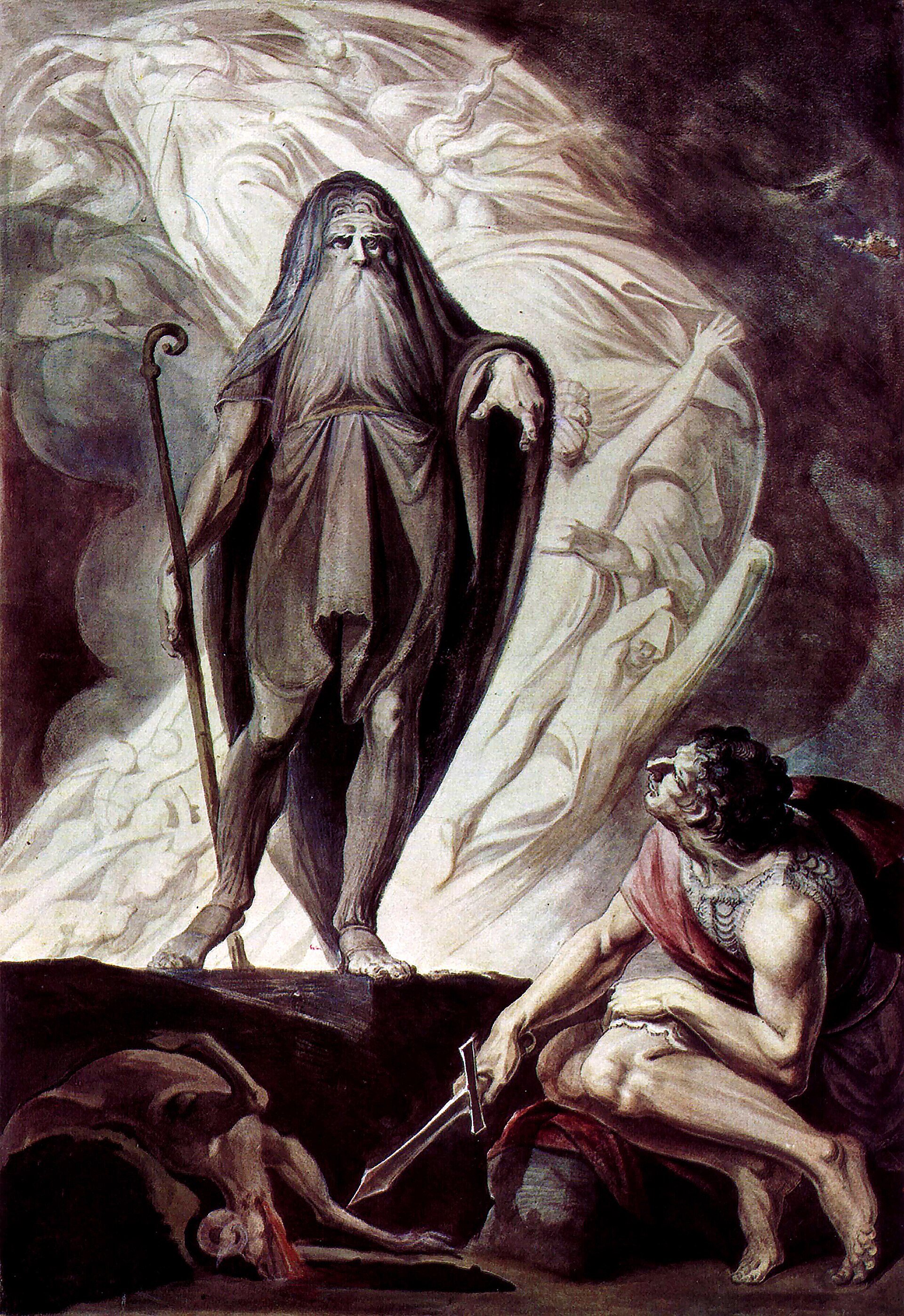

Descent, consultation, and return
The Nekyia is an advanced Zevist rite of contemplative descent and consultation. The practitioner settles into the meditative state cultivated through long practice, approaches the boundary of the dead under divine guidance, and completes an ordered return. The name recalls the encounter of Odysseus with the departed in the eleventh book of the Odyssey.
In that ancient encounter, the questions of the living meet the needs and knowledge of the dead. Tiresias gives counsel; Elpenor asks for an obligation to be fulfilled; Anticleia speaks of the household. The traveler must carry what he has learned back into life. Odyssey 11.23-224.
Choose one deceased person or one clearly defined ancestral group. Prepare no more than three questions that belong to the purpose of the meeting. The descent described here takes place through meditation. Every stage remains under Zeus and the Gods of passage. For a recent death, the Funeral and Genesia precede this observance.
Experience before these rites
Before undertaking any of these necromantic rites, one must have at least three to four years of consistent meditation experience, have practiced beyond the intermediate level, and already be comfortable performing God Rituals. Years of practice should have brought familiarity with sustained concentration, meditation, and the opening and completion of a ritual.
The Hades Power Ritual may be performed beforehand to deepen the connection with the God who governs the realm of the dead and to prepare for these procedures. Allow a quiet interval before beginning the chosen rite.
Dreams when contacting the dead
When contacting the dead, one must attend to dreams and remember what is seen in them. To avoid creating false expectations, no more will be discussed on this page. Pay attention to your dreams.
The words and the inner action
The indented words are ritualistic incantations. Speak them with the image, intention, and feeling described in the surrounding instructions. Read each movement beforehand, enter its visualization, and then give voice to the words. Let the voice be measured and resonant, with a comfortable breath between phrases. After speaking, remain within the prescribed meditation before continuing.
For the Greek opening and optional blessing, speak the Greek text. The transliteration guides pronunciation; the English rendering supplies its meaning. Speak the other incantations in English as printed, replacing each bracketed name or purpose with the one you have prepared.
Imagination gives the will a definite object. In a rite for the dead, form the remembered person before you, or hold a name when the face is unknown. In communion with the Gods, attend to the divine presence and office being honored. Bring sincere feeling to that attention: gratitude, affection, reverence, compassion, or the courage to release. Give each feeling time to become clear without losing command of the mind.
During consultation, alternate deliberate mental address with receptive silence. Once the question has been sent, let the inner voice become quiet. Keep the person's image gently present while allowing room for an impression to arise. The ritual frame explains this practice and links the Temple's meditation teachings.
What is required
Prepare the chosen name and no more than three questions. Know the order of descent, audience, blessing, release, and return before beginning. A quiet seat and an uninterrupted interval allow the imagination to deepen without losing the thread of the ceremony. Use the meditative state you have learned to enter and leave through consistent practice.
A light, a libation, and clean drinking water for Mnemosyne may accompany the rite. The cup of Memory is also contemplated inwardly. Keep your attention upon the person, the Gods, and the successive movements of the soul.
1. Consecration and permission
Close your eyes and allow the conversation of the day to subside. Feel the settled weight of your body. Recall the composure you know from your God Rituals. Visualize a clear white-gold radiance around you, extending evenly through the space of the meditation. Within it, remember your dedication to Zeus. Let reverence become a firm, quiet confidence in the Gods under whose care you approach.
Speak the common invocation with that whole intention gathered into the voice.
Incantation
ΕΝ ΟΝΟΜΑΤΙ ΤΟΥ ΖΕΒ ΥΨΙΣΤΟΥ, ΠΑΤΡΟΣ ΘΕΩΝ ΤΕ ΚΑΙ ΑΝΘΡΩΠΩΝ
En Onomati tou Zev Hypsistou, Patros Theon te kai Anthropon.
In the Name of Zev Most High, Father of Gods and humanity.
Incantation
Zeus Most High, receive this descent beneath your sovereignty. Establish clarity in my mind and constancy in my purpose. Let what I learn serve the life entrusted to me.
Hold the radiance steadily while the final words become silent. Before you, imagine a stone threshold opening upon a deep, still passage. Approach it inwardly as a guest in the dominion of Pluto and Persephone. Let the greatness of their charge bring dignity to your own petition.
Incantation
Pluto and Persephone, sovereigns below, I approach the boundary of your realm concerning [name or ancestral group]. Grant the meeting that may rightly take place, according to the condition of the departed and the order of the Gods.
Visualize Hekate's torch illuminating the entrance. Attend to its warm light upon the stone and to the clear direction of the path. Remember Hermes as the guide of both approach and return. The way behind you remains known.
Incantation
Hekate, bear your torch before me. Hermes Psychopompos, guide the approach and the return. Let the road remain clear through every stage of this rite.
Pause with the torch before you. Let eagerness settle into attentive readiness before you begin the descent.
2. The descent of attention
Imagine nine broad steps descending toward a quiet meeting place. Give the scene a few enduring details: the firmness of stone, the torchlight along its edge, and the spacious silence below. Count slowly from nine to one. Allow several ordinary breaths at each stage, according to the depth of meditation familiar to you.
At nine, eight, and seven, feel yourself taking the first steps inward. The concerns of the day recede behind you. Keep the presence of the Gods clear while the imagined passage becomes more distinct.
At six, five, and four, let attention gather around the chosen name. Recall why you have come. Feel the affection, gratitude, or solemn responsibility belonging to that purpose. Allow these feelings to deepen without beginning an imagined conversation.
At three, two, and one, arrive at the place of audience. Visualize a level space within the light of the torch. Know where you stand, where the other may be received, and where the returning path begins. At one, say:
Incantation
I stand at the threshold beneath the Gods. I remember my name, the life to which I belong, and the road by which I return.
Remain there until you can hold the setting without continually adding to it. Your body stays at rest in its seat throughout the descent.
3. Forming the image of the departed
Bring the deceased to mind as a recognizable person before you, a few paces away. Begin with the face as you remember it in life. Add the familiar carriage of the head, the hands, and the manner of standing or sitting. Recall one ordinary, living moment that carries their character: an expression of attention, a habitual gesture, or the warmth of a welcome. Let recognition enter the heart.
If the face is unknown, hold the name within the light at the place of audience. For an ancestral group, imagine the named figures together, with room beyond them for those whose names are lost. Keep the image simple enough to remain steady.
Turn your mental attention toward the person represented. Attempt the connection inwardly and psychically through the name, the remembered presence, and the purpose of your approach. Address the departed directly as you speak:
Incantation
[Name or ancestral group], I approach with reverence concerning [purpose]. If this audience is permitted, receive my greeting. May our meeting serve truth, worthy memory, and the duties that belong to each of us.
Let the greeting pass into silence. Continue to hold the image lightly, without arranging a reply or animating its mouth. Attend to whatever arises while keeping the original intention clear.
4. The audience and the question
Bring the face or name into focus again. Feel yourself addressing this particular soul. Ask the first prepared question once, aloud or with a clear inward voice. Direct its complete meaning toward the departed, including the sincere concern that brought you here.
Then cease speaking inwardly. Maintain the quiet attention learned in void meditation. Allow a sustained interval in which you are receiving rather than composing. If memories, words, images, or feelings arise, notice them without immediately extending them into a story. If you notice yourself rehearsing the answer you want, let that rehearsal fall quiet and return to attentive presence.
Before another question, return briefly to the chosen name. Gather the next question into a single thought, address it, and become silent again. Keep the audience within the interval appointed before the rite. When the questions or the time are complete, let the desire to ask more subside. Turn toward Mnemosyne.
5. The cup of Mnemosyne
Visualize a clear spring beside the path of return. Hear the small movement of water and see its surface receiving the light. Hold in mind what actually belongs to this audience: the questions asked, any impressions noticed, and the feeling with which you now prepare to leave. Let these remain distinct from explanations you may consider later.
Imagine lifting a cup of that clear water. As you speak, direct the wish for faithful remembrance through every phrase.
Incantation
Mnemosyne, keeper of remembrance, preserve what is worthy of being carried into life. Let understanding remain clear when this descent is complete. May knowledge become faithful action in the days before me.
Contemplate the water becoming inward clarity. If clean drinking water was prepared, take a little now. Remain for a few quiet breaths with the intention to remember accurately and to give worthy understanding a place in life.
The cup recalls the water of Memory in the Orphic funerary tradition. The tablets address the soul after death; this meditative cup belongs to the present Zevist ceremony. The Orphic Gold Tablets.
6. Optional blessing
Bring the departed's image gently before you again. Let the feeling of questioning give way to benevolence. You now wish the soul clarity, remembrance, guidance, and peace in the care of the Gods.
In lines 1 to 5, attend to the named Gods and the illuminated road. In lines 6 to 8, recall the person's name and the good that deserves remembrance. In lines 9 to 14, visualize the soul accompanied upon its course, with the water of Memory and the light of truth. In lines 15 and 16, let affection become a willing farewell. Pause where needed so the image and feeling can accompany the Greek incantation.
Ancient Greek blessing
16 lines with transliteration and English
An original prayer in Ancient Greek, inspired by the Orphic tradition of passage and Memory. Speak it after the consultation and before the release. Each of its sixteen lines is followed by a transliteration and an English rendering.
- Ὦ Ζεῦ πάτερ, πάντων ἀρχὴ καὶ τέλος, κλῦθι.
Ō Zeu pater, pantōn archē kai telos, klythi.
O Father Zeus, beginning and end of all, hear. - Ὦ Πλούτων, χθονὸς ἄναξ, τήνδε εὐχὴν δέξαι.
Ō Ploutōn, khthonos anax, tēnde eukhēn dexai.
O Pluto, lord of the earth below, receive this prayer. - Ὦ Περσεφόνη, σεμνὴ βασίλεια, ἵλεως ἴσθι.
Ō Persephonē, semnē basileia, hileōs isthi.
O Persephone, revered queen, be gracious. - Ἑρμῆ ψυχοπομπέ, τὴν ὁδὸν τῇ ψυχῇ φύλαττε.
Hermē psykhopompe, tēn hodon tēi psykhēi phylatte.
Hermes, guide of souls, guard the soul's road. - Ἑκάτη δᾳδοῦχε, φῶς ἐπὶ ταῖς τρίβοις φέρε.
Hekatē dāidoukhe, phōs epi tais tribois phere.
Hekate, torch bearer, bring light upon the paths. - Μνημοσύνη, τὴν ἀγαθὴν μνήμην τρέφε.
Mnēmosynē, tēn agathēn mnēmēn trephe.
Mnemosyne, nourish good remembrance. - Τὸ ὄνομα τοῦ τεθνεῶτος μετὰ τιμῆς λέγω.
To onoma tou tethneōtos meta timēs legō.
I speak the name of the departed with honor. - Τὰ καλὰ ἔργα ἐν καρδίᾳ φυλάσσω.
Ta kala erga en kardiāi phylassō.
I keep the good deeds in my heart. - Ἡ ψυχὴ ἐν τάξει θεῶν πορευέσθω.
Hē psykhē en taxei theōn poreuesthō.
May the soul go forth within the order of the Gods. - Ἀγαθὸς δαίμων αὐτῇ πάρεστω.
Agathos daimōn autēi parestō.
May a good Daemon be beside it. - Ἡ κρήνη τῆς Μνημοσύνης ὕδωρ καθαρὸν παρεχέτω.
Hē krēnē tēs Mnēmosynēs hydōr katharon parekhetō.
May the spring of Mnemosyne provide clear water. - Τὰ ἄχθη τοῦ βίου λυέσθω.
Ta akhthē tou biou lyesthō.
May the burdens of life be released. - Ἡ ἀλήθεια αὐτῇ φῶς παρεχέτω.
Hē alētheia autēi phōs parekhetō.
May truth give the soul light. - Ἡ εἰρήνη παρὰ θεοῖς αὐτῇ γιγνέσθω.
Hē eirēnē para theois autēi gignesthō.
May peace be granted to it among the Gods. - Ἡμεῖς δὲ τὴν μνήμην πιστῶς φυλάσσομεν.
Hēmeis de tēn mnēmēn pistōs phylassomen.
We faithfully preserve the memory. - Χαῖρε, ὦ ψυχή· πορεύου ἐλευθέρα ὑπὸ Διός.
Khaire, ō psykhē; poreuou eleuthera hypo Dios.
Farewell, O soul. Go freely under Zeus.
After the last line, remain briefly with the wish for the soul's good. Continue to the release whether or not you have spoken this optional blessing.
7. Release of the audience
Visualize Hermes at the soul's side and Hekate's light upon its onward road. Hold the departed's face for one final greeting of gratitude. Feel what it means to care for this person while allowing their course to continue beyond the audience.
Incantation
[Name or ancestral group], receive my thanks. The audience is complete. I entrust your course to the Gods and release every claim of mine upon you. Depart in peace according to the order of the realm to which you belong.
Let the image turn toward its own road. As it recedes, withdraw the attention you have extended toward it. The meeting place becomes quiet and unoccupied. Complete this inward act even when the consultation remained silent. Its completion rests in your release of the audience.
8. The return
Face the path by which you descended. Count slowly from one to nine, imagining the same steps leading upward.
At one, two, and three, leave the meeting place and feel your attention returning along the path. At four, five, and six, become aware of your breath, your hands, and the weight of the seated body. At seven, eight, and nine, attend to the floor, the room, and its ordinary sounds. Move your fingers and toes gently. Open your eyes when the room is clear to you.
Incantation
My descent is complete. I return wholly to the life of the body, to this place, and to the duties of this day. May whatever understanding was granted find its rightful use.
Rest with the simple certainty of being here. Let the imagined steps and landscape fade while the remembrance of the Gods remains.
9. Thanksgiving and completion
Recall the torch at the threshold one last time. Visualize that threshold closing as Hekate receives your thanks. Let the radiance of the opening remain evenly around your own body, expressing the order and composure with which you return to life.
Incantation
Hermes, guide the departure and receive my gratitude. Hekate, close this threshold and receive my gratitude. Pluto and Persephone, receive the honor of this rite. Zeus Most High, establish the order of this place and the steadiness of my return.
Offer a small libation if one was prepared, and extinguish any lights used. Attend to your surroundings until your ordinary awareness is fully restored. Write the record after this return: what you deliberately visualized, what you remembered, what arose without being composed, and what you later understood. Give each its own place. Carry any worthy undertaking into the days that follow.
Read and print the individual page
.jpg)
Worship of the Gods of passage and return
Chthonic Communion honors the Gods whose offices concern the earth below, the departed, judgement, night, and renewal. Its purpose is divine worship. Within this collection it provides the occasion to approach the rulers and guides themselves, give thanks for their care, and deepen the practitioner's understanding of their powers.
Pluto and Persephone receive the central honor. Hekate and Hermes are invoked at the crossing and upon the road. Anubis and Nephthys attend the passage of souls; Ma'at and Osiris bring the themes of truthful measure and renewal. Zeus presides over the whole. The Temple brings these divine offices into its teaching on the afterlife. Afterlife and Death.
The Orphic hymns offer an ancient model of reverence through divine names and epithets. Their invocations of Pluto, Persephone, and Hekate approach the powers of the hidden realm through praise. Study of these hymns may precede the observance. Orphic Hymns.
Choose the Gods to be honored before beginning. Give each invocation enough attention to understand the office named. The rite may center on Pluto and Persephone, or extend to the other divine powers listed below.
Experience before these rites
Before undertaking any of these necromantic rites, one must have at least three to four years of consistent meditation experience, have practiced beyond the intermediate level, and already be comfortable performing God Rituals. Years of practice should have brought familiarity with sustained concentration, meditation, and the opening and completion of a ritual.
The Hades Power Ritual may be performed beforehand to deepen the connection with the God who governs the realm of the dead and to prepare for these procedures. Allow a quiet interval before beginning the chosen rite.
Dreams when contacting the dead
When contacting the dead, one must attend to dreams and remember what is seen in them. To avoid creating false expectations, no more will be discussed on this page. Pay attention to your dreams.
The words and the inner action
The indented words are ritualistic incantations. Speak them with the image, intention, and feeling described in the surrounding instructions. Read each movement beforehand, enter its visualization, and then give voice to the words. Let the voice be measured and resonant, with a comfortable breath between phrases. After speaking, remain within the prescribed meditation before continuing.
For the Greek opening and optional blessing, speak the Greek text. The transliteration guides pronunciation; the English rendering supplies its meaning. Speak the other incantations in English as printed, replacing each bracketed name or purpose with the one you have prepared.
Imagination gives the will a definite object. In a rite for the dead, form the remembered person before you, or hold a name when the face is unknown. In communion with the Gods, attend to the divine presence and office being honored. Bring sincere feeling to that attention: gratitude, affection, reverence, compassion, or the courage to release. Give each feeling time to become clear without losing command of the mind.
During consultation, alternate deliberate mental address with receptive silence. Once the question has been sent, let the inner voice become quiet. Keep the person's image gently present while allowing room for an impression to arise. The ritual frame explains this practice and links the Temple's meditation teachings.
What is required
Choose the divine offices to contemplate and the Gods to whom you will give particular attention. Recall a familiar divine image, an approved sigil already used in your practice, or the name and attributes through which you approach each God. A light or a simple offering may accompany the worship.
The figures held before the mind in this rite are the Gods. Attend to their presence, dignity, and powers. Prepare to give each invocation its own visualization and silence, allowing devotion to deepen through sustained attention.
1. Opening
Enter the meditative composure familiar from your God Rituals. Visualize yourself within a spacious sanctuary, its ground firm beneath you and its quiet extending into the depth of the earth. Gather the awareness of your own soul beneath the sovereignty of Zeus. Let reverence fill the space before the first words are spoken.
Incantation
ΕΝ ΟΝΟΜΑΤΙ ΤΟΥ ΖΕΒ ΥΨΙΣΤΟΥ, ΠΑΤΡΟΣ ΘΕΩΝ ΤΕ ΚΑΙ ΑΝΘΡΩΠΩΝ
En Onomati tou Zev Hypsistou, Patros Theon te kai Anthropon.
In the Name of Zev Most High, Father of Gods and humanity.
Incantation
Zeus Most High, beneath your sovereignty I honor the Gods who tend the hidden ways of the cosmos. May my understanding grow through reverence. May every name be spoken with care, and every offering be worthy of its purpose.
Remain still. Imagine a clear radiance illuminating the sanctuary without dispelling its depth. Feel that you have entered worship deliberately, with your whole attention available to the Gods you will honor.
2. Praise of Pluto and Persephone
Bring Pluto before the inward sight through the divine image familiar to you. Let the setting express his sovereignty: the stillness of deep stone, the magnitude of the earth, and a throne whose presence establishes order. Attend to what endures beneath the changing surface of life. Let fear of endings become steadiness before the God who holds their realm.
Incantation
Pluto, sovereign of the multitude below, receive my honor. You hold the realm into which mortal lives pass, and the hidden earth preserves its riches beneath your care. Grant me steadiness before the limits of embodied life and a faithful regard for the departed.
Allow the words to become silent while the image remains. Feel the dignity of accepting a true limit with a collected soul. Then turn your attention to Persephone.
Visualize the Queen within the same sacred depth, holding the life that can return from it. Imagine the pomegranate in her hand and a living shoot rising through the dark soil at her feet. Contemplate the patient strength through which a hidden life comes into its proper season. Let hope become quiet and substantial.
Incantation
Persephone, revered Queen, receive my honor. You know the depth of descent and the season of return. Teach me to recognize the work proper to each season, to preserve what can grow, and to meet transformation with courage.
Remain with the image of growth held in the Queen's care. Feel the readiness to cultivate what can mature in your own life.
3. The guides and divine measures
For each group of Gods you have chosen to honor, form the indicated image, speak the incantation, and remain in its contemplation before continuing. Let one image become quiet before you bring forward the next.
Before Hekate and Hermes, imagine a crossing made clear by the torch and a road opening beyond it. Contemplate the difference between seeing the way and taking the next step. Let gratitude arise for both illumination and guidance.
Incantation
Hekate, Torch-Bearer at the crossing, illuminate the road before the soul. Hermes Psychopompos, faithful guide, lead each traveler according to the order of the Gods. Receive my honor.
Rest with the torchlight and the open road. Receive the feeling of being able to proceed attentively.
Before Anubis and Nephthys, visualize divine guardianship surrounding a departing soul. Let the image carry composure, watchfulness, and the tenderness of care at a profound change. Bring your own remembrance of loss before their dignity.
Incantation
Anubis, guardian of passage, and Nephthys, attendant upon mourning and the care of souls, receive my honor. May your guidance bring composure to departure and dignity to remembrance.
Let sorrow settle into a reverent stillness. Remain with the wish that every departure receive fitting care.
Before Ma'at and Osiris, contemplate truth made clear and life capable of renewal. Imagine standing upright in an even light, willing to be known through your actual deeds. Then imagine a seed opening within fertile earth. Let honesty and the desire for growth accompany one another.
Incantation
Ma'at, sacred measure of truth, and Osiris, lord of renewal among the dead, receive my honor. May the life I lead prepare me to stand truthfully before the Gods.
Remain with one truth you are ready to live more fully. Let the image of the opening seed give that resolve patience.
Before Kronos, the Moirai, Thanatos, and Nyx, contemplate a life as a completed course: its beginning, its unfolding thread, its bodily ending, and the quiet surrounding it. Let your own brief life be felt within that immensity, precious in the time given to it.
Incantation
Kronos, elder power of completion; Moirai, who allot the course of life; Thanatos, at the body's ending; Nyx, in whose depth the world rests: receive my honor.
Allow the contemplation to become silent awe. Keep the awareness of your present life clear as you prepare the offering.
4. The offering of gratitude
Gather the devotion awakened by the invocations. Feel gratitude as something you willingly give. Visualize the best of your attention and effort offered before the Gods in a clear radiance. If you have prepared a physical offering, place it or pour it with this inward intention.
Incantation
Gods whom I have honored, I give thanks for your care of the departed and for the order joining birth, growth, death, and renewal. Receive this offering from the life I now possess. May I use that life well.
Remain with the feeling of giving freely. Let the desire to obtain something fall quiet for this interval of worship. Attend to the Gods with the same care with which you would receive a sacred teaching.
5. Contemplation of one divine office
Choose one of the Gods just honored. Bring that divine image into focus again and remain with one concern in your life that belongs to the office invoked.
Before Pluto, place a true limit before the throne and feel yourself able to face it without retreating into agitation. Before Persephone, imagine tending the small beginning of a renewal through its necessary season. Before Hekate, let the torch illuminate the alternatives at a crossing, then hold still long enough to see them clearly. Before Hermes, imagine taking the first rightful step upon a road already discerned.
Stay with the chosen contemplation for several quiet minutes, within your established practice. Allow the image to deepen the relevant quality in you: steadiness, patient hope, discernment, or readiness to act. Then let the picture become quiet and attend to the feeling it has cultivated. Ask inwardly for understanding, and leave a receptive silence after that petition.
6. Petition and thanksgiving
Hold the chosen divine quality clearly within your own soul. Imagine it accompanying you into a particular act of life. Let the petition arise from that felt intention.
Incantation
Gods of the hidden ways, grant me constancy before change, reverence for the departed, and gratitude for the life entrusted to me. Let the knowledge of death deepen my care for the living. Let my practice prepare the soul for the course it must one day take.
Gather the Gods honored in this ceremony into one final act of reverence. Allow each image to receive your attention without prolonging the meditation into another sequence of petitions.
Incantation
Receive my thanks for this communion. May your blessings accompany the worthy work before me. Zeus Most High, preserve harmony within the whole, and let my life be ordered in reverence for the Gods.
Let the sanctuary recede from the inward sight. Retain the devotion and the quality you have cultivated while attention returns to your breathing and seated body. Open your eyes, attend to the room, and move gently. Extinguish any lights used. Give the contemplated quality its expression in the action you have chosen.
Read and print the individual page
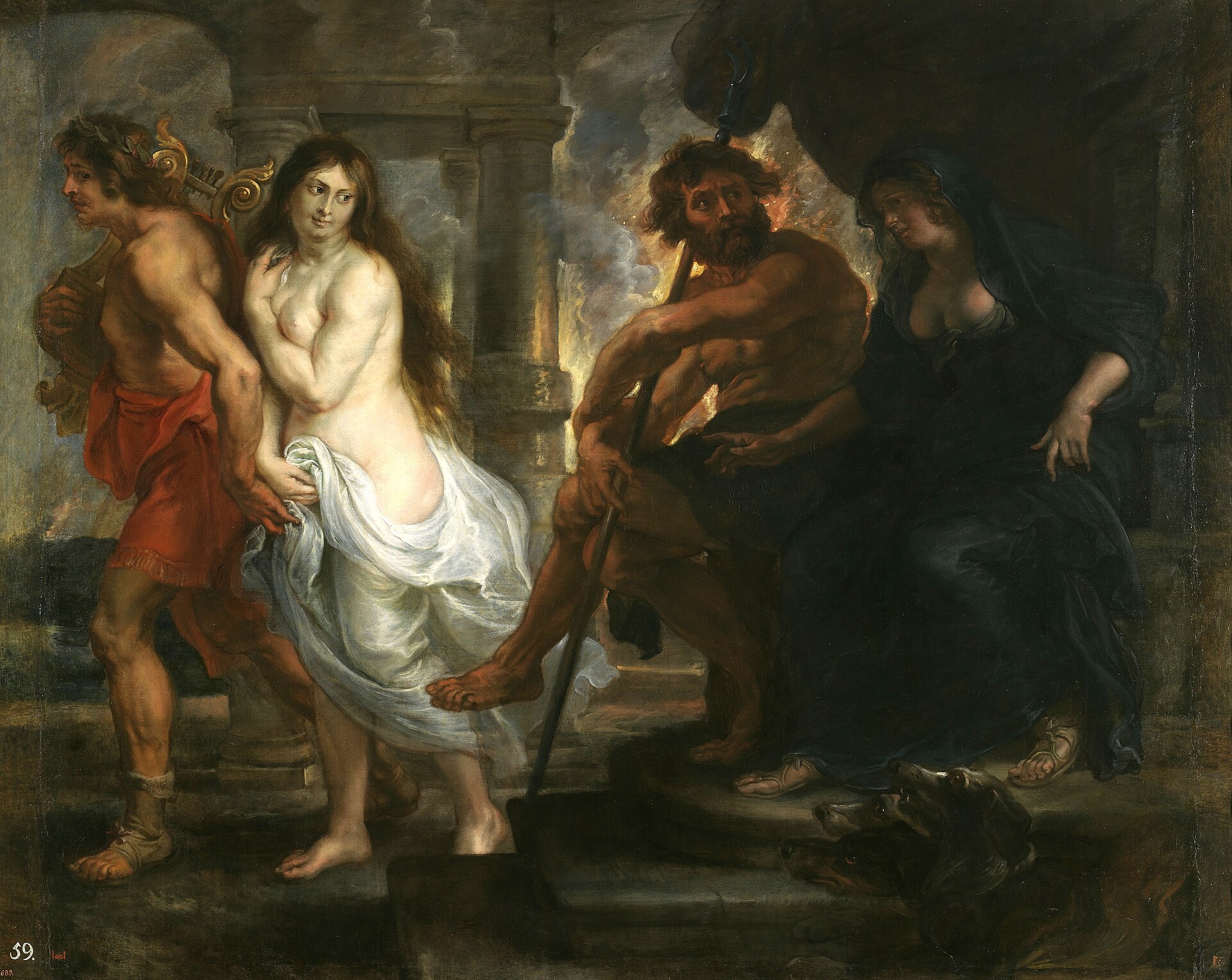

Intercession for a soul
The Rite of Rectification and Release is a prayer for a departed soul's correction, understanding, and permitted movement toward a better condition. It may be offered for a relative, an acquaintance, the forgotten dead, or a group whose suffering moves the practitioner to intercede. Its center is the possibility of amendment under divine judgement.
The Temple's afterlife teaching describes differing conditions of souls and the consequences of spiritual development and conduct. Hades can provide instruction before reincarnation. The teaching on Tartarus distinguishes souls capable of correction from exceptionally rare incurable cases. The Gods know the condition of the soul addressed. The Zevist Doctrine of the Afterlife; Tartarus.
Prayer is therefore offered with care and hope. Ask that understanding be granted where it can be received, that remorse become amendment, and that a burden end when its purpose has been fulfilled. The living need not assign the soul to a particular domain before making this petition.
Plato's Phaedo provides an ancient context for correction after death. Its concluding account connects differing consequences to the soul's condition and includes the reconciliation required of certain souls who have injured others. The concern is the soul's actual transformation. Phaedo 113d-114b.
For a recent death, attend first to the Funeral and Genesia. This intercession follows those observances.
Experience before these rites
Before undertaking any of these necromantic rites, one must have at least three to four years of consistent meditation experience, have practiced beyond the intermediate level, and already be comfortable performing God Rituals. Years of practice should have brought familiarity with sustained concentration, meditation, and the opening and completion of a ritual.
The Hades Power Ritual may be performed beforehand to deepen the connection with the God who governs the realm of the dead and to prepare for these procedures. Allow a quiet interval before beginning the chosen rite.
Dreams when contacting the dead
When contacting the dead, one must attend to dreams and remember what is seen in them. To avoid creating false expectations, no more will be discussed on this page. Pay attention to your dreams.
The words and the inner action
The indented words are ritualistic incantations. Speak them with the image, intention, and feeling described in the surrounding instructions. Read each movement beforehand, enter its visualization, and then give voice to the words. Let the voice be measured and resonant, with a comfortable breath between phrases. After speaking, remain within the prescribed meditation before continuing.
For the Greek opening and optional blessing, speak the Greek text. The transliteration guides pronunciation; the English rendering supplies its meaning. Speak the other incantations in English as printed, replacing each bracketed name or purpose with the one you have prepared.
Imagination gives the will a definite object. In a rite for the dead, form the remembered person before you, or hold a name when the face is unknown. In communion with the Gods, attend to the divine presence and office being honored. Bring sincere feeling to that attention: gratitude, affection, reverence, compassion, or the courage to release. Give each feeling time to become clear without losing command of the mind.
During consultation, alternate deliberate mental address with receptive silence. Once the question has been sent, let the inner voice become quiet. Keep the person's image gently present while allowing room for an impression to arise. The ritual frame explains this practice and links the Temple's meditation teachings.
What is required
Choose the soul or group for whom you intercede. Hold the name, or use “A soul known to the Gods.” Clarify the purpose of the prayer: understanding, amendment, the loosening of a completed burden, and the guidance appropriate to the soul's condition.
A light or libation may accompany the rite. The burden and its loosening are contemplated inwardly. If a stone and loose cord are already part of your observance, they may accompany that image. Give the greater attention to compassion, truthful remembrance, and the will for correction.
1. Declaration
Settle into meditation. Visualize a spacious place illuminated by an even, clear light. Bring the deceased's remembered face before you. Hold their recognizable humanity, including the good you knew and whatever truth gives occasion for this petition. For an unknown soul, hold the name or a quiet, indistinct figure within the same light.
Feel your concern become a wish that the soul understand and grow. Stand inwardly before Zeus with the person held in that intention, then speak the common invocation.
Incantation
ΕΝ ΟΝΟΜΑΤΙ ΤΟΥ ΖΕΒ ΥΨΙΣΤΟΥ, ΠΑΤΡΟΣ ΘΕΩΝ ΤΕ ΚΑΙ ΑΝΘΡΩΠΩΝ
En Onomati tou Zev Hypsistou, Patros Theon te kai Anthropon.
In the Name of Zev Most High, Father of Gods and humanity.
Incantation
Zeus Most High, I bring before you a plea for [name / a soul known to the Gods]. Let truth govern my remembrance and compassion govern my offering. Receive this prayer according to the soul's capacity for correction and the order of divine justice.
Remain still with the image before you. Direct the prayer toward the person's good while keeping the divine judgement clear in your awareness. Allow personal anger, guilt, or longing to become quieter so the petition can be offered with sincerity.
2. The Gods of judgement and passage
Visualize the soul standing in the dominion of Pluto and Persephone, within the truthful measure of Ma'at. Let the light reveal what can be understood. Attend to the possibility of a soul becoming willing to face the consequences of its own life.
Incantation
Pluto and Persephone, sovereigns below, regard this soul according to its deeds and its capacity to learn. Ma'at, sacred measure of truth, let the prayer stand before you in honesty. May understanding reach whatever part of the soul is able to receive it.
Imagine Hekate's torch illuminating a path of instruction. Hold Anubis as guardian of its passage and Nephthys as the presence of care beside sorrow. Let compassion become strong enough to remain with a difficult truth.
Incantation
Hekate, illuminate every road of correction that stands open. Anubis, guard the passage. Nephthys, attend to sorrow and let it find its proper expression before the Gods.
Now contemplate completion under Kronos. Imagine a lesson gradually becoming understood, as a confused pattern resolves into something the mind can recognize. Direct your will toward the fruit of correction and the maturity to carry it onward.
Incantation
Kronos, elder power of completion, let consequence mature into understanding. Where a lesson remains, let it be received. Where its work is complete, let the soul become ready for the next condition.
Pause with the person still before you. Let patience enter the prayer before approaching the image of the burden.
3. The image of the burden
Visualize a knotted cord lying before the soul. Give it only the meaning relevant to your petition: fear that can be understood, ignorance that can be taught, hatred that can yield, or an attachment whose purpose may be complete. Keep the cord outside the body in your imagination. It represents the concern placed before the Gods.
If the deceased is someone you knew, direct the thought toward that particular person through the name and remembered face. If their condition is unknown, offer the image as a petition for whatever correction is appropriate to them.
Incantation
I offer this image of a burden before the Gods. May every necessary truth be understood. May every bond whose purpose is fulfilled be loosened in its proper season.
Imagine the torchlight resting upon the knot. Hold the intention that understanding can loosen what is ready to be loosened. Let one turn of the cord open, leaving space where there was constriction. Feel the relief you wish for the soul, together with the willingness that every necessary lesson be completed. The inward act expresses the prayer entrusted to the Gods.
4. The prayer of rectification
Bring the person's image into focus again. Direct each part of the incantation toward the corresponding transformation. Allow a silence between its movements so the words can become a sustained act of will.
First, imagine clear light reaching the person's awareness. Feel the earnest wish that truth become recognizable and that remorse acquire the strength to change conduct.
Incantation
Gods of truth, death, completion, and return, receive this plea for [name]. Give clarity where ignorance can be overcome. Give remorse the strength to become amendment. Let the soul recognize the consequences of its deeds and become capable of a truer course.
Remain briefly with that clarity. Then return to the loosened cord. Imagine the soul able to stand with greater freedom as understanding replaces what can be outgrown. Let your own compassion remain steady through this movement.
Incantation
Where fear has ceased to teach, let fear loosen. Where attachment has completed its work, let the bond fall away. Where hatred can yield to understanding, open that possibility. Let every step be proportionate to what the soul can receive and sustain.
Visualize a road becoming visible beyond the place of instruction. Hold Persephone's care at its opening, Hermes as guide, and Hekate's torch illuminating the crossing. Offer the readiness for a permitted next step.
Incantation
Persephone, if the season of ascent has come, reveal it. Hermes Psychopompos, where movement is granted, guide the traveler. Hekate, illuminate the crossing. Pluto, hold the judgement in your care. Zeus Most High, grant what accords with divine law.
Let the whole petition gather into one image: the soul able to receive understanding, accompanied by the Gods toward the condition appropriate to it. Feel hope without attempting to determine the judgement yourself.
Incantation
May this soul learn what can be learned, amend what can be amended, and receive the guidance appropriate to its condition. May every completed burden give way to a more truthful life of the soul.
Remain in silence with this wish fully offered.
5. Compassion and silence
Let the imagined cord and its details fade. Hold only the person within the care of the Gods. Gather any remaining sorrow into the simple wish for their good. A little libation may accompany the following words.
Incantation
I give this in remembrance and compassion. May the offering accompany the prayer, and may the prayer reach its rightful place before the Gods.
Keep the inward address gentle. Remain with the person for a quiet interval, then gradually yield the image into the divine light. Let the emotional effort of pleading settle into trust. If a duty among the living has become clear, remember it without leaving the meditation to plan every detail.
6. Release and closing
Bring the name to mind for the final address. Feel the difference between offering care and continuing to carry the soul's course as a demand of your own. Visualize the person accompanied by the divine guides, with the road ahead belonging to their care.
Incantation
[Name], I place this prayer before the Gods and entrust your course to them. I release you from every demand of mine. May you receive the instruction, correction, and guidance that belong to you.
Allow the image to move beyond the place of petition and gently recede. Withdraw your extended attention. Let the knot, the road, and the imagined setting dissolve while gratitude for the Gods remains.
Incantation
Hekate, close the threshold of this observance. Hermes, guide every permitted departure. Persephone, keep the season of return. Kronos, complete what is ready for completion. Pluto, preserve the order of the dead. Zeus Most High, let truth, justice, and mercy stand together.
Feel the body in which you now live: its breath, its weight, and its contact with the seat and floor. Open your eyes and become fully attentive to the room. Extinguish any lights used. Let the compassion cultivated here accompany the living duties that belong to you.
Study and continued observance
Study should accompany practice. Read the Afterlife and Death section together with the Zevist Doctrine of the Afterlife, the Funeral, and the Temple's teaching on necromancy. For ancestral devotion, study the Ritual of the Great Ancestors.
For the ancient evidence, the primary passages cited above give a sound beginning. Daniel Ogden's Greek and Roman Necromancy (Princeton University Press, 2001) provides an extended study of the practice and its places. Sarah Iles Johnston's Restless Dead (University of California Press, 1999) examines the changing place of the dead in Greek religion. Fritz Graf and Sarah Iles Johnston's Ritual Texts for the Afterlife, second edition (Routledge, 2013), supplies the gold tablets with translation and commentary. UCL's Digital Egypt for Universities provides translated letters and the objects that carried them.
Let the fruits of the rites be visible in life: clearer understanding, faithful remembrance, fulfilled duties, and greater devotion to the Gods. The generations stand in relation to one another. What we receive becomes our responsibility; what we cultivate becomes our offering.