 አማርኛ
አማርኛ العربية
 বাংলা
বাংলা Български
 中文
中文 Čeština
 Dansk
Dansk Deutsch
 Eesti
Eesti Ελληνικά
 Español
 Français
 हिन्दी
 Hrvatski
 IsiZulu
 Italiano
 日本語
日本語 Kiswahili
 Magyar
 Македонски
 नेपाली
 Nederlands
 فارسی
فارسی Polski
 Português
 Română
 Русский
 Slovenščina
 Suomi
Suomi Svenska
 Tagalog
 Türkçe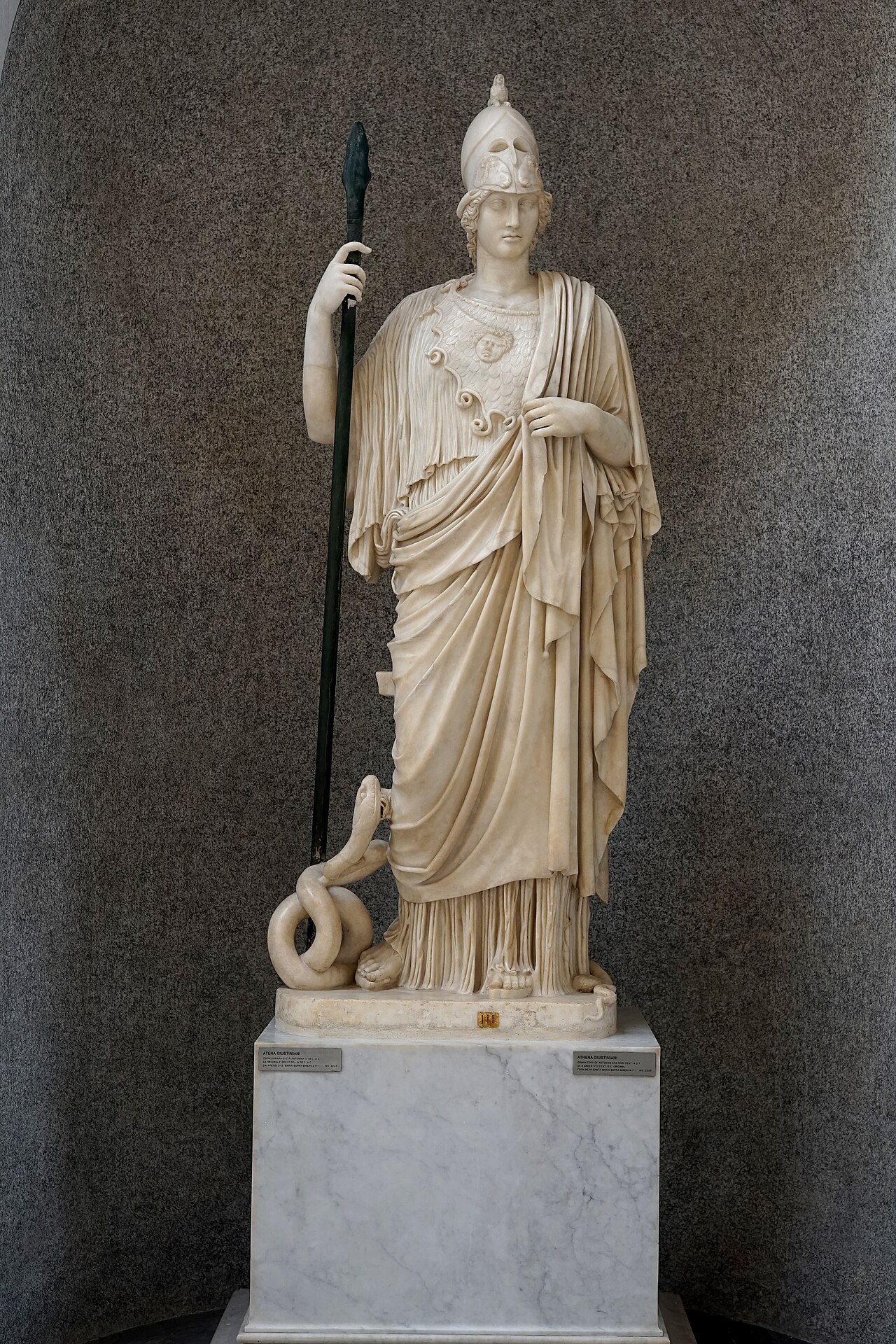
Protection under divine authority
The aegis bears the protective power of Zeus and Athena. Its inward meaning joins an empowered aura with awakened discernment: the soul preserves its coherence, withstands confusion, and keeps its attention directed toward the Gods. Its place beside the thunderbolt reveals another expression of sovereignty, the guarding of an ordered whole.
Protection in this reading is active and purposeful. A boundary exists to preserve the conditions in which life, learning and devotion can develop. The aegis calls the devotee to sustain a clear, luminous spiritual presence. It directs attention toward the qualities through which a person meets difficulty: composure, courage, clear judgment and fidelity to a governing purpose.
The aegis and the luminous boundary of the soul
The aegis expresses Divine guardianship through a sacred enclosure. In Zevist spiritual work, its inward correspondence is the empowered aura: the luminous boundary through which the soul preserves its coherence and directs its relation with surrounding influences. The image teaches a protection filled with active presence. Zeus supplies sovereign authority, while Athena brings the intelligence that recognizes what should be received, what should be kept at a distance, and what requires a clear response. [4][5]
Its protective power is joined to the heart and the will. The aegis is worn across the breast of Athena in many images, placing a formidable Divine sign over the living center of the figure. Contemplated inwardly, this relation calls the soul to preserve its capacity for devotion, courage, and lucid intention. A firm boundary allows the heart to remain receptive with discernment. The spiritual being gathers strength around what is worthy of cultivation.
Athena’s clear sight and the guarded inner temple
Athena’s guardianship depends upon perception. The third eye and the pineal center belong to the Temple’s mysteries of inward sight; in the aegis, that sight enters the work of protection. Spiritual clarity recognizes the difference between a guiding influence and a distracting impulse. The devotee approaches Athena for the wisdom to hold a purpose steadily and to understand the conditions under which that purpose can flourish. [6]
The Gorgon face carried upon the aegis gives this guardianship a concentrated expression. Its gaze meets what approaches and declares the presence of a power that can withstand it. In contemplation, the image supports an intention of gathered strength: the aura luminous, attention clear, the will steady, and the heart established in devotion. The guarded inner temple becomes a place in which the Gods’ powers can be received and developed with continuity.
Guardianship and the formation of courage
In Zevist contemplation, the connection between Zeus and Athena can be read as the cooperation of authority and wisdom. Power is most dependable when it can perceive what it protects and why. The aegis becomes an image of that relationship: strength is held within a meaningful order, and insight is supported by the courage needed to act upon it.
The image can also invite reflection on the soul's boundaries. What deserves sustained attention? Which habits preserve clarity, and which dissolve it? These questions give the symbol an active place in disciplined spiritual life. The protective attribute of the Gods becomes a focus for a soul made stronger, clearer, and more receptive to Divine guidance.
The ancient object and its divine bearers
In Iliad 5.733–742, Athena puts on the aegis with its fearsome adornments and the Gorgon's head. The passage identifies a formidable divine protection associated with the power of Zeus. In Iliad 15.229–230 and the ensuing battle scene, Zeus instructs Apollo to take the aegis. The literary evidence therefore does not confine it to one ordinary piece of human armour or one exclusive bearer. [1][2]
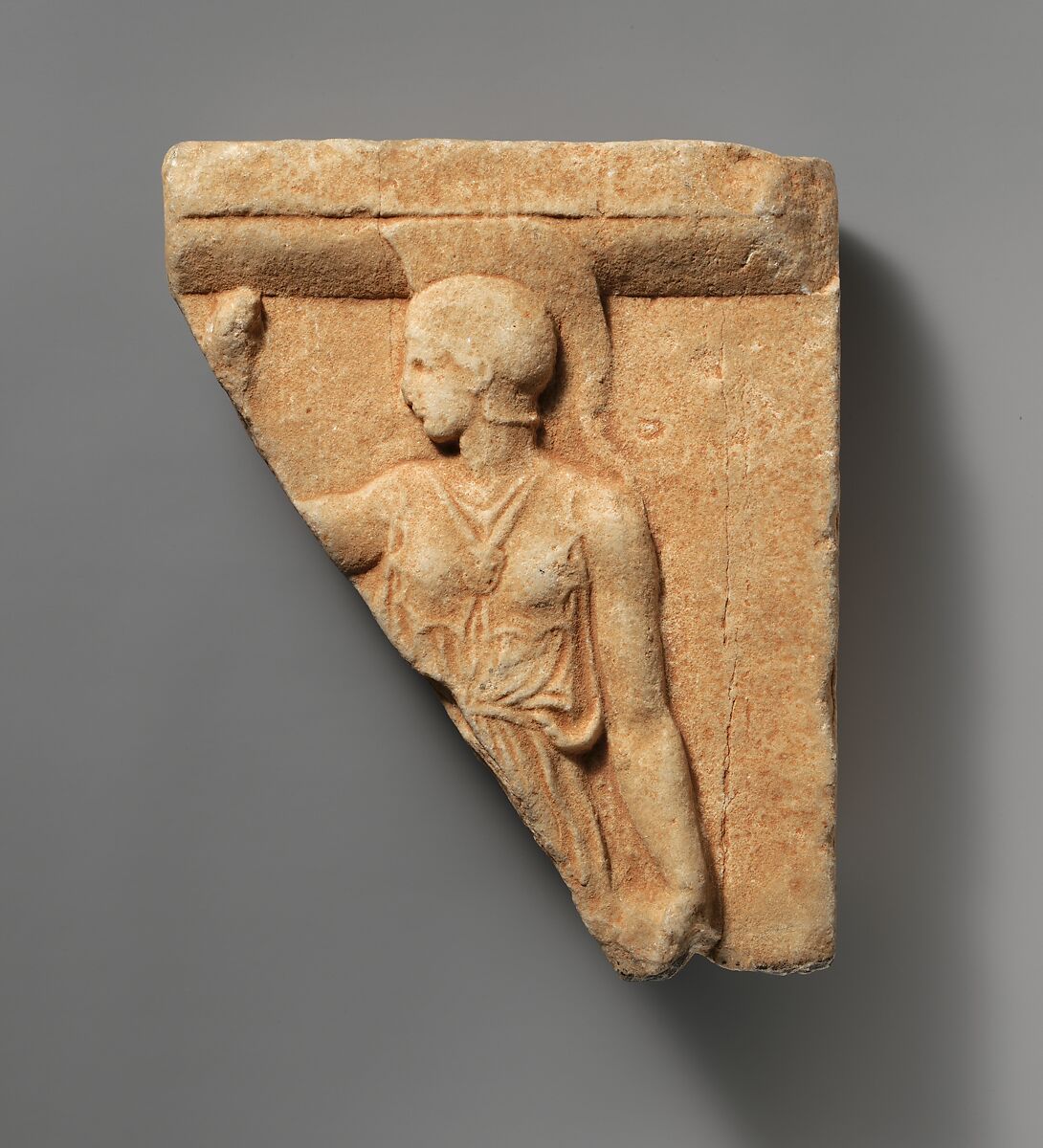
Ancient visual forms also vary. A marble relief fragment in the Metropolitan Museum, dated about 405–390 BCE, depicts Athena wearing the aegis over Her chest. The museum describes it as a protective goatskin given by Zeus. This identifiable Attic work allows the reader to see the attribute in an ancient devotional setting, rather than relying entirely on a modern reconstruction of what it should look like. [3]
The aegis and the gorgoneion are distinct even when they occur together. The gorgoneion is the Gorgon's head; the aegis is the larger divine attribute that may bear it. Homer combines the two in his description of Athena's equipment, and visual works develop that relationship in different ways. An isolated Gorgon mask is therefore a gorgoneion; its presence alone does not identify an aegis. [1][3]