




Zeus and divine authority
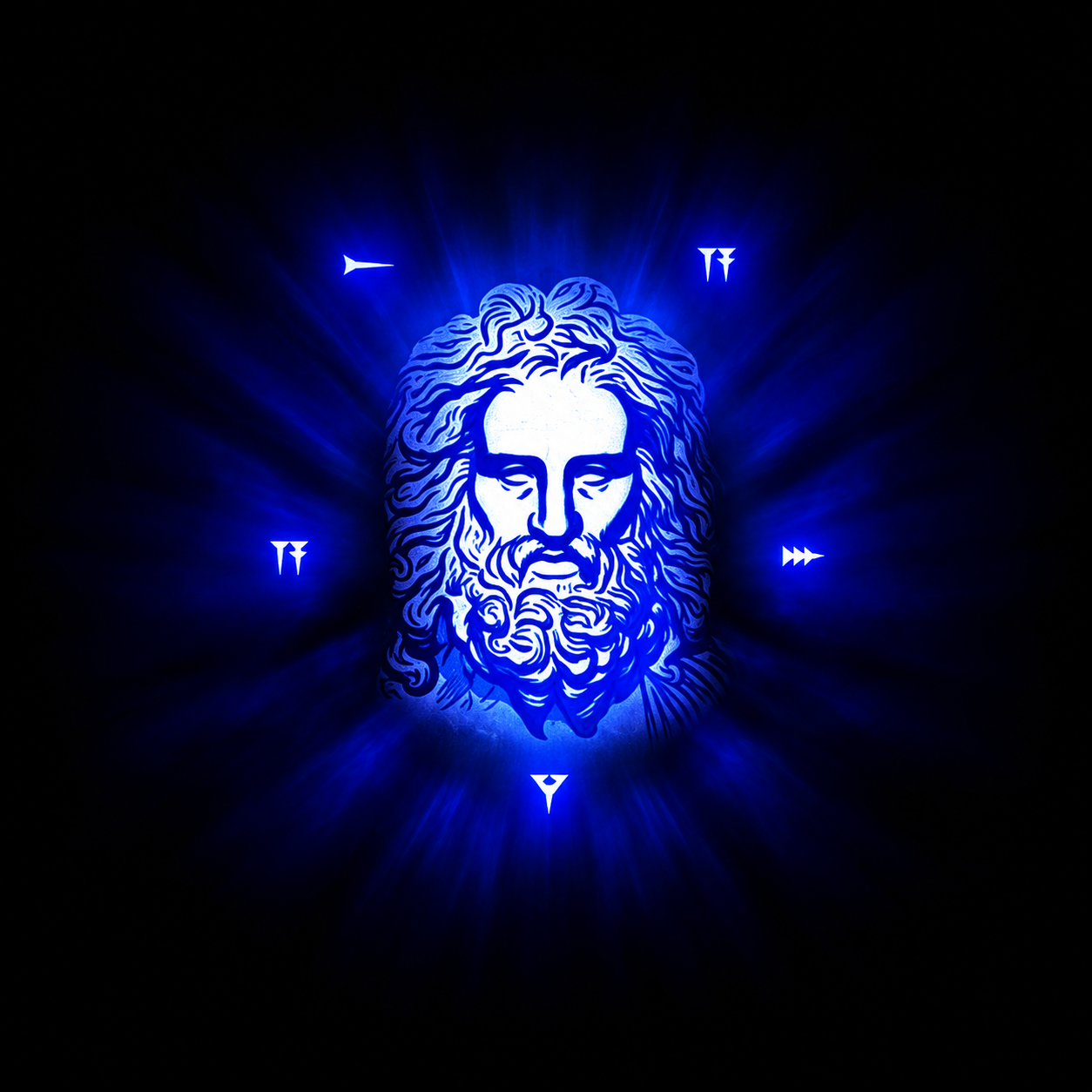
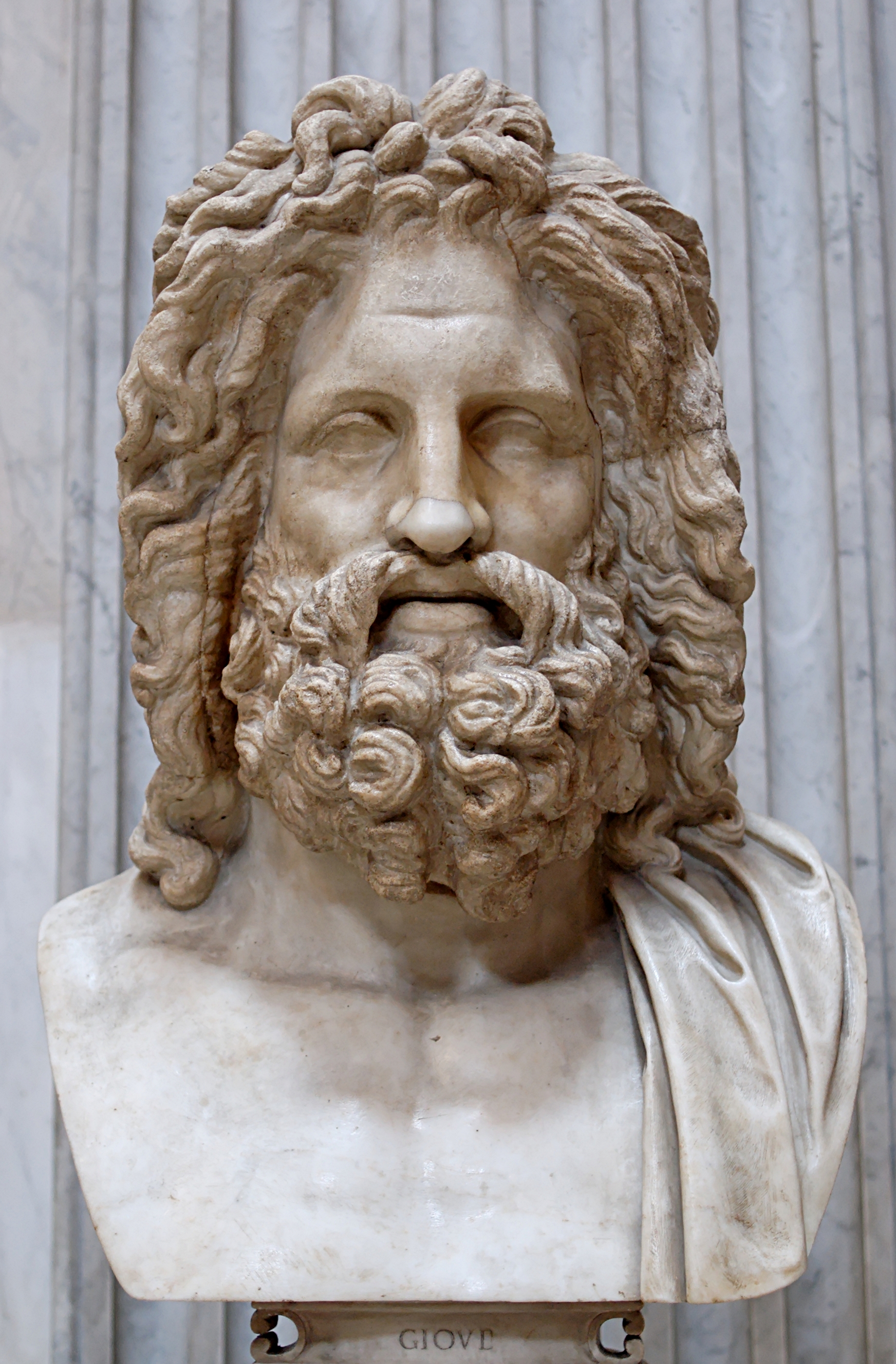
The Head of Zeus
The sacred countenance of Zeus expresses divine sovereignty, intelligence and the unity of creation; the Temple emblem gathers the five elements around Him.
Explore the symbol ↗The Temple
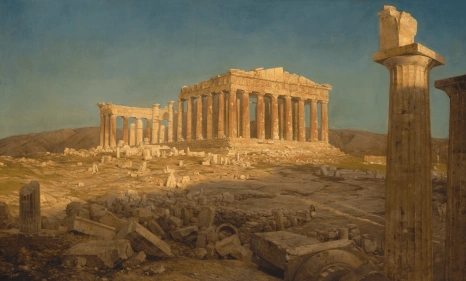
Temple of Zeus
The welcome to the Temple of Zeus and Zevism: the Ancient faith behind all Ancient religions, its Head God and His many names, the practices for opening the chakras, freedom of belief, the Gods restored to Their true Names, and Initiation as the first step.
ReadThe Gods
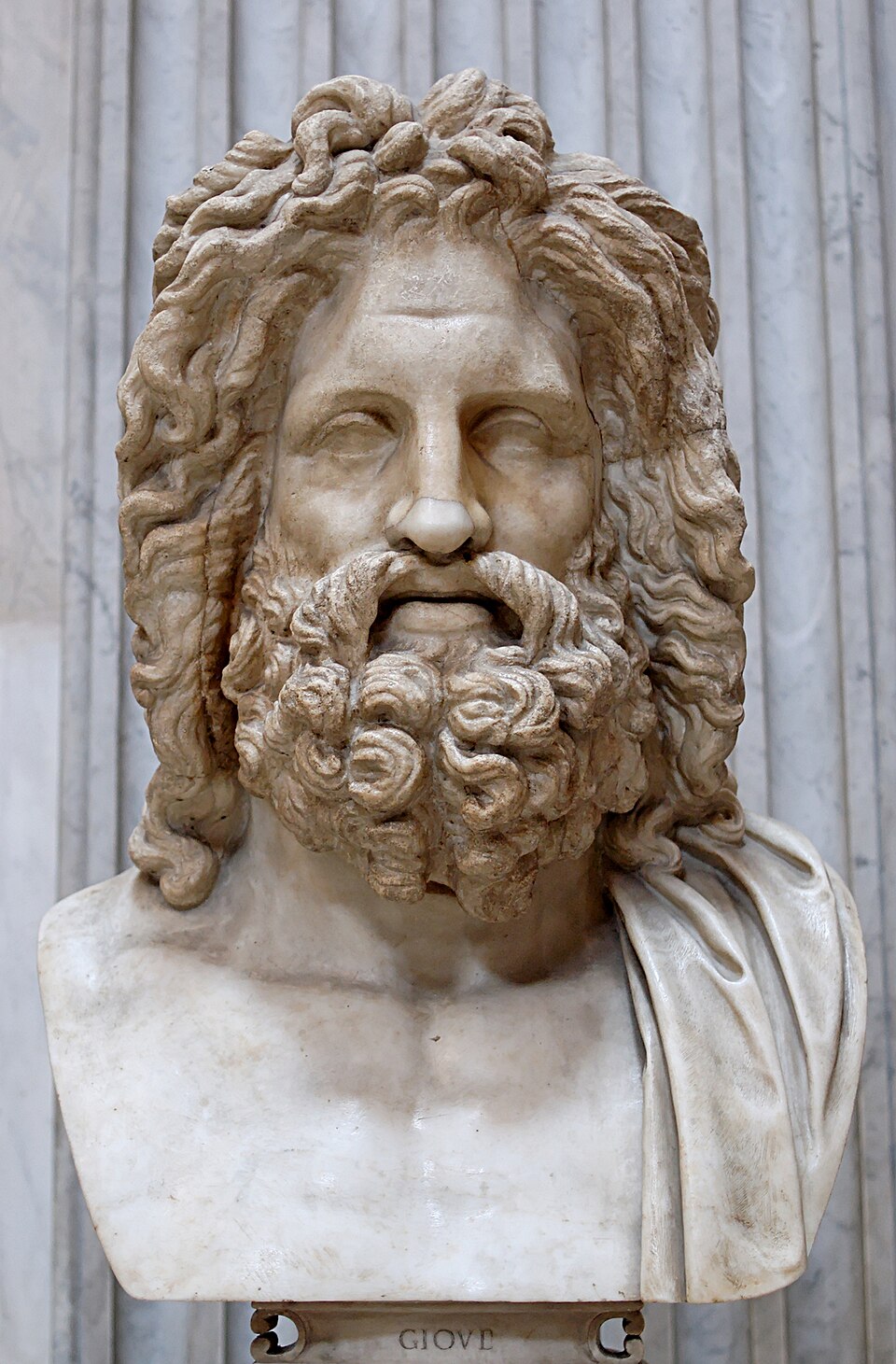
The Ancient Gods
The Truth about Zeus: the original, eternal Head God of humanity worshipped across every civilization on Earth under many names.
ReadMeditation
Meditation Information
Encyclopaedia of meditation: power meditation, awareness practices, chakras, energy work, and the path to spiritual advancement and siddhis.
ReadMagick
Magick & Theurgy
Magick & Theurgy: the powers of the mind and soul, built on power meditation. The Magick Section holds the Chthonic Powers and the Theurgy Section the Heavenly Powers, each from Beginning to Advanced with Divination and Information; General Information, Knowing the Powers, serves both.
ReadTeachings
Our Doctrines
Sacred texts and doctrines of the ancient world, Egyptian, Greek, Sanskrit, Babylonian, Norse, Roman, and Japanese spiritual writings.
ReadCommunity
The Temple of Zeus Community
People who historically have done great acts, are recognized as Zevist personalities who evolved mankind.
ReadLibrary
Study and Reference
author: High Priest Zevios Metathronos
Visible forms of Divine meaning.
A path through the sacred language of the Gods.
The sacred symbols of Zevism reveal the powers of the Gods and the mysteries of the soul. Each form gathers a living spiritual correspondence: the awakening of inner sight, the ascent of the sacred serpent, the illumination of the chakras, or the Divine order through which the soul approaches the Godhead.
The origin of the word
σύμβολον
Symbolon: a token, a sign, a means of recognition. Related to συμβάλλω, “to bring together.”
A visible form brings the mind into relation with a meaning beyond itself.
The English word “symbol” comes through Latin symbolum from Ancient Greek σύμβολον (symbolon). In one concrete Greek use, a symbolon was either of two matching pieces of an object: their fit allowed the holders to recognize one another or confirm a relationship. The word also came to denote a token or sign. [1][3]
The related verb συμβάλλω (symballō), whose present infinitive is συμβάλλειν (symballein), joins σύν, “together,” with βάλλω, “to throw” or “cast.” Its senses include bringing together and comparing. This history of the word brings recognition and relationship into view: a sign joins what is seen to what is understood. [2]
For the Zevist, the symbol joins the visible world to Divine power. The Gods reveal Their qualities through sacred animals, plants, numbers, colors, and forms. These same powers have inward correspondences in the soul: the oak speaks of the pineal center and third eye; the serpent of Kundalini; the cup of the inner Grail; the wings of spiritual freedom. Study, devotion, and contemplation bring the sacred form into the work of awakening. [4][5]
The symbols are read with
Every symbol is drawn in forms and counted in numbers: the point and the circle, the line, the triangle and the square; the One, the Three, the Four and the Seven. The symbols interact with these two, and what a symbol means is read through its figure and its number. To understand the symbols, one must understand Sacred Geometry and Numerology as well.
63 symbols
Enter a symbol’s mystery: its Divine power, occult correspondences, spiritual applications, and ancient witnesses.
No symbols match this search. Try another word or reset the filters.
The sacred countenance of Zeus expresses divine sovereignty, intelligence and the unity of creation; the Temple emblem gathers the five elements around Him.
Explore the symbol ↗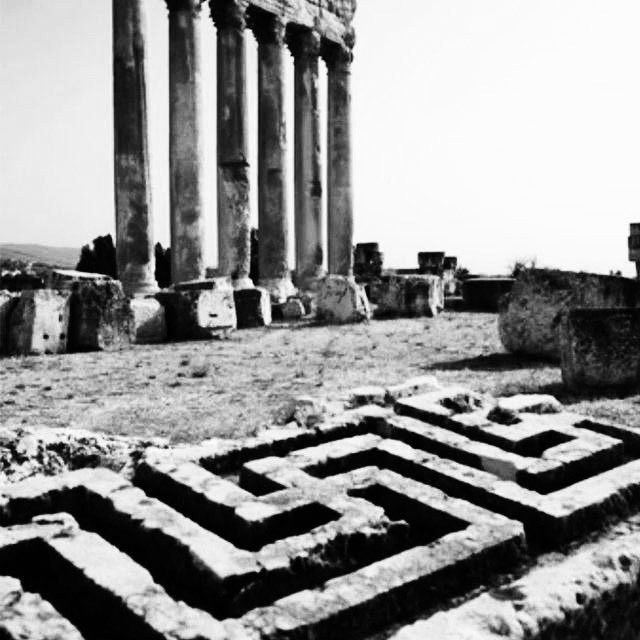
Ancient revolving geometry and the thunderbolt illuminate Zevist teachings on elemental order and divine power, with an explicit rejection of political appropriation.
Explore the symbol ↗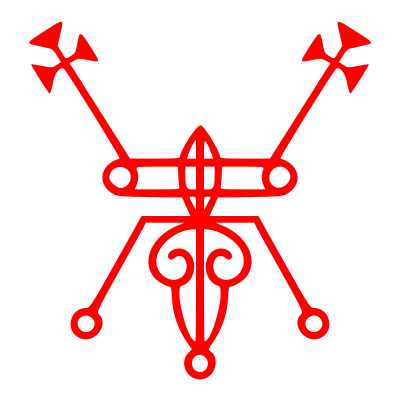
The Goetic sigils are sacred signs of the Ancient Gods in Zevism, carrying mystical knowledge and ritual applications within a tradition of divine seals reaching back to Babylon.
Explore the symbol ↗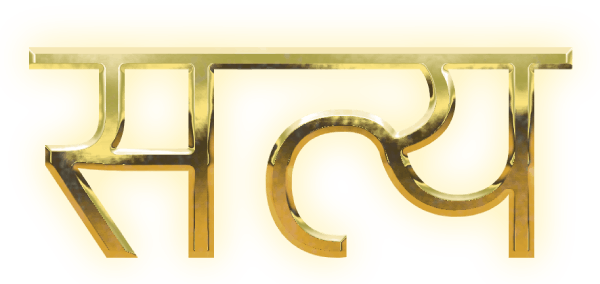
The Sanskrit word सत्य gives visible form to truth, reality and truthfulness; Zevist contemplation joins reverence for truth with integrity in thought and speech.
Explore the symbol ↗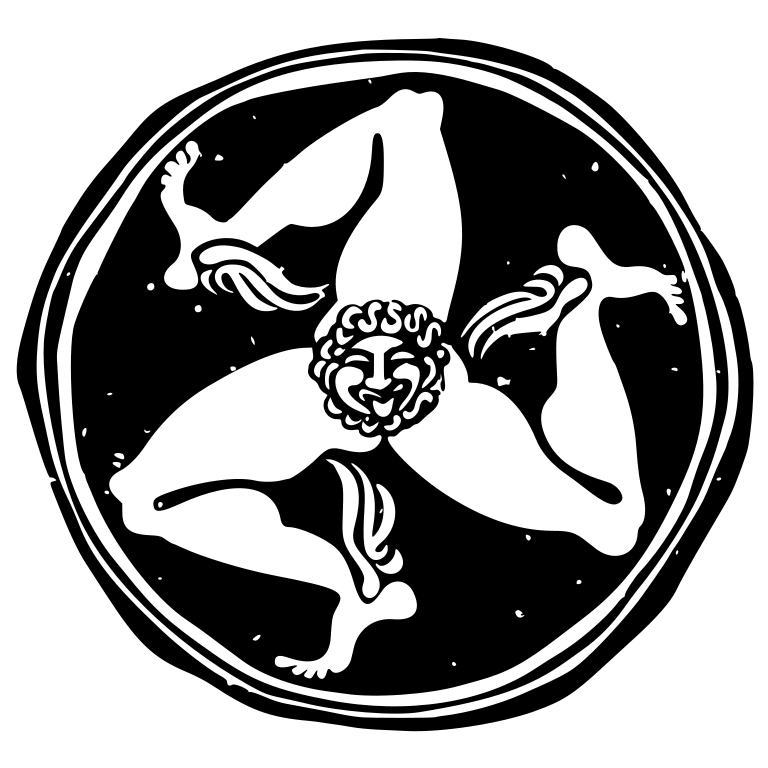
Three forms moving from one centre express creation, preservation and transformation in Zevist interpretation, while ancient objects reveal a varied history of the motif.
Explore the symbol ↗
The eagle unites divine sovereignty and elevated vision; ancient testimony and Zevist contemplation illuminate the relationship between clear perception, spiritual ascent and disciplined power.
Explore the symbol ↗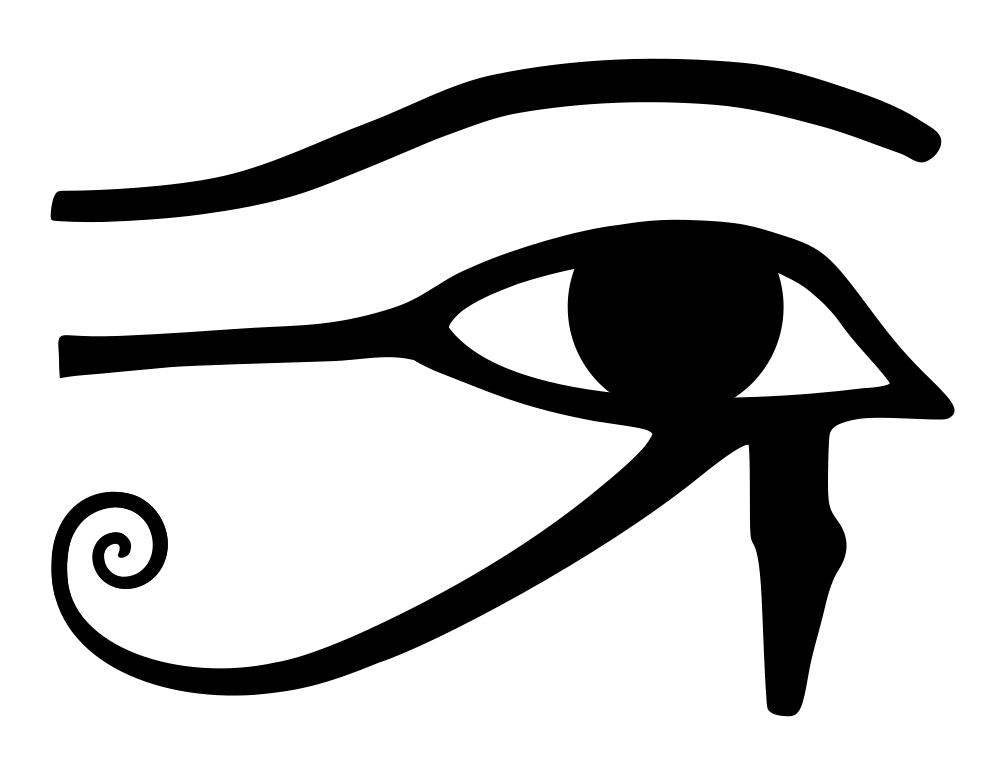
The sacred eye expresses awakened perception in Zevism; its Egyptian history reveals complementary meanings of restoration, protection, royal guardianship, and divine vision.
Explore the symbol ↗
The serpent represents ascending spiritual power in Zevism, alongside ancient Egyptian protection and the Greek healing tradition associated with the God Asclepius.
Explore the symbol ↗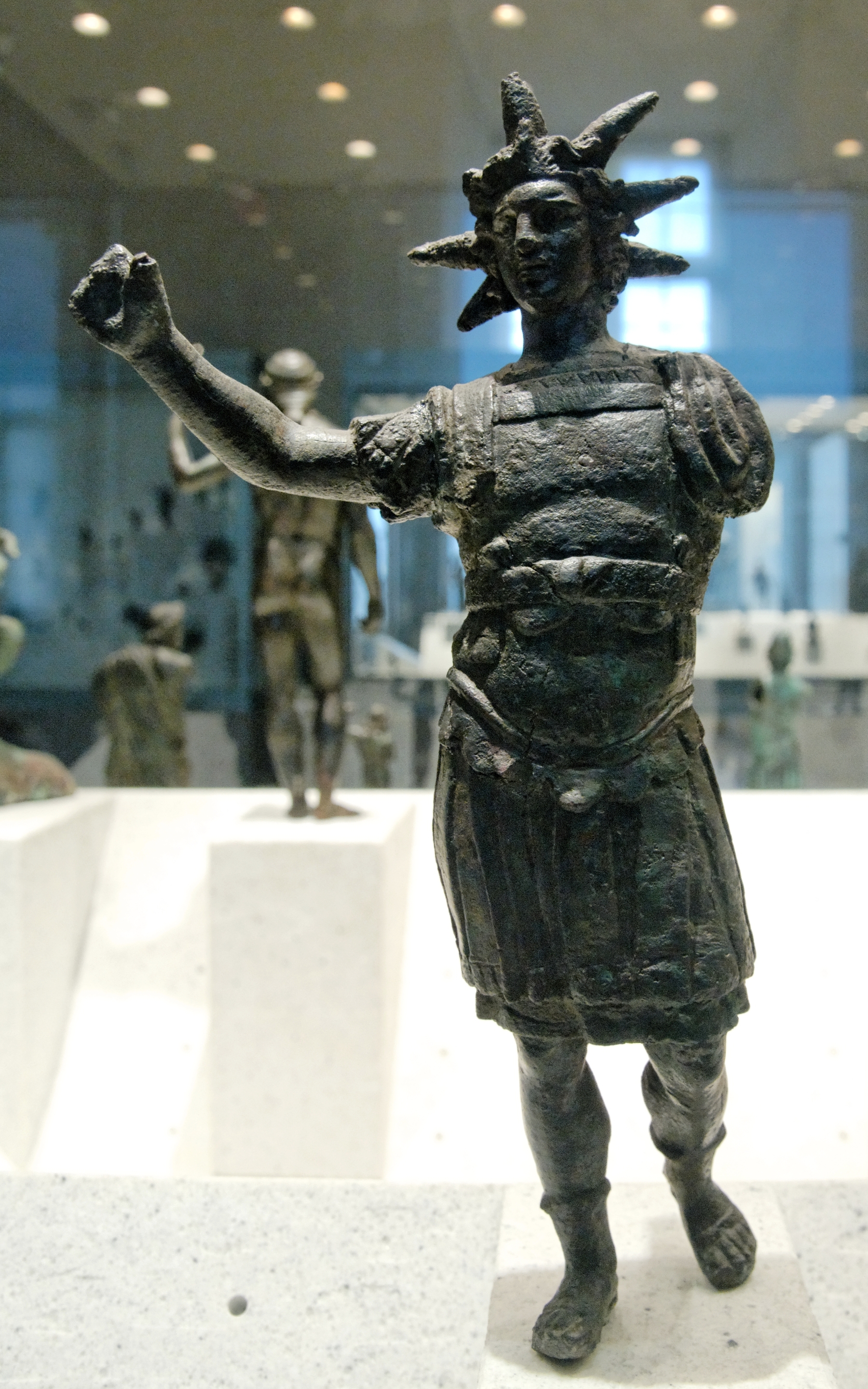
The rays of Helios and the sacred halo express illumination in Zevism, while distinct ancient crowns retain their own histories and divine associations.
Explore the symbol ↗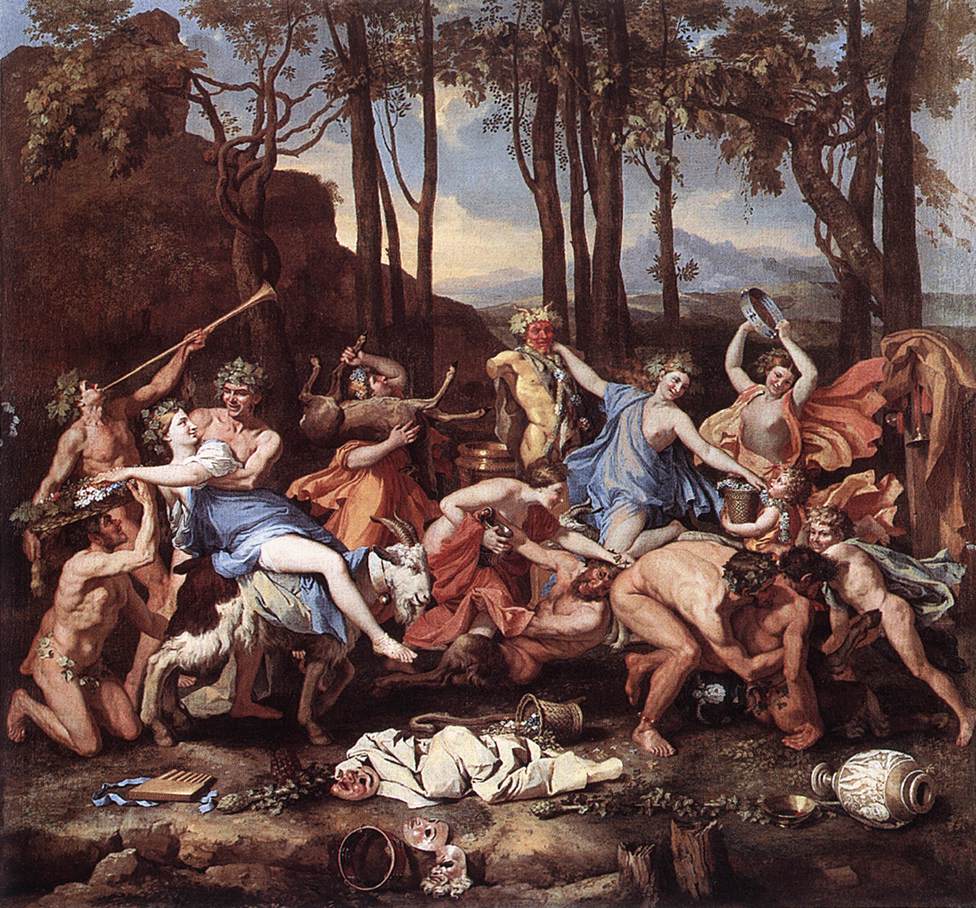
Pan brings the vitality of nature into Zevist symbolism: divine life in the mountains, the dignity of embodiment, and breath shaped into sacred music.
Explore the symbol ↗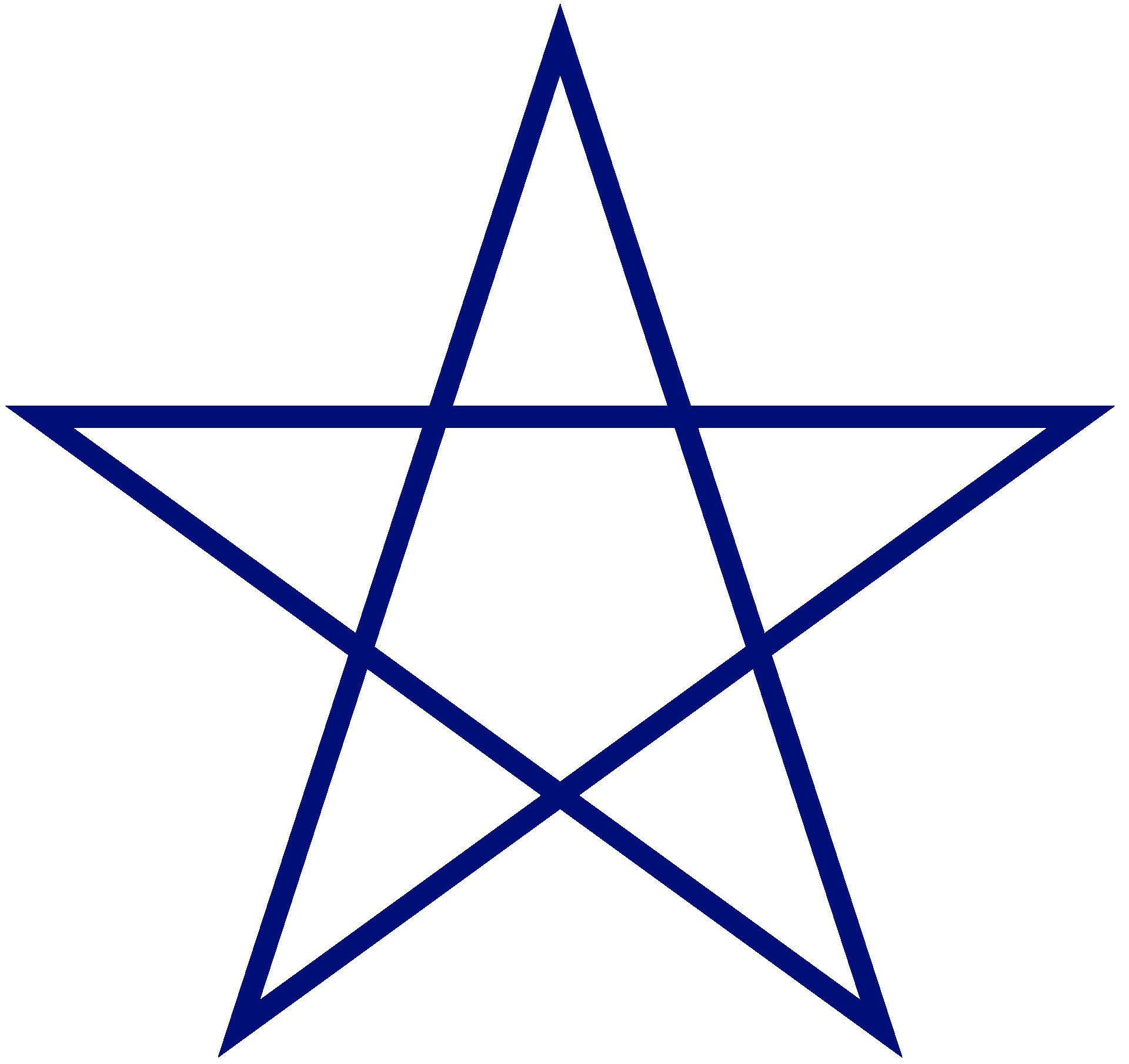
The five-pointed star joins proportion, wholeness and directional spiritual meaning; ancient testimony, exact geometry and the Venus cycle clarify its different layers.
Explore the symbol ↗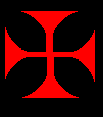
Four equal arms meeting at one centre express balance, orientation and the soul's alignment; the sacred geometry is distinguished from the modern Iron Cross decoration.
Explore the symbol ↗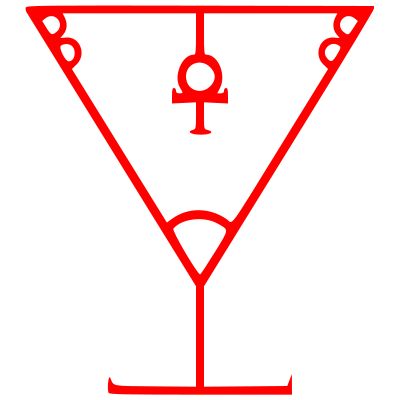
The Grail of Zeus is the solar vessel of the soul: the power to receive Divine illumination, refine it through the chakras, and establish enduring spiritual life.
Explore the symbol ↗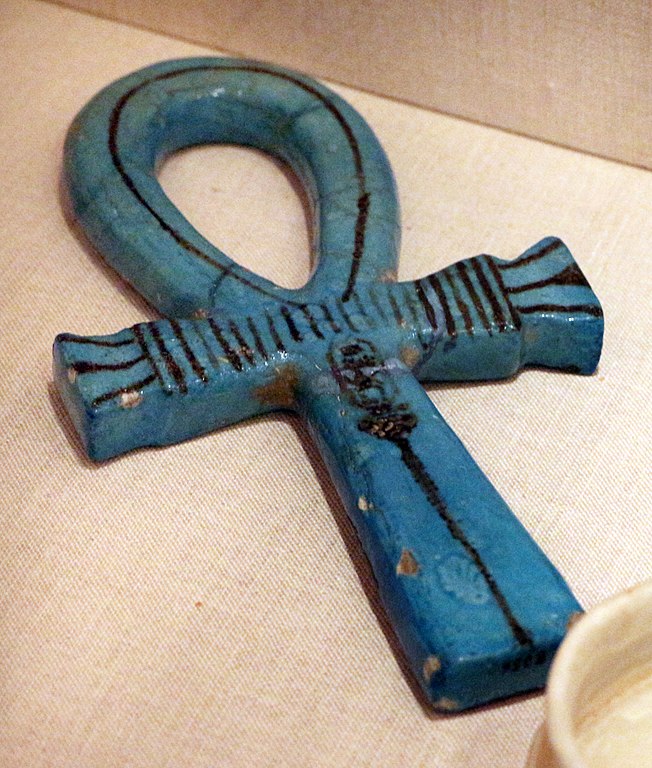
The ankh unites the Egyptian sign for life with Zevist contemplation of breath, the heart chakra, and the soul's participation in divine vitality.
Explore the symbol ↗
Sacred colors direct the soul toward distinct Divine powers: blue for truth and expansion, gold for solar sovereignty, and a luminous spectrum through which the chakras become intelligible.
Explore the symbol ↗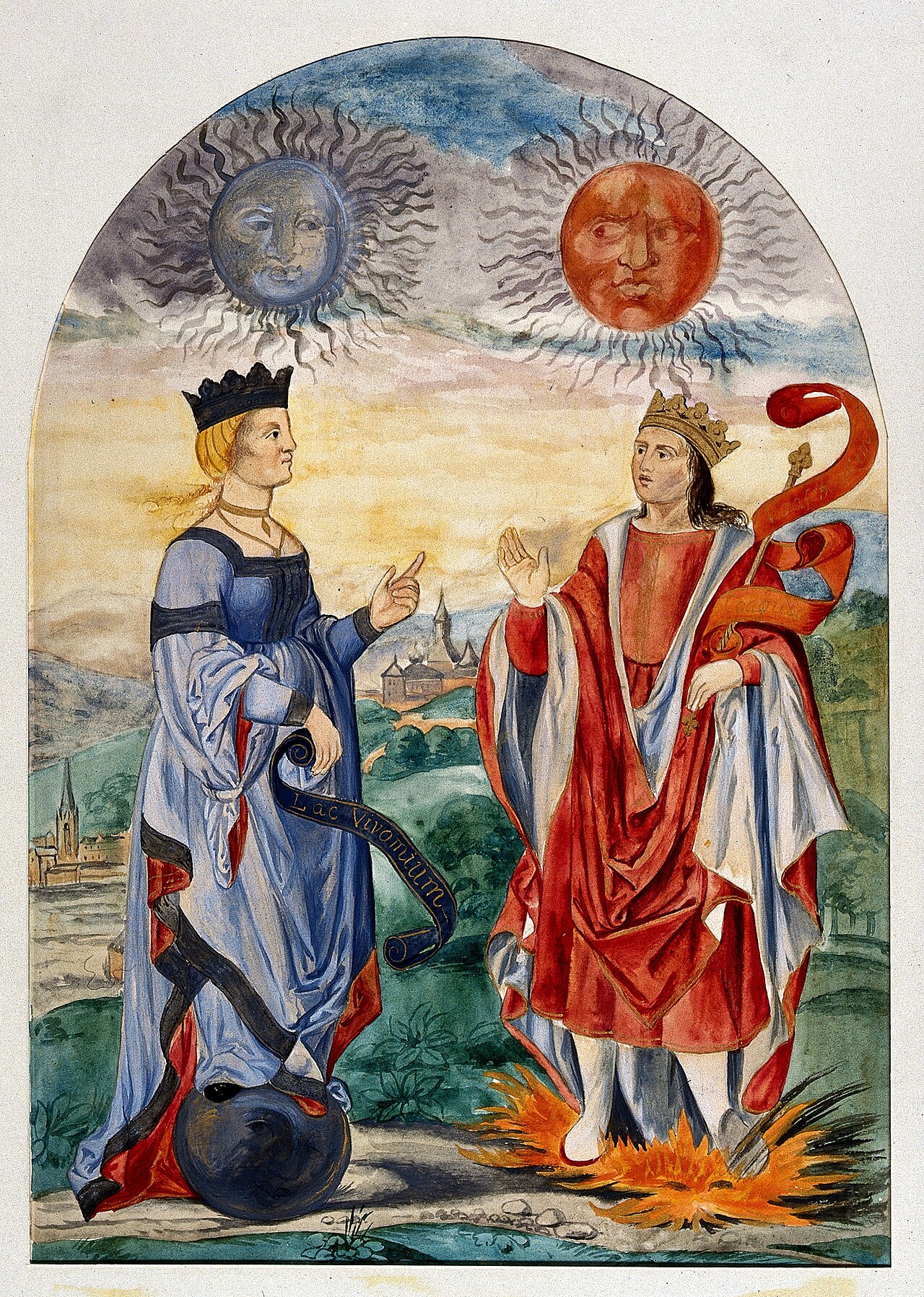
Black Ida, red Pingala, and white Sushumna express the soul’s threefold circulation: receptive depth, active fire, and the central path through which spiritual powers enter harmony.
Explore the symbol ↗
Sacred darkness is the receptive depth of the soul: the chamber of dreams, intuition, creation, and latent serpent power through which Divine illumination can take root.
Explore the symbol ↗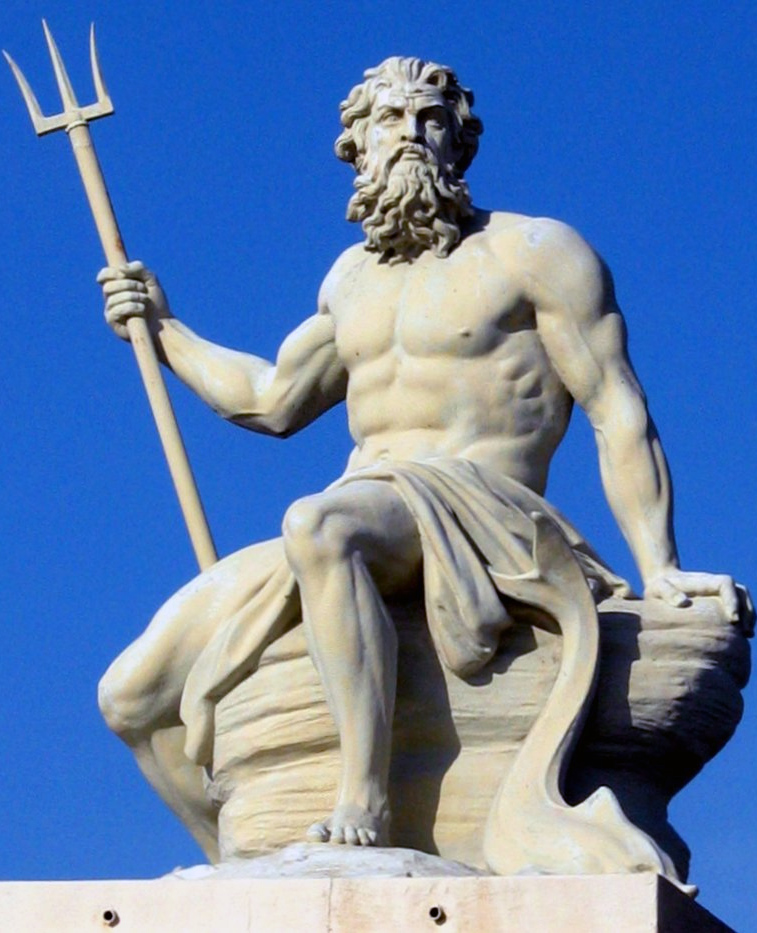
Poseidon's trident expresses divine mastery of the sea, while Zevist interpretation relates its three points to the opening of the soul's spiritual knots.
Explore the symbol ↗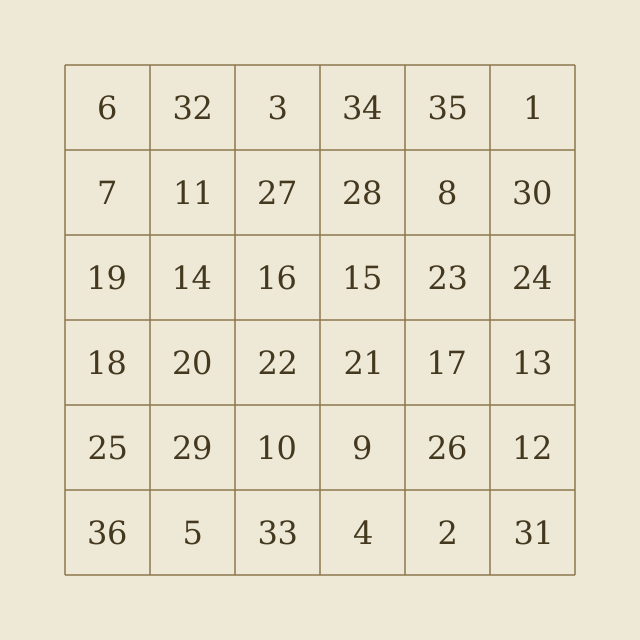
The sacred number 666 expresses the solar powerhouse of the soul: sovereign will, luminous integration, and the inward Temple through which Divine power becomes established.
Explore the symbol ↗
Infinity expresses the enduring life of the perfected soul, the reciprocal movement of spiritual power, and the eightfold radiance of the Temple of the Sun.
Explore the symbol ↗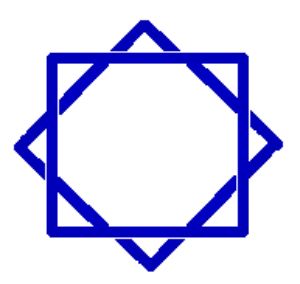
Astarte's Temple emblem expresses the balanced activity of Ida and Pingala and the awakening of Sushumna, bringing the soul's powers into a living harmony.
Explore the symbol ↗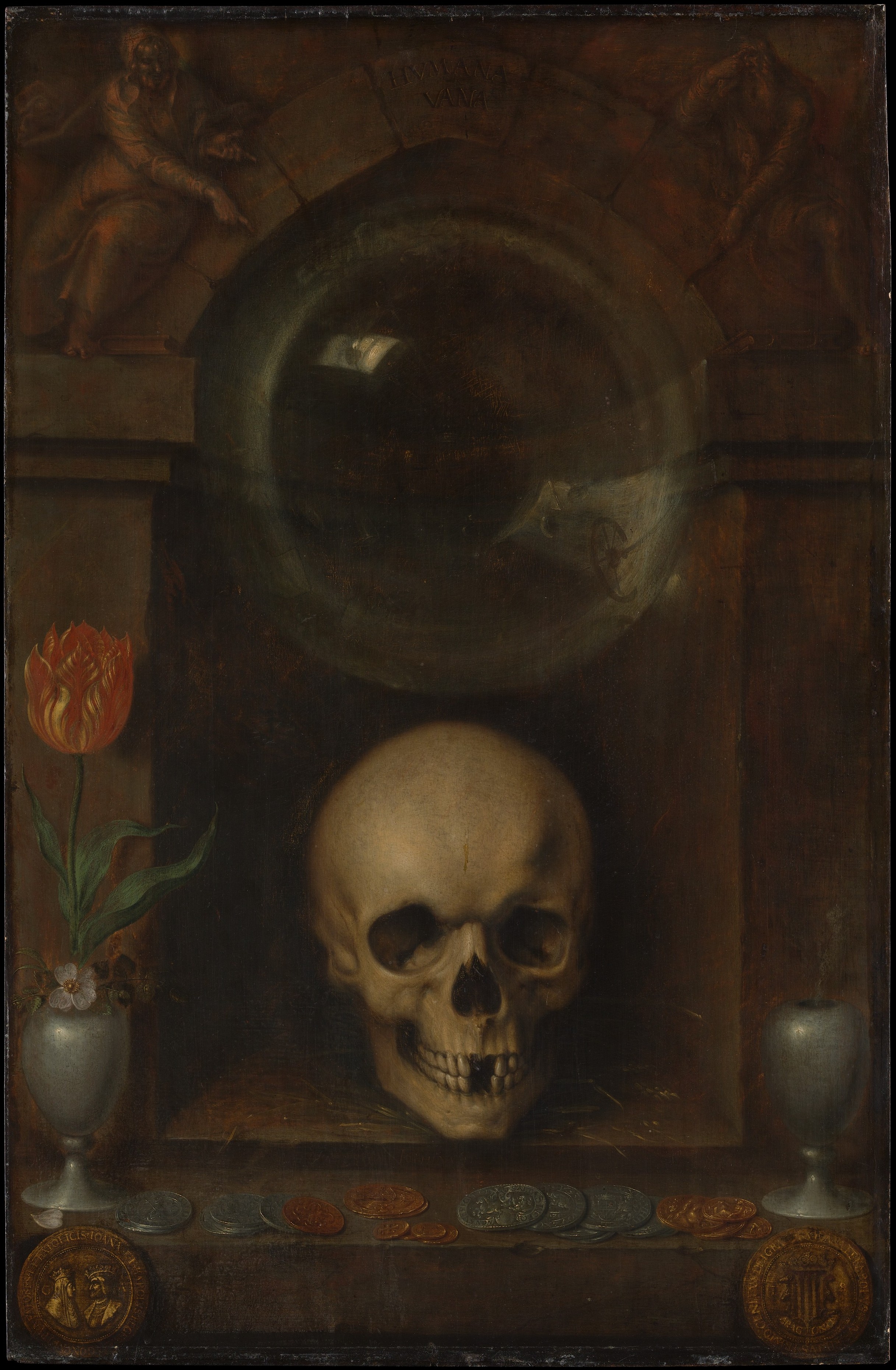
The skull reveals nigredo, the alchemical stripping away of obstruction through which the soul recovers its essential power and prepares for luminous renewal.
Explore the symbol ↗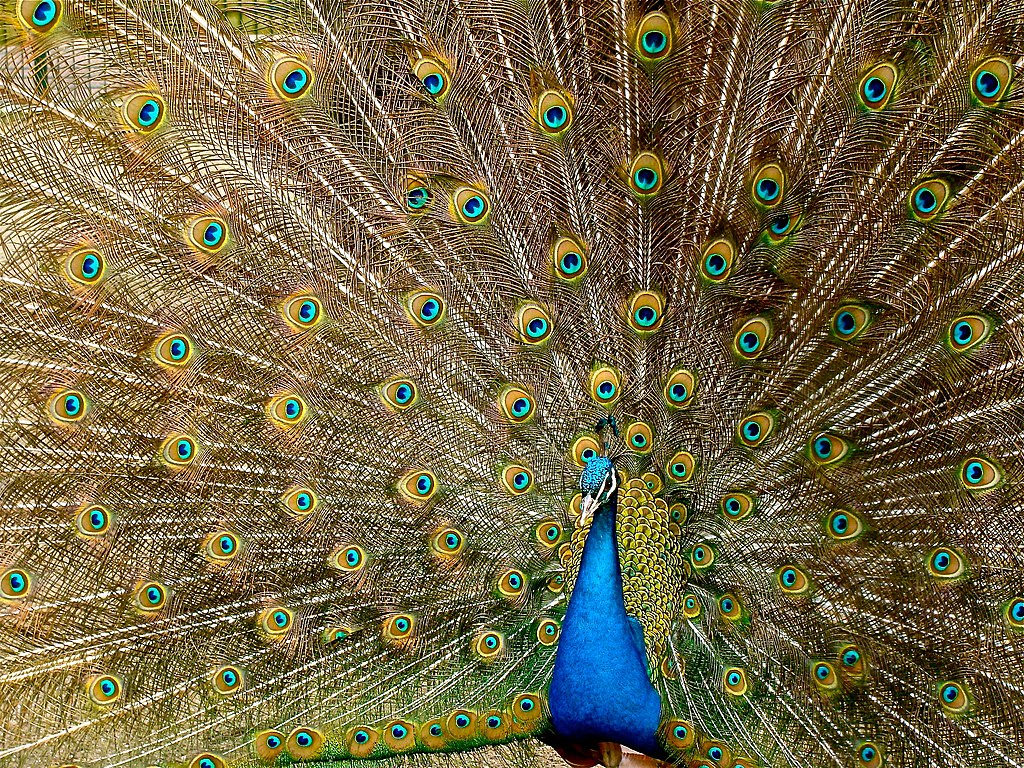
Hera's peacock joins beauty and vigilance; in Zevism its many eyes and colours express expanded perception and a luminous stage of spiritual transformation.
Explore the symbol ↗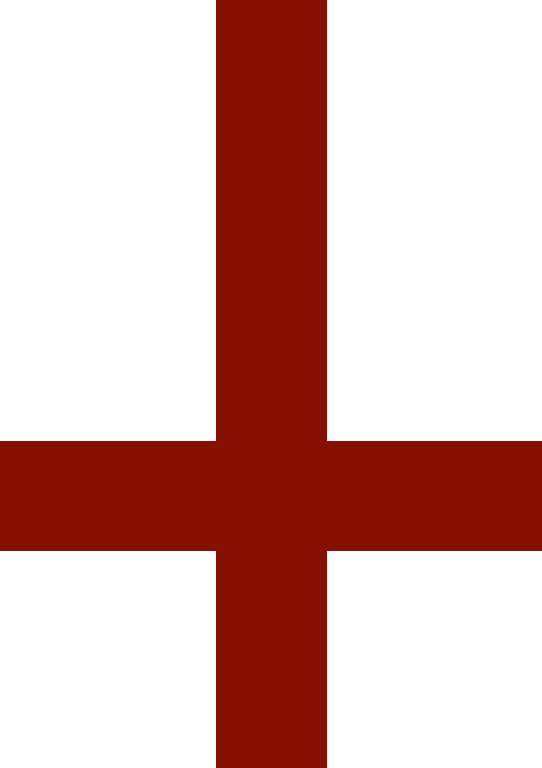
The chakra cross expresses the aligned soul, the descent and establishment of Divine power, and the solar architecture through which the inward Temple becomes complete.
Explore the symbol ↗
The sacred oak of Zeus bears the mystery of the pineal gland and third eye: the inner oracle awakened to Divine knowledge, with the acorn as the seed of spiritual illumination.
Explore the symbol ↗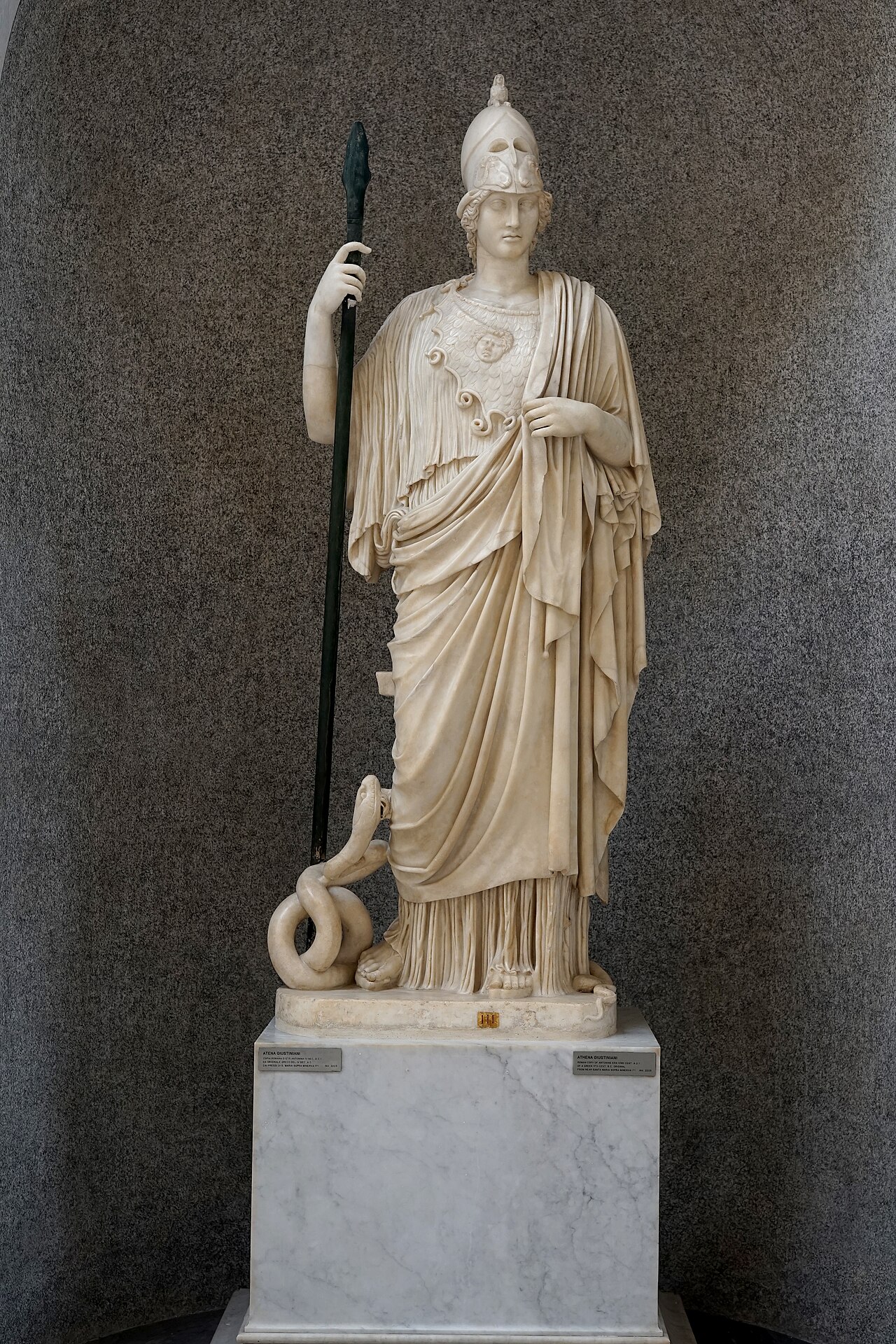
The aegis bears the protective powers of Zeus and Athena: the luminous aura, clear inner sight, and a spiritual will established in Divine guardianship.
Explore the symbol ↗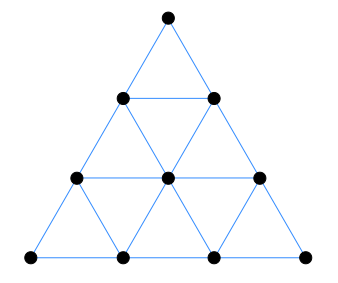
Ten points in four rows reveal unity unfolding into sacred order; the tetractys joins the soul’s currents, elemental powers, and spiritual harmony under Zeus.
Explore the symbol ↗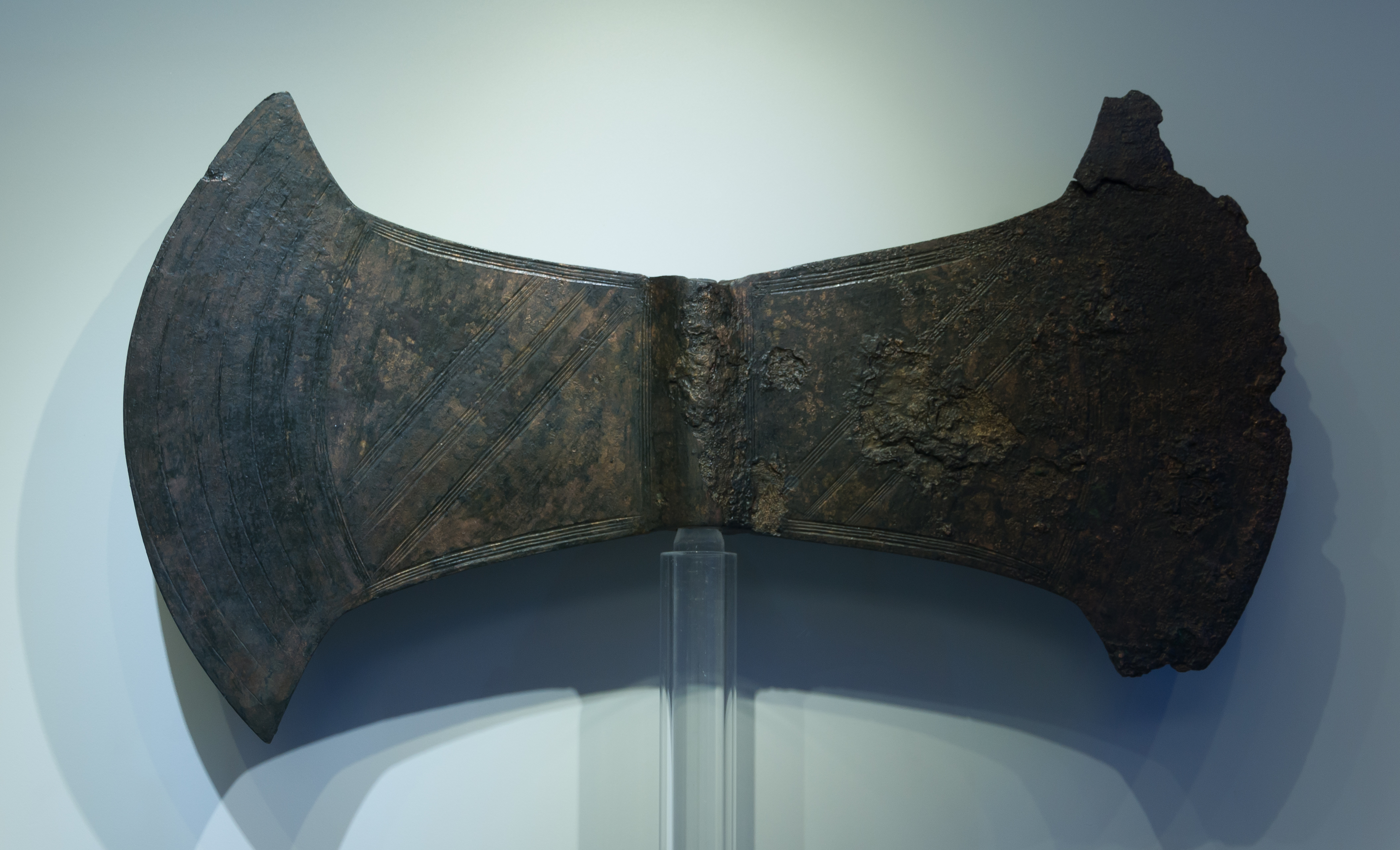
The labrys expresses the soul’s polar powers gathered around one axis: equilibrium, inner alchemy, and decisive spiritual command under Zeus.
Explore the symbol ↗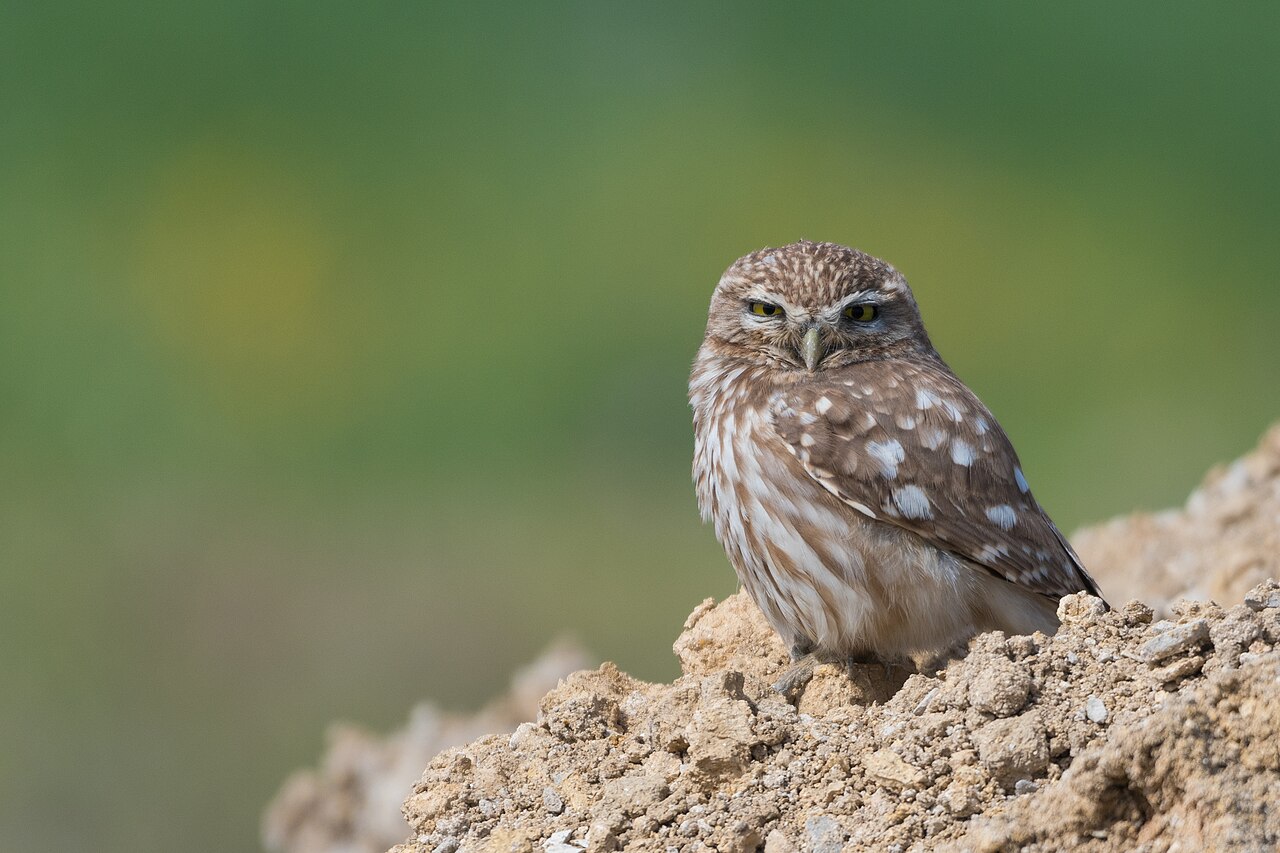
Athena's owl offers a strong addition to the Zevist symbol index, uniting clear attention, disciplined understanding, and an ancient association with the city of Athens.
Explore the symbol ↗
The olive joins Athena's gift to Athens with the victor's crown at Olympia, offering Zevism an image of cultivated life and enduring sacred purpose.
Explore the symbol ↗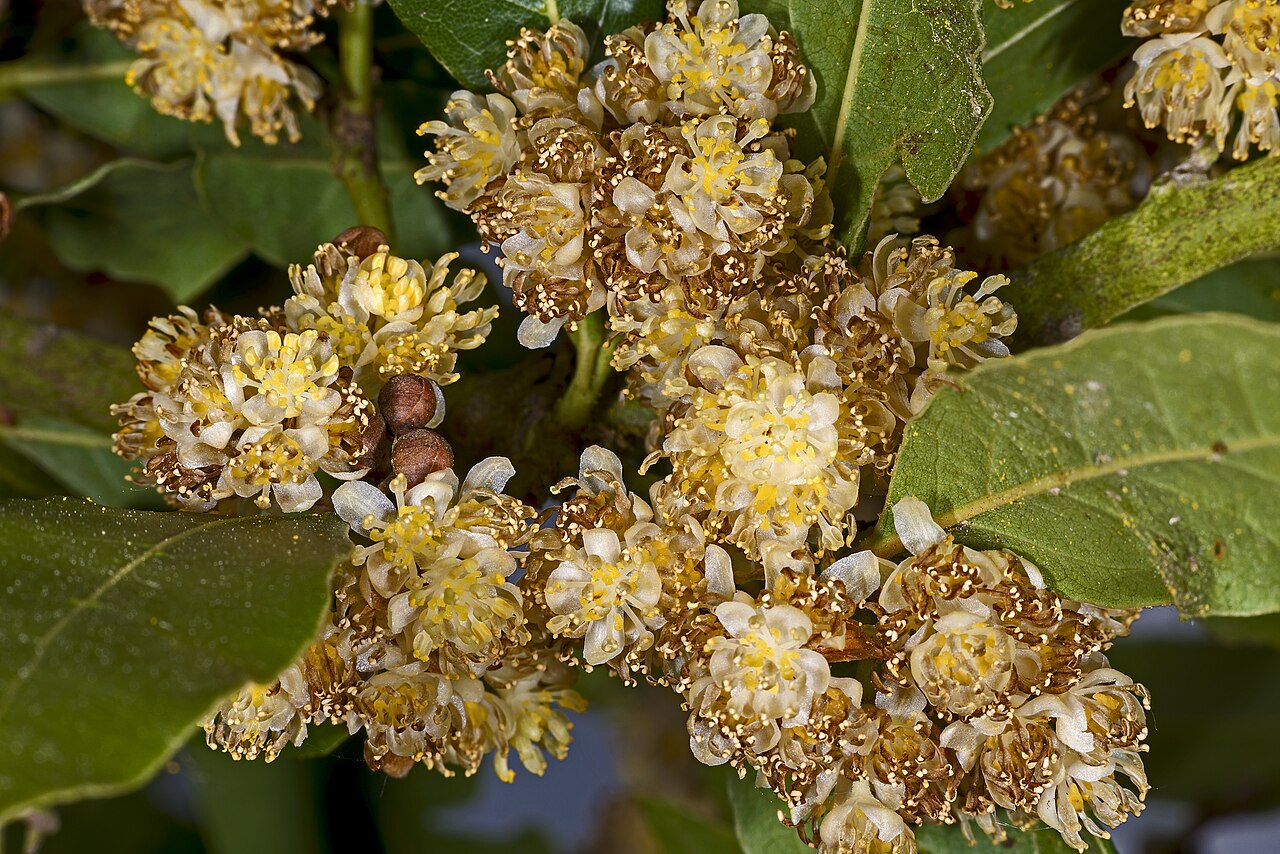
Apollon's laurel joins the living plant with sacred achievement, offering a Zevist image of cultivated excellence, enduring dedication, and beauty brought to completion.
Explore the symbol ↗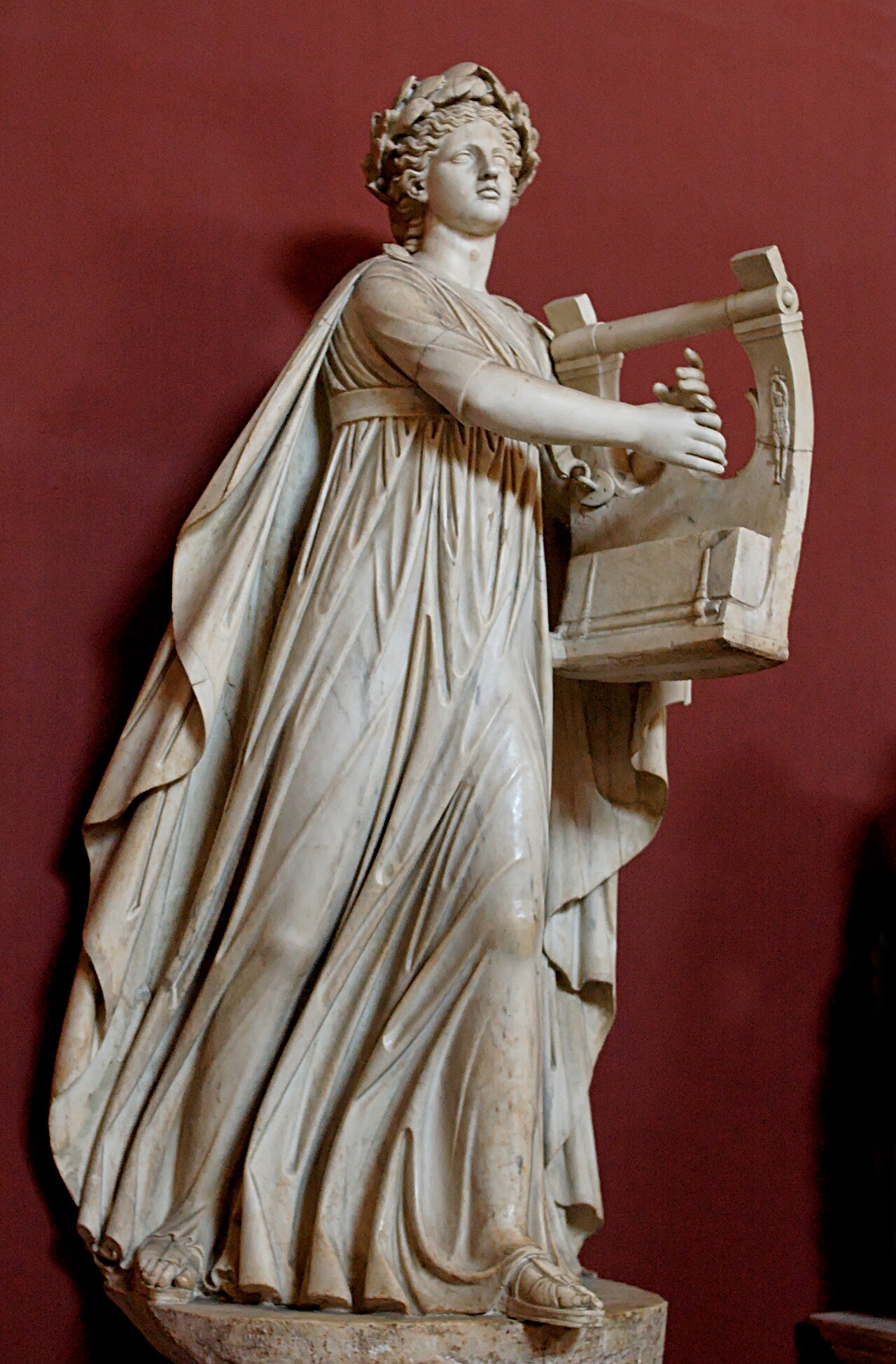
The lyre joins Hermes's invention with Apollon's music, giving Zevism a precise image of harmony, skilled attention, and many powers brought into accord.
Explore the symbol ↗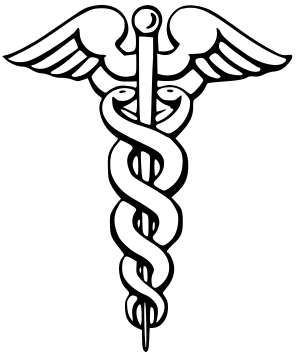
The caduceus reveals Hermes’ power of Divine communication and the soul’s ordered circulation: paired serpent currents, a central path, and the freedom of awakened understanding.
Explore the symbol ↗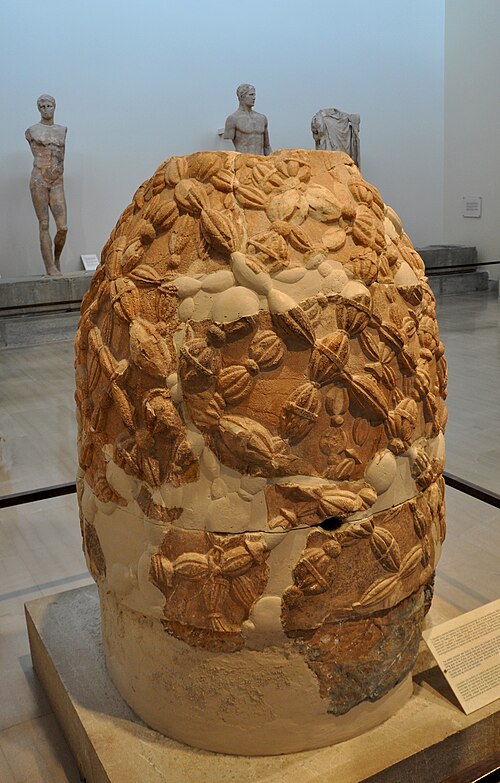
The omphalos is the sacred center where Zeus’ ordering power and Apollo’s illumination converge, teaching the soul to gather its faculties around Divine counsel.
Explore the symbol ↗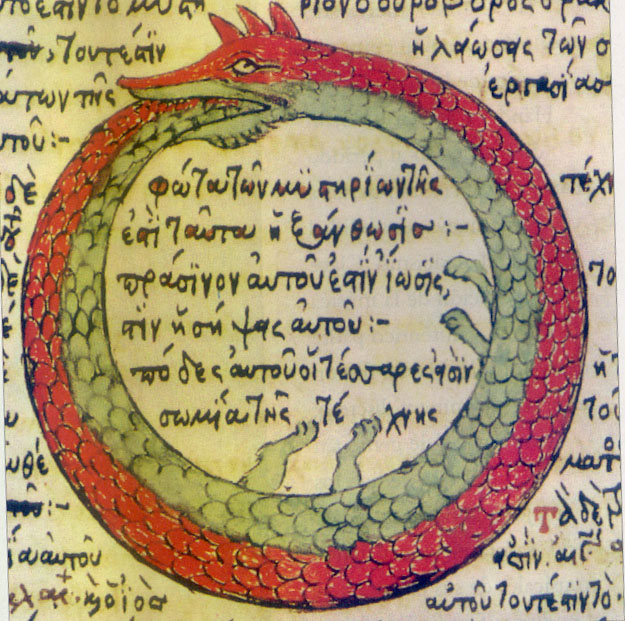
The ouroboros expresses the whole circuit of spiritual life: serpent power gathered into continuity, the preservation of the soul’s light, and renewal through return to the Divine source.
Explore the symbol ↗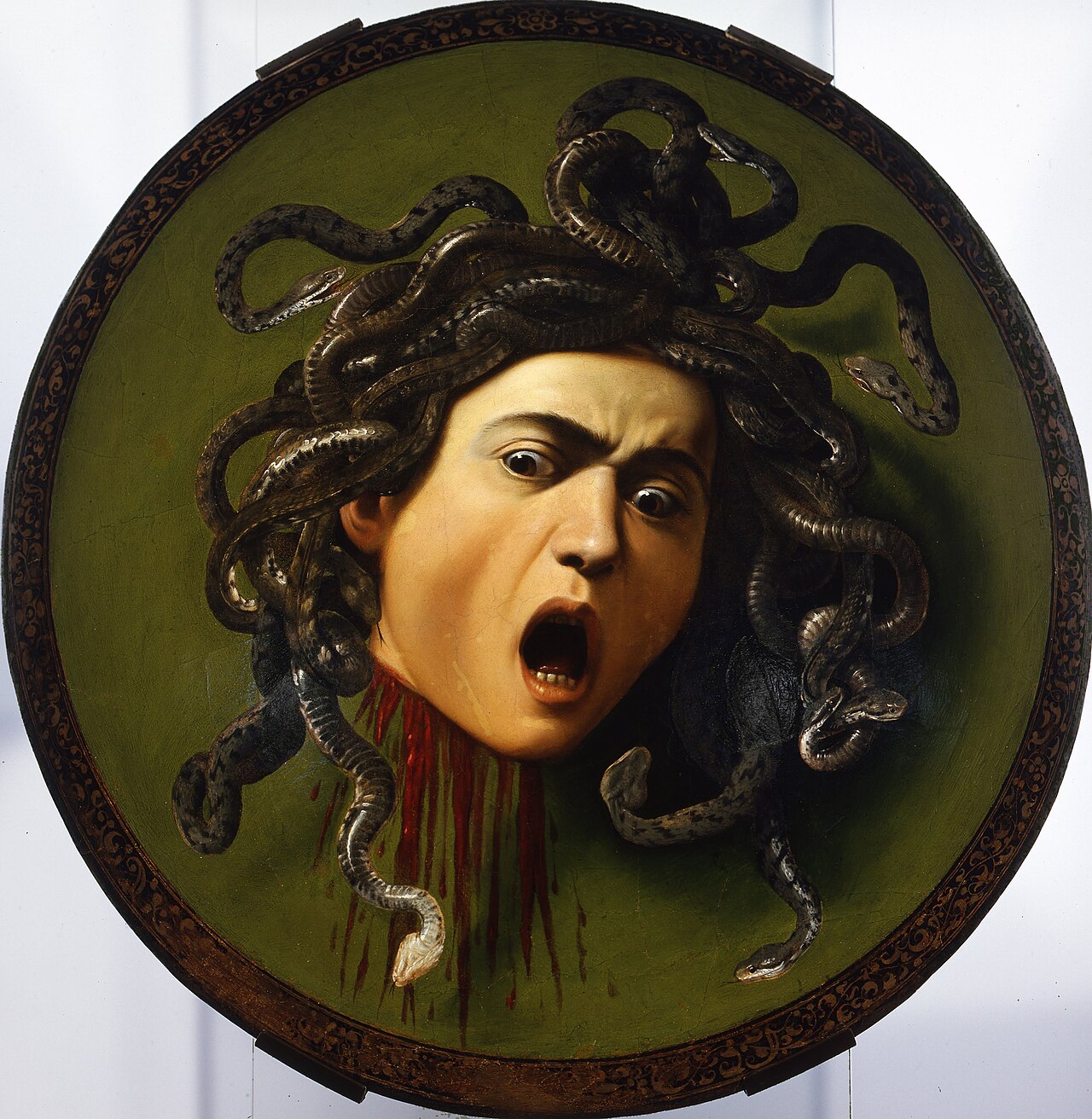
The Gorgon’s face expresses the protective power of Zeus and Athena: awakened vigilance, the integrity of the soul, and the strength that guards sacred transformation.
Explore the symbol ↗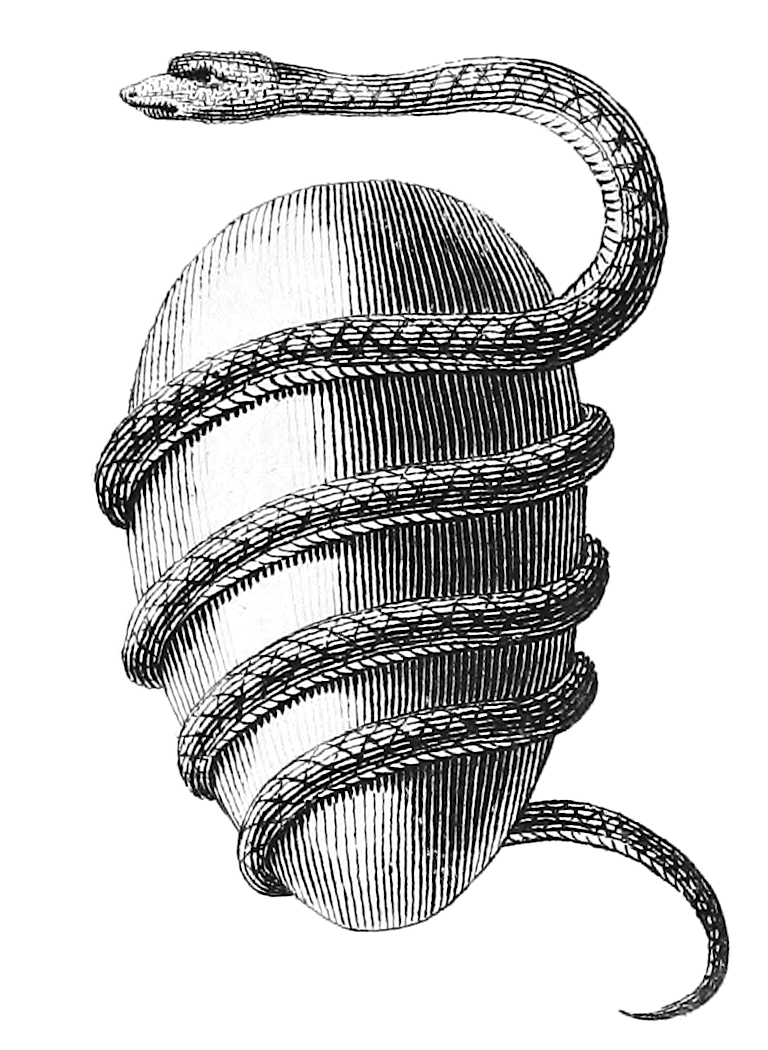
The sacred egg contains the promise of Divine birth: the soul gathered in its luminous wholeness, encircled by the serpent of life, and opened by the revealing light of Phanes.
Explore the symbol ↗
The fawn reveals the sacred life guarded by Artemis: awakening sensitivity, spiritual purity and the soul's passage from vulnerability into sovereign strength.
Explore the symbol ↗
Hecate's torch illuminates the thresholds of the soul, joining discernment, spiritual protection and the Divine guidance that accompanies passage into deeper knowledge.
Explore the symbol ↗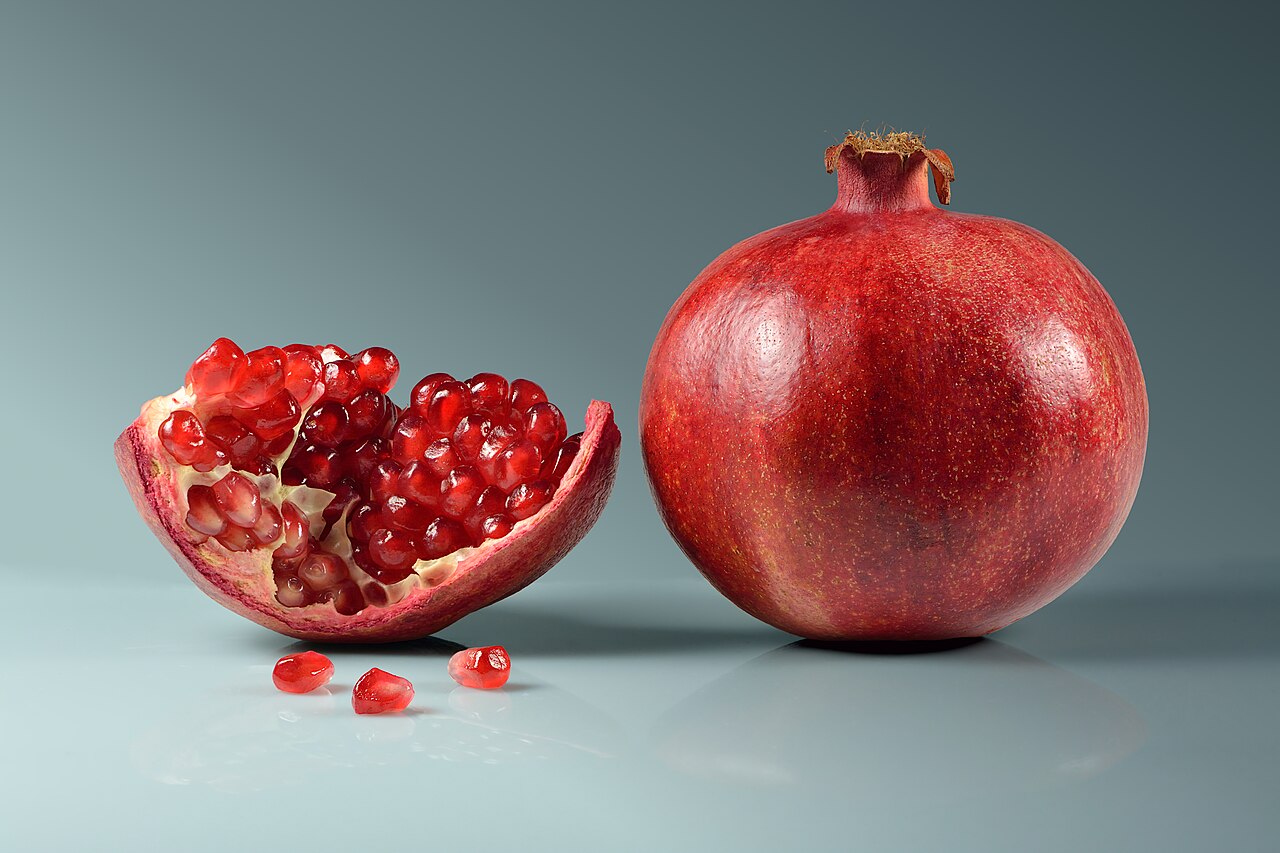
Persephone's pomegranate encloses a treasury of living seeds: the soul's hidden powers, its descent into depth and its return with renewed spiritual sovereignty.
Explore the symbol ↗
Demeter's golden grain reveals the Divine power of nourishment, the awakening of life within matter and the spiritual harvest produced by patient cultivation.
Explore the symbol ↗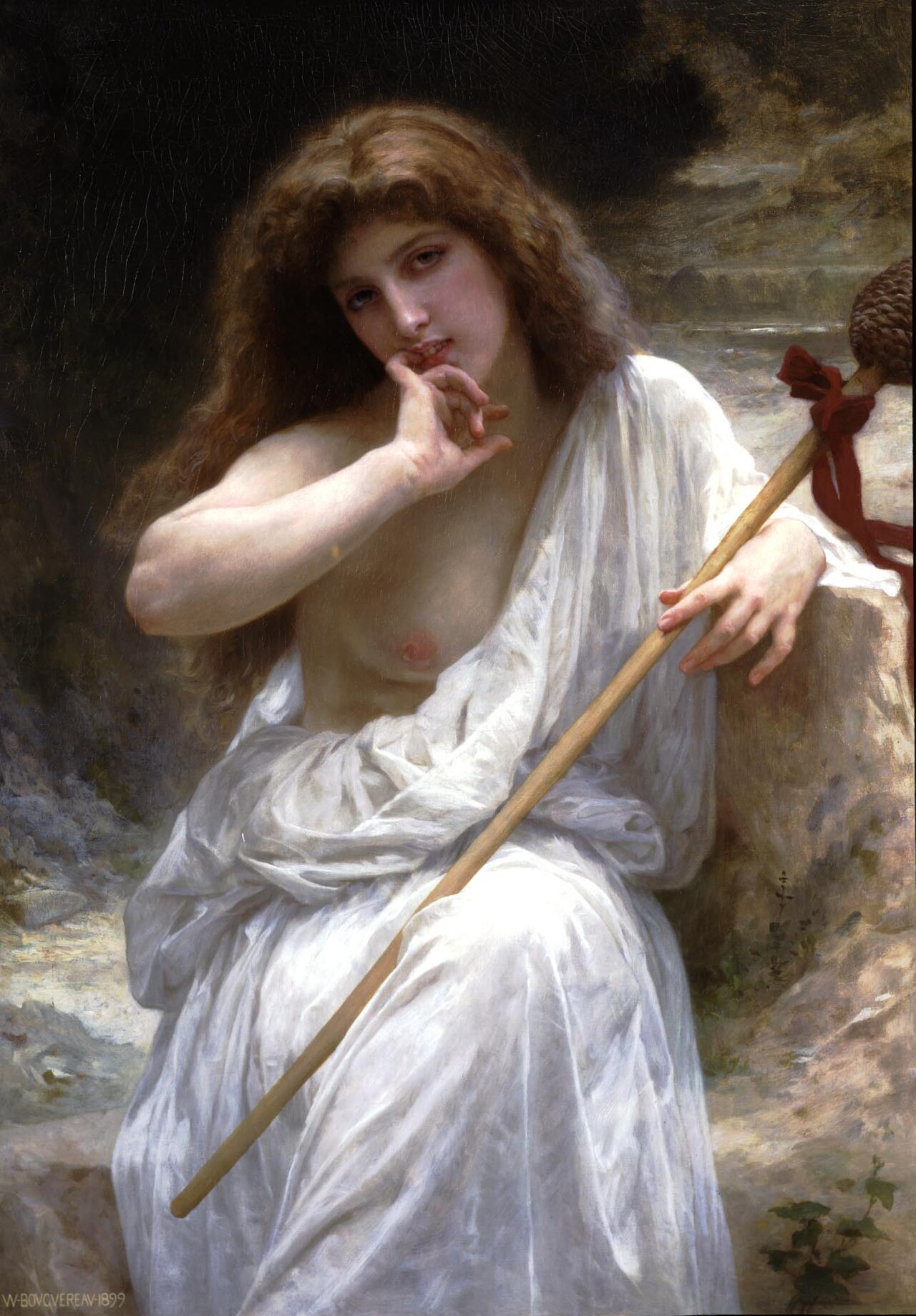
The living staff of Dionysus joins ascending power with luxuriant growth, revealing spiritual awakening, sacred vitality and the flowering of the soul's inner light.
Explore the symbol ↗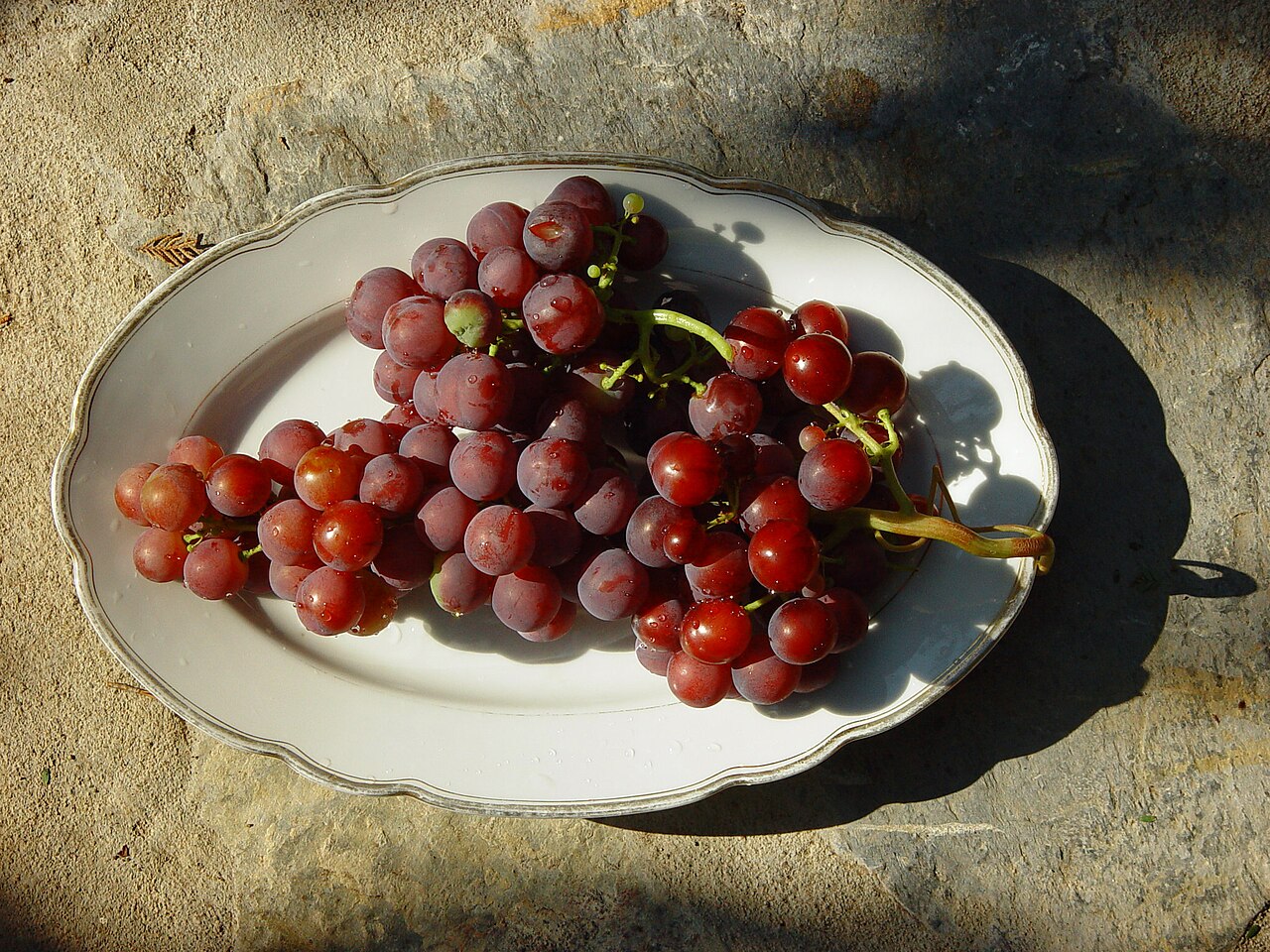
The vine of Dionysus reveals sacred vitality becoming fruit, the circulation of power through the soul and the transformation of abundance into Divine communion.
Explore the symbol ↗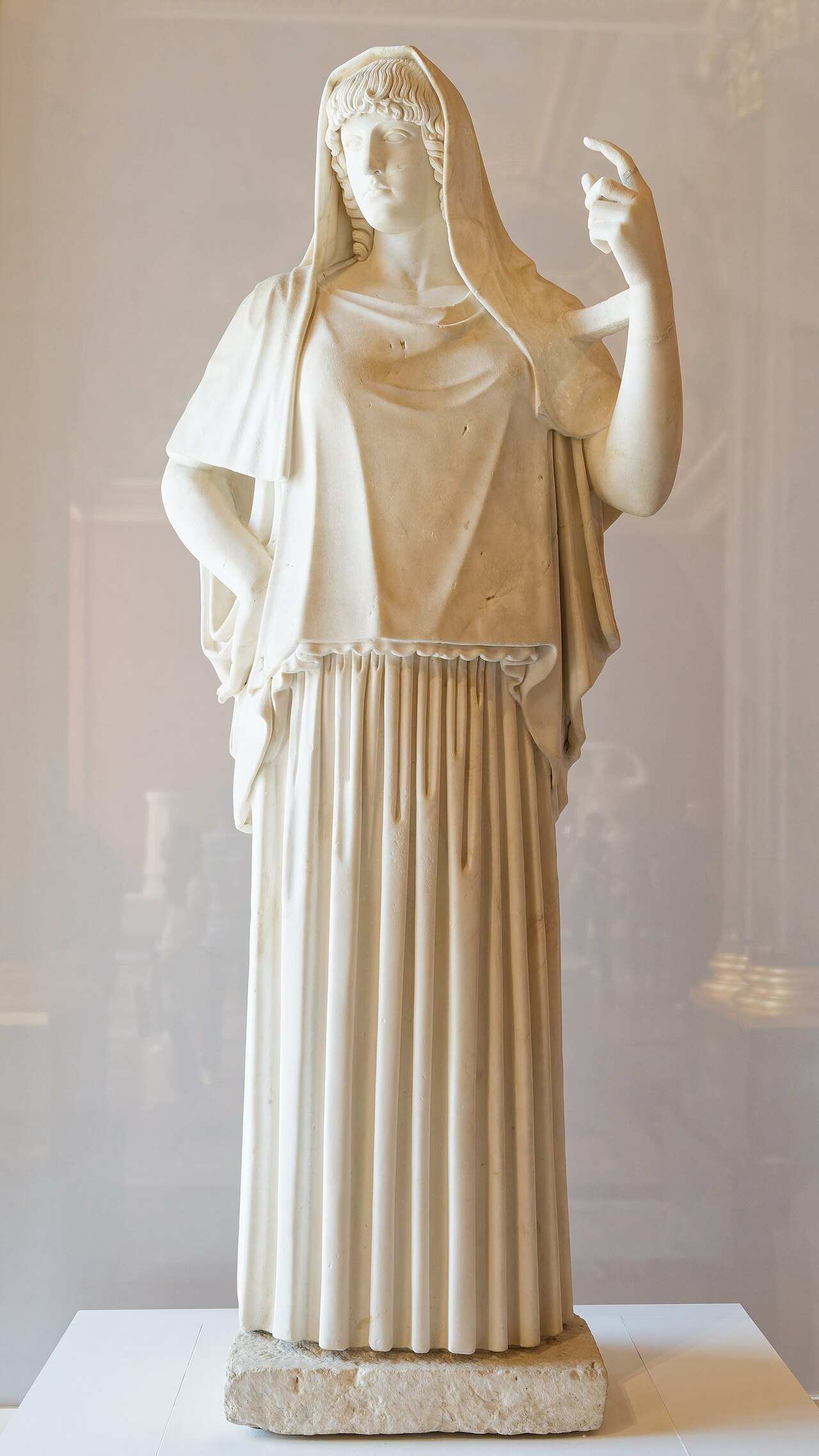
Hestia's hearth is the undispersed flame at the centre of sacred life: the soul's dwelling, the coherence of its power and the Divine presence within the home.
Explore the symbol ↗
Poseidon's dolphin joins depth with radiance, revealing spiritual guidance, the harmonizing of the soul's waters and the joyful movement of life within Divine order.
Explore the symbol ↗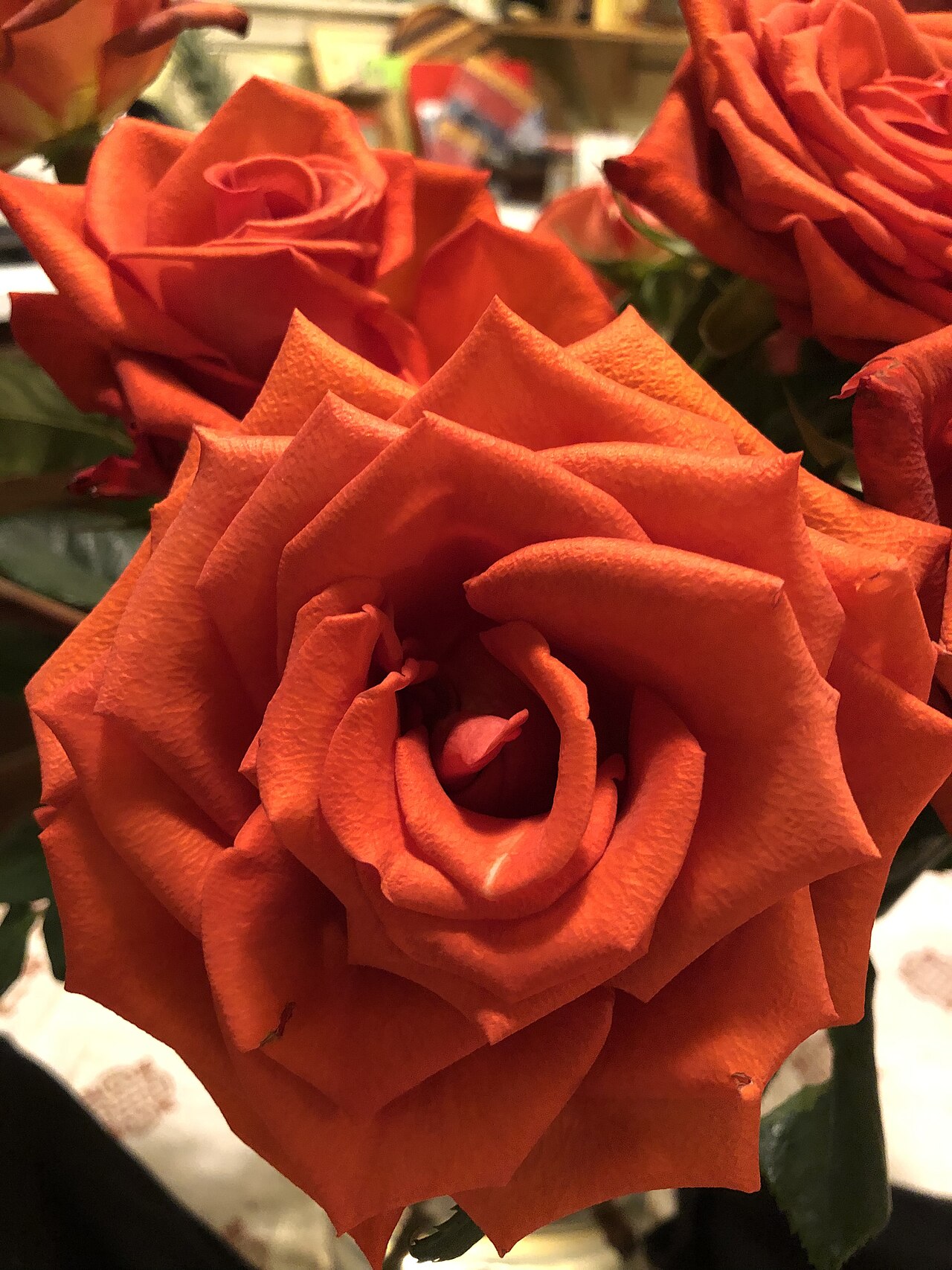
The rose gathers Aphrodite’s beauty, attraction, tenderness, and power of renewal into a living form whose unfolding invites the soul toward greater harmony.
Explore the symbol ↗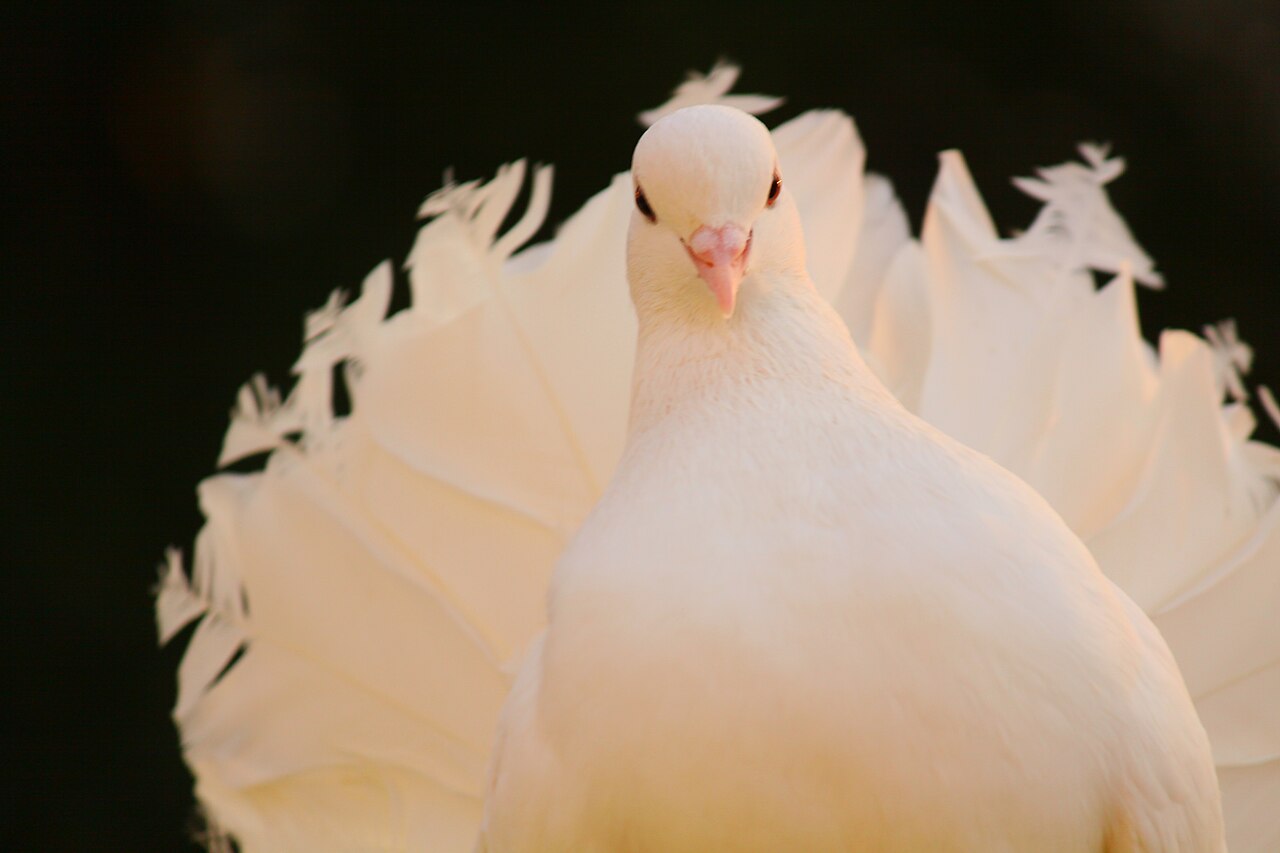
Aphrodite’s dove expresses the strength of gentleness and the guidance of divine love, joining ancient poetic testimony with the Zevist cultivation of a receptive heart.
Explore the symbol ↗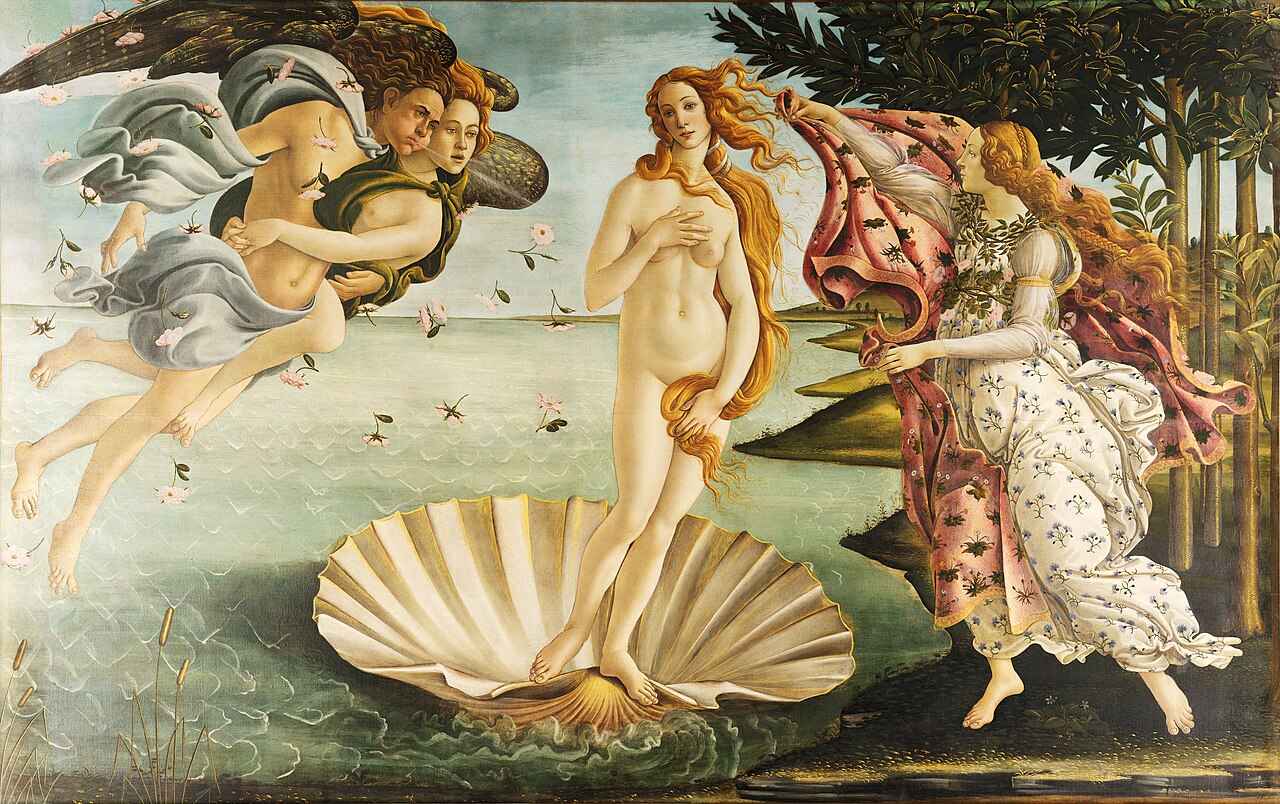
The open shell gives Aphrodite’s emergence from the sea a majestic visual form, joining receptivity, the arrival of beauty, and the soul’s passage into fuller expression.
Explore the symbol ↗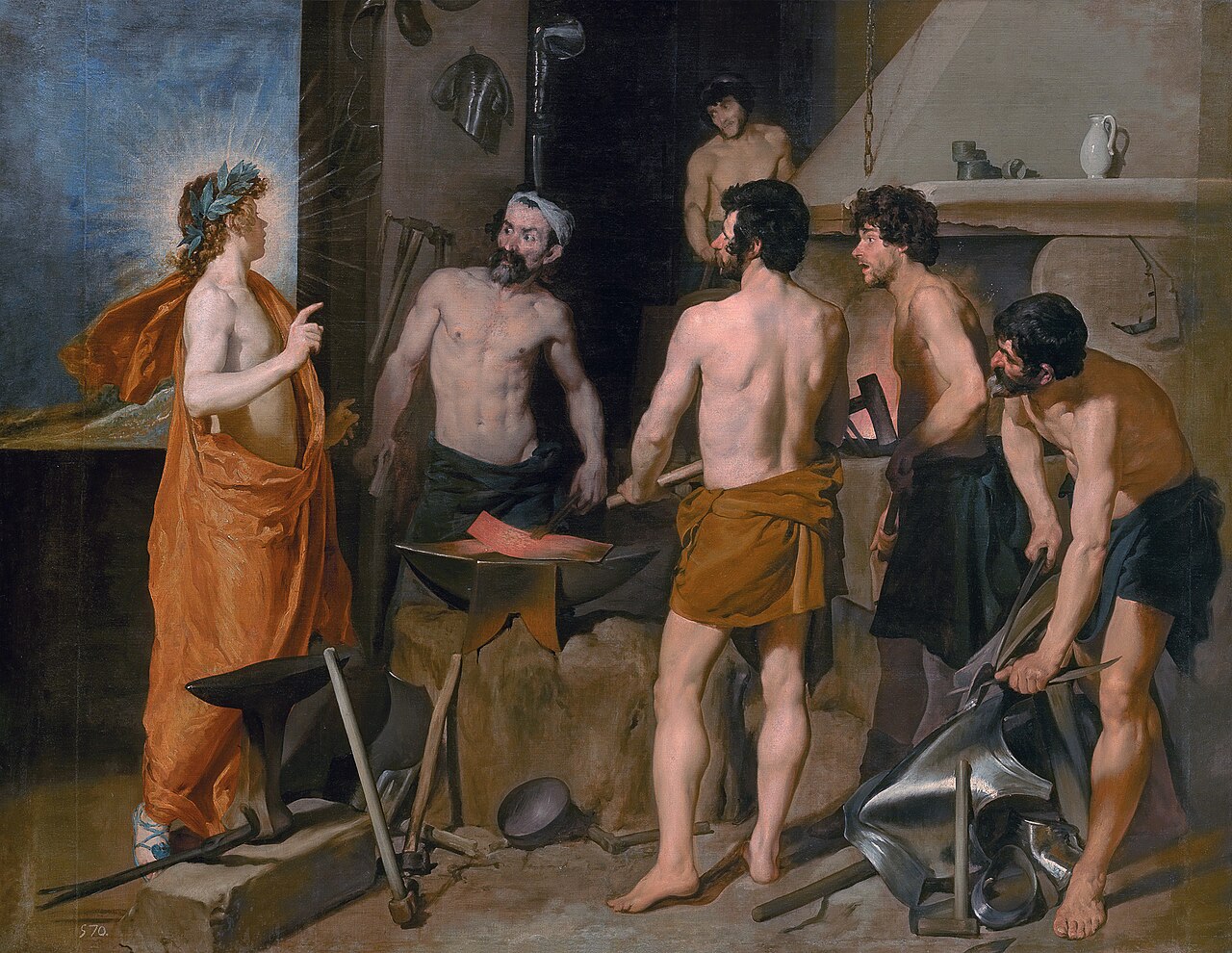
Hephaestus’s hammer and anvil express creative intelligence becoming effective through skill, discipline, and the patient transformation of material into worthy form.
Explore the symbol ↗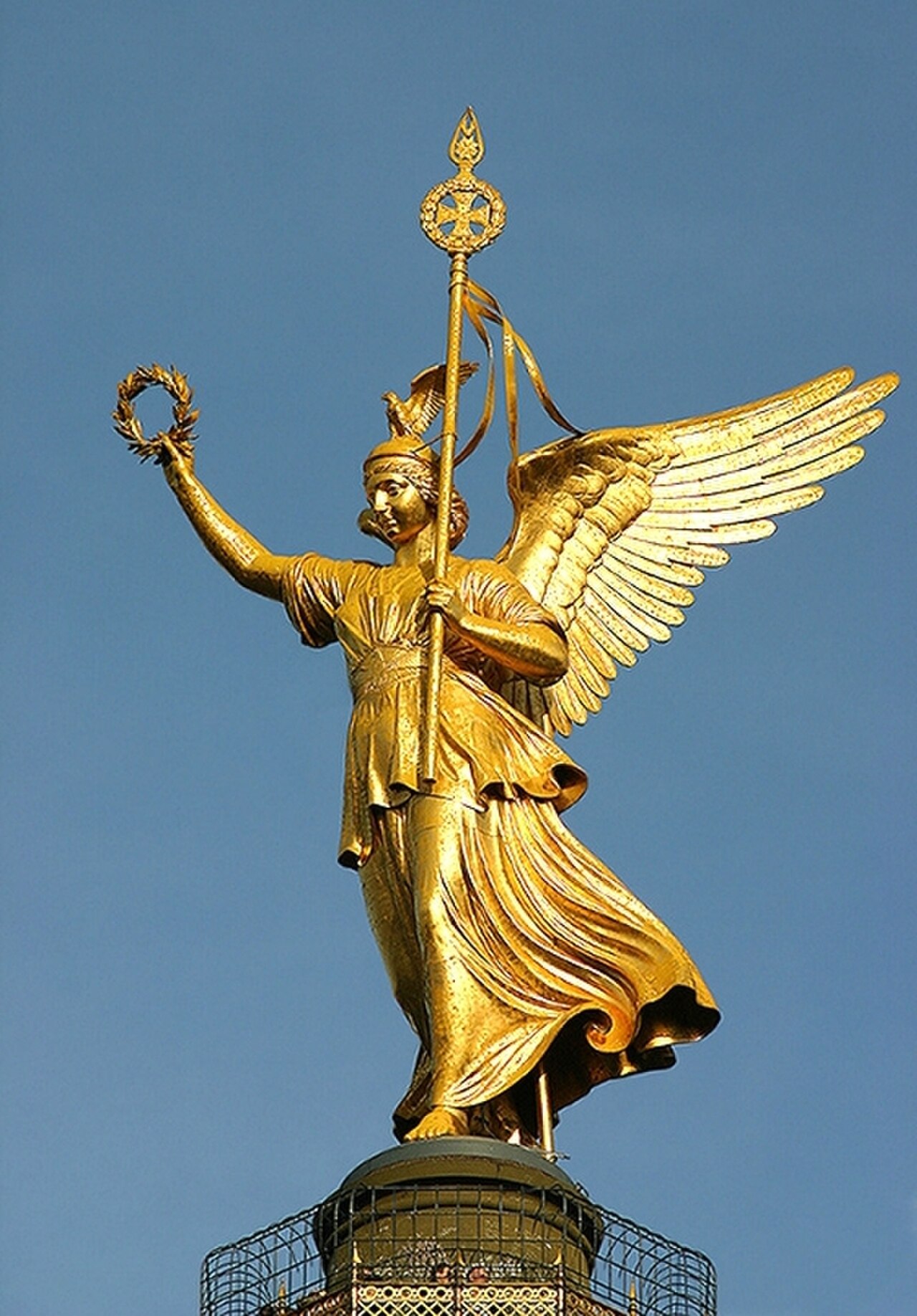
Nike’s wings and wreath proclaim the fulfilment of worthy striving, while Her ancient companionship with Zeus gives victory a place within divine order.
Explore the symbol ↗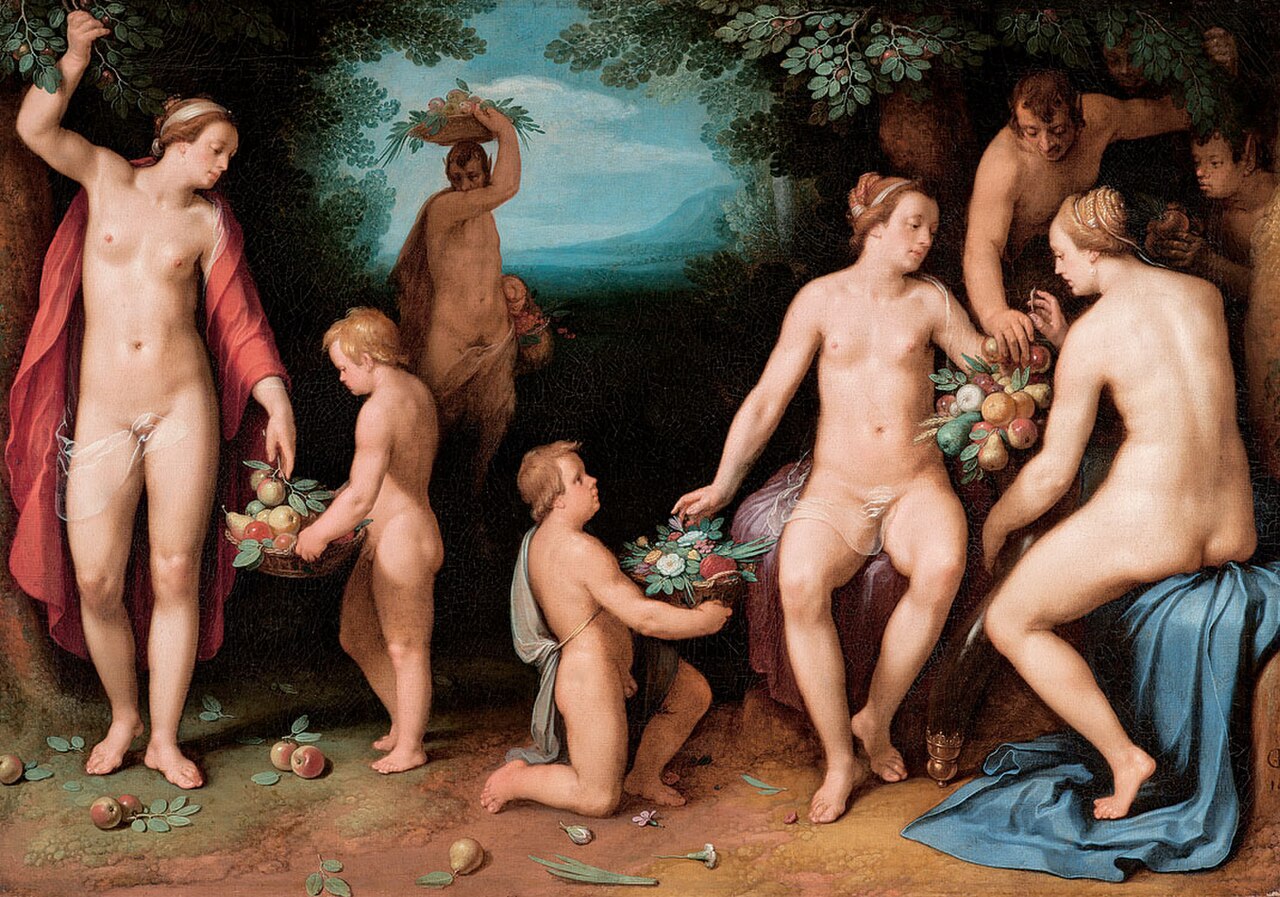
The horn of plenty gathers nourishment, flourishing, and generosity into one image, inviting the devotee to receive the gifts of life and make them fruitful.
Explore the symbol ↗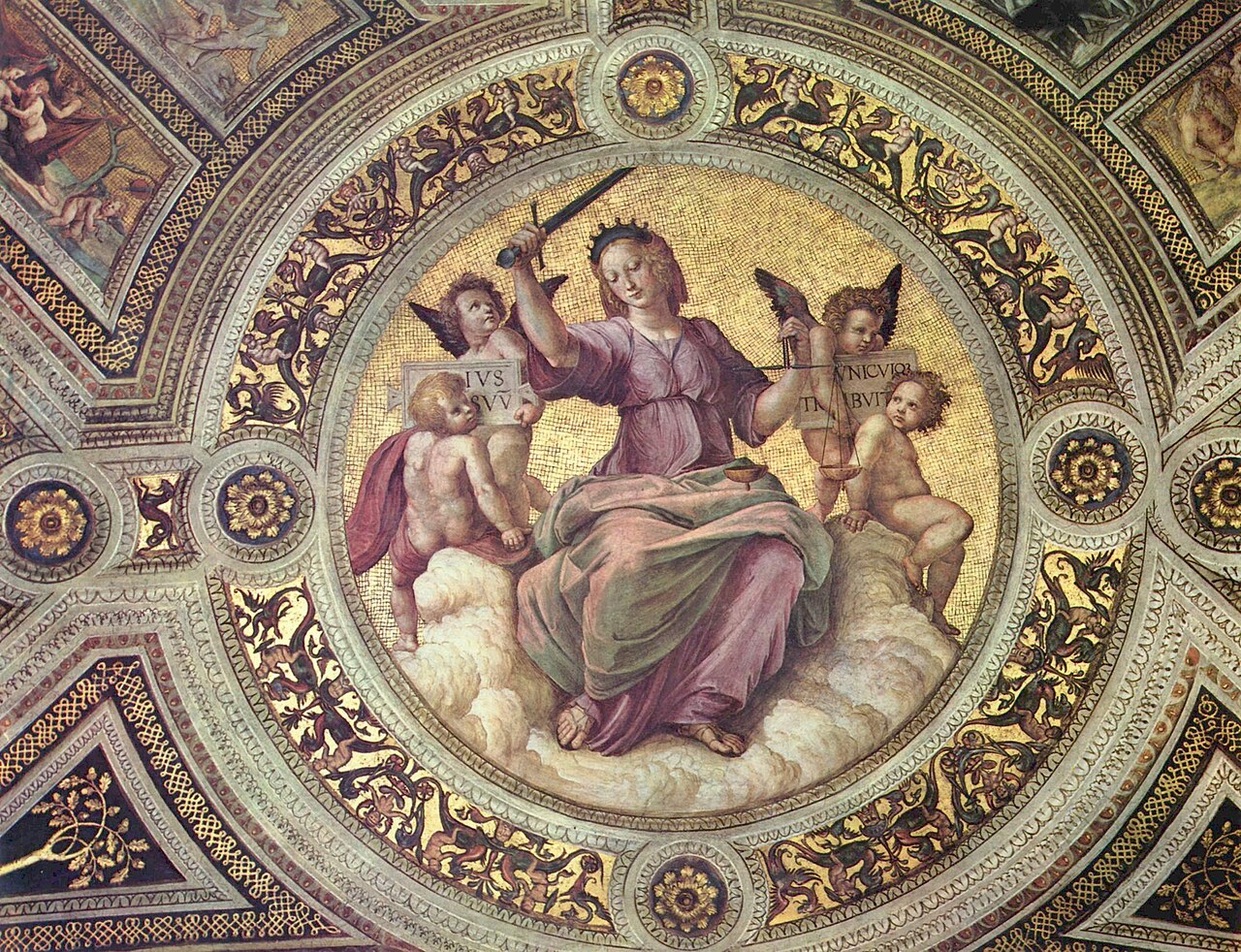
The balanced scales express the measure and right relationship over which Themis presides, calling the soul toward clear judgment, consistency, and responsibility before Zeus.
Explore the symbol ↗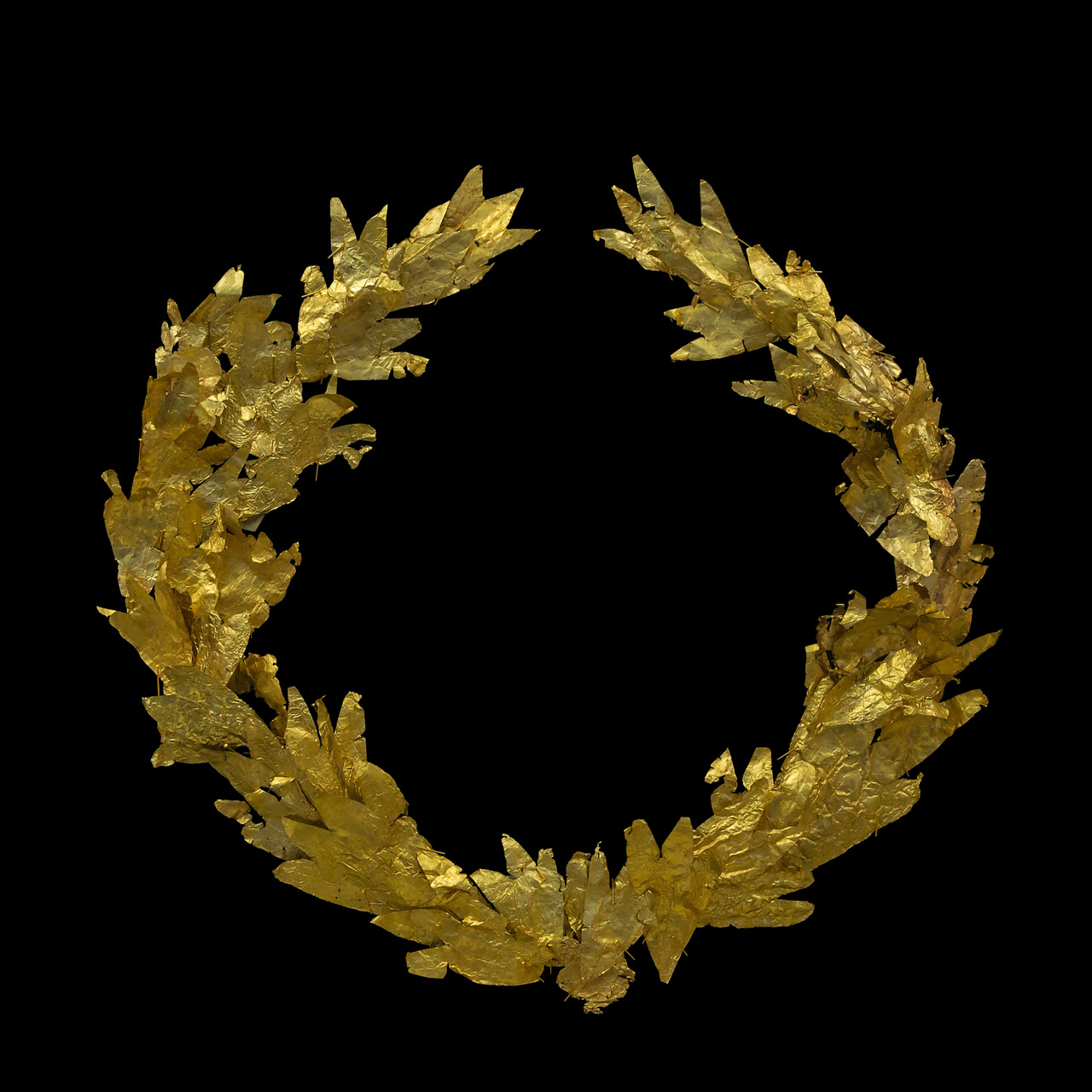
The Laurel Crown consecrates the awakened soul: Apollonian illumination, the opening of the crown chakra, and spiritual victory expressed through living power.
Explore the symbol ↗
The upright cross reveals the soul’s standing axis and the extension of Divine power, with Egyptian life-signs and their later Christian reception placed in their proper historical setting.
Explore the symbol ↗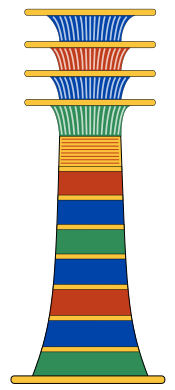
The Djed is the sacred axis of stability and resurrection: in the Temple’s teaching, ascending and descending spiritual currents unite the soul in the living pillar of Osiris.
Explore the symbol ↗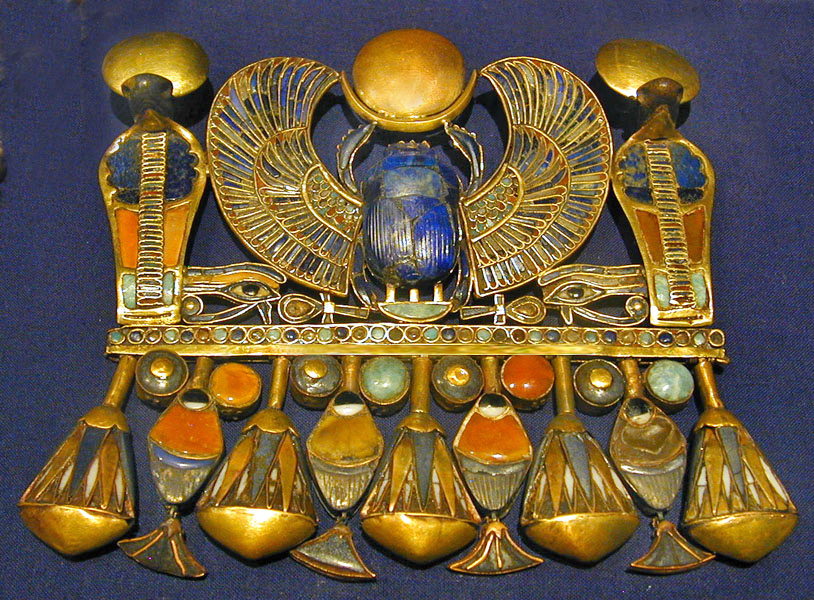
Khepri’s scarab embodies the power of becoming: the rising inner Sun, the formation of a coherent spiritual self, and renewal through successive cycles of life.
Explore the symbol ↗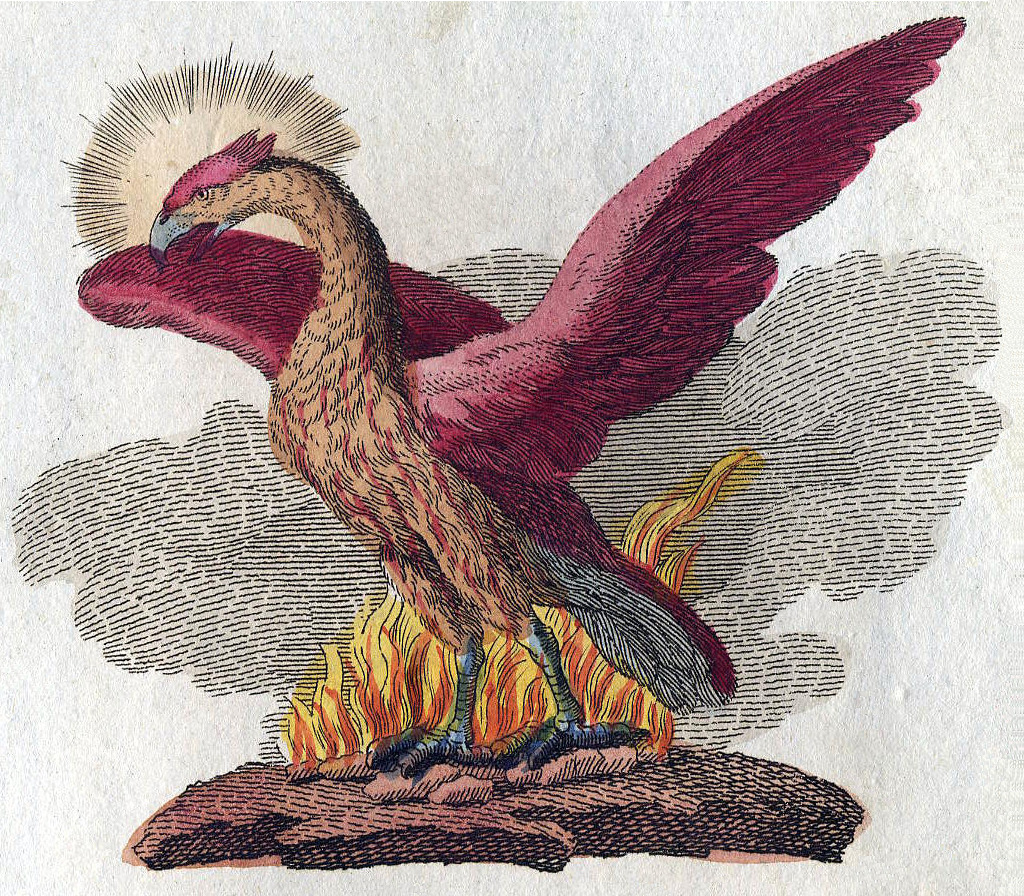
The phoenix gives form to spiritual regeneration: the soul’s passage through completion into renewed radiance, read alongside the Egyptian Bennu and the Temple’s teaching of Divine transformation.
Explore the symbol ↗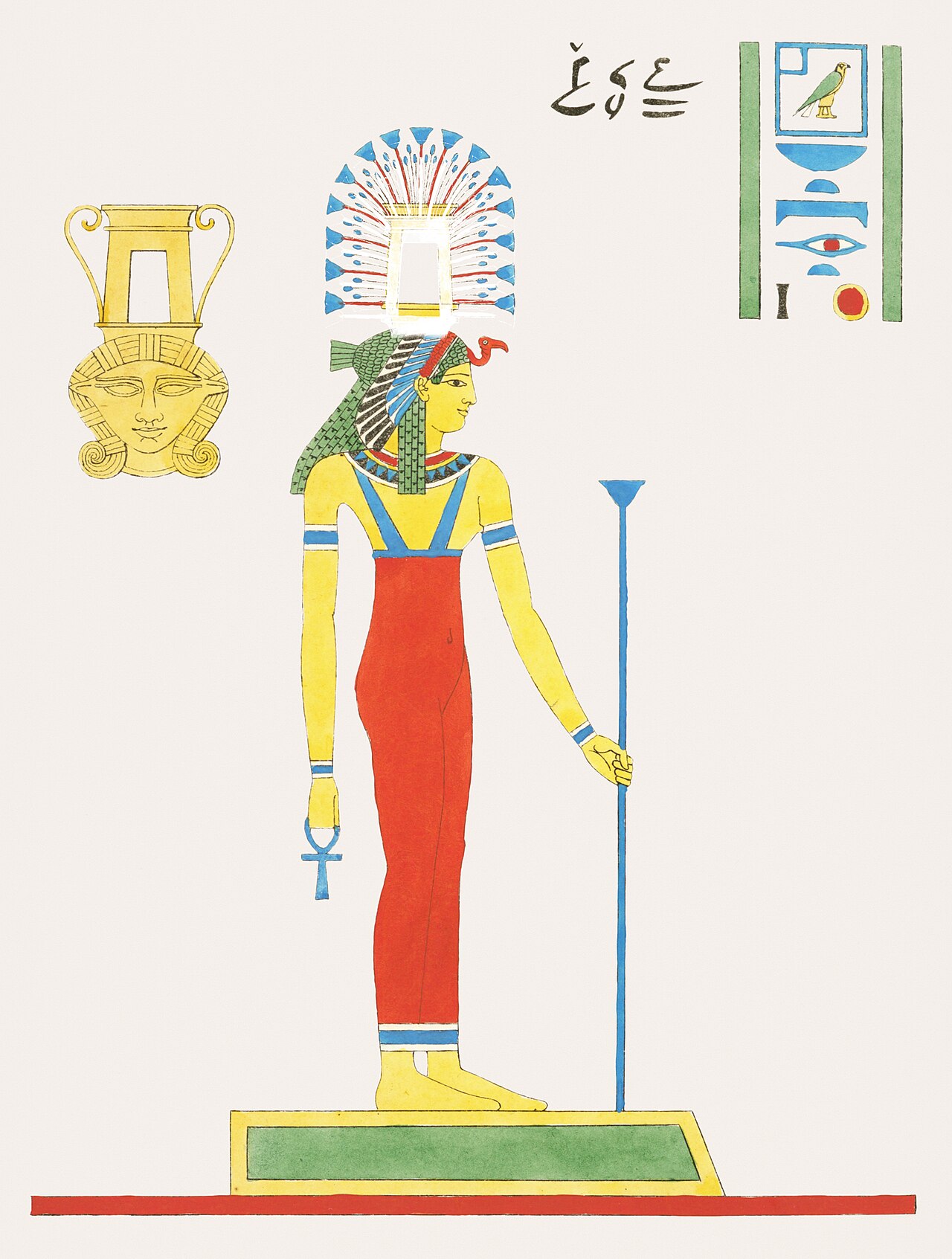
The sistrum awakens the soul's powers through sacred rhythm, uniting the radiant joy of Hathor with the regenerative mysteries of Isis.
Explore the symbol ↗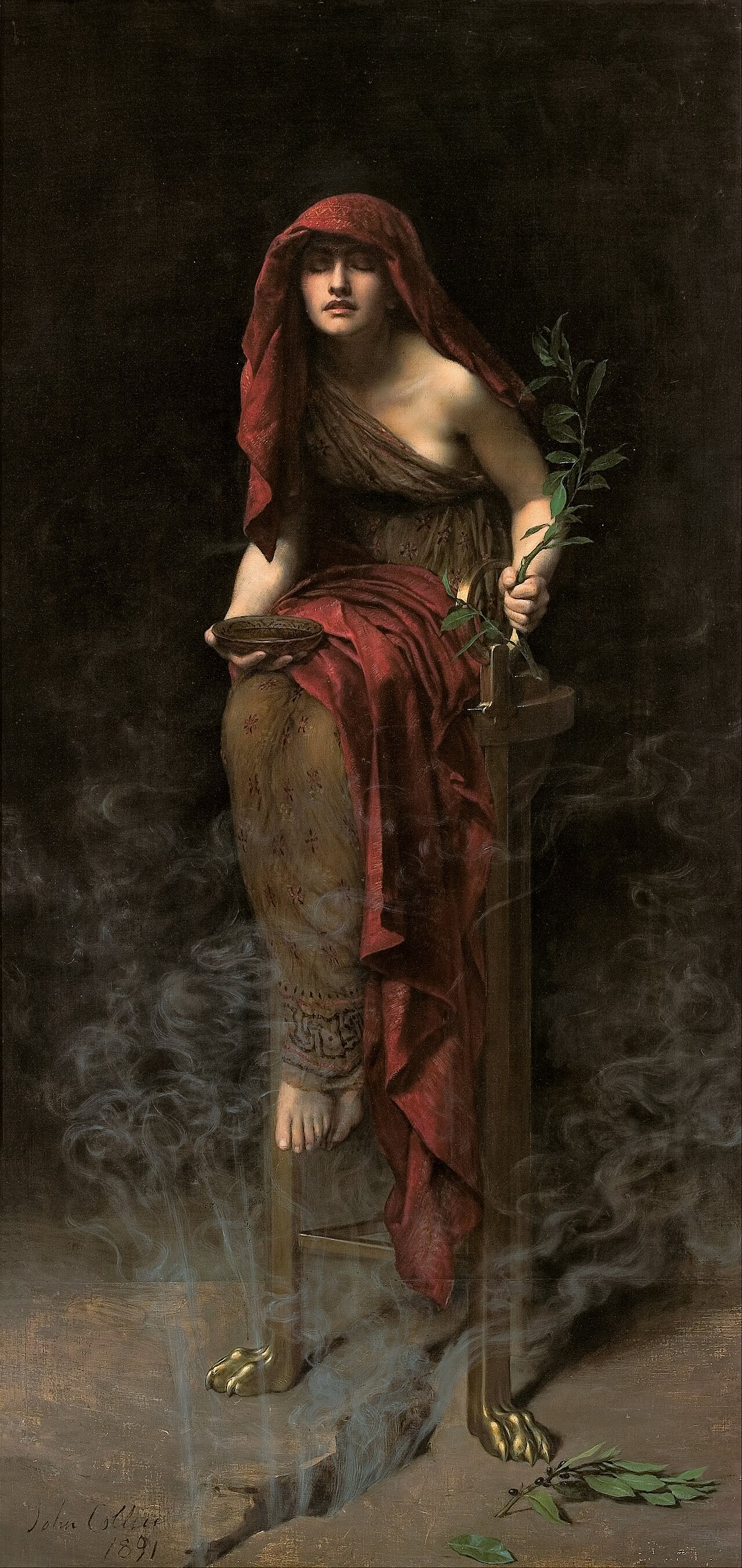
Apollon's tripod embodies a stable vessel for Divine inspiration, joining spiritual vision, receptive power and inspired utterance.
Explore the symbol ↗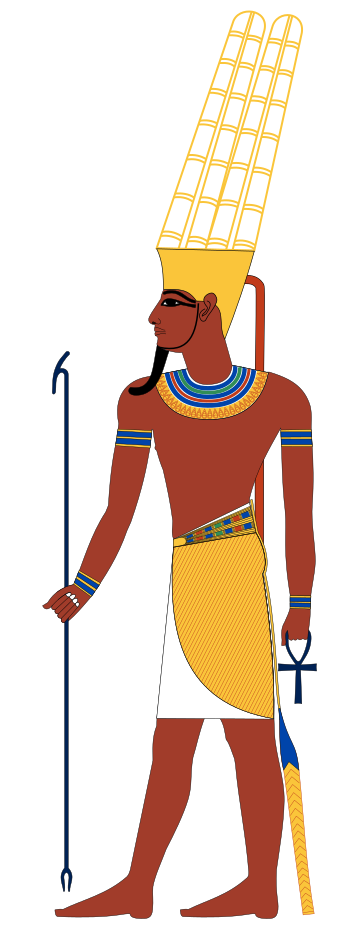
The Egyptian staff of dominion expresses Divine command, the ordered current of the soul, and the strength that sustains spiritual ascent.
Explore the symbol ↗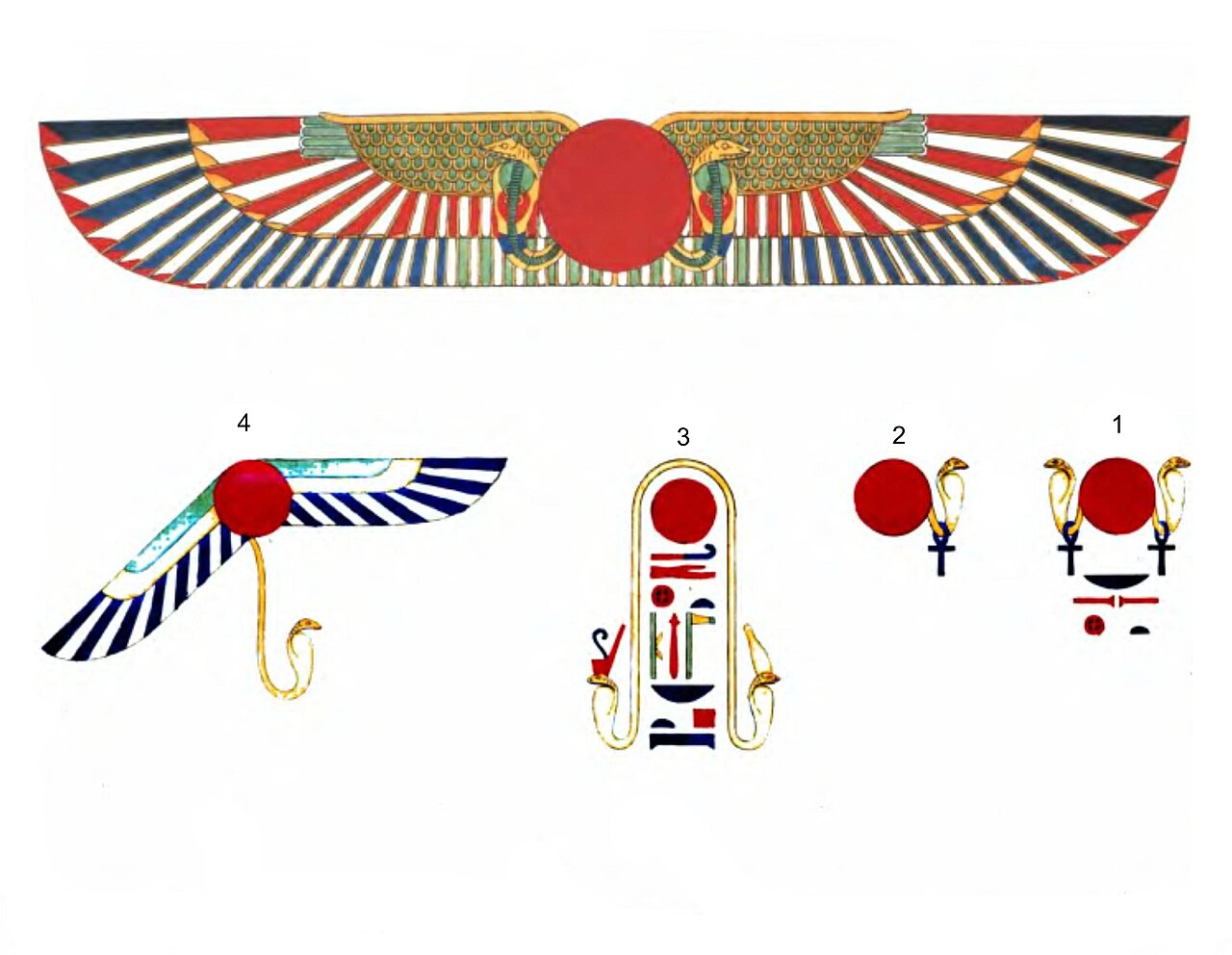
The winged solar disk unites radiance, sovereignty, and protective extension; in Egyptian tradition it is especially associated with Horus the Behdetite, and in Zevist contemplation with conscious spiritual illumination.
Explore the symbol ↗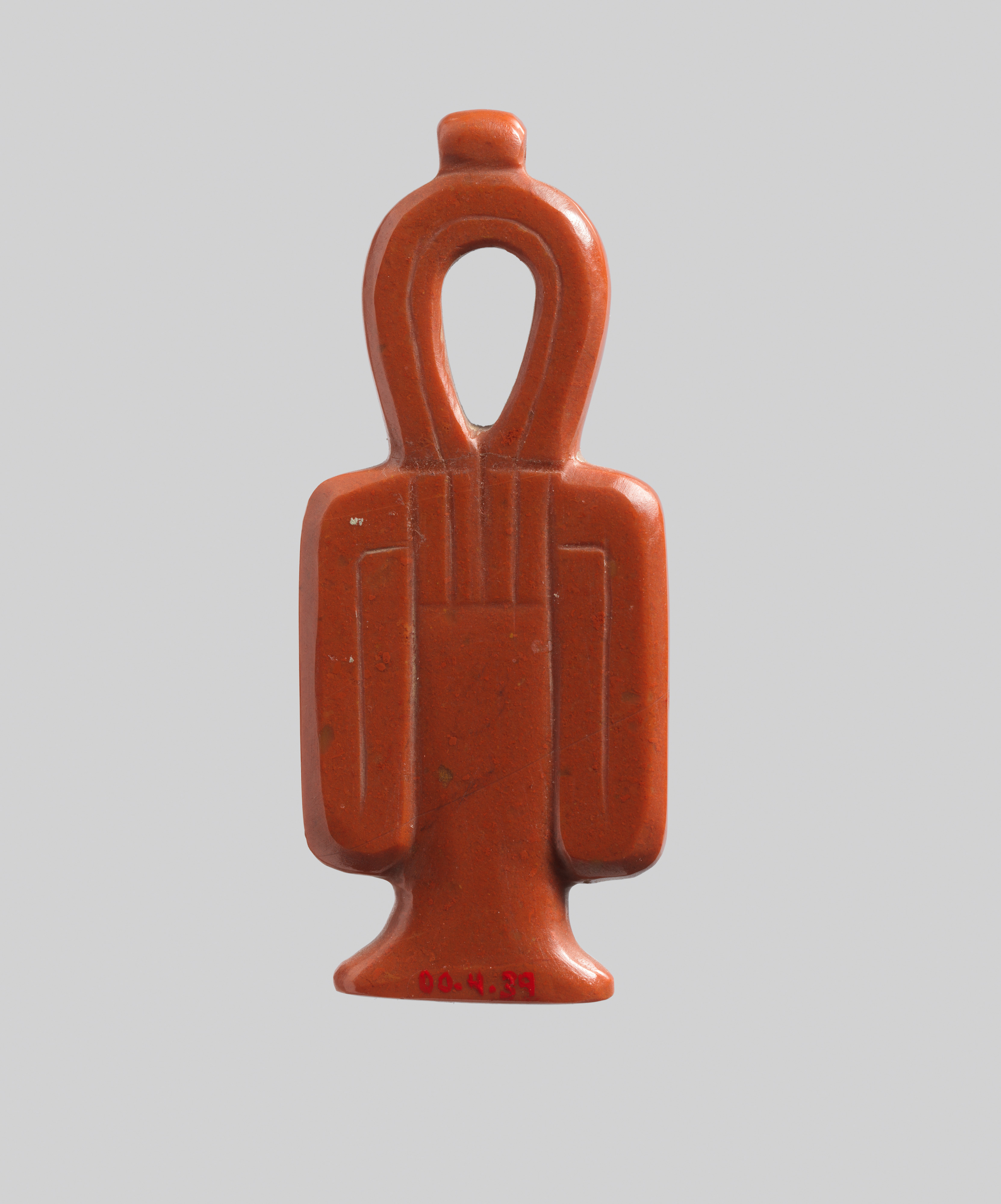
The sacred knot of Isis embodies binding, protection, and the reunion of spiritual powers, joining ancient Egyptian amuletic practice to Zevist teaching on the unity of the soul.
Explore the symbol ↗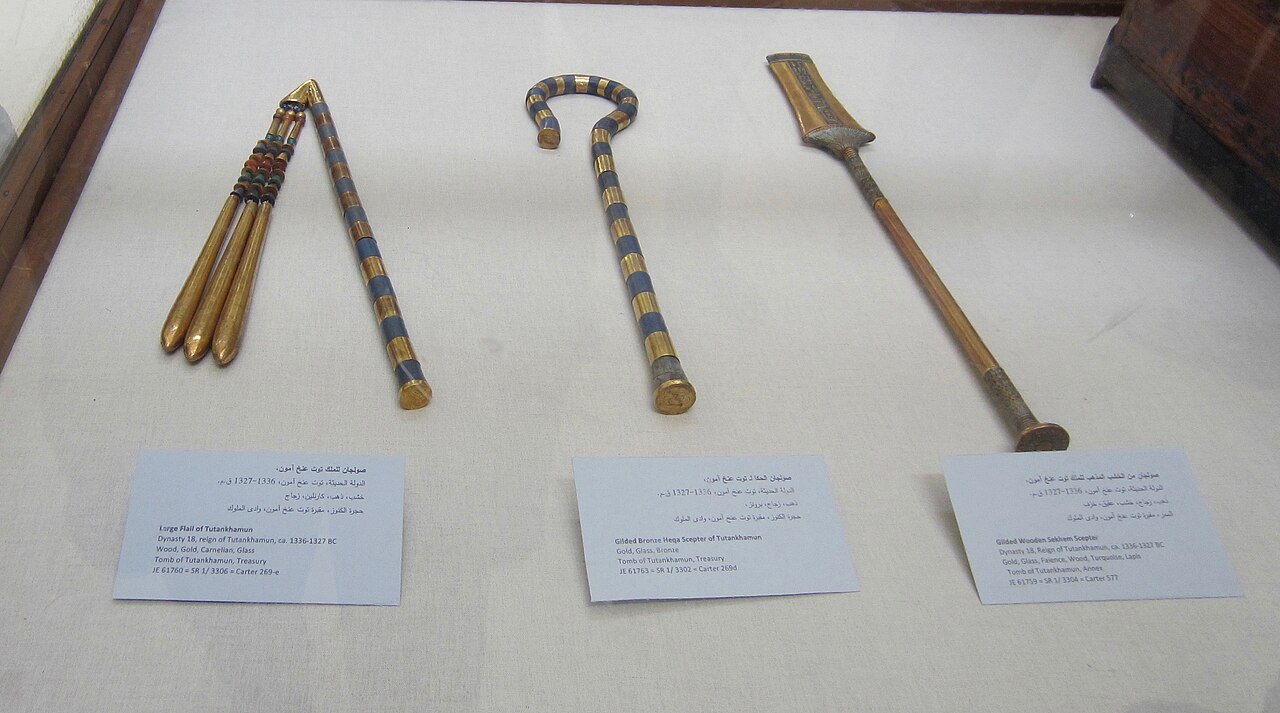
The royal emblems of Osiris reveal the soul's gathered authority: the power to draw its faculties into unity and direct them through a living spiritual purpose.
Explore the symbol ↗Image provenance and reuse information appear on each symbol’s page. Ancient objects, later esoteric emblems, and the Temple’s own sacred artwork retain their individual histories.