
 አማርኛ
አማርኛ العربية
 বাংলা
বাংলা Български
 中文
中文 Čeština
 Dansk
Dansk Deutsch
 Eesti
Eesti Ελληνικά
 Español
 Français
 हिन्दी
 Hrvatski
 IsiZulu
 Italiano
 日本語
日本語 Kiswahili
 Magyar
 Македонски
 नेपाली
 Nederlands
 فارسی
فارسی Polski
 Português
 Română
 Русский
 Slovenščina
 Suomi
Suomi Svenska
 Tagalog
 Türkçe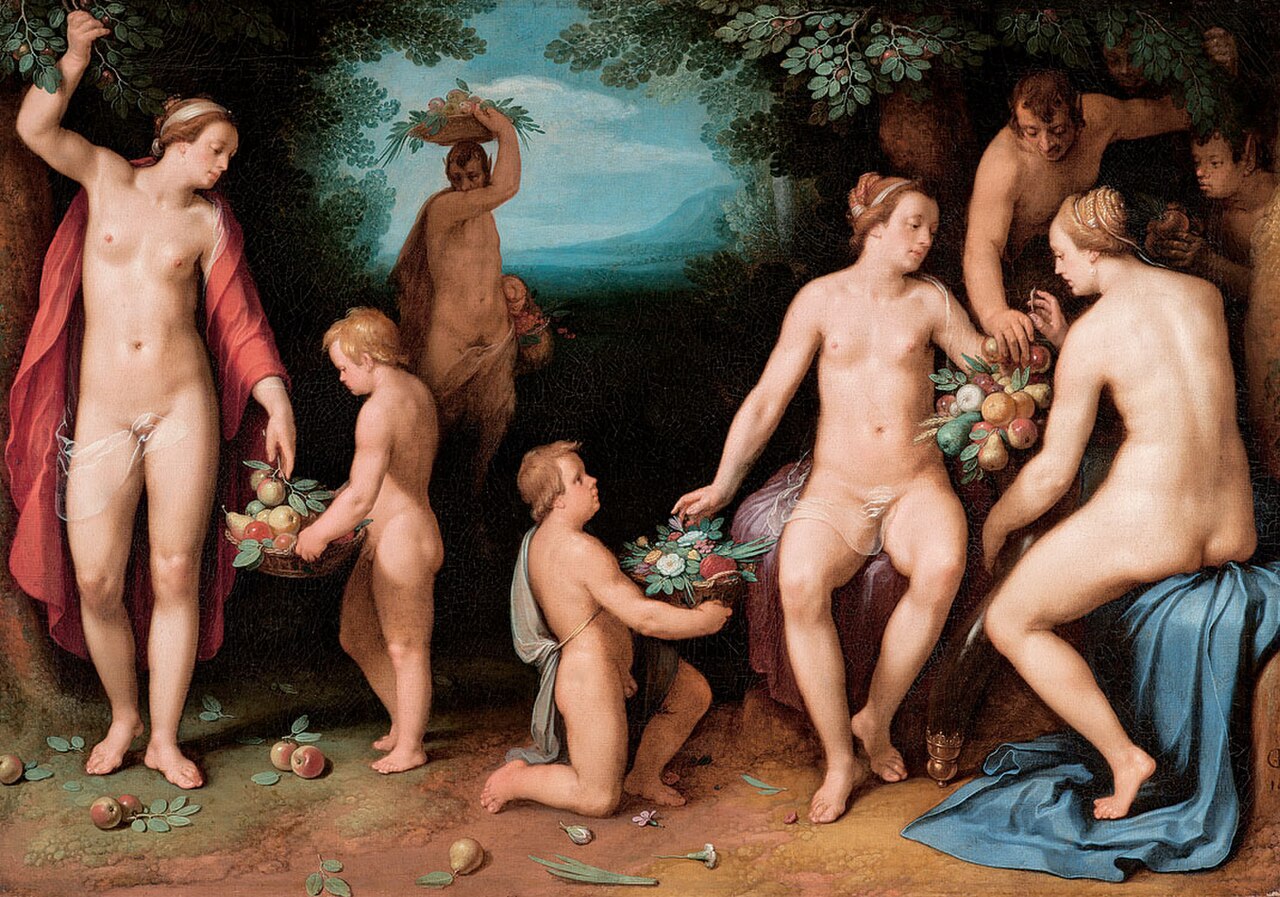


The overflowing horn
The cornucopia is a sacred image of divine abundance flowing into manifestation. Its overflowing form expresses spiritual power gathered until it becomes fruitful, able to nourish and sustain further life. Within Zevism, the soul’s energy centres receive, hold, and circulate power; the horn of plenty gives that invisible economy a visible vessel. Its richness belongs within Zeus’s ordering sovereignty and the generative life of the Gods. The devotee contemplates abundance as an awakened capacity to receive blessings, increase what is fruitful, and make those gifts effective. [4]
Ovid relates one ancient account of the horn. During the contest between Heracles and the river God Achelous, Achelous takes the form of a bull and loses a horn. The Naiads fill it with fruit and fragrant flowers, and it becomes the horn of Plenty. The narrative moves from struggle to a lasting image of fertility and provision. It supplies a specific ancient origin story, among the traditions gathered around the symbol. [1]
The solar treasury and the circulation of power
The Temple identifies the solar chakra with the Grail, the central vessel of the soul’s power. The cornucopia belongs beside that teaching as an image of energy made abundant. The vessel is filled, its contents ripen, and its opening allows fullness to become an outward gift. Applied to spiritual life, this movement signifies empowerment followed by manifestation: what is cultivated within the soul becomes a force through which purpose can enter the world. [3][4]
Colour deepens the correspondence. Green carries the Temple’s Venusian meanings of fertility, growth, abundance, and harmony; gold carries solar power, prosperity, authority, and the perfected soul. The horn filled with green life and golden fruit brings those powers together. The spiritual reading joins the capacity to generate with the capacity to direct, so that flourishing acquires both vitality and purpose. Abundance becomes an ordered expression of the divine gifts working through an empowered soul. [5]
The horn also teaches circulation. A current becomes fruitful through movement: received, gathered, directed, and renewed. Devotion to the Gods places this movement within a sacred relationship. The devotee receives with gratitude, cultivates the faculties needed to hold greater power, and gives expression to what has been received. In a theurgic setting, the cornucopia can focus an intention for flourishing that embraces the soul, its work, and the lives it is able to sustain.
The many forms of nourishment
The contents of the horn are varied because life requires more than one kind of support. Food sustains the body; knowledge develops understanding; friendship strengthens the heart; beauty restores attention; meaningful work gives powers a worthy direction. The Zevist reading gathers these forms of nourishment together. Prosperity becomes the fullness of a life capable of growth, participation, and offering.
The symbol consequently encourages a precise gratitude. A harvest depends upon soil, water, light, cultivation, and the right season. A human achievement likewise draws upon many conditions and many contributions. Recognising them deepens reverence for the divine order in which life unfolds. Gratitude becomes more substantial when the devotee can name what has been received and understand how it supports the whole.
Preserving the sources of abundance
The horn’s fruits direct attention toward the work that sustains them. A harvest requires cultivated ground, a tended tree, and care through changing seasons. Spiritual abundance likewise rests upon conditions that deserve protection. Time for meditation, a place suited to devotion, accurate knowledge, and relationships capable of sustaining learning all contribute to the growth of the soul. The horn invites the devotee to honour those conditions as part of the gift itself.
Prosperity also gives the power to provide. A developed skill can be taught, a resource can support sacred work, and a flourishing household can become a place of welcome. Such acts give abundance a definite purpose in the world. Within Zevism, the cornucopia joins this capacity with reverence for the Gods, so that the gifts cultivated through spiritual and material labour continue to nourish the life from which further offerings will arise.
A complete vision of plenty
Cornelis van Haarlem’s The Hesperides Filling the Cornucopia, painted in 1622, gives this abundance a rich visual setting. The Montreal Museum of Fine Arts identifies the artist, title, and date of the complete painting reproduced here. Its named Hesperides belong to the painting’s version of the subject; Ovid’s account cited above speaks of Naiads. Keeping those identities clear preserves the character of each work. [2]
The filled horn invites a final act of attention: consider one gift already present, one capacity that needs cultivation, and one good that can be shared. Through such deliberate recognition, the image becomes a living reminder that abundance fulfils itself through flourishing.