 አማርኛ
አማርኛ العربية
 বাংলা
বাংলা Български
 中文
中文 Čeština
 Dansk
Dansk Deutsch
 Eesti
Eesti Ελληνικά
 Español
 Français
 हिन्दी
 Hrvatski
 IsiZulu
 Italiano
 日本語
日本語 Kiswahili
 Magyar
 Македонски
 नेपाली
 Nederlands
 فارسی
فارسی Polski
 Português
 Română
 Русский
 Slovenščina
 Suomi
Suomi Svenska
 Tagalog
 Türkçe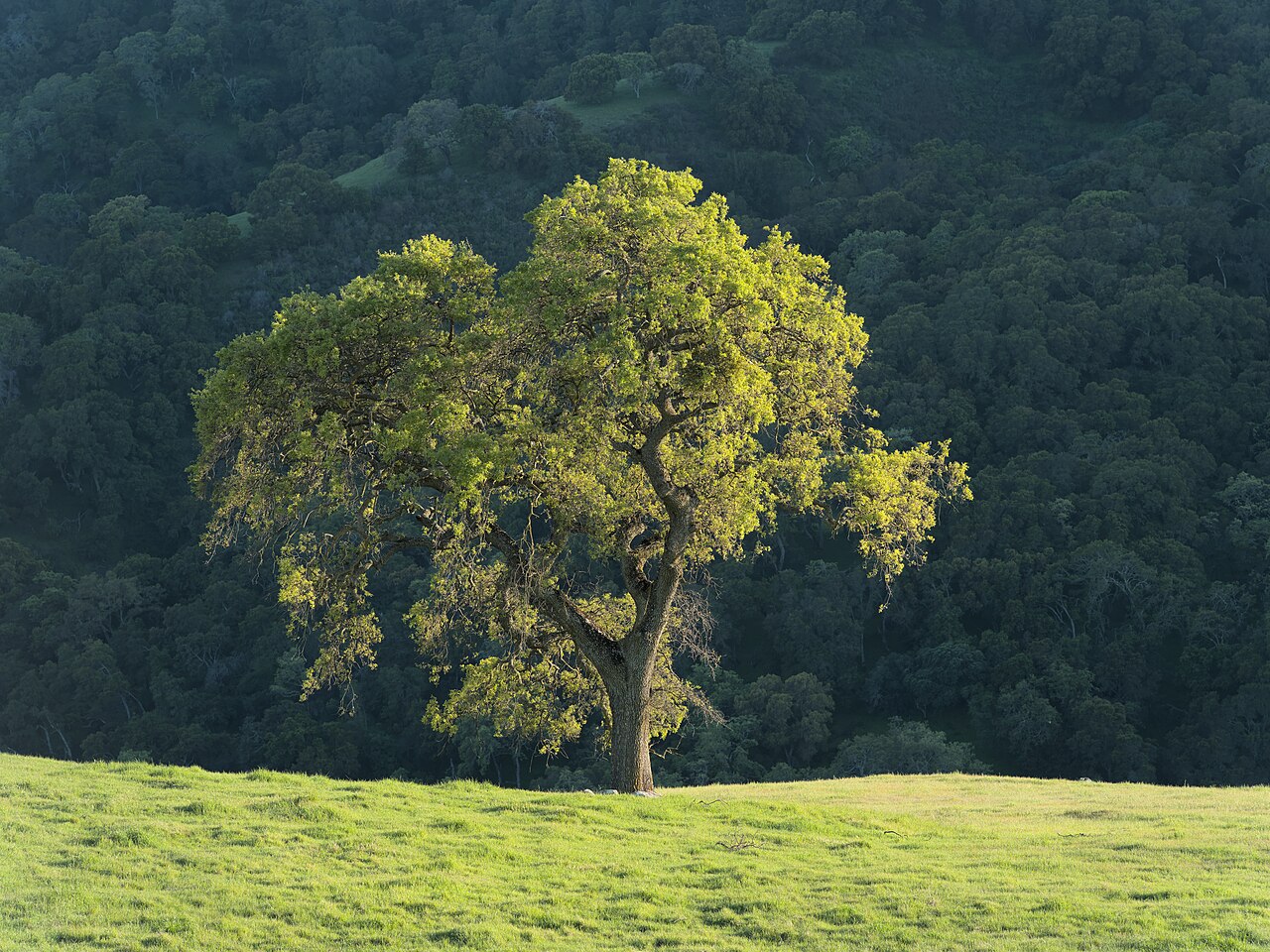
Rooted strength and divine attention
The oak of Zeus is a living sign of Divine knowledge, spiritual rootedness, and the awakening of inner sight. Its roots reach into the hidden earth while its crown opens toward the light. In Zevist teaching, the oak bears the correspondence of the pineal gland and third eye: the sacred tree becomes an image of the inner oracle through which the soul receives illumination.
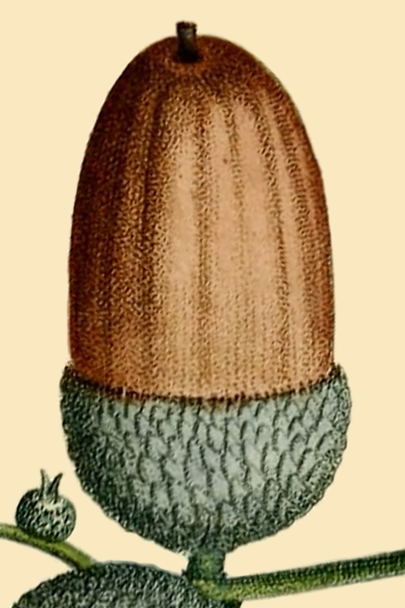
The acorn draws attention to another scale of the same life. A great form begins within something small, and its unfolding requires time and fitting conditions. As a contemplative companion to the oak, it can represent capacity that has not yet reached expression. Its concentrated life invites the devotee to honor the beginnings of spiritual awakening and to cultivate the conditions in which that awakening can become strong.
The oak, the pineal gland, and the third eye
Within Zevist teaching, the sacred oak is a figure of the pineal gland and the awakening of the third eye. This correspondence places the oracular tree within the human temple. The oak receives the voice of Zeus; inwardly, the awakened center receives illumination and opens the soul to spiritual knowledge. The tree therefore signifies far more than endurance. Its sacred power is the power to become receptive to Divine intelligence and to bring that reception into conscious understanding.
The pineal center and the third eye are related within this mystery of inward sight. The Temple’s teachings distinguish their places in spiritual practice while joining them through the imagery of illumination. The oak gathers that relationship into a living form: a hidden center of life sustains a visible crown, and what is gathered inwardly becomes capable of expression. Its oracle speaks to the devotee of Gnosis, the deepening knowledge through which the soul becomes more responsive to Zeus. [6]
The acorn and the seed of illumination
The acorn is the concentrated promise of the sacred tree. In the oak’s inward correspondence, it expresses spiritual capacity held in a compact center before its wider unfolding. It can be contemplated as the seed of higher sight: a power that must be nourished, given steadiness, and allowed to develop its full form. The oak already lives as possibility within the acorn, just as the soul’s greater capacities await their cultivation within the spiritual being.
The movement from acorn to crown gives an order to this awakening. Roots establish a foundation; the trunk provides continuity; the branches extend the life of the whole; the crown receives light. In the Temple’s Tree of Life teaching, the trunk corresponds to the spinal axis and the branches to the soul’s circulating currents. Joined to the pineal correspondence, the oak becomes an image of the entire inner ascent: foundational power gathered through the axis and disclosed as illumination above. [4][5]
Endurance without rigidity
Within Zevist contemplation, rootedness means the preservation of a worthy foundation through changing seasons. It need not imply resistance to every change. The living tree grows precisely because its stability permits new expression. This can illuminate the relation between fidelity to the Gods and the gradual enlargement of understanding: the foundation is maintained while the form becomes more capable.
Dodona also brings listening into the image. The practitioner may contemplate the oak as a reminder to attend before speaking, to allow a question to become clear, and to distinguish steady guidance from passing agitation. The acorn adds responsibility for beginnings: an intention worthy of growth deserves careful cultivation. Together, oak and acorn unite reverence for Zeus with the practical virtues of patience, attention and sustained work.
The sacred oak of Dodona
The connection with Zeus is explicit in Homer. In Odyssey 14.327–330, within Odysseus' disguised account to Eumaeus, the hero is said to have gone to Dodona to hear the will of Zeus from the God's oak. The narrative setting matters: the speaker is telling a constructed story, but the reference shows that Zeus' oracular oak was a recognizable element of the poem's religious world. [1]
Herodotus 2.55 records a foundation account told by the priestesses of Dodona: a dove came from Egyptian Thebes, settled on an oak and announced that an oracle of Zeus should be established. Herodotus then supplies his own explanation in the following sections. His account preserves the sanctuary’s sacred foundation narrative alongside his own historical interpretation. [2]
Archaeological description complements the literary witnesses. The Perseus site record for Dodona identifies the sanctuary of Zeus, its sacred oak enclosure and the development of a stone temple around the end of the fifth or beginning of the fourth century BCE. The tree therefore belongs to a particular sacred place and cult history, rather than only to a general modern association of oaks with strength. [3]