 አማርኛ
አማርኛ العربية
 বাংলা
বাংলা Български
 中文
中文 Čeština
 Dansk
Dansk Deutsch
 Eesti
Eesti Ελληνικά
 Español
 Français
 हिन्दी
 Hrvatski
 IsiZulu
 Italiano
 日本語
日本語 Kiswahili
 Magyar
 Македонски
 नेपाली
 Nederlands
 فارسی
فارسی Polski
 Português
 Română
 Русский
 Slovenščina
 Suomi
Suomi Svenska
 Tagalog
 Türkçe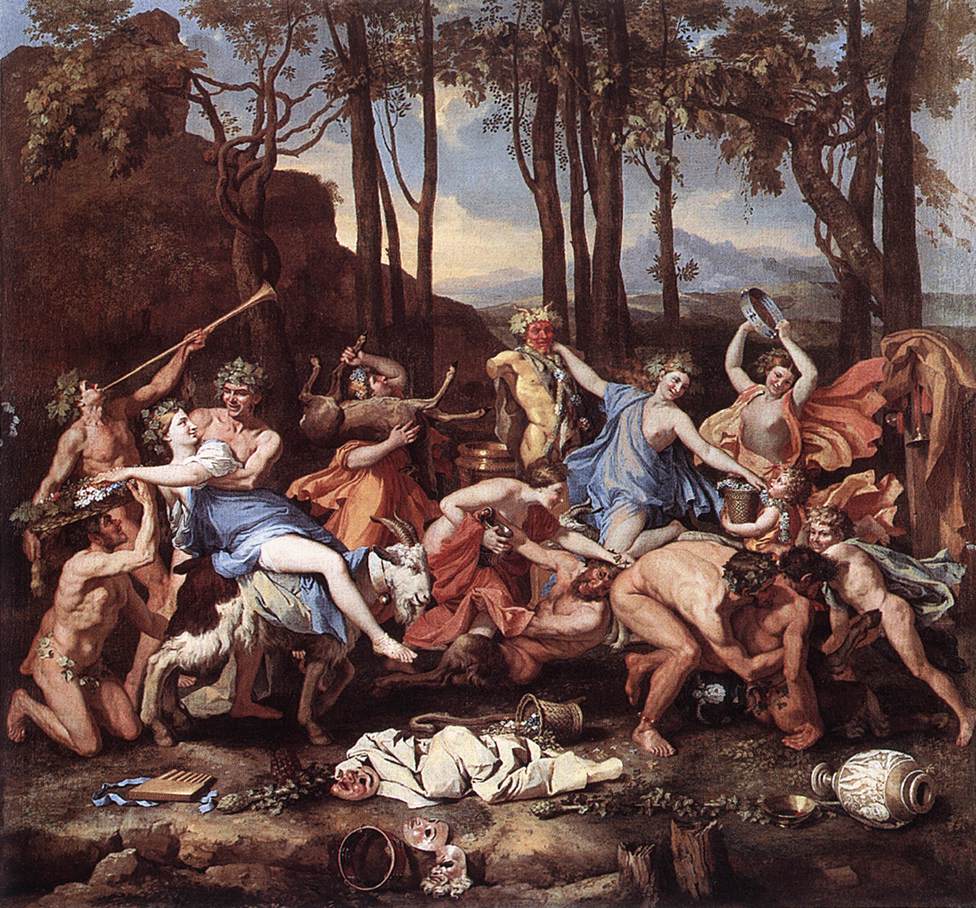
Nature as a divine presence
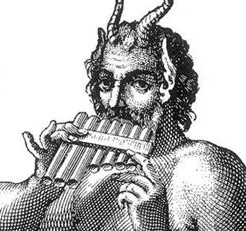
Pan reveals the spiritual power of living nature. His horns signify abundant life force, His animal form declares the sacred vitality of embodiment, and His pipes make the breath of the soul audible. In Zevism, nature is filled with powers through which the Gods act, and the devotee develops within this living order. Pan’s presence awakens reverence for those powers already moving through breath, generation, sensation, and creative energy. His music calls them into harmony, joining the life of the body with the ascent of the soul. [1]
The breath that awakens the sevenfold instrument
The Temple reads Pan’s sevenfold pipes as the seven major chakras. Breath passes through a material instrument and becomes ordered sound; spiritual breath moves through the soul’s centres and gives expression to their powers. The image is intimate because the musician’s own life supplies the movement. Pan thus reveals the relation between breath, energy, and consciousness, drawing the devotee toward the sacred work of enlivening the inner instrument. [1][4]
Each centre possesses a function within the whole. Their harmony requires both individual awakening and a clear relation among them. Pan’s music gives this truth a sensuous form: many tones answer to one living breath. In the Temple’s Kundalini teaching, controlled breathing, concentrated awareness, and sacred vibration belong to the means by which the soul’s energy is cultivated. The pipes gather these powers into a single image of divine music. The God plays, and the inner world becomes responsive. [8]
Horns, fertility, and the sacred force of nature
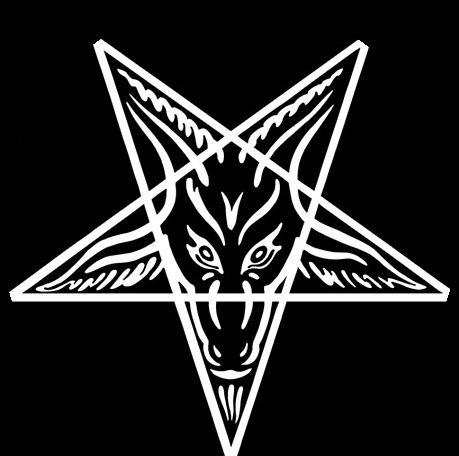
Pan’s horns express the concentrated vitality through which nature renews itself. This force includes the generative and creative powers of the soul. The Temple relates spiritual awakening to the activation of the second chakra and the stirring of the serpent; Pan’s fertile presence belongs beside that inward renewal. He teaches reverence for life as a power to be awakened and brought into harmony. The body becomes a participant in the spiritual work, carrying capacities through which the soul can grow. [1][4]
His woodland world also restores the devotee’s sense of participation. Earth, water, air, and fire sustain living forms, while the soul gathers their correspondences within itself. Pan’s sacred image allows the person to contemplate this continuity without abandoning the distinct power of the God. He is the divine presence through whom the vitality of nature becomes an object of devotion. In His music, the many movements of life enter an order that remains fertile, free, and capable of renewal.
The ancient God and His name
The Homeric Hymn to Pan calls Him the son of Hermes and describes His goat’s feet, horns, mountain paths, and companionship with dancing Nymphs. Near the end, Hermes brings the newborn God to Olympus, where He delights the assembled immortals. The hymn connects His name with the Greek word for all through that shared delight. Its poetic explanation places Pan within the joy of the divine assembly and the fullness of the living world. [2]
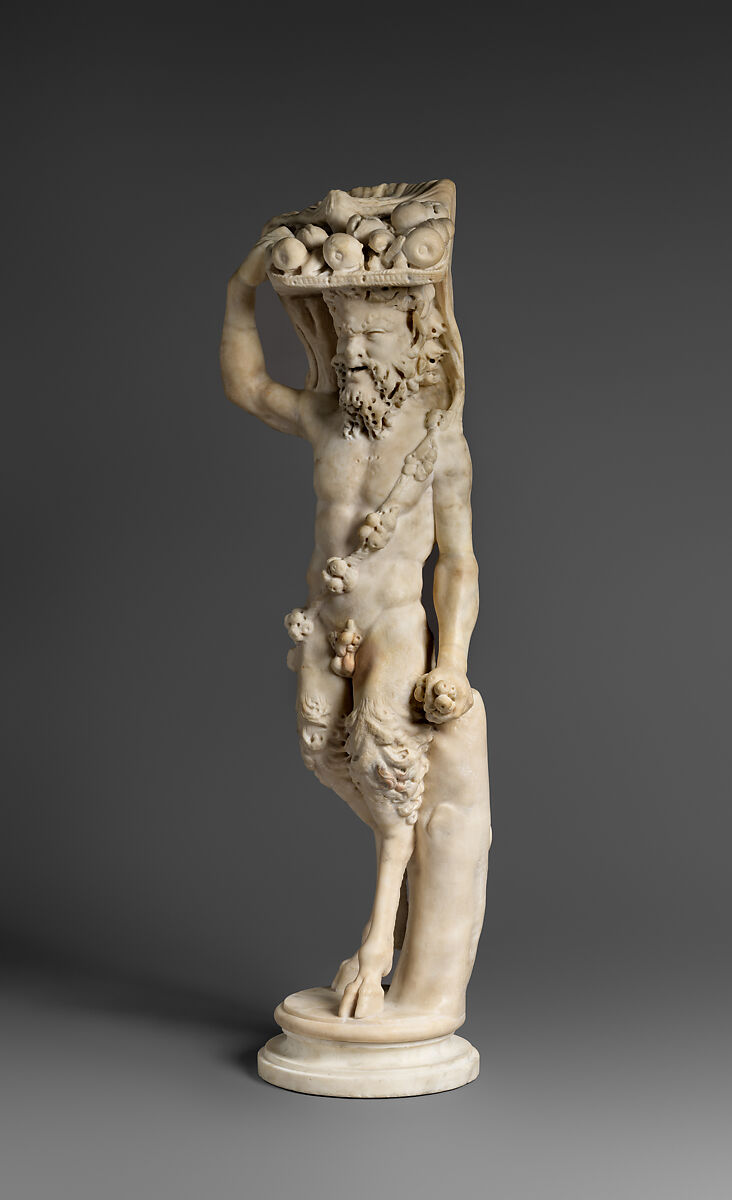
The same hymn places His reed music among springs, meadows, and mountain echoes. A Roman marble statue in the Metropolitan Museum shows a further setting: Pan, or a satyr, holding a basket containing offerings and cult objects. The museum connects that basket with Dionysian worship. Its deliberately qualified title preserves uncertainty about the figure's exact identity while documenting the natural and fertile imagery surrounding this divine world. [2][3]
Embodied reverence and the powers of nature
Pan’s sacred presence draws the devotee into the living circumstances of spiritual work. The voice needs breath, the musician needs a responsive body, and the inward faculties develop through an embodied life. His image honours that participation. The Temple’s reading of His pipes gives the senses a place in the ascent: hearing receives the sound, breath carries it, and awareness recognises the relation between the movement and its source. [1]
His music also teaches the dignity of different powers. A high tone and a low tone fulfil different functions within a melody; their value appears through the part each contributes. In spiritual work, receptive perception, creative force, directing will, and higher understanding likewise have their own work to accomplish. Pan’s harmony welcomes their full development. The God’s joyful presence affirms a soul whose powers remain alive, distinct, and capable of acting together.
The dignity of embodied life
Pan's image invites reverence for the living conditions of spiritual practice. Breath, hearing, movement, landscape, and bodily presence become occasions for awareness. His mixed form joins the human and animal within one sacred figure, drawing attention to humanity's participation in a wider living world. In the Zevist context, His importance lies in this fullness: ascent toward the Gods includes the awakening of life already present, and the cultivation of harmony within the natural order.