 አማርኛ
አማርኛ العربية
 বাংলা
বাংলা Български
 中文
中文 Čeština
 Dansk
Dansk Deutsch
 Eesti
Eesti Ελληνικά
 Español
 Français
 हिन्दी
 Hrvatski
 IsiZulu
 Italiano
 日本語
日本語 Kiswahili
 Magyar
 Македонски
 नेपाली
 Nederlands
 فارسی
فارسی Polski
 Português
 Română
 Русский
 Slovenščina
 Suomi
Suomi Svenska
 Tagalog
 Türkçe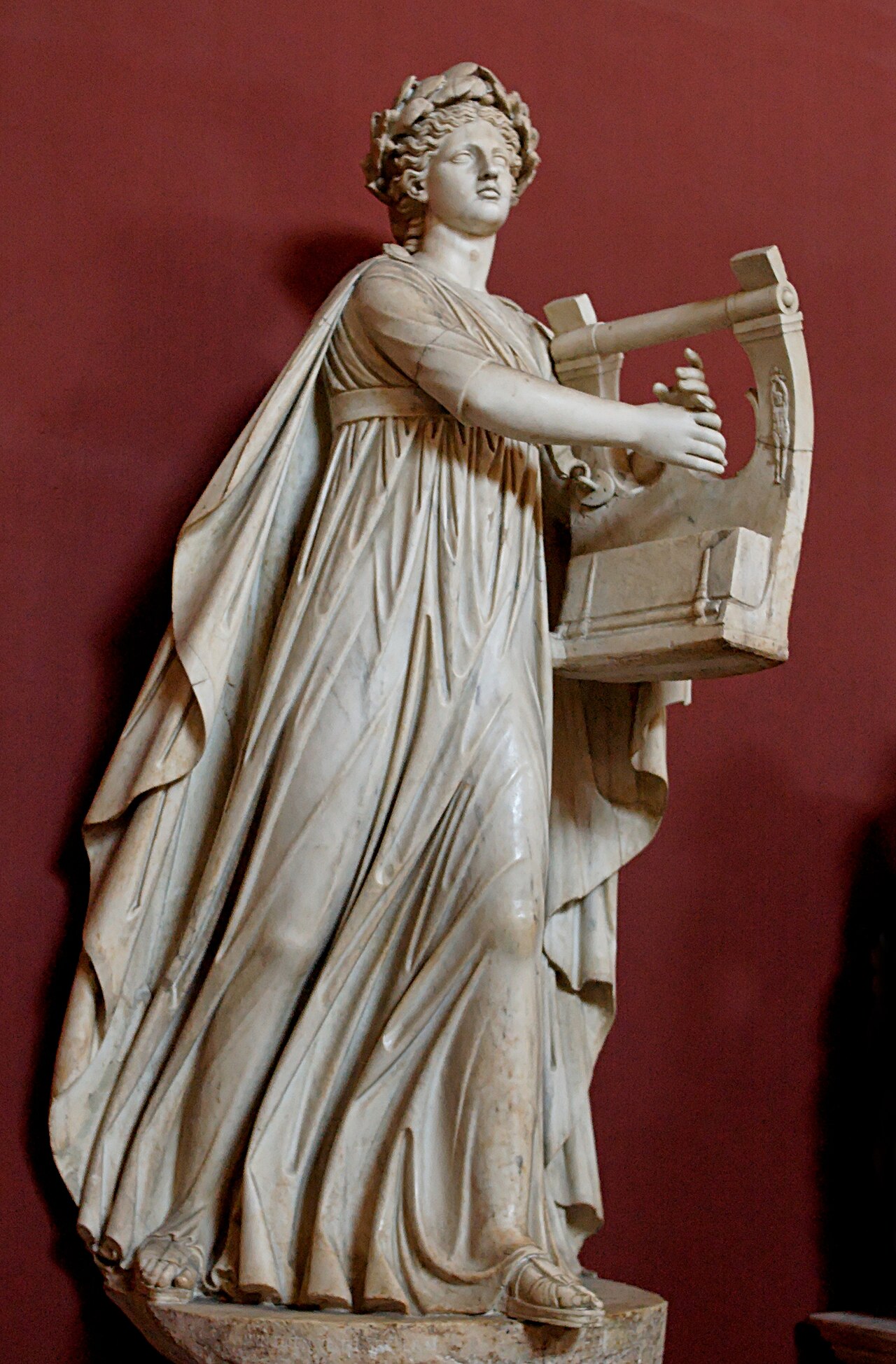
The soul as a harmonious whole
The lyre of Apollon and Hermes is the soul made musical through awakening. Its distinct strings answer to one instrument and one directing hand, revealing the harmony through which spiritual powers become a conscious whole. Within Zevism, the seven principal chakras possess their own functions and participate in a common energetic life. The seven-stringed lyre gives this order a sacred form. Hermes brings divine ingenuity and communication; Apollon gives luminous harmony. Their instrument calls the devotee to awaken the inner centres and make the soul responsive to the Gods. [5][4]
Seven strings and the powers of the chakras
The Temple teaches that each major chakra has a distinct spiritual function and correspondence with light. The lyre translates this differentiated order into the language of sound. Each string has its place; each tone contributes to the whole; the instrument gains its power through their relationship. The devotee contemplates the soul in the same way, as centres that must become individually responsive and mutually harmonious. The sevenfold image gathers the path from the foundation to the crown into one sacred instrument. [5]
The player’s hand adds conscious direction. An instrument can hold the possibility of music, yet that possibility becomes actual through a skilled movement. The spiritual will likewise directs the energy cultivated through meditation. The lyre therefore signifies both structure and agency: the soul has powers to awaken, and the devotee must learn to bring those powers into an ordered act. Hermes’s ingenuity and Apollon’s clarity unite in the making of a capable spiritual musician.
Sacred vibration and theurgy
The Temple’s Kundalini teaching gives sound a practical role in spiritual development. Sacred vibration is used to stimulate and empower the centres, while concentration and breath sustain the work. The lyre makes this relationship visible. A string is set in motion, resonance passes through the instrument, and an ordered sound emerges. Inwardly, the same image gives form to the awakening of a centre and the participation of the whole soul in its power. [9]
This is the lyre’s theurgic meaning: the devotee becomes an instrument capable of answering divine influence. Hymn, invocation, and concentrated spiritual sound gather the faculties into one movement of reverence. The aim is communion with the Gods through a soul made clearer, stronger, and more harmonious. Apollon’s music gives the work its luminous order, while Hermes carries the passage between inward power and expressed form. The perfected instrument sounds with a unity that preserves the distinct richness of every string.
Hermes, Apollon, and the first lyre
The Homeric Hymn to Hermes narrates the newborn God’s construction of a lyre from a tortoise shell, reeds, hide, and seven strings. Later, His playing enchants Apollo, and the instrument becomes part of the exchange that reconciles the two Gods. The poem presents music as a divine invention able to transform a relationship, joining Hermes’s ingenuity with Apollo’s delight in the power of harmonious sound. [1]
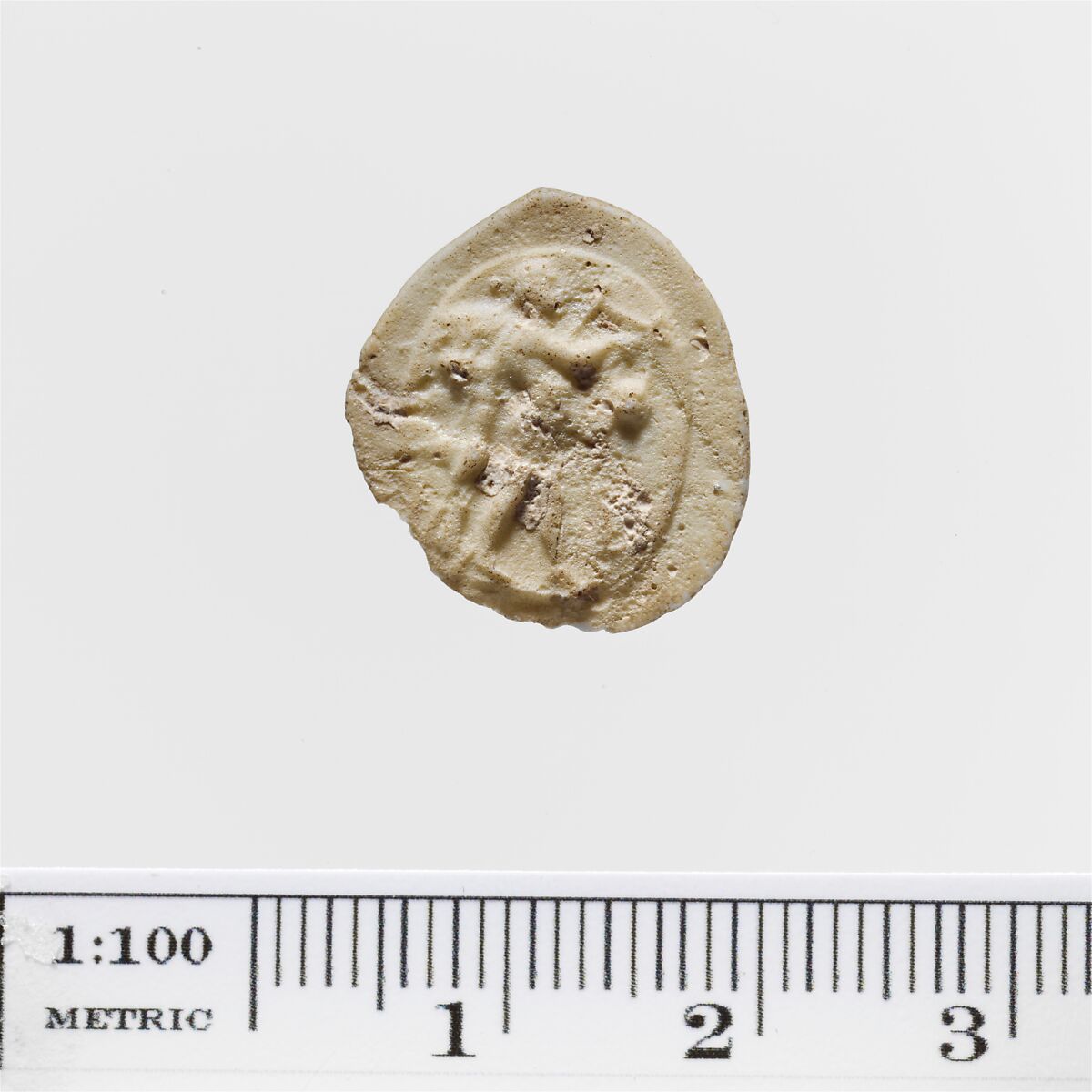
Ancient images make the association with Apollo visible. A Roman glass cameo in the Metropolitan Museum shows Him playing the lyre with a mantle hanging behind Him. The museum dates the object broadly from the first century BCE to the third century CE. Its small scale is instructive: a divine attribute can carry a recognizable religious meaning even within a compact image intended for close viewing. [2]
Music as a sacred discipline
The Metropolitan Museum’s study of Greek music distinguishes the lyre and kithara, both stringed instruments, from the double-reed aulos. It describes music accompanying worship, daily activity, and education, and notes philosophical comparisons between musical order, the cosmos, and the soul. These settings show the breadth of music’s ancient importance. Sacred song, cultivated skill, and the study of harmony belong together within the historical world from which the lyre’s divine associations come. [3]
A musician learns to hear before acting. The ear receives the sound, recognises its quality, and guides the next movement. This relationship gives sacred music a discipline of receptivity as well as expression. In a hymn, words and melody must remain worthy of the divine address. The devotee’s attention rests upon meaning, sound, and the God honoured by both, so that the performance becomes one coherent act of reverence.
A hymn offered to the Gods
The lyre gives the offering a visible shape. The instrument is prepared, the musician gathers the faculties, and the song receives a clear divine address. Each stage contributes to the dignity of the act. Through the hymn, an inward intention becomes audible and can be shared by a community of worshippers. Apollon and Hermes stand within this passage from inspiration to expression, giving sacred music its union of illumination, communication, and carefully formed beauty.