 አማርኛ
አማርኛ العربية
 বাংলা
বাংলা Български
 中文
中文 Čeština
 Dansk
Dansk Deutsch
 Eesti
Eesti Ελληνικά
 Español
 Français
 हिन्दी
 Hrvatski
 IsiZulu
 Italiano
 日本語
日本語 Kiswahili
 Magyar
 Македонски
 नेपाली
 Nederlands
 فارسی
فارسی Polski
 Português
 Română
 Русский
 Slovenščina
 Suomi
Suomi Svenska
 Tagalog
 Türkçe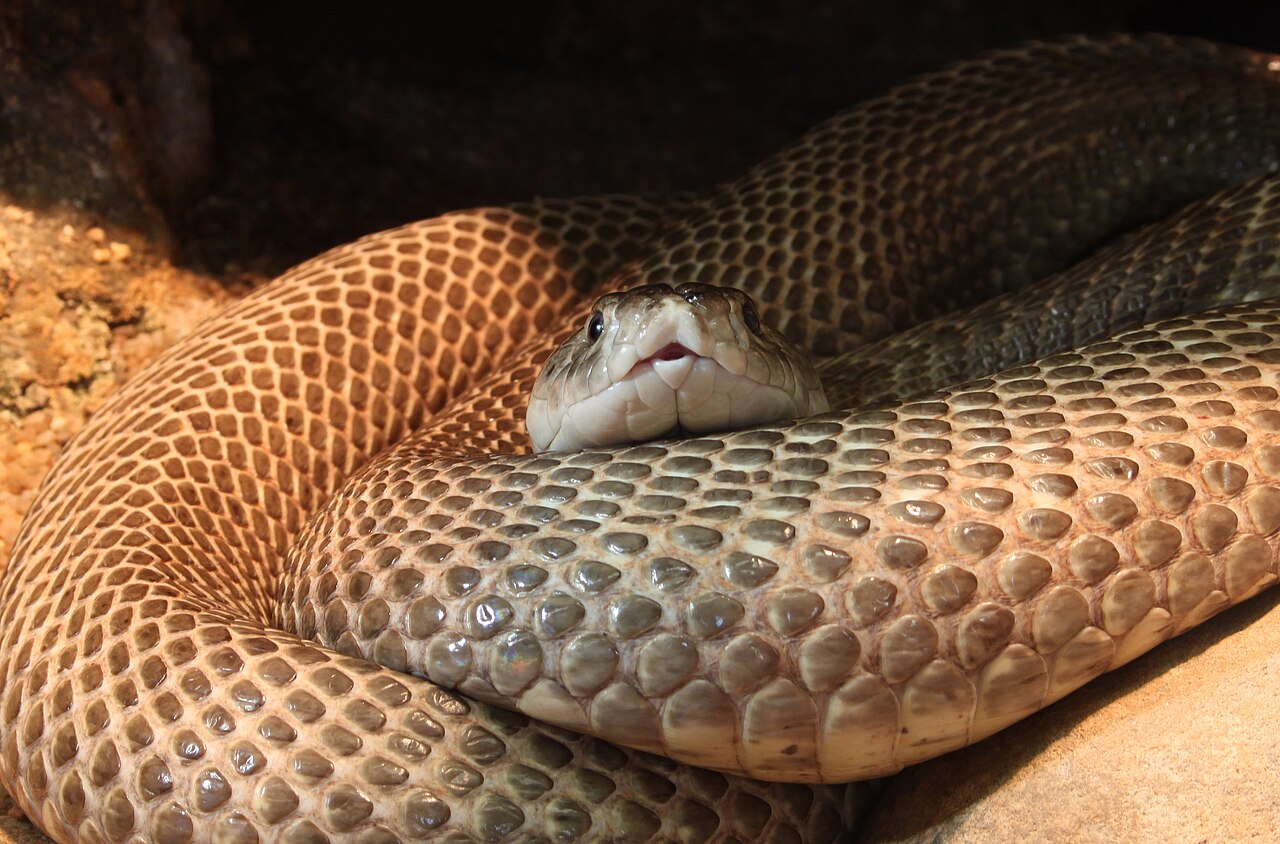
The power of ascent
The serpent is the living fire of spiritual ascent. In Zevism, it signifies Kundalini, the sacred power coiled at the base of the spine whose awakening raises the soul through its seven major chakras. Its upward movement brings the centres into a fuller spiritual life and opens the higher faculties through which the Gods are known. The serpent is therefore a symbol of transformation in its most direct form: divine power becoming active within the human being and carrying consciousness toward illumination and Godhead. [1][8]
The Serpent of Fire and the seven centres
The Temple describes the soul as an energetic structure whose chakras receive and circulate spiritual power. Kundalini moves within this structure as the force of awakening. Its ascent unites the lower foundation with the higher centres, so that the entire person participates in the work. The serpent’s long body gives a visible continuity to this path: each stage belongs to the same living movement, and the summit is reached through the empowerment of the whole. [4][8]
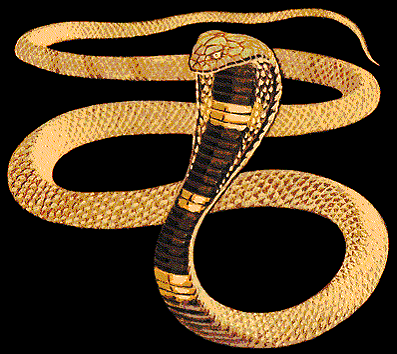
The coiled form signifies concentrated power awaiting expression. The raised form signifies that power entering the work of transformation. When the serpent reaches the head, its meaning meets the Third Eye and the crown: spiritual sight opens, consciousness becomes luminous, and the devotee approaches a more direct communion with the Gods. The hooded cobra presents the expansion of awareness in a particularly commanding form, its opened hood spreading around the centre from which its gaze is directed. [1][5]
Inner alchemy and the guidance of the Gods
The serpent’s movement belongs to inner alchemy, the transformation of the soul into a more perfected state. The Temple teaches this as a sustained work of meditation, the cultivation of spiritual energy, and the opening of the soul’s centres. The Gods are active guides within this work. Their symbols give form to the powers being awakened and help the devotee recognise the direction of the ascent. Serpent, eye, and halo are consequently linked stages within one sacred language. [1][8]
The way of ascent requires a prepared vessel. The Temple’s Kundalini teaching emphasises gradual empowerment and the clearing of the path through consistent practice. The serpent represents the power within that path, while the devotee’s discipline gives the work continuity. In contemplation, its image gathers the intention to awaken fully, to unite spiritual strength with understanding, and to carry the light of the Gods into an increasingly conscious life. The aim is the soul’s development as a whole. [8]
The royal cobra and the healing God
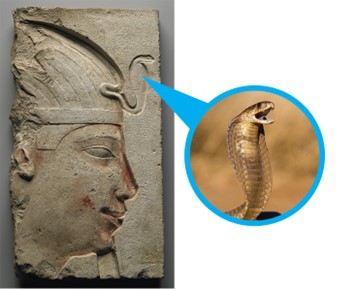
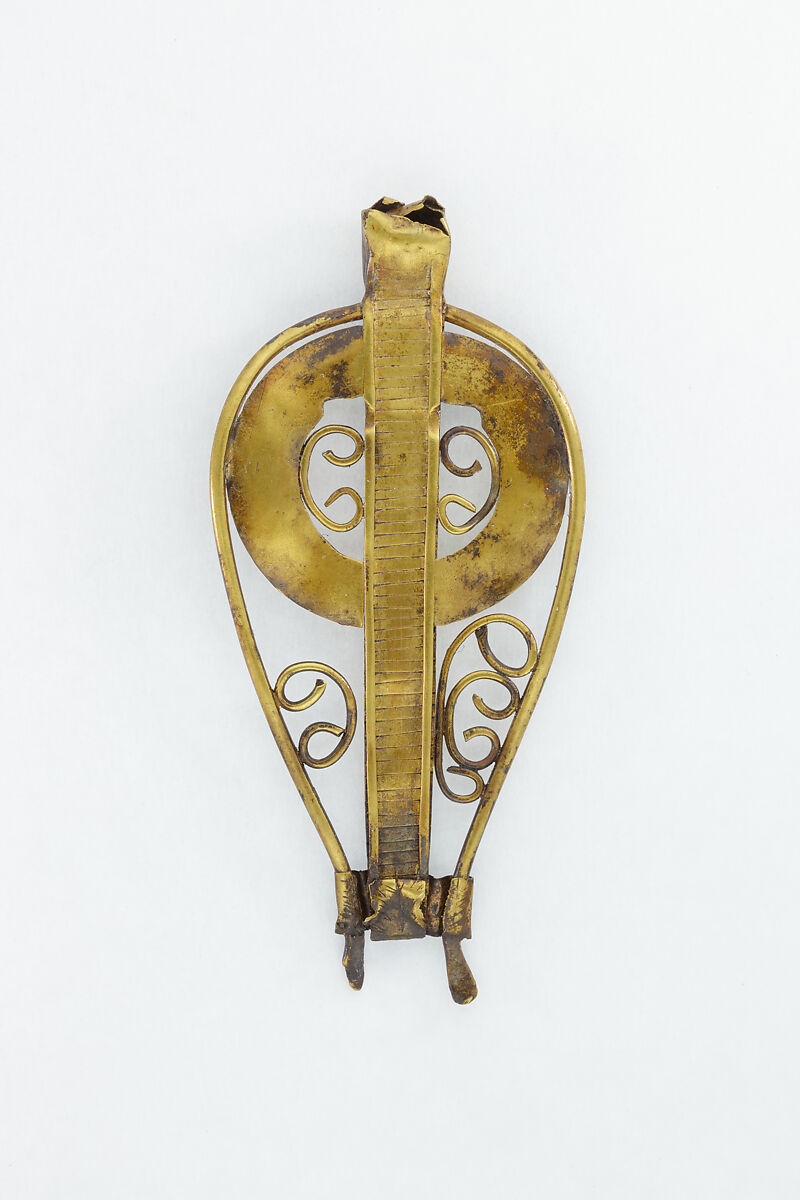
Egyptian images supply one important historical setting. The uraeus, a rearing cobra placed upon the royal brow, was a protective emblem associated with divine kingship. A Middle Kingdom electrum pendant in the Metropolitan Museum demonstrates this imagery in a small wearable form. The museum identifies the cobra with Wadjet, the protecting Goddess of Lower Egypt. This particular pendant is incomplete: its head and lower portion are missing. Such details matter when an image is used as evidence. [2]
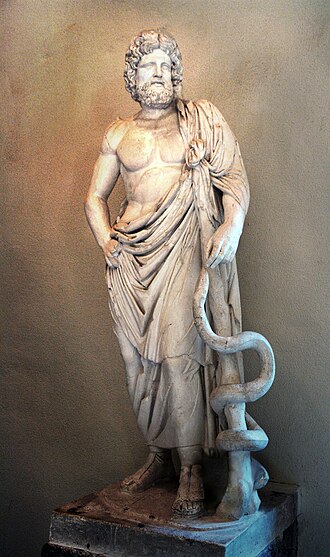
A second setting is the Greek worship of Asclepius. Pausanias describes His cult statue at Epidaurus seated with a staff, one hand above a serpent’s head, and a dog beside Him. The passage places the serpent within the God’s sanctuary and sacred image, joined to a divine presence revered for healing. This ancient witness gives the serpent a further religious setting beside the protective cobra of Egypt. [3]
Renewal, guardianship, and spiritual continuity
The serpent brings renewal and guardianship into relationship. Its place beside Asclepius directs attention to the preservation of life, while the royal cobra stands at the brow as a protecting presence. Within Zevist devotion, these associations enrich the work of awakening: the soul’s growing power is something to cultivate, preserve, and direct. An attainment becomes part of the person when it can be sustained through the continuing life of spiritual practice. [1][3]
This continuity gives daily work its dignity. Meditation prepares the inner vessel, study clarifies the symbols, and devotion keeps the work in conscious relation with the Gods. The serpent reminds the devotee that spiritual transformation concerns a living power whose development unfolds through time. Its image can stand at the beginning of a period of contemplation as a declaration of purpose: the faculties of the soul are to awaken and become capable of greater divine participation.
The serpent and the divine life
The cobra on the royal brow, the serpent of Asclepius, and the rising Kundalini bring protection, renewal, and spiritual awakening into a rich field of contemplation. Their individual histories give the images depth, while Zevist teaching gathers their powers within the soul’s ascent. The devotee honours the serpent as a sign of life becoming spiritually awake, its force rising toward the sacred eye and the crown of divine light.