 አማርኛ
አማርኛ العربية
 বাংলা
বাংলা Български
 中文
中文 Čeština
 Dansk
Dansk Deutsch
 Eesti
Eesti Ελληνικά
 Español
 Français
 हिन्दी
 Hrvatski
 IsiZulu
 Italiano
 日本語
日本語 Kiswahili
 Magyar
 Македонски
 नेपाली
 Nederlands
 فارسی
فارسی Polski
 Português
 Română
 Русский
 Slovenščina
 Suomi
Suomi Svenska
 Tagalog
 Türkçe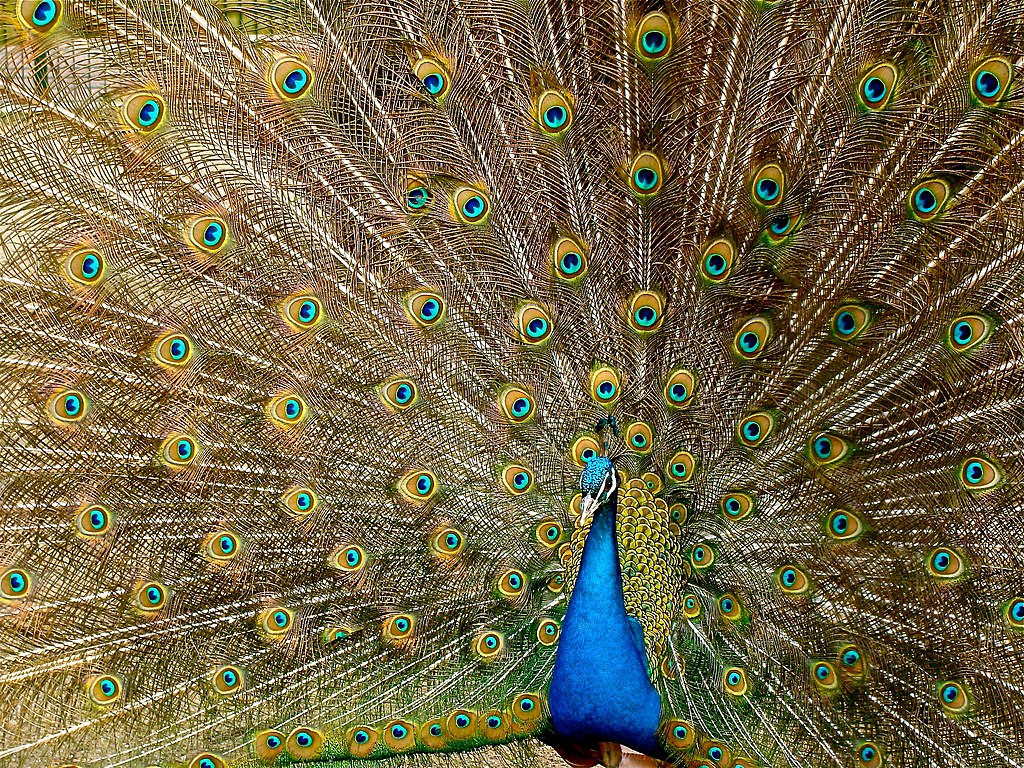
The splendour of awakened perception
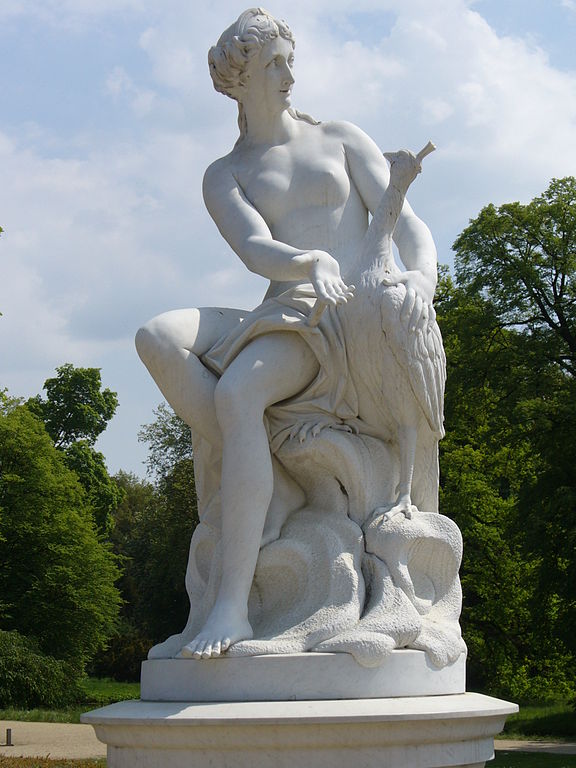
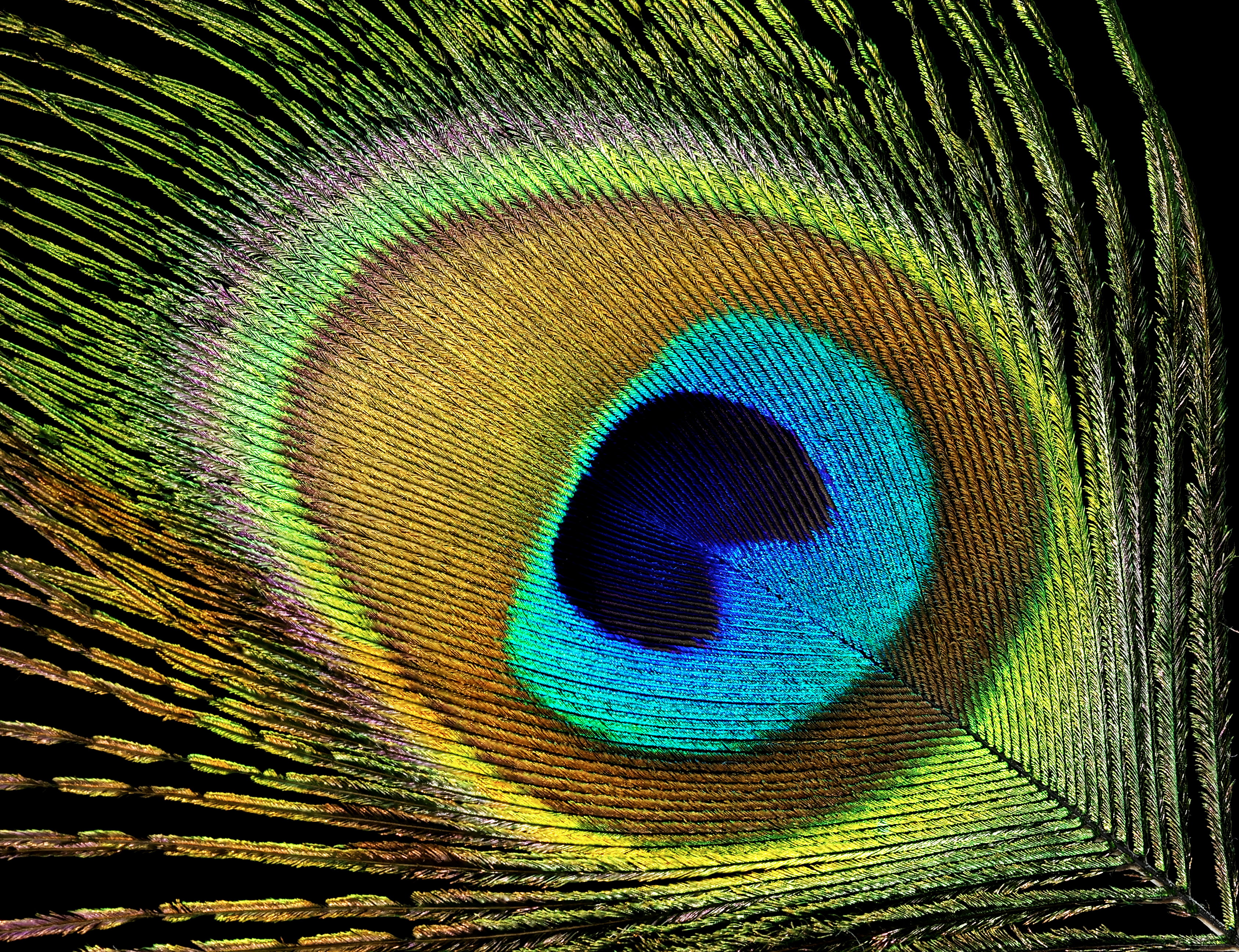
Hera’s peacock reveals the magnificence of awakened spiritual sight. The Temple identifies its many eyes with the Third Eye and its spreading colours with the multicoloured stage of the Magnum Opus following Nigredo. The bird is therefore a living image of occult awakening: consciousness opens, previously hidden powers become perceptible, and the soul begins to shine with a richer spiritual life. Under Hera’s guardianship, beauty gives form to illumination. The opening fan announces the expansion of the inner eye into a wider field of divine awareness. [1][5]
The thousand eyes and astral perception
The Temple’s image of a thousand eyes expresses the enlargement of spiritual perception. The Third Eye is the faculty of astral sight, through which the soul perceives energy, auras, and forms beyond ordinary visual awareness. The peacock’s many eye markings gather this power into an immediately recognisable form. Each eye belongs to one living bird, suggesting a consciousness able to receive many impressions without losing its centre. Hera’s splendour gives this awakening dignity and order. [1][5]
The unfolding tail also reveals a power that can be gathered or displayed. Its radiance appears when the bird opens what had been held close. Inwardly, the same movement signifies spiritual faculties becoming active and available to consciousness. The devotee contemplates the passage from concealment into revelation, from potential into luminous expression. The peacock becomes an emblem of the soul’s readiness to see and to participate more consciously in the presence of the Gods.
The colours after Nigredo
Nigredo marks the alchemical work of separation and transformation. The peacock’s colours announce the richness that emerges as the soul becomes capable of receiving and expressing a greater range of powers. The Temple teaches that the chakras correspond with colours and possess distinct spiritual functions. Their differentiated radiance gives a further inward meaning to the bird’s splendour: the awakened soul contains many centres of power, each contributing to the beauty of the whole. [1][4]
Blue carries spiritual truth and occult power; green brings the heart’s harmony and renewal; gold declares solar authority and the perfected soul. These colour correspondences enrich contemplation without reducing the living bird to a fixed diagram. Hera’s peacock presents the total effect: powers awakened into a majestic order. In a devotional setting, its image calls the soul toward luminous wholeness and reminds the devotee that beauty can be the visible language of spiritual attainment. [7]
Hera, Argus, and the eyes of the bird
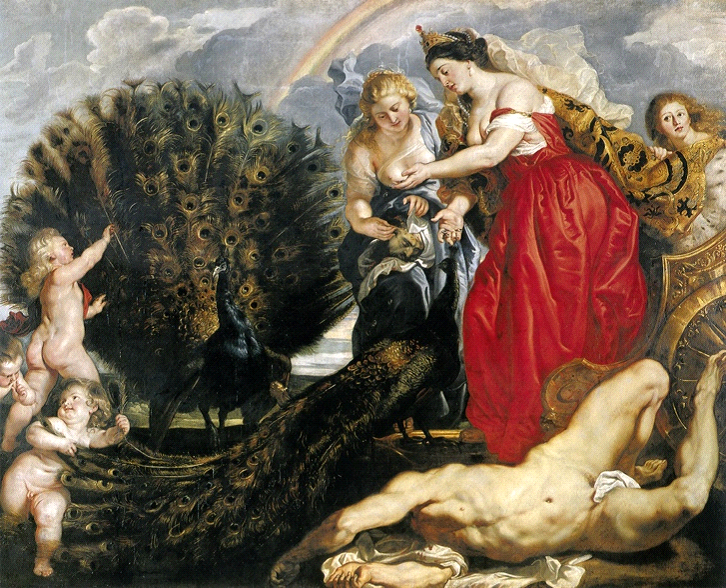
The classical literary connection is explicit in Ovid's Metamorphoses. After Mercury kills Argus, Juno places the guardian's eyes in the feathers of Her bird. The narrative supplies an ancient explanation for the peacock's eye-marked plumage and its association with the Goddess. Ovid writes as a Roman poet, using the names Juno, Jupiter, and Mercury; these correspond here to Hera, Zeus, and Hermes in the Greek naming of the Gods. [2]
The story later became a subject of European painting. Rubens’s Juno and Argus, dated by the Wallraf-Richartz-Museum to approximately 1610, shows the eyes being transferred into the peacock’s plumage. The museum draws attention to the painting’s colours and its treatment of vision. This Baroque work makes the ancient narrative visible through the painter’s own mastery of colour, movement, and light, giving Hera’s bird a magnificent place in the artistic reception of the Gods. [3]
Vision under Hera’s guardianship
The splendour of the bird gives the experience of awakening a sovereign form. Hera’s presence joins spiritual perception with dignity, proportion, and the capacity to sustain what has been revealed. A wider field of vision asks for a stronger centre. The devotee must be able to hold impressions clearly, remember their character, and allow understanding to mature. The bird’s majestic bearing offers a fitting image of perception supported by inward composure. [1]
This guardianship gives the peacock a place in the contemplative setting. Its beauty gathers attention through colour and form; its association with Hera gives the act a divine address. The devotee approaches with reverence and a purpose worthy of the Goddess: to become capable of receiving greater knowledge without losing the order of the soul. The image thus joins the wonder of spiritual discovery with the steadiness needed to carry its gifts into a conscious life.
Beauty under Hera's guardianship
The peacock's presence gives beauty an active spiritual role. Splendour can reveal order and awaken the desire to become worthy of what is contemplated. Read in this way, Hera's bird encourages the devotee to cultivate perception, dignity, and proportion together. The gaze becomes attentive, the inner life becomes more richly articulated, and the soul's ascent finds an image in the opening of a brilliant living fan.