 አማርኛ
አማርኛ العربية
 বাংলা
বাংলা Български
 中文
中文 Čeština
 Dansk
Dansk Deutsch
 Eesti
Eesti Ελληνικά
 Español
 Français
 हिन्दी
 Hrvatski
 IsiZulu
 Italiano
 日本語
日本語 Kiswahili
 Magyar
 Македонски
 नेपाली
 Nederlands
 فارسی
فارسی Polski
 Português
 Română
 Русский
 Slovenščina
 Suomi
Suomi Svenska
 Tagalog
 Türkçe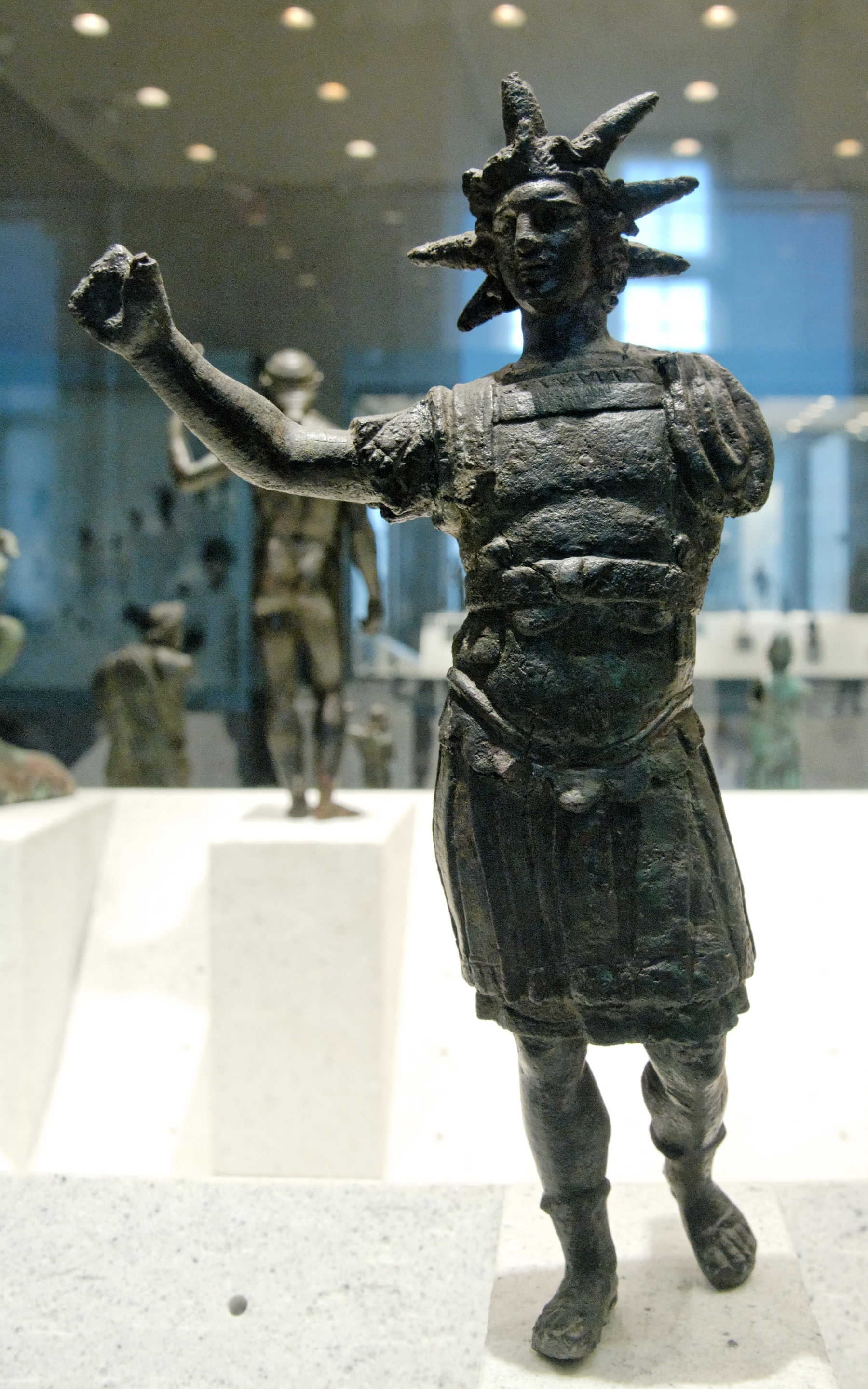
Light around the head
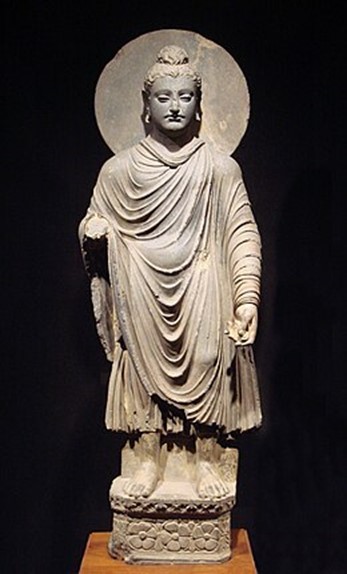
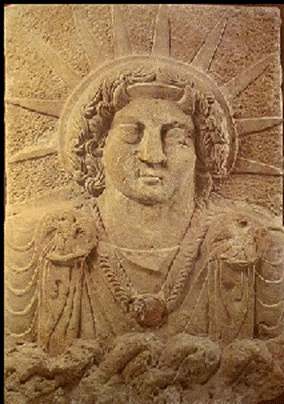
The solar crown is the radiance of the awakened soul. Its rays, halo, and sacred horns signify life force brought into power, the opening of the head chakras, and the illumination that accompanies the serpent’s ascent. Within Zevism, the Gods shine with the spiritual energy of Their perfected being. Helios and Apollon make this divine luminosity visible through the language of the Sun. The crown announces that consciousness has become capable of receiving greater light and expressing that light through its own awakened powers. [1][8]
The crown of the inner Sun
The Temple gives the Sun an inward correspondence with the empowered and transformed soul. Its radiance gathers the meaning of spiritual sovereignty: power organised around a luminous centre and extending through the whole being. The crown around the head marks the higher expression of that order. The Third Eye perceives, the pineal light deepens spiritual receptivity, and the crown opens the soul toward the divine heights. Together they form the head’s sacred field of illumination. [4][5][6]
Gold gives this field its alchemical colour. The Temple associates gold with the Sun, authority, spiritual power, and the perfection of the soul, and describes Zeus as possessing a golden aura. A golden crown therefore carries the meaning of realised power. White-gold adds the brilliance used in the Temple’s pineal teaching, joining solar authority with inward illumination. The devotee sees in these colours a living invitation to the great work, through which the soul becomes increasingly radiant. [7][6]
Horns, rays, and the communication of power
In the Temple’s symbolic language, horns signify life force and the capacity to hold spiritual power. Rays express its outward shining; the halo presents its luminous field. Each form gives a different movement to the same contemplative theme. Concentration, circulation, and radiation belong together when the soul is empowered. The forms around the divine head call attention to the source from which spiritual understanding and authority are expressed. [1]
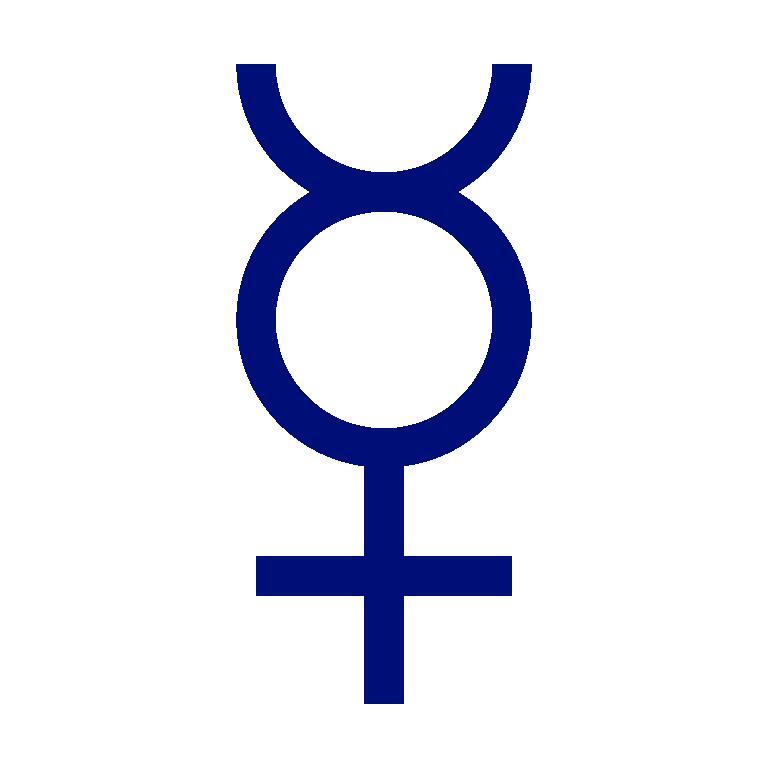
The connection with Hermes and Mercury adds the power of communication. Divine messages become inwardly meaningful through faculties capable of receiving them. The chakras are spiritual centres of that capacity, and the Temple’s esoteric language can refer to their powers through the names of Gods. The solar crown consequently belongs to theurgy as an image of awakened participation: the soul receives divine influence and makes its presence active within consciousness. Light becomes both knowledge and power in the spiritual life. [1][4]
Helios in poetry and sculpture
The Homeric Hymn to Helios describes the Sun God riding His chariot, with bright rays streaming from Him and shining hair surrounding His face. The poem gives divine radiance a commanding presence in the language of ancient worship. Helios appears as a God whose light extends across the world, and whose luminous head provides an enduring form for the contemplation of solar majesty. [2]
An ancient bronze statuette in the Louvre depicts Helios in a breastplate and a crown of projecting rays. The illustration makes the distinction between a radiate crown and a circular halo easy to see. Both can suggest luminosity, but their visual constructions differ. The photographed object is Roman work from Lower Egypt, catalogued on the image record to approximately 100–200 CE. The photograph itself is modern and carries a separate Creative Commons license. [3]
Receiving and carrying the divine light
The divine crown also concerns the relation between illumination and responsibility. The devotee receives light in order to become capable of a more conscious spiritual life. Knowledge must become available to the will, and power must find an expression worthy of its source. A radiant head gives this relationship a visible centre: perception, understanding, and direction are gathered where the person meets the world with conscious awareness. [1]
The Temple’s identification Utu/Apollo places the solar image within a comparative sacred language. Through different names and forms, the devotee contemplates powers of illumination and spiritual knowledge. The individual artwork gives the meeting a definite shape, while the religious meaning directs attention beyond the object to the divine presence it honours. A crown of rays invites the soul to receive that presence, preserve its influence, and carry its illumination into the work of life. [1]
The meaning of spiritual radiance
Radiance may be contemplated as the outward expression of an inward order. A crown that shines suggests consciousness capable of illuminating what surrounds it; its rays extend from a center without losing their connection to that center. For the devotee, this offers a demanding image of completion. Knowledge is cultivated, attention becomes steady, and the powers of the soul are brought into harmony. The solar crown then signifies the dignity of a life increasingly aligned with the Gods, with Helios's light as its visible emblem.