
 አማርኛ
አማርኛ العربية
 বাংলা
বাংলা Български
 中文
中文 Čeština
 Dansk
Dansk Deutsch
 Eesti
Eesti Ελληνικά
 Español
 Français
 हिन्दी
 Hrvatski
 IsiZulu
 Italiano
 日本語
日本語 Kiswahili
 Magyar
 Македонски
 नेपाली
 Nederlands
 فارسی
فارسی Polski
 Português
 Română
 Русский
 Slovenščina
 Suomi
Suomi Svenska
 Tagalog
 Türkçe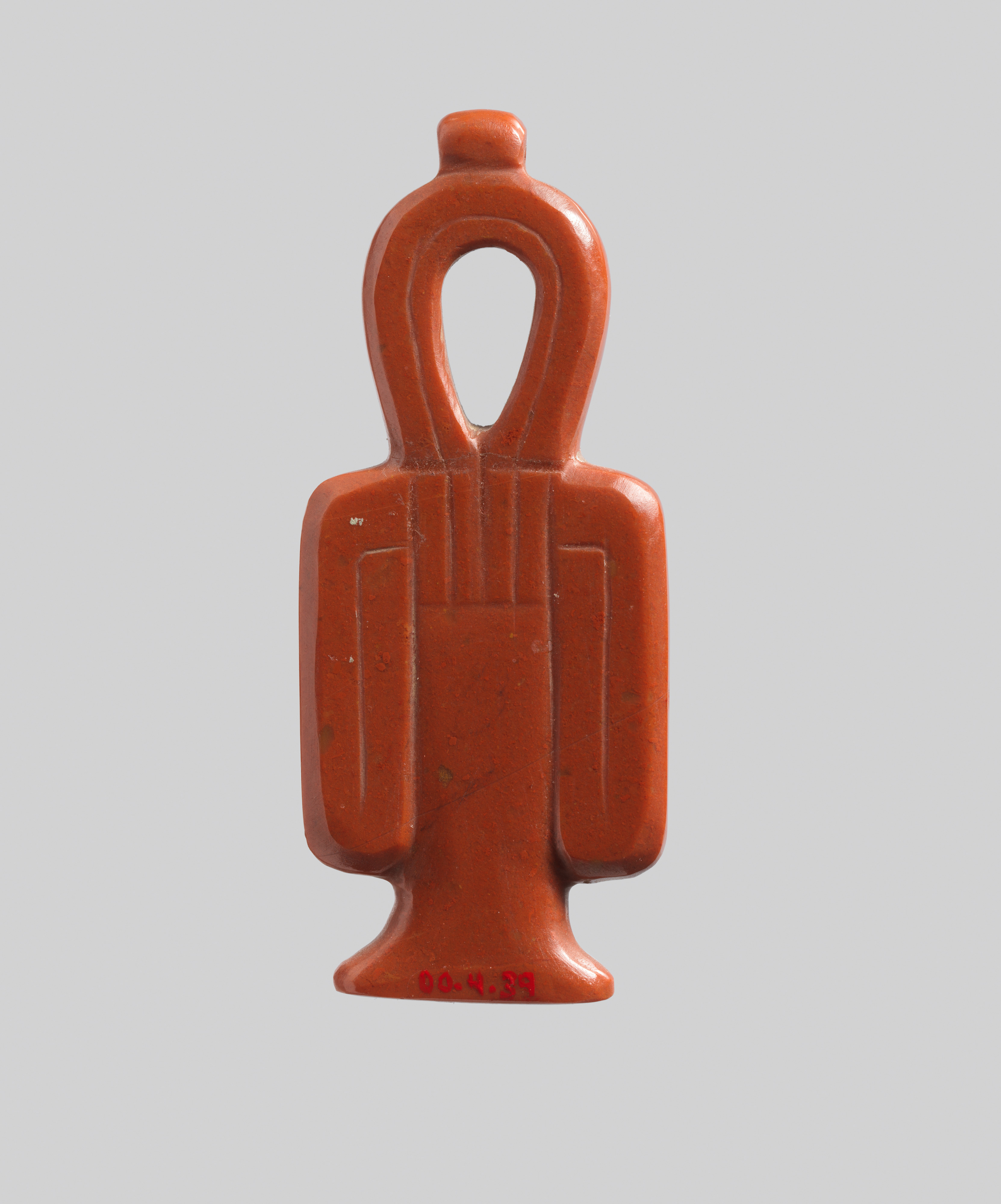
The knot of the great magician
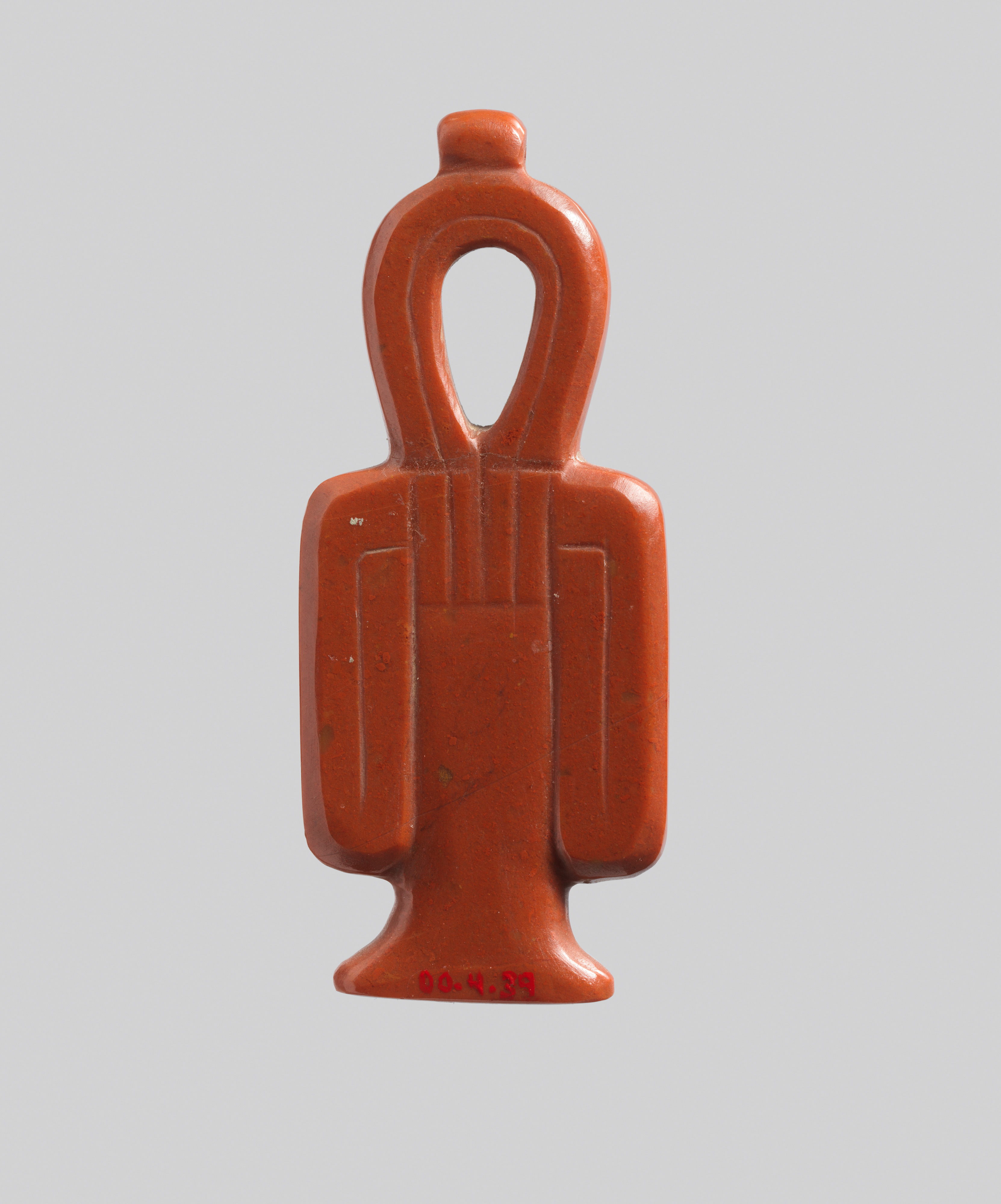
The tyet, also written tit, is the sacred knot associated with Isis. Its loop and descending folds gather around a central bond. Within Zevism, this form expresses the Goddess’s power to unite, preserve, and renew. What has become dispersed is gathered into relationship; what must be protected is held within a sacred enclosure. The knot shows Divine power made steadfast, remaining present through a binding that carries the intention of the Goddess.
The Temple’s hieratic teaching names Isis among the Divine names of Astarte and presents Her love as a force that unites the soul through spiritual alchemy. The tyet gives this unifying power a particularly concentrated form. Love here is an active Divine force: it joins the powers of life, strengthens their relationship, and makes a greater wholeness possible. The knot of Isis is therefore a fitting emblem of the soul’s consecrated unity. [1]
The binding of the spiritual body
A knot creates a center at which different lengths become one working structure. In the tyet, the surrounding folds remain visible, yet their relation is governed by the central bond. The spiritual correspondence concerns the many currents and centers of the soul. Their individual powers must remain connected to a common purpose. The Goddess’s unifying work brings receptivity, vitality, feeling, and will into a relationship through which awakening can endure. [1][2]
The heart has a special place in this contemplation. The Temple associates the ankh with the heart and with the Divine power of Astarte-Aphrodite. The tyet is a distinct Egyptian sign, and its knot draws attention to the binding power of this sacred center: the heart gathers the soul’s devotion and maintains the bond between its higher aspiration and its embodied life. The upward loop and descending folds can be contemplated as different movements held within one sacred union. [1][3]
Isis’s protection and the radiant enclosure
The knot also seals. It gives a boundary to what has been consecrated and helps the practitioner contemplate protection as an active spiritual condition. The Temple teaches the cultivation of a brilliant white-gold aura surrounding the whole being. Within this practice, the tyet can serve as a focus for the intention that the soul’s powers remain gathered, luminous, and protected in their development. The radiance fills the enclosure; the sacred bond preserves its coherence. [4]
This is the maternal majesty of Isis: a power that surrounds growing life while helping it reach its fuller strength. Her protection accompanies transformation. The knot’s firmness and its flowing folds express these two qualities together. Spiritual growth has room to unfold within a bond that remains faithful. The devotee approaches Her with the desire that every newly awakened faculty become integrated into the whole soul, supported by devotion and conscious practice. [1][2]
The ancient amulet and Book of the Dead 156
The Egyptian evidence gives this protection a precise ritual setting. Book of the Dead spell 156 concerns a red-jasper tie-amulet placed at the deceased’s throat. In Thomas George Allen’s translation, the words invoke the blood, power, and magic of Isis, describing the amulet as magical protection against harm. The accompanying instructions connect the object, its placement, and the recited formula. The symbol belongs to an enacted sacred operation, with Isis’s power invoked for the deceased. [5]
The Metropolitan Museum’s red-jasper example, 00.4.39, comes from Tomb D33 in Cemetery D at Abydos. Its current catalogue dates it broadly to the New Kingdom, approximately 1550–1080 BCE. The museum explains its association with Isis and Her blood, and the protective force attributed to knotted amulets. Its intact outline allows the loop, central binding, and folded sides to be seen clearly. [6]
An excavated example makes the bodily placement tangible. The Met’s carnelian tyet 25.3.169f belonged to a group of amulets found around the throat of Djedmutesankh in Tomb MMA 60 at Deir el-Bahri. The group dates to Dynasty 21, approximately 1080–945 BCE. This documented burial context joins the written prescription to the surviving material practice. [7]
Gathering the soul in the presence of Isis
In contemplation, follow the tyet’s outline from its upper loop to the central bond, then through the descending folds. Gather the intention to remain united in the service of the Goddess. Attend to the heart as the center of devotion, then allow the image of white-gold radiance to encompass the whole spiritual being. The red of the ancient jasper may be contemplated as the concentrated vitality preserved within this luminous protection.
The work culminates in a simple inward commitment: the powers of the soul belong together. Feeling deepens devotion; devotion guides will; will sustains the practice through which perception awakens. The knot of Isis expresses this enduring union. Through Her, the devotee contemplates a strength that both embraces and transforms, gathering the many movements of life into an increasingly conscious participation in the Divine.