 አማርኛ
አማርኛ العربية
 বাংলা
বাংলা Български
 中文
中文 Čeština
 Dansk
Dansk Deutsch
 Eesti
Eesti Ελληνικά
 Español
 Français
 हिन्दी
 Hrvatski
 IsiZulu
 Italiano
 日本語
日本語 Kiswahili
 Magyar
 Македонски
 नेपाली
 Nederlands
 فارسی
فارسی Polski
 Português
 Română
 Русский
 Slovenščina
 Suomi
Suomi Svenska
 Tagalog
 Türkçe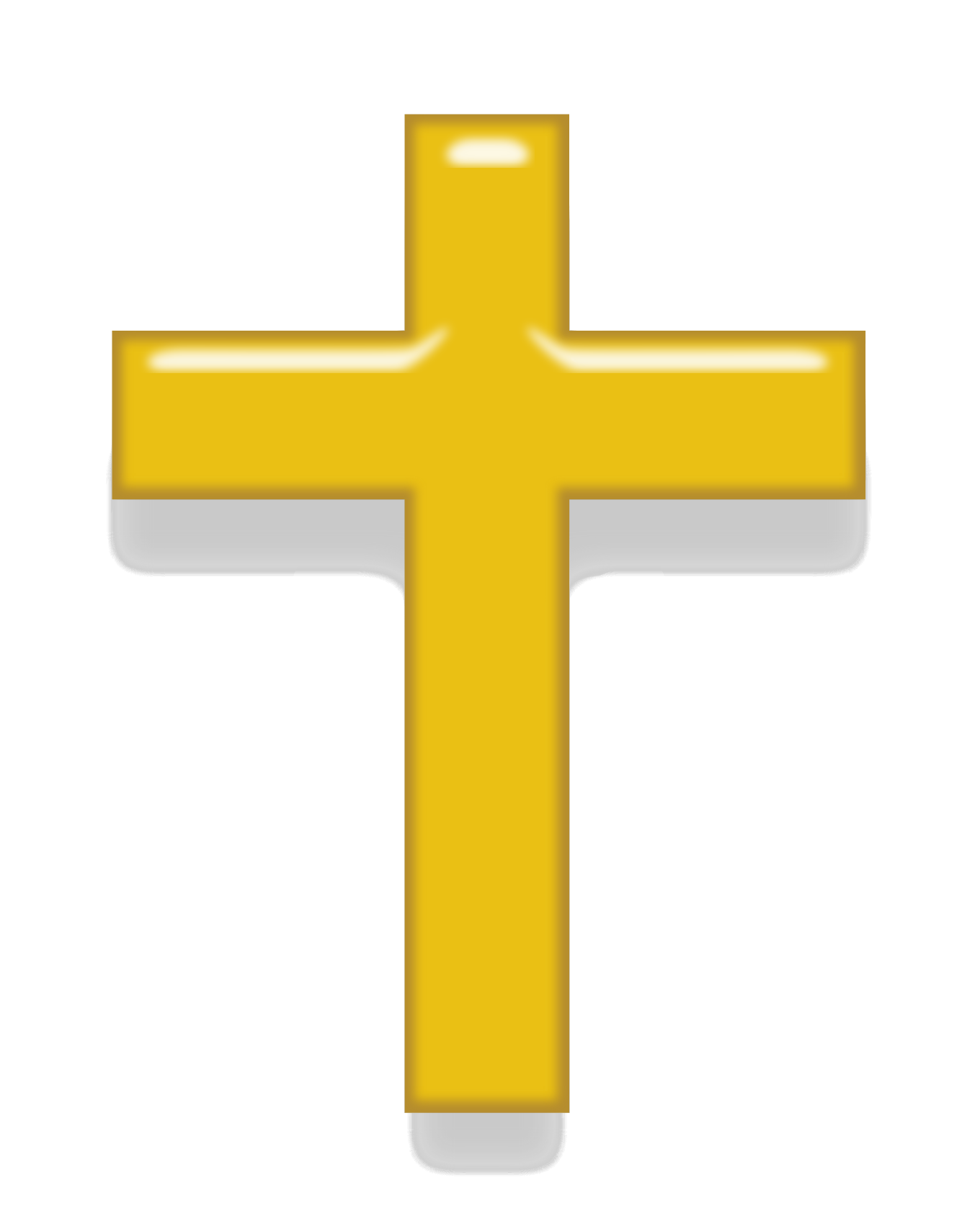
The standing axis of Divine life
In Zevist contemplation, the upright cross is a seal of the soul standing consciously within the Divine order. Its vertical line joins depth and height; its transverse arms express power extending from a gathered center. The longer lower arm gives the figure a rooted, embodied presence. The upper arm opens toward illumination. Their intersection reveals the mystery of spiritual power becoming present within a living being: what is received from above must find strength below and expression throughout the whole soul.
The form invites the devotee to stand inwardly before the Gods. Receptivity and sovereignty belong together. The soul receives Divine illumination while cultivating the strength to preserve and express it. Zeus governs this unity of height, center, and foundation. The cross consequently speaks of established presence: the spiritual being gathers its powers around an axis that passing disturbances cannot easily scatter.
The soul-axis, chakras, and elemental quarters
The Temple teaches seven principal chakras along the spine, together with subsidiary centers and currents through which spiritual energy moves. The upright line offers a contemplative image of their connected life. Rooted vitality, creative force, solar strength, the heart’s power, expression, inward sight, and the crown’s illumination belong to one developing soul. Awakening asks that these powers cooperate. The ascending movement of Kundalini gives the vertical axis its living, transformative meaning within Zevist practice. [1][2]
The transverse arms express the soul’s capacity to receive and project. The Temple assigns receptivity to the left and projection to the right, associating these currents with Water and Air. Earth and Fire complete the elemental ordering through the front and back, while Aether belongs to the center and encompassing aura. Contemplated as a whole, the cross opens into a living arrangement around a central axis: the four elemental powers act within a unity that exceeds the flat outline. [1]
The Temple’s specific diagram of correct chakra alignment is an inverted cross, discussed on its own page. Here the upright form brings the standing axis and its outward extension into the foreground. Different orientations reveal different operations of sacred geometry; careful attention to their direction preserves the distinctive teaching of each symbol. [1][3]
Egyptian life-signs before Christianity
Egyptian religion employed a sacred cross-shaped sign of life long before Christianity: the ankh, with its characteristic loop above the transverse bar. Its Egyptian name means life. Gods hold it and communicate life through it; its presence in funerary imagery concerns the continuation and renewal of existence. The loop is part of its identity. An ankh is therefore an Egyptian antecedent to later Christian looped crosses, while remaining a distinct form from the plain upright cross. [4]
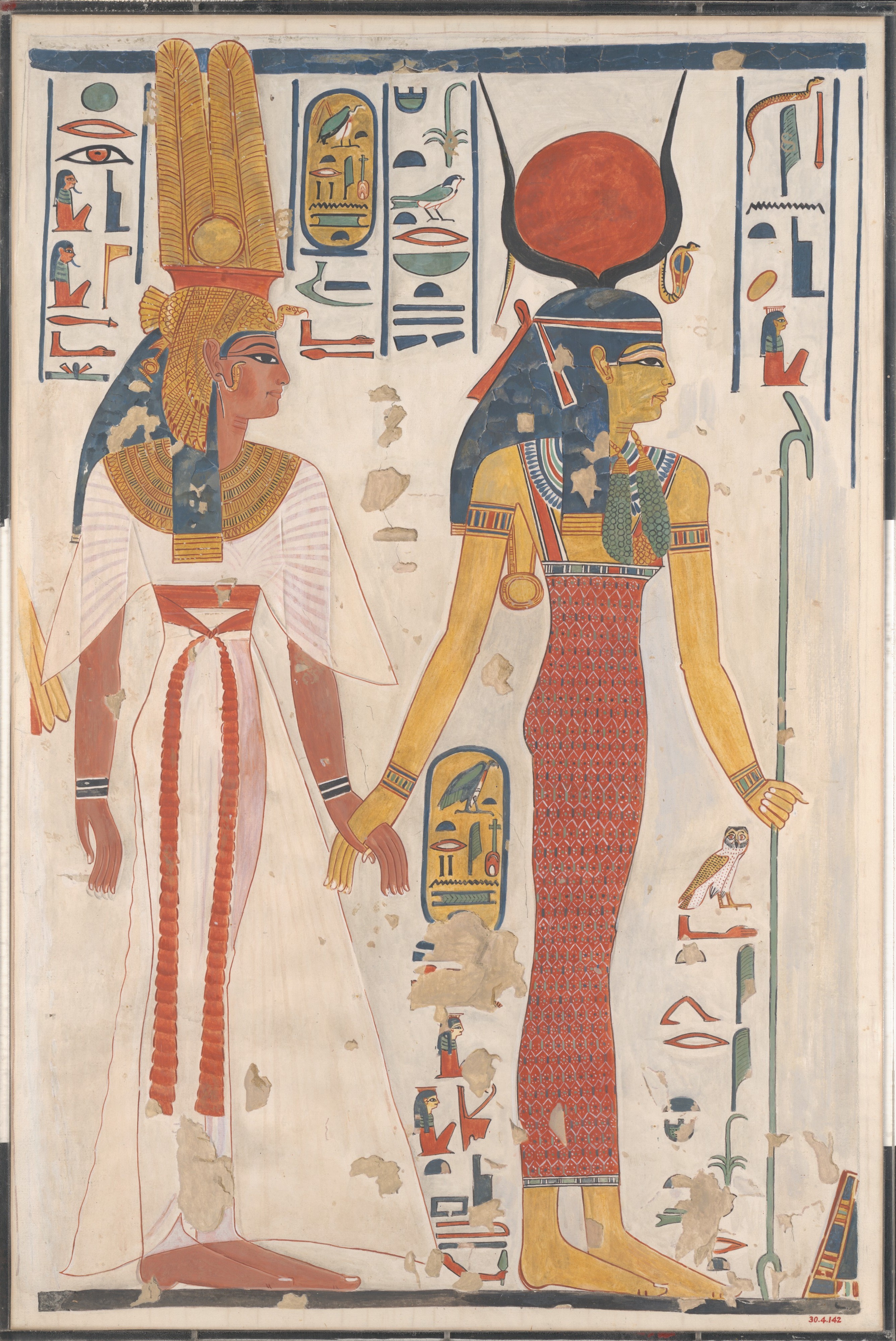
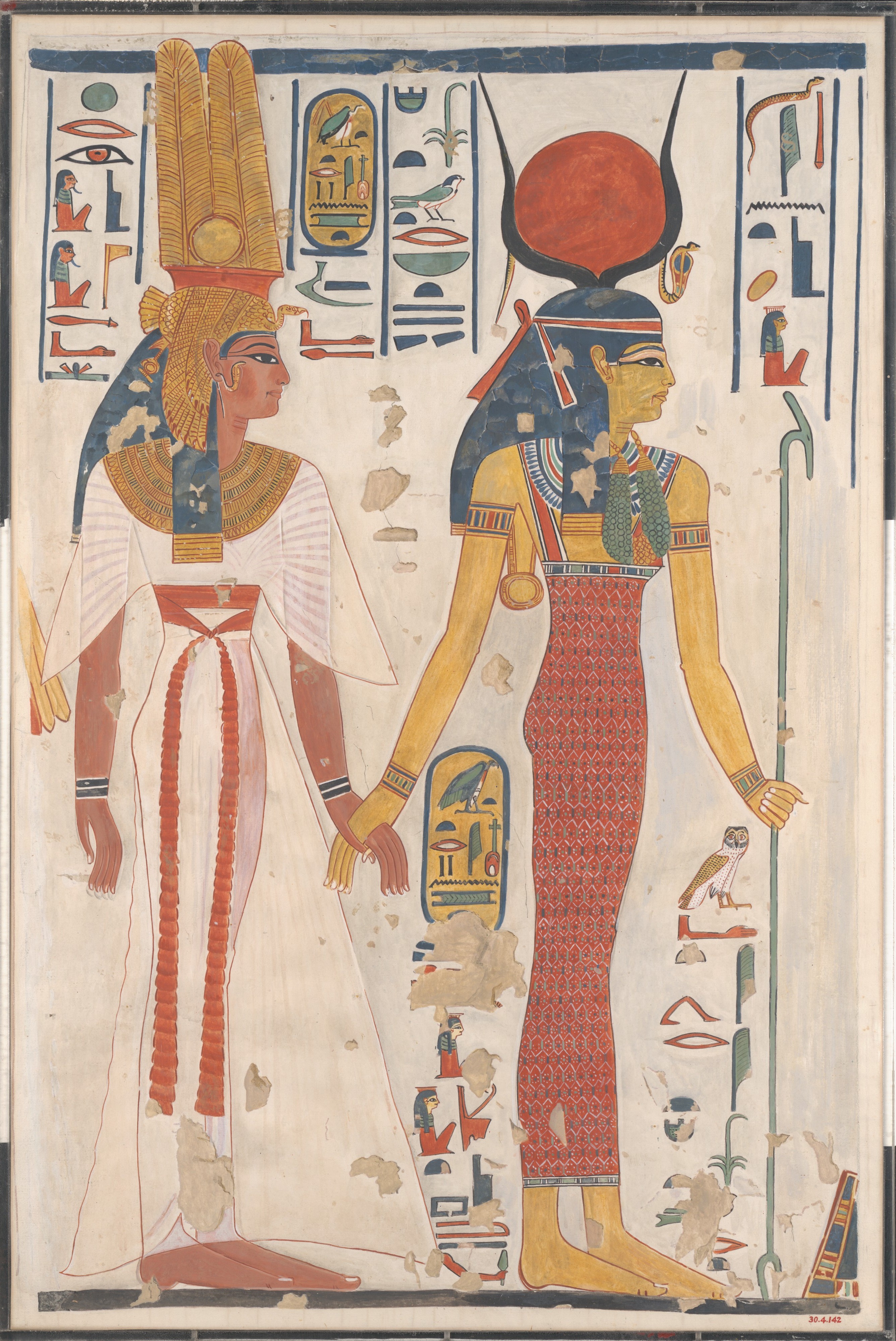
A securely identified tomb context is the tomb of Queen Nefertari, QV66, in the Valley of the Queens. Its painted decoration belongs to the reign of Ramesses II in the thirteenth century BCE. The Metropolitan Museum preserves Charles K. Wilkinson’s tempera facsimile of the scene showing Nefertari led by Isis, accession 30.4.142. The hieroglyphic setting includes Egyptian life-signs. The accompanying image reproduces this twentieth-century copy of an ancient wall painting; it is neither a photograph of the original wall nor an ancient portable painting. [5]
How early Christians interpreted Egyptian cross-forms
The Christian historian Socrates preserves a revealing account in Ecclesiastical History 5.17. During the destruction of the Serapeum at Alexandria, cross-shaped hieroglyphs were reportedly found on stones. Christians and pagans both claimed the signs for their religions. Some converts acquainted with the hieroglyphs interpreted them as “Life to come,” and Christians embraced that reading. Socrates explicitly presents the incident as a report he had heard. Sozomen records a parallel account in Ecclesiastical History 7.15. [6][7]
These Christian witnesses attest the recognition and reinterpretation of Egyptian sacred forms within a Christian setting. They describe a process of adaptation, through which an existing Egyptian sign could receive a new religious explanation. They do not establish that every plain upright cross originated in Egypt, or identify every cross-shaped hieroglyph as the Latin cross. The substantial continuity lies in Egyptian cross-forms of life and their Christian reception. [4][6][7]
Coptic continuity and the dating of later marks
The Egyptian ankh continued into Coptic Christian visual culture. The Global Egyptian Museum expressly connects the Coptic cross with the ankh. Particular objects nevertheless require their own chronology. Brooklyn Museum’s limestone funerary stela 40.301, dated approximately 500–600 CE or later, bears a male figure, an inscription naming Olympios, and an ankh-cross. The museum suggests that the cross may mark later Christian reuse of the monument. This is a late-antique object with a possible subsequent alteration, not evidence of a Christian inscription from pharaonic times. [4][8]
The same distinction matters in ancient tombs: the original decoration and any later crosses or inscriptions must be dated separately. A pharaonic chamber can preserve several periods of religious history. Recognizing those layers makes the Egyptian inheritance clearer, because each surviving form retains its actual place in that history.
The cross as a theurgic seal
The devotee may contemplate the upright cross as luminous gold: a settled foundation below, a clear opening above, and two arms extending through the surrounding field. At its center, intention gathers before it is expressed. The vertical movement recalls ascent and descent: the soul reaches toward the Gods and receives Their illumination into embodied life. The horizontal movement recalls generous extension, the capacity to make inwardly gathered power effective within one’s works.
Within this contemplation, Earth sustains the foundation, Water gives receptive depth, Air carries intelligence and expression, and Fire supplies transformative force. Aether unites their presence. The cross becomes a seal of coordinated spiritual action: each power remains distinct while serving the awakening of the whole. To stand beneath Divine authority is to become more coherent, more luminous, and more capable of carrying the gifts of the Gods into life. [1][2]