





3 min read
Defender of Śiva Worship
Appayya Dīkṣita
author: High Priest Zevios Metathronos
The scholar who defended the dignity of Śiva worship
Dates: 1520–1593 CE, following Jonathan Duquette
Period: Renaissance (1336–1650 CE)
Region: Tamil country, India
Tradition: Śaiva and Advaita learning
Religion or tradition: Hinduism: Śaiva theology and Advaita Vedānta.
Heresy status: No designation documented.
Appayya Dīkṣita devoted a substantial part of his scholarly life to defending Śaiva theology. A learned Smārta Brahmin, he worked within the intellectual world of Vedānta while confronting arguments that diminished the status of Śiva. Jonathan Duquette’s research places this undertaking within the religious disputes and patterns of patronage of sixteenth-century southern India.1
DEFENDING ŚIVA THROUGH SUSTAINED INTELLECTUAL WORK
Appayya’s Śaiva writings provided a developed theological defence of Śiva worship within the learned world of Vedānta. His engagement with Śrīkaṇṭha’s commentary helped give that position a more substantial body of exposition and argument. Later readers could study the case in writing and examine how its claims were grounded in the tradition’s texts.2
He also worked towards an account that acknowledged Viṣṇu’s divinity alongside Śiva’s. This supplied a considered response to disputes over divine status, while preserving the seriousness of his Śaiva commitment.3 His positive legacy joins service to a God with the improvement of religious discussion: commitment is strengthened through learning, and disagreement becomes an occasion for more exact thought.
DEFENCE THROUGH SCHOLARSHIP
His project helped establish a developed Śaiva interpretation of Vedānta, including sustained engagement with Śrīkaṇṭha’s commentary. It required the tools of textual interpretation and philosophical argument. The religious claim was made through a body of writing that other scholars could examine and answer.4
Duquette also identifies a movement from severe early polemics towards an account that acknowledged Viṣṇu’s divinity alongside Śiva’s. Appayya’s Advaita position supplied a basis for understanding the Gods in relation to one ultimate reality. His work therefore combines a definite religious allegiance with reflection upon the relationship among Divine forms.5
A ZEVIST INTERPRETATION
Appayya’s example concerns the responsibility to know a tradition well enough to defend it intelligently. A religious conviction acquires intellectual strength when its advocate can explain its premises, interpret its texts and meet an opponent’s argument directly.
His profile also supports a serious account of unity among religious traditions. Such unity requires thought about the nature of the Divine and the meaning of distinct forms of worship. It cannot be established merely by replacing the Gods’ different names with a single general word.
For Zevist readers, Appayya offers a model of study serving commitment. His work encourages the practitioner to deepen an allegiance through learning and to let that learning improve the quality of religious judgment. The specific historical achievement remains his defence and elaboration of Śaiva theology within the Sanskrit intellectual world.
NOTES
1 Defending God in Sixteenth-Century India.
2 Duquette’s account of the Śaiva oeuvre.
3 Duquette on the development of the argument.
4 Duquette, scholarly overview.
5 Duquette, “Beyond polemics”.
BIBLIOGRAPHY
Jonathan Duquette, Defending God in Sixteenth-Century India: The Śaiva Oeuvre of Appaya Dīkṣita (Oxford University Press, 2021), publisher’s scholarly overview.
Jonathan Duquette, “Beyond polemics: debating God in early modern India,” 25 February 2021, author’s account of his research.
CREDIT
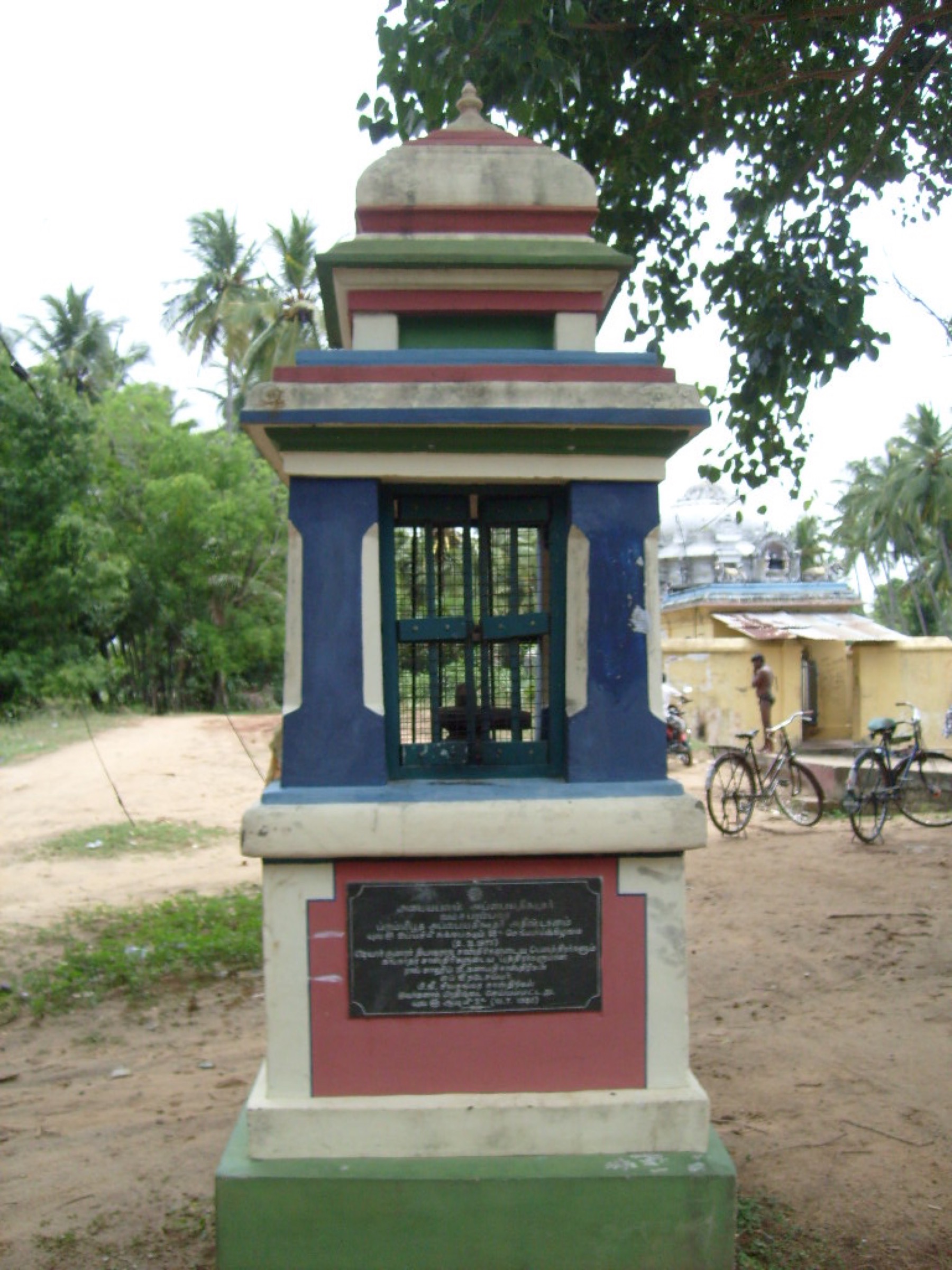
Picture: Commemorative shrine. The samadhi shrine identified with Appayya Dīkṣita on the Cauvery at Thiruvalangadu, photographed by Vivek7de in 2010. This is a place of remembrance, not a portrait.
Credit: Vivek7de. Source record, CC BY 3.0.

The round picture in the lists of the personalities is cropped from it.