








3 min read
Seer of the Sacred Fire
Bharadvāja
author: High Priest Zevios Metathronos
The seer of the well-tended sacred fire
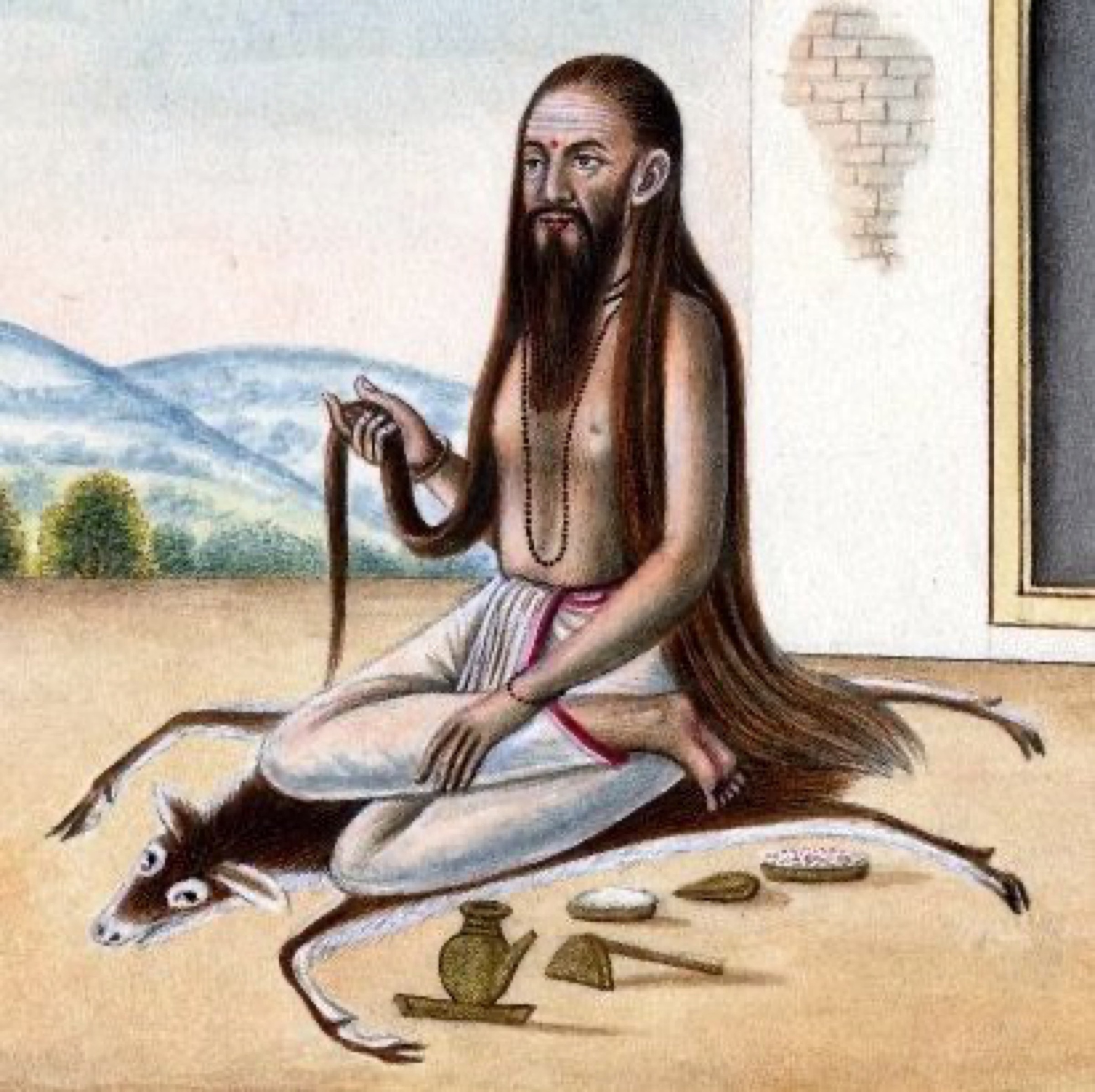
Dates: Rigvedic period; individual lifetime undated
Period: Ancient (6000–500 BCE)
Region: Vedic India
Tradition: ṛṣi and priestly lineage
Religion or tradition: Vedic religion: the Bharadvāja priestly and hymn tradition.
Heresy status: No designation documented.
Bharadvāja is associated with the sixth book of the Ṛgveda. Its hymn 6.16 names him within an extended address to Agni, the Divine fire. The poem combines offering, praise, protection and the request for strength, providing a substantial textual basis for his religious profile.1
MAKING CARE PART OF SACRED STRENGTH
The Bharadvāja tradition preserved hymns in which the preparation of fire, offering and recitation belong together. In 6.16, Agni is approached through a sequence of deliberate acts and through petitions for protection and vigour. The text gave later worshippers a sustained example of the attention required to receive and honour the Divine presence within a rite.1
The human contribution lies in a teachable discipline of preparation and care. The service to Agni and the assembled Gods lies in the maintenance of the hymn and its religious purpose. Bharadvāja’s remembered inheritance therefore connects strength with responsibility: the practitioner tends what has been entrusted to him and seeks the capacity to sustain a community’s life. Repeated action gains dignity through knowledge of what it serves.
WORSHIP THAT REQUIRES ATTENTION
Agni is addressed as the priest and messenger who brings the Gods to the rite. The singers prepare the fire with fuel and offerings, ask for its presence and remember earlier worshippers. Bharadvāja appears as a recipient of Divine gifts and as one seeking shelter.2
The poem’s religious strength comes from the relationship between the Divine function and the human work that attends it. The fire must be prepared; the hymn must be spoken; the offering must be made. Prayer takes its place within a sequence of deliberate actions.
The text also repeatedly asks for vigour and protection. These petitions belong to the circumstances and vocabulary of Vedic worship. They show the worshipper seeking the capacity to live and act under Divine favour, within a community whose continuity matters.
A ZEVIST INTERPRETATION
Bharadvāja represents spiritual practice maintained through concrete care. A student’s intention becomes more durable when it is expressed in a repeated action with a known purpose. The tending of sacred fire provides a particularly clear image of such responsibility.
The lesson extends to the cultivation of attention. A rite can become habitual, but its words and sequence can also become more deeply understood each time the student returns to them. Study renews the meaning of practice, and practice reveals what requires further study.
His profile therefore emphasizes prepared action and the constructive request for strength. The ancient hymn supplies a religious setting in which personal vigour, protection and service to the Gods belong to one undertaking.
NOTES
1 Ṛgveda 6.16.
PRIMARY SOURCE
Ṛgveda 6.16, especially verses 1–12, 22–33, trans. R. T. H. Griffith, full Agni hymn. The attribution is to Bharadvāja’s Vedic tradition; later works bearing his name require separate authorship assessment.
Indira Gandhi National Centre for the Arts, Vedic Heritage Portal, “Rigveda,” maṇḍala and seer-family table, for traditional family-book attribution.
CREDIT
Picture: Traditional artistic depiction. Bharadvāja, detail of an early nineteenth-century Company School watercolour in the British Museum. A traditional depiction of the sage, using the crop supplied by the source.
Credit: Company School. Source record, Public domain.
.jpg)
The round picture in the lists of the personalities is cropped from it.