





4 min read
Preserver of Pagan Prayers
Ibn Waḥshiyya
author: High Priest Zevios Metathronos
The agricultural book that preserved a pagan world
Dates: active early tenth century CE
Period: Darkness (800–1000 CE)
Region: Iraq
Tradition: agronomy, astral religion and esoteric literature
Religion or tradition: Islamic identity with a strongly esoteric, syncretic outlook; transmitter of Mesopotamian pagan religious material.
Heresy status: Heterodox in scholarly analysis; no formal verdict established.
Ibn Waḥshiyya’s Nabataean Agriculture preserves an extraordinary conjunction of cultivation, religious tradition and learned speculation. Jaakko Hämeen-Anttila’s study examines its material concerning late-antique paganism in Iraq and the reception of Greek philosophical ideas. The work is a major witness to religious memories that survived within Arabic literature.1
RELIGIOUS IDENTITY AND THE PRESERVATION OF PAGAN PRAYERS
Ibn Waḥshiyya is identified in scholarship as Muslim, with an outlook that incorporated substantial older religious material. Hämeen-Anttila’s study of his magic discusses his preservation of pagan prayers and his apparent confidence in their efficacy. This supports a close engagement with inherited ritual knowledge; it does not supply a documented formal heresy verdict.2
Knowledge of the Gods: a Zevist interpretation. His service is particularly tangible: prayers, accounts of celestial powers and memories of older worship remained available through his writing. A reader can encounter the Gods’ ancient religious world because this material survived transmission into Arabic. The Temple can honour that preservation as work serving the continuity of divine knowledge, while identifying its transmitter in his actual Islamic intellectual setting.
KEEPING CULTIVATION AND OLDER RELIGIOUS KNOWLEDGE TOGETHER
The Nabataean Agriculture preserved a body of agronomic discussion alongside accounts of rituals, celestial powers and older religious traditions. That combination gave later readers access to a world in which working the land and understanding the sacred order were closely connected. Hämeen-Anttila’s study demonstrates the work’s importance for recovering the pagan inheritance of Iraq.3
Ibn Waḥshiyya’s positive contribution is the transmission of this substantial written resource. It serves human knowledge by preserving questions about cultivation, nature and religious life within the same text. In the Temple’s reading, its service to the memory of the Gods is especially valuable: materials from older worship remained available to be read and studied in a later religious environment. The achievement survives even after the book’s claims of extreme antiquity have been examined critically.
THE RELIGIOUS WORLD WITHIN CULTIVATION
An agricultural text can preserve more than methods of planting. The organization of human work around seasons, celestial patterns and the properties of plants can carry an account of the world and humanity’s place within it. In Ibn Waḥshiyya’s book, religious and philosophical material forms part of the knowledge being transmitted. Hämeen-Anttila’s monograph provides translated, annotated selections as well as an investigation of the work’s authorship and setting.3
ANTIQUITY CLAIMED AND ANTIQUITY EXAMINED
The book presents itself as a translation of very ancient Babylonian learning. That claim requires careful treatment. Isabel Toral’s analysis explains that no single original source text has been identified and that the enormous antiquity claimed in the preface cannot be accepted literally. She studies the presentation as a form of pseudotranslation: an authorial strategy that gives knowledge the authority of an ancient source.4
This does not make the work historically empty. Its religious vocabulary, narratives and intellectual choices remain evidence for the culture in which the Arabic text took shape. It does mean that a modern profile should distinguish the survival of older materials from the literal truth of the book’s origin story.
A ZEVIST READING OF PRESERVATION
Ibn Waḥshiyya’s place in the collection is that of a transmitter whose work kept a substantial body of pagan material available for later readers. The example is particularly useful for a religion committed to the common inheritance of ancient wisdom: inherited knowledge often survives through complicated channels, in texts whose immediate cultural setting differs from that of their sources.
The task of the student is to preserve the material and understand those channels. Reverence for antiquity becomes more substantial when joined to patient examination. One can value a text deeply while asking what belongs to its sources, its compiler and its literary presentation. This profile does not infer an otherwise undocumented personal initiation from the contents of the book.
NOTES
1 Publisher’s description and study record.
2 Hämeen-Anttila, “Ibn Waḥšiyya and Magic,” especially p. 45.
4 Toral’s study and primary-preface translation.
BIBLIOGRAPHY
Jaakko Hämeen-Anttila, The Last Pagans of Iraq: Ibn Waḥshiyya and His Nabatean Agriculture (Brill, 2006), publisher record and descriptive preview.
Isabel Toral, “The Nabatean Agriculture by Ibn Waḥshiyya, a Pseudo-Translation by a Pseudo-Translator: The Topos of Translation in Occult Sciences,” in Why Translate Science? (Brill, 2022), author manuscript and publication metadata.
CREDIT
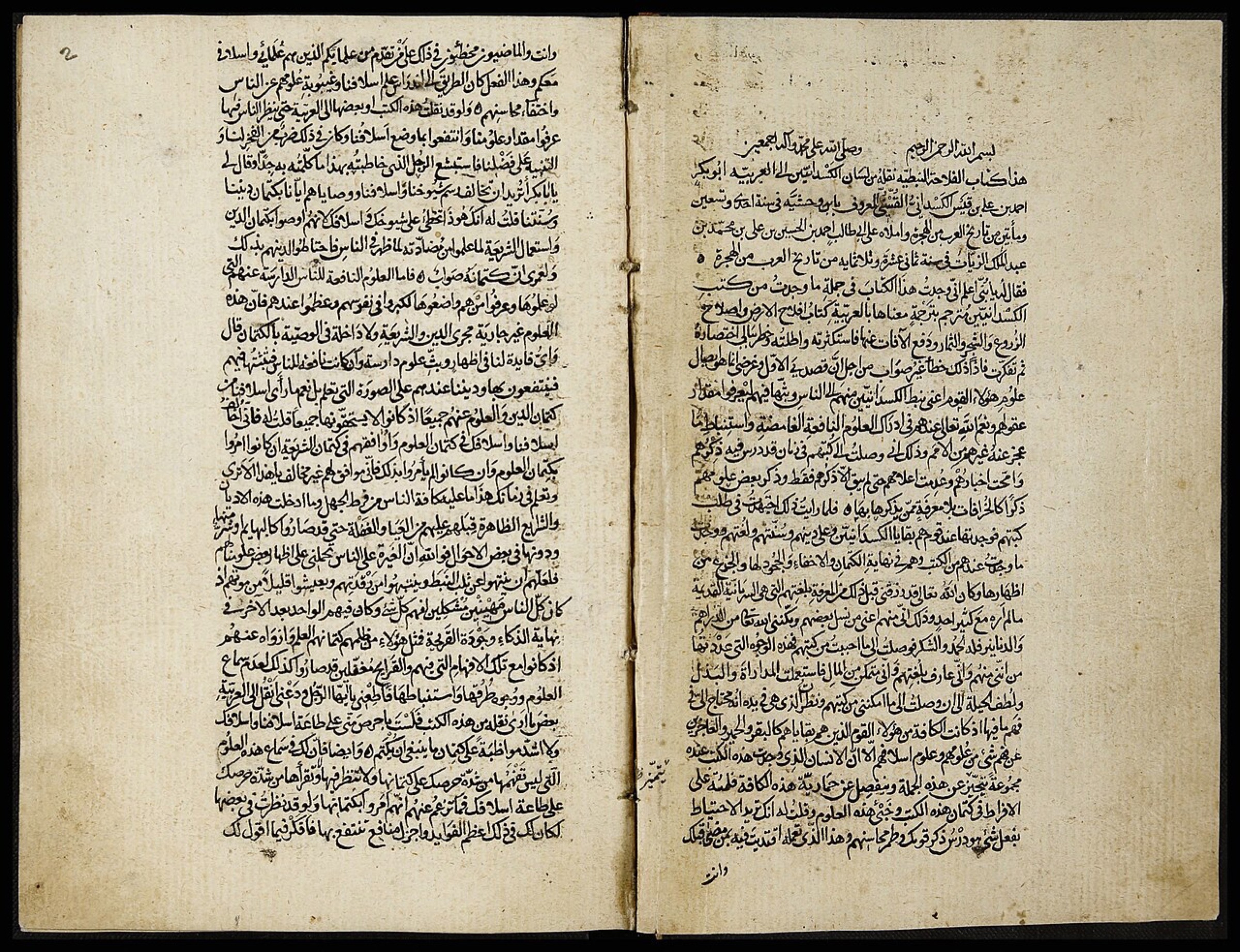
Picture: Manuscript of his work. Seventeenth-century Arabic manuscript of The Nabataean Agriculture, Meir Martin Plessner Collection, MS Arab 497, folios 1v–2r, National Library of Israel. A later copy of the work associated with Ibn Waḥshiyya.
Credit: Unknown author. Source record, Public domain.

The round picture in the lists of the personalities is cropped from it.