




3 min read
Hymnist of the Ancient Gods
Michael Marullus Tarchaniota
author: High Priest Zevios Metathronos
New hymns for the ancient Gods
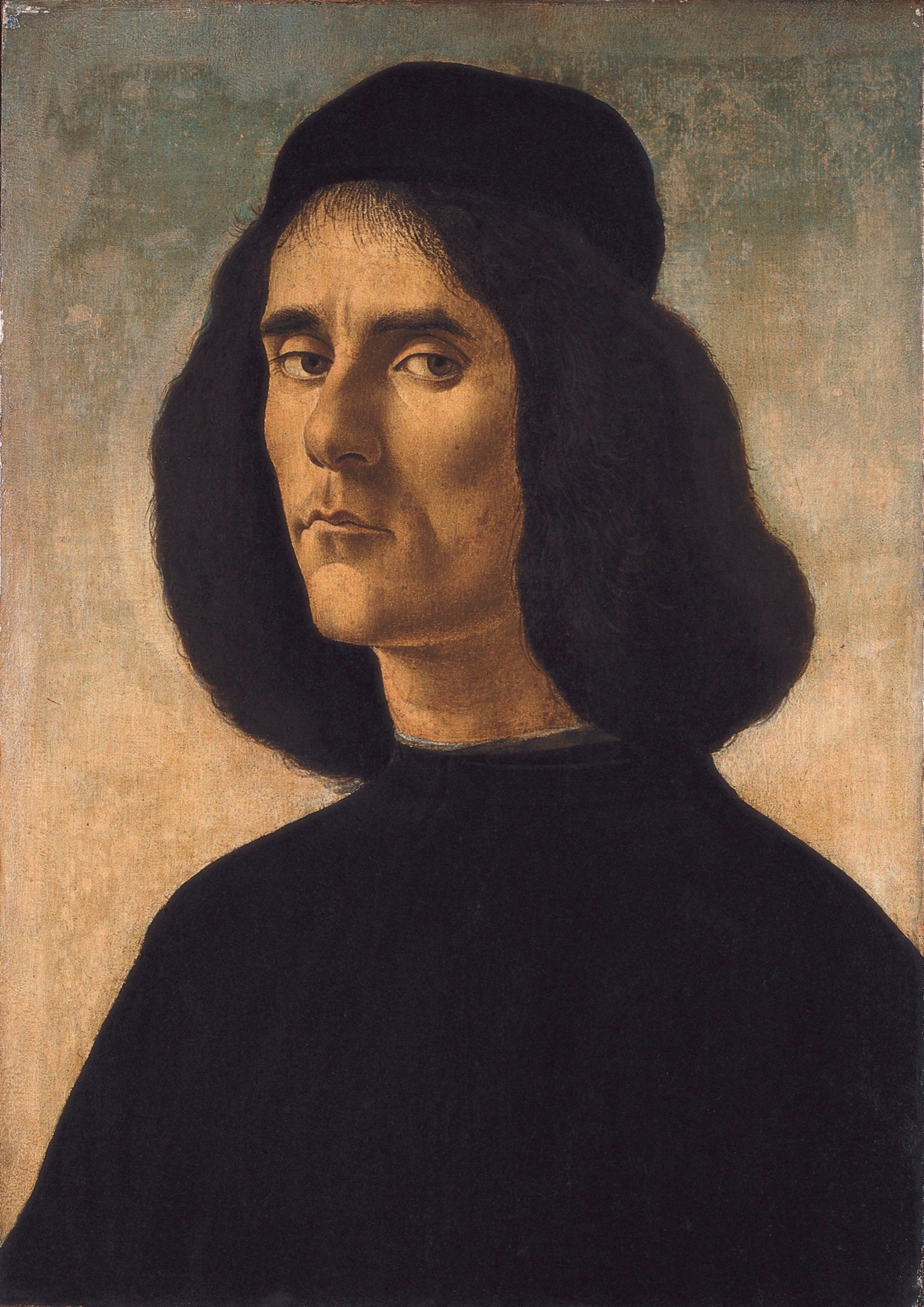
Dates: fifteenth century CE; died 1500
Period: Renaissance (1336–1650 CE)
Region: Greek and Italian humanist world
Tradition: philosophical hymnody
Religion or tradition: Classical pagan and philosophical hymnody, with Neoplatonic and Lucretian elements; exact personal religious allegiance remains uncertain.
Heresy status: No formal heresy judgment established.
Michael Marullus gave the ancient Divine names a renewed place in Latin poetry. His Hymni naturales appeared in the 1497 collection of his hymns and epigrams. Their religious and philosophical language makes him relevant to the reception of ancient wisdom within the Renaissance. The printed work is direct evidence of that literary undertaking.1
RELIGIOUS EXPRESSION AND THE LIMITS OF A HERESY LABEL
Marullus’s hymns address the ancient Gods and draw on classical philosophical traditions. His complete personal religious allegiance is less certain, and the reviewed sources do not establish a formal Christian heresy judgment against him. His poetry provides firmer evidence than a categorical claim about his private creed.2
Knowledge of the Gods: a Zevist interpretation. Here the connection is present in the work itself: ancient Divine names receive sustained poetic address. Marullus made the Gods subjects of renewed praise and philosophical attention. His place in the collection rests on that achievement, through which study of antiquity became an act of composition available to later readers.
RESTORING AN ACTIVE PLACE FOR DIVINE PRAISE
Marullus’s Hymni naturales brought the ancient Divine names into newly composed Latin poetry. Their publication made the undertaking available to readers beyond the poet’s immediate circle and gave Renaissance engagement with antiquity the form of sustained hymnic address. His work joined literary skill to questions about nature and divine powers.3
The contribution to humanity is a body of poetry through which ancient learning was received and creatively developed. Its significance for the Gods’ remembrance is direct: divine praise remained a subject worthy of serious artistic effort. For the Temple’s readers, Marullus offers an example of inheritance becoming composition. Careful study of earlier sacred forms made another act of skilled expression possible.
HYMNODY AS AN INTELLECTUAL ACT
The hymns draw upon a broad ancient inheritance, including philosophical and sacred poetry. The modern critical edition by Charles Fantazzi places them within Marullus’s collected verse. They can be studied as deliberate acts of address to Divine powers and as attempts to give a poetic form to an ordered understanding of nature.4
The distinction between the poem and the author’s complete religious biography remains necessary. Classical Divine language is demonstrable in the work; a particular secret initiation or continuous private cult is not established by that fact alone. The strongest case for Marullus rests on what he actually composed and placed in circulation.
A ZEVIST INTERPRETATION
Marullus represents the creative renewal of inherited sacred forms. Reading ancient hymns can lead to an act of composition in which their questions become present again: what powers order the world, how the mind addresses them and how praise can carry philosophical understanding.
This gives his profile a close relationship with the study and use of hymns. Poetry gathers attention through rhythm, imagery and repeated invocation. Its religious significance can lie in that directed activity as well as in the propositions it expresses.
For a Zevist reader, Marullus’s achievement is the labour of bringing ancient Divine language into a new intellectual setting. His hymns deserve close reading as works in their own right. Their value does not require filling the gaps in his biography with an invented priestly office.
NOTES
1 Fondation Barbier-Mueller, 1497 edition record.
2 Scholarly discussion of the Hymni naturales; Fantazzi’s edition of the poems.
3 The 1497 edition record; Fantazzi’s edition.
4 Fantazzi, Poems; publisher’s description of the edition.
BIBLIOGRAPHY
Michael Marullus, Hymni et epigrammata (Florence, 1497), specialist rare-book record.
Michael Marullus, Poems, ed. and trans. Charles Fantazzi, I Tatti Renaissance Library 54 (Harvard University Press, 2012), academic edition record and publisher’s overview.
CREDIT
Picture: Renaissance portrait. Sandro Botticelli, portrait of Michael Tarchaniota Marullus, dated 1497 in the source record. A portrait from Marullus’s lifetime.
Credit: Sandro Botticelli. Source record, Public domain.

The round picture in the lists of the personalities is cropped from it.