






3 min read
King of East Java
Mpu Sindok
author: High Priest Zevios Metathronos
A ruler’s endowment for sacred continuity
Dates: tenth century CE
Period: Darkness (800–1000 CE)
Region: East Java
Tradition: Hindu-Javanese temple patronage
Religion or tradition: Hindu-Javanese religion, with Śaiva associations and sacred patronage.
Heresy status: No designation documented.
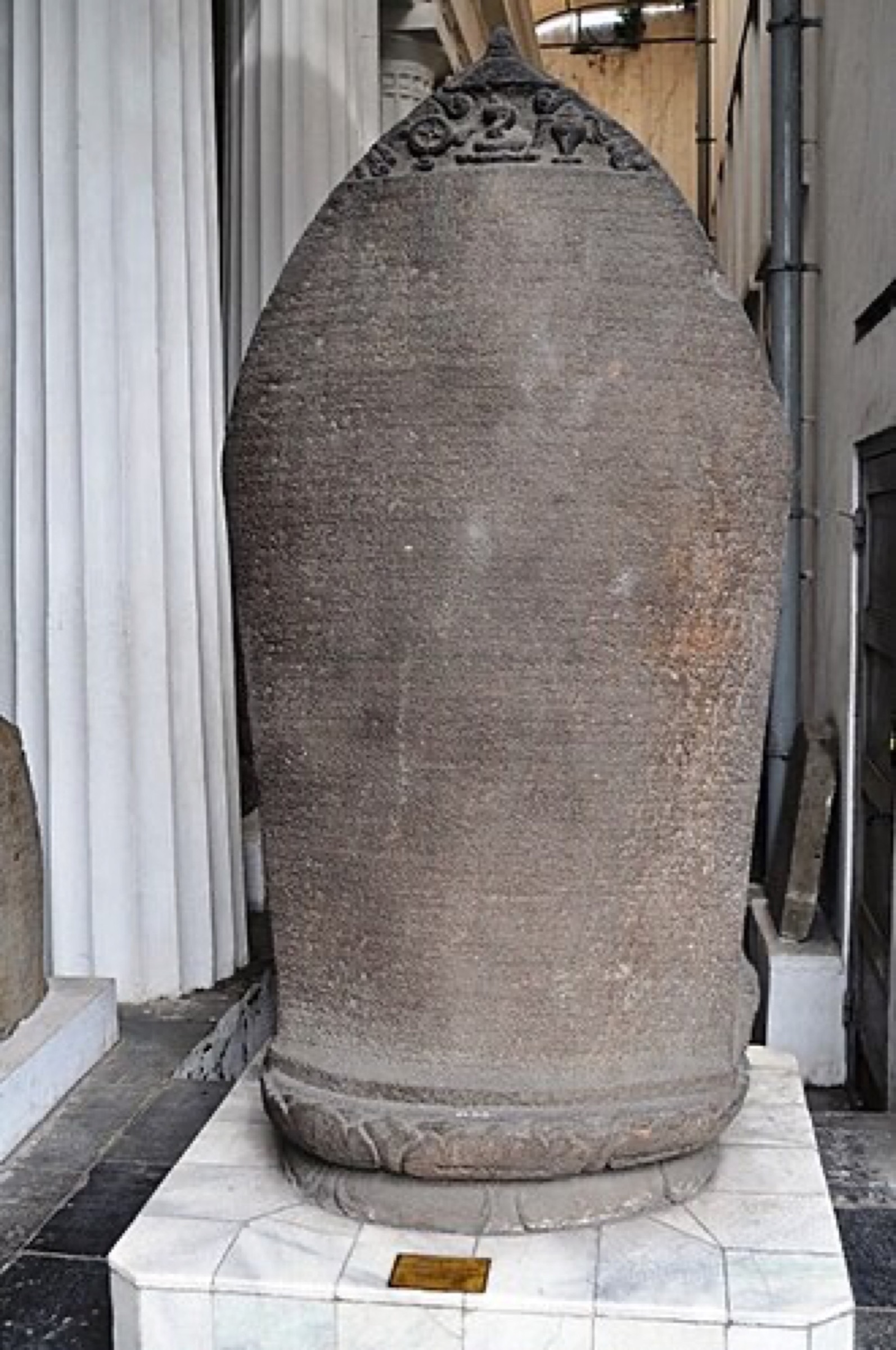
Mpu Sindok’s religious patronage can be approached through a surviving material witness: the Anjuk Ladang inscription. Issued in his name, it records the establishment of a privileged landholding connected with the support of a sacred building. The date generally adopted by the local museum is 937 CE. Earlier readings produced a different date, so the stone’s history of interpretation should remain visible.1
TURNING PRODUCTIVE LAND INTO CONTINUING SUPPORT
Mpu Sindok’s grant connected the produce and revenue of land with the maintenance of a sacred establishment. The importance of the act lies in its recurring character. Worship could be supported through an enduring arrangement recorded publicly, rather than depending solely on a single ceremonial gift. The Anjuk Ladang inscription remains the material witness to that provision.2
The constructive human achievement is the organization of resources for a purpose intended to outlast an individual occasion. The religious achievement is the support of continuing service within the Hindu-Javanese sacred world. His example draws attention to a necessary kind of benefaction: making commitments durable enough for others to plan, work and worship around them. The surviving stone also preserves that act for historical study.
WORSHIP SUPPORTED BY LAND
The inscription concerns land and rice fields given sīma status, with revenue directed towards maintaining the sacred establishment. The original is held by the National Museum in Jakarta; the Anjuk Ladang museum displays a replica. Its inscription is in Old Javanese and gives the king’s extended royal name, including Śrī Īśāna.3
Such a record brings religious patronage down to an exact practical question: how will worship be supported? A sanctuary requires a recurring supply of resources. The grant converts part of the productive life of a locality into a continuing provision for its sacred institution.
The inscription has also been interpreted in relation to military service by the community and a royal victory. That reconstruction is discussed in modern studies of the monument, and should be distinguished from a complete contemporary account of the campaign. The secure centre of this profile is the royal grant and its religious purpose.4
THE EVIDENCE OF AN ADMINISTRATIVE ACT
The act of endowment gives Mpu Sindok’s religious patronage a concrete foundation. The stone preserves a decision that linked government, land and the maintenance of worship. Its survival allows religious commitment to be examined through a public arrangement rather than an imagined inner life.
A ZEVIST READING
The lesson is the conversion of power into lasting provision. Religious work needs material intelligence as well as conviction. A gift can be consumed once; an endowment can support repeated service when its terms and responsibilities are understood.
For contemporary readers, this profile invites attention to the ordinary foundations of sacred life: maintenance, records, resources and the people whose labour sustains them. Mpu Sindok’s historical setting remains Hindu-Javanese. His relevance to a Zevist collection lies in a documented act that helped a community keep its religious practice alive.
NOTES
2 Anjuk Ladang museum account.
3 Museum description and dating.
4 University research article.
BIBLIOGRAPHY
Museum Online Kabupaten Nganjuk, “Replika ‘Prasasti Anjuk Ladang’ di Museum Anjuk Ladang” (2014), museum account.
Museum Indonesia, Museum Anjuk Ladang, object description, location and dating.
Aries Trio Effendy, Agus Budianto and Yatmin, “Prasasti Jayastamba Sebagai Transformasi Kata Anjuk Ladang Menjadi Nganjuk,” Prosiding SEMDIKJAR, DOI 10.29407/0nwbkv67, article and abstract. The museum presentations are not independent critical editions of the inscription.
CREDIT
Picture: Inscribed historical witness. The Anjuk Ladang inscription in the National Museum, Jakarta, photographed in 2010. Issued in Mpu Sindok’s name, the stone is direct material evidence for the grant discussed in this article.
Credit: id:user:Kembangraps. Source record, CC BY-SA 3.0.

The round picture in the lists of the personalities is cropped from it.