




3 min read
Unyielding Lord of Godey
Rauðr inn rammi
author: High Priest Zevios Metathronos
The refusal at Godey
Dates: placed in the late 990s CE by saga tradition
Period: Darkness (800–1000 CE)
Region: northern Norway
Tradition: Old Norse worship and magic
Religion or tradition: Old Norse polytheism and magical practice, according to the saga tradition.
Heresy status: No designation documented.
Rauðr inn rammi, commonly called Raud the Strong, survives chiefly as an opponent of King Óláfr Tryggvason in medieval conversion narratives. His profile must therefore begin with the nature of the evidence: the story is a later account of a tenth-century setting, not a securely reconstructed life from contemporary records. Within that account, Rauðr is a wealthy northern leader, a practitioner of magic and a determined adherent of ancestral worship.1
THE VALUE PRESERVED IN HIS REFUSAL
In the saga, Rauðr is offered survival and the retention of his possessions if he accepts baptism. His refusal gives the narrative a particular human force: religious allegiance is shown as a conviction that cannot be purchased by material security. Even a source written from the opposing religious position preserves that resolve.2
The positive contribution available to a modern reader is the example carried by this remembered stand. It makes the cost of imposed conversion visible and preserves the voice of resistance within the victor’s account. In a Zevist interpretation, that fidelity honours ancestral worship and calls for courage in maintaining it. His remembered resolve gives later readers a concrete case through which to consider the courage that religious fidelity can demand.
THE DEMAND TO ABANDON THE OLD RELIGION
The saga first presents Rauðr resisting the king at sea and returning to Godey. His skills are credited with winds that protect his position. A Christian bishop subsequently overcomes the obstacle through prayer and sacred objects, allowing the royal force to reach him. The opposition between magical weather and episcopal power belongs to the narrative’s religious argument; it should not be reported as a verified meteorological event.3
The decisive episode is the offer of life and possessions in exchange for baptism. Rauðr refuses. The king then orders his death and takes his property and ship. The account is severe even when stripped of its graphic details. It portrays conversion as a demand backed by force, and resistance as a refusal to surrender religious allegiance for material security.4
READING A HOSTILE SOURCE
The narrator’s vocabulary makes the old practitioner an enemy of Christian truth. That framing is precisely why this story belongs among the collection’s accounts of people remembered through hostile religious categories. Medieval narrative could recognize a rival’s knowledge and resolve while explaining both through an adversarial theology. Scholarly work on Óláfr’s encounters with magical specialists examines this contrast between condemned magic and approved Christian supernatural power.5
Rauðr should consequently be described as a pagan magician in the saga, not as a historically established member of a Satanist religion. The attribution of devilish power comes from the opposing religious narrative.
HIS PLACE IN THE COLLECTION
For a Zevist reader, Rauðr’s remembered refusal raises the question of what religious fidelity costs when worship becomes subject to coercion. The value lies in the stand represented by the story, while its evidentiary status remains visible. A tradition can honour resistance without turning every detail of a medieval narrative into certified biography.
NOTES
1 Olaf Tryggvason Saga, chapters 85–87.
2 Olaf Tryggvason Saga, chapter 87.
4 Chapter 87.
BIBLIOGRAPHY
Snorri Sturluson, Heimskringla, Samuel Laing translation, Olaf Tryggvason Saga, chapters 85–87, public-domain text.
Francesco Sangriso, “The Wizard and the Soothsayer,” Deshima 18 (2024), pp. 99–122, open article. Used for the narrative treatment of magical specialists and Christian power, not as independent proof of Rauðr’s execution.
CREDIT
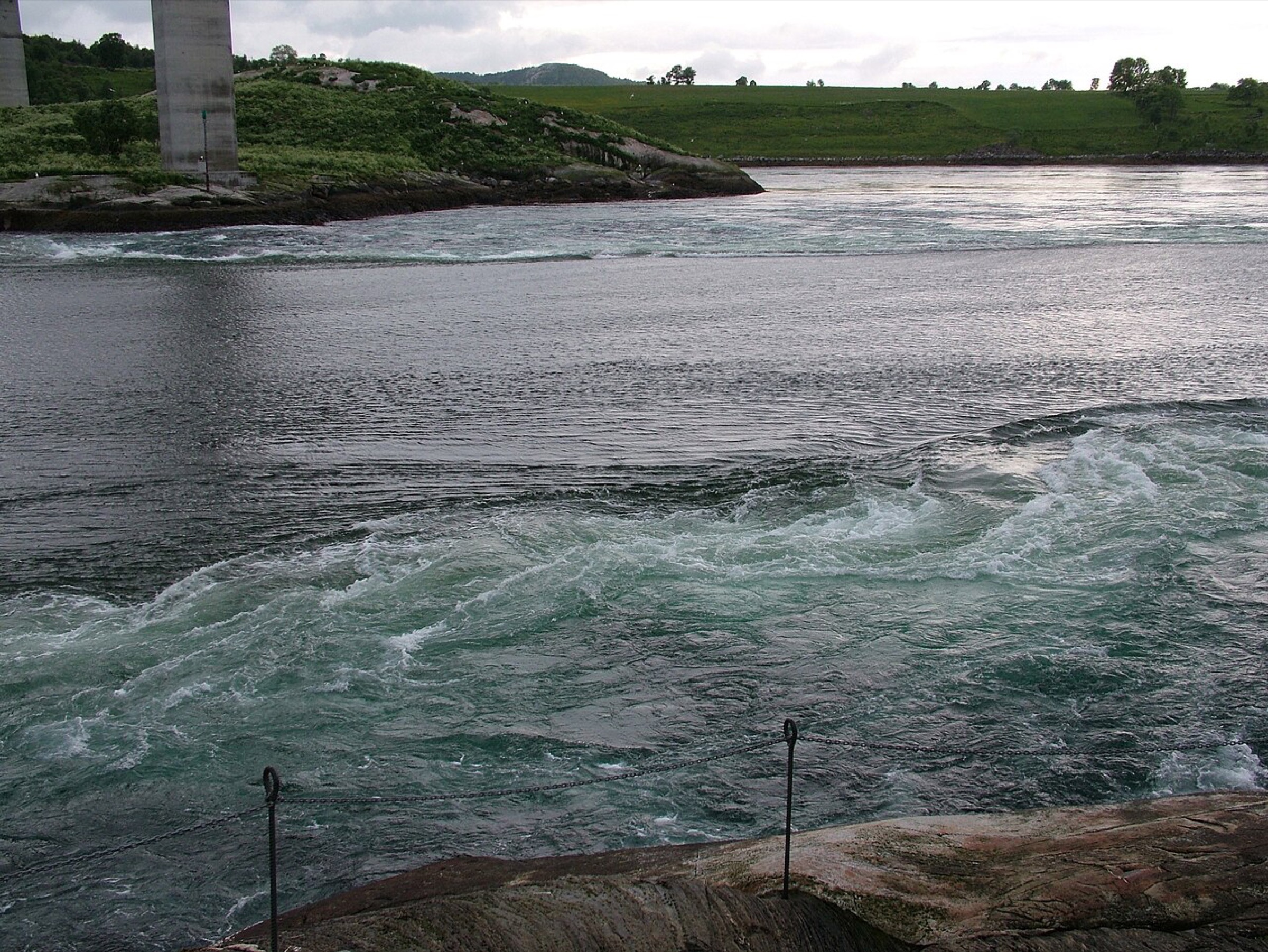
Picture: Associated landscape. Saltstraumen, northern Norway. This landscape illustrates the coastal setting associated with Rauðr’s Godey tradition; it does not identify his residence or claim to depict the events of the saga.
Credit: Clemensfranz. Source record, CC BY-SA 3.0.

The round picture in the lists of the personalities is cropped from it.