








3 min read
Philosopher of Śiva's Presence
Somānanda
author: High Priest Zevios Metathronos
The philosopher of Śiva’s living presence
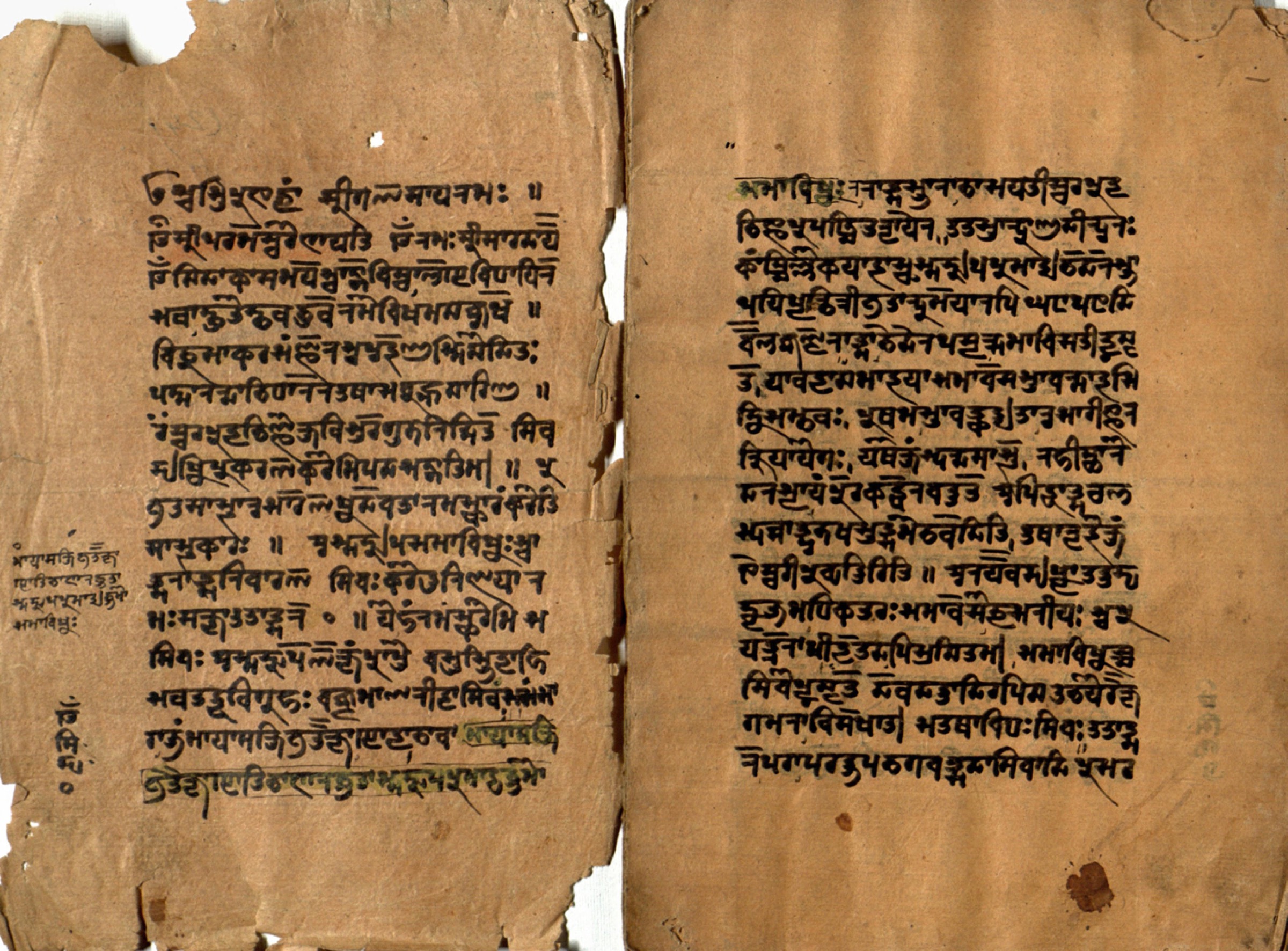
Dates: active approximately 900–950 CE
Period: Darkness (800–1000 CE)
Region: Kashmir
Tradition: nondual Śaiva philosophy
Religion or tradition: Hinduism: nondual Kashmir Śaivism, foundational to the Pratyabhijñā school.
Heresy status: No designation documented.
Somānanda gave systematic philosophical expression to a religious vision in which Śiva’s agency is present throughout reality. His Śivadṛṣṭi, conventionally rendered “Vision of Śiva,” stands near the beginning of the Pratyabhijñā tradition. The approximate dates describe scholarly placement of his activity, not a documented birth and death.1
MAKING A RELIGIOUS VISION AVAILABLE TO REASON
Somānanda’s Śivadṛṣṭi gave readers an extended argument about divine agency, consciousness and the reality of the world. His engagement with competing schools made the teaching available for examination through shared questions: how knowing occurs, how agency persists and how ordinary experience should be explained. That intellectual labour became a foundation for the Pratyabhijñā tradition developed by his successors.2
His contribution to human learning is the disciplined articulation of a religious philosophy that others could study, challenge and develop. His service to Śiva was expressed through the seriousness with which he defended the God’s presence and powers. The lasting example is a thinker who accepted the work of explanation and left later students reasons to consider, as well as conclusions to remember.
A DIVINE WORLD EXAMINED THROUGH ARGUMENT
His central concern is how the real multiplicity of the world belongs to Śiva and the God’s powers. He argues for the inseparability of Śiva and Śakti and engages rival explanations of language, consciousness and reality. The resulting work is a statement of religious conviction that accepts the labour of philosophical defence.3
John Nemec’s research identifies a sustained engagement with the Buddhist philosopher Dharmakīrti. Somānanda contests an account that denies the kind of enduring personal agency required by his own Śaiva understanding. His response works through the opponent’s concepts, rather than simply repeating a scriptural conclusion.4
One particularly concrete line of inquiry concerns waking from sleep. Nemec’s analysis describes Somānanda asking how a theory that separates an immaterial self from material cognitive instruments can adequately explain this familiar transition. The ordinary act of becoming aware becomes a test of a metaphysical account.5
STUDY AS PART OF RELIGIOUS DEVELOPMENT
For the Zevist reader, Somānanda exemplifies the disciplined examination of first principles. A claim about the Divine should shape how one understands experience, action and knowledge. That requires more than acquiring a vocabulary: the student must learn to distinguish a proposition from the reasons offered for it.
His example fits the movement from study to application and renewed understanding. The subject of inquiry is not remote from life. Memory, perception, speech and the recovery of awareness can become occasions to examine what consciousness is and what agency means.
Somānanda’s specific nondual theology should be studied in its own terms. The value of comparison lies in understanding the actual argument before drawing a Zevist correspondence. A student gains more from this encounter by learning a demanding philosophical method than by replacing every Sanskrit term with an assumed equivalent.
NOTES
1 David Peter Lawrence’s overview.
2 Lawrence’s account of Somānanda and his school.
5 Oxford Centre for Hindu Studies lecture abstract.
BIBLIOGRAPHY
David Peter Lawrence, “Kashmiri Shaiva Philosophy,” Internet Encyclopedia of Philosophy, sections 1–2, scholarly entry.
John Nemec, “Somānanda’s Śivadṛṣṭi as an Argument against Dharmakīrti,” The Oxford Handbook of Tantric Studies, pp. 1083–1108, published online 2023, abstract and bibliographic record.
John Nemec, “Sleep, Perception, and Other Problems: Somānanda’s Arguments Against the Dualist Naiyāyikas,” Oxford Centre for Hindu Studies, 25 October 2023, research abstract.
CREDIT
Picture: Manuscript of his work. A spread from the Sharada-script manuscript catalogued as 982 Shiva Drishti Somananda, scan image 1. A surviving textual witness to the Śivadṛṣṭi, not an autograph or portrait; the repository record does not establish the manuscript’s date.
Credit: Unidentified manuscript scribe; scan catalogued by Internet Archive. Source record, CC0.
The round picture in the lists of the personalities is cropped from it.