










9 min read
Zevist Meditation · Physical Exercise
Physical Exercise: Beginner Level
updated by: High Priest Zevios Metathronos
Wake the body up. Walk, free the joints and build the base that every meditation sits on.
- Level
- Beginner
- Structured Sessions
- 1 mild session per week
- Daily Guidelines
- Walking, joint mobility, less sitting
- Outcome
- A healthy, mobile body
- Bodyweight Goal
- Know your numbers and start moving toward a healthy range
- Diet Focus
- Water, vegetables and real food
Plato, Timaeus 88b
μία δὴ σωτηρία πρὸς ἄμφω, μήτε τὴν ψυχὴν ἄνευ σώματος κινεῖν μήτε σῶμα ἄνευ ψυχῆς, ἵνα ἀμυνομένω γίγνησθον ἰσορρόπω καὶ ὑγιῆ.
The single safeguard for both is this: move neither the soul without the body nor the body without the soul, so that each holds its ground and the pair stay balanced and healthy.
Health and Training Notice
Everything on this page is INDICATIVE ONLY. The exercises, numbers, frequencies and outcomes describe a general direction. They're never a prescription. Each person has a different body, a different history and a different level of fitness, and each person makes their own choices about how to train. Adapt every element to yourself.
If you have a heart or lung condition, high blood pressure, diabetes, a joint or back injury, are pregnant, are recovering from surgery or illness, or haven't exercised in a long time, speak with a physician before you begin.
Stop immediately and get medical help if you feel chest pain or pressure, dizziness, faintness, unusual shortness of breath or an irregular heartbeat. Sharp or stabbing pain in a joint means you stop that exercise. Mild muscle soreness for 1 to 2 days after a session is normal.
You train under your own responsibility. The Temple of Zeus offers this material as general guidance in support of Meditation practice.
I. Why the Body Belongs to Meditation
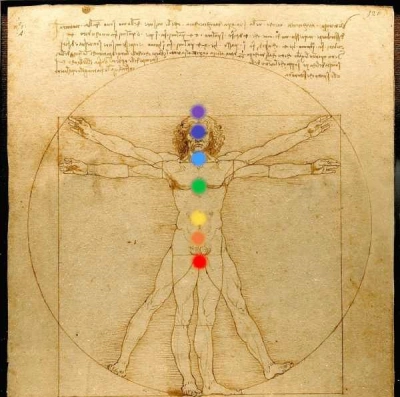
Zevist Meditation works with power. The breath, the spine, the nerves and the chakras carry that power, and each of them lives in the body.
When the body sits all day and never moves, the joints stiffen, the breath stays shallow and the back gives out after 10 minutes of sitting upright. The soul then spends its session wrestling with the vessel it lives in.
Plato wrote the same law into the Timaeus about 24 centuries ago. Soul and body each need the other's motion, and health comes from the balance between them.
The Beginner Level starts that balance. It asks for little: 1 gentle session a week, daily walking, a few minutes of joint work and fewer hours stuck in a chair.
II. The Outcome of This Level
The outcome of the Beginner Level is health. Nobody expects an athlete at the end of it. The aim is a body that walks easily, bends without complaint, climbs stairs without stopping and sits upright through a full meditation.
The markers below are indicative. Reach most of them and you've done the work of this level.
| Marker | Indicative Benchmark |
|---|---|
| Walking | 30 minutes at a steady, easy pace without stopping |
| Stairs | 2 to 3 flights without needing to stop for breath |
| Chair Stands | 10 sit-to-stands from a chair without using your hands |
| Seated Meditation | 20 minutes upright, spine straight, with no stiffness pulling your focus away |
Typical timeframe: 8 to 12 weeks of steady practice. Some people get there sooner and some take longer, and either pace is fine.
III. Health, Bodyweight and the Path
Health doesn't change anyone's spiritual trajectory. The soul's path runs through Meditation, Ethics, a life lived toward ὁμοίωσις θεῷ and Theurgy, and a heavy or unfit body doesn't lower anyone's place on it.
At the Beginner Level, the task is to know where you stand. Measure your height, weight and waist at the start, write the numbers down and check them again every month. Leave the target alone for now. Walking, the weekly session and the diet changes below start moving the numbers on their own.
IV. Men, Women and Healthy Bodies
None of these pages sets out to make hyper-athletes. The aim is healthy men and healthy women, at every level.
- The same base for both. The weekly session on this page works as written for men and women alike. Adjust the rounds and the support to your own body.
V. The Weekly Rhythm
| Practice | Frequency | Duration | Effort |
|---|---|---|---|
| The Weekly Session | 1 per week | 20 to 30 minutes | Mild: you can hold a full conversation |
| Walking | Daily, or as many days as you can | 15 to 30 minutes | Easy to moderate |
| Morning Joint Mobility | Daily | 5 minutes | Gentle |
| Breaking Up Sitting | Every 45 to 60 minutes of sitting | 2 to 3 minutes | Stand, walk, stretch |
Pick a fixed day for the session and keep it. Sunday morning before meditation suits many people. Any day works, as long as it stays the same each week.
VI. Regular Guidelines
These run alongside the weekly session, every day. They carry most of the weight at this level.
- Walk every day you can. Walking is the foundation of the Beginner Level. Start with 15 minutes if that's what you've got, and add 5 minutes each week until 30 feels easy. Walk outdoors when you can: daylight, fresh air and open space all help.
- Breathe through the nose while you walk. It slows the breath, keeps the effort mild and trains the same breathing you use in meditation. If you have to open your mouth to keep up, slow down.
- Stand up often. Long hours of sitting cause trouble of their own, even in people who exercise. Every 45 to 60 minutes, get up, walk to the window, roll the shoulders and sit back down. 2 minutes is enough.
- Take the stairs. Each flight is a small strength session for the legs and the heart. Hold the handrail if you need it.
- Use the talk test. At this level you should always be able to speak in full sentences while you move. Gasping means you've gone past mild effort, so ease off.
- Sleep and drink water. Muscles and joints repair during sleep, so aim for 7 hours or more. Drink water through the day, and a full glass after each session.
VII. The Weekly Session
About 25 minutes in all. Move slowly, breathe through the nose and keep every movement under control. Rest 60 seconds between rounds.
Warm-Up: 5 Minutes
Circle each joint gently, 5 to 10 times in each direction: shoulders, wrists, hips, knees and ankles. For the neck, roll the head slowly from shoulder to shoulder through the front, never back. Then march on the spot for 1 minute.
Main Block: 15 to 20 Minutes
| Exercise | How to Do It | Dose |
|---|---|---|
| March in Place | Lift the knees to a comfortable height and swing the arms. Breathe through the nose. | 2 minutes |
| Wall Push-Up | Stand an arm's length from a wall, hands flat at shoulder height. Bend the elbows to bring the chest toward the wall, then press back. Keep the body straight from head to heels. | 2 rounds of 8 to 10 |
| Sit-to-Stand | Sit near the front edge of a sturdy chair, feet flat. Stand up fully, then lower yourself back down slowly. Push off your thighs with your hands if you need the help. | 2 rounds of 8 to 10 |
| Glute Bridge | Lie on your back, knees bent, feet flat. Press through the heels and lift the hips until knees, hips and shoulders line up. Hold 2 seconds and lower slowly. | 2 rounds of 10 |
| Standing Calf Raise | Hold the back of a chair. Rise onto the balls of the feet, pause at the top, lower slowly. | 2 rounds of 12 |
| Bird-Dog | On hands and knees, reach the right arm forward and the left leg back until both are long and level. Hold 3 seconds, then switch sides. | 2 rounds of 6 per side |
| Cat and Cow | On hands and knees, round the back up as you breathe out. As you breathe in, let the belly sink and lift the chest. Move with the breath. | 8 slow breaths |
| Easy Walk | Indoors or outdoors, at a relaxed pace. | 5 to 10 minutes |
Cool-Down: 3 to 5 Minutes
Hold each stretch for 20 to 30 seconds and breathe into it. Never bounce and never force. The Temple's yoga teaching holds the same rule: go only as far as you're comfortable.
| Stretch | How to Do It | Hold |
|---|---|---|
| Hamstrings | Rest 1 heel on a low step. Keep the back straight and hinge forward from the hips until you feel the back of the thigh. | 20 to 30 seconds per leg |
| Chest | Place a forearm against a door frame at shoulder height and turn the body gently away. | 20 to 30 seconds per side |
| Hips | Lie on your back, cross 1 ankle over the opposite knee and draw both legs gently toward you. | 20 to 30 seconds per side |
| Child's Pose | Kneel, sit back toward the heels and lay the chest down over the thighs, arms long in front. | 30 seconds |
VIII. Diet and Daily Habits
The Temple puts no anti-life restrictions on food. Nobody here is told to fast for holiness, give up meat or treat hunger as a virtue. The Temple's teaching on the serpent says it outright: eat as you please and be free. Freedom still has a measure, and here the measure is health.
At the Beginner Level, start with 3 changes and hold them until they run on their own:
- Drink water. Replace sugary drinks and most juice with water. Sugary drinks are among the largest sources of added sugar in most diets, so this single change goes a long way.
- Add vegetables. Put vegetables or fruit on the plate at 2 meals a day, then build toward the World Health Organization's 400 grams.
- Eat real food most of the time. Cook simple meals from whole ingredients and keep packaged snacks for the exceptions.
Time your meals around practice. Don't meditate hungry or overfull, and leave 1.5 to 2 hours between a full meal and the weekly session.
IX. From Movement Into Meditation
The session ends in stillness. Sit down, straighten the spine and close your eyes for 5 to 10 minutes.
Breathe slowly and let the heartbeat settle. Then turn your attention inward and feel the body: warmth in the hands, tingling along the arms, a pulse of energy at the base of the spine. The Temple's Hatha yoga teaching calls this the energy buzz, and it tells you to sit still after any exercise and let the buzz build before you focus on it.
Many beginners feel little in the early weeks. Keep sitting anyway. The sensation grows with consistency, and after you've learned it, you'll recognize it after every session.
From here you can move straight into your regular practice. Preparing the Mind for Meditation, Yogic Breathing Basics and the Basic Meditation Program pair well with this level.
X. Signs You're Ready for the Intermediate Level
- You meet most of the markers. You've held them for 2 to 3 weeks running. A single good day doesn't count.
- The weekly session feels easy. You finish with energy left over and could repeat the rounds without strain.
- Walking has become daily. It happens without negotiation, the same way your meditation does.
- You recover overnight. Any soreness is gone by the next morning.
- Your numbers are moving. Weight and waist trend toward the healthy range, or already sit inside it.
Moving up is a choice. Some people stay at this level for good and live healthy lives on it. If you want more, the Intermediate Level adds a 2nd weekly session and builds real condition.
Start where you stand. Give the body 1 session a week and a walk most days, and it starts to answer.