



31 min read
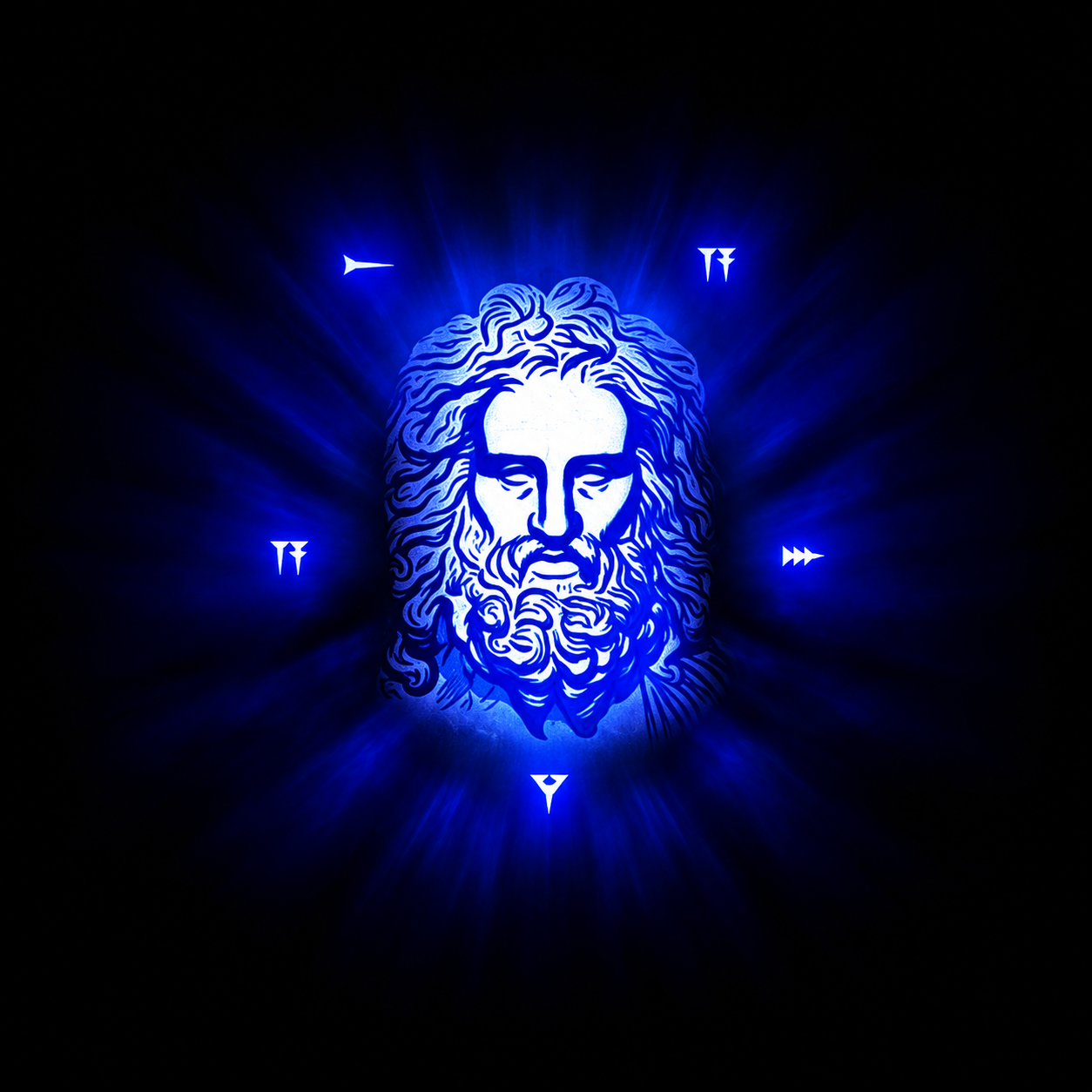
☩ TEMPLE OF ZEUS ☩
The Festival Psalms · Psalm I: The Psalm of Cheimerinai Tropai · Bruma · Saturnalia · Winter Solstice · Yule
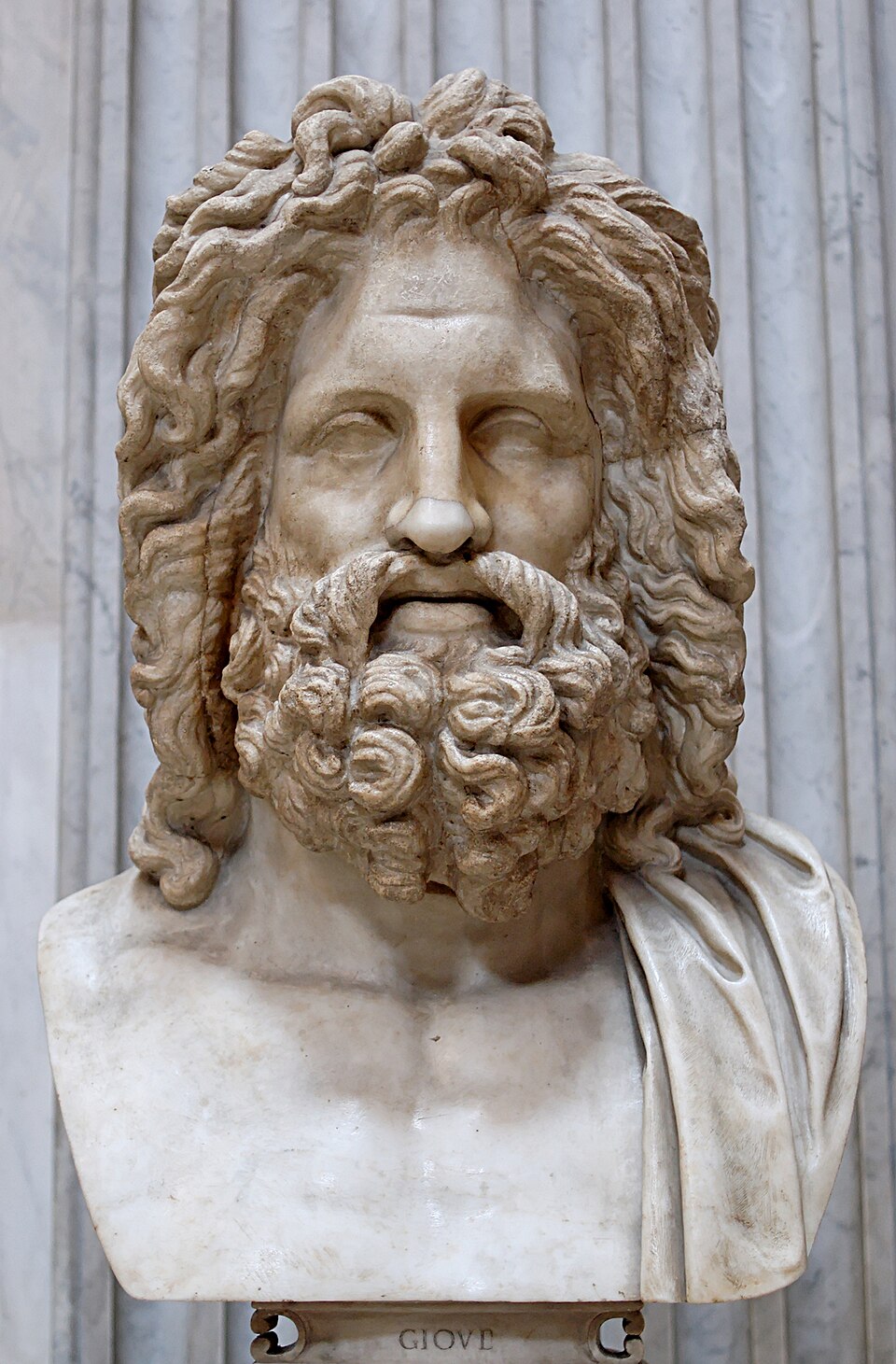
To Zeus, Father of Gods and Men, and to Dionysos the Twice-Born, for the Holy Night of the 22nd of December
THE FESTIVAL PSALMS · PSALM I · Ψαλμὸς τῶν Χειμερινῶν Τροπῶν
author: High Priest Zevios Metathronos
72 passages · 36 to Zeus · 24 to Dionysos · 12 to Dionysos and Zeus · Homeric-Ionic hymnic cola · Ancient Greek, transliteration, English, in 3 columns
#How the Psalm Is Used
This Psalm belongs to Cheimerinai Tropai · Bruma · Saturnalia · Winter Solstice · Yule: The Holy Night of Zeus and is sung within its Rite at the points the festival page marks. It may also be read on its own on the day, before the altar or under the sky, as a complete prayer. Within the Temple's practice a ritual is a direct theurgical act; the Psalm gathers the mind and turns it toward the Gods, and gives the Rite its voice.
Each passage stands in 3 columns, read down the page: the Ancient Greek, the transliteration and the English. The Ancient Greek is the text itself. The transliteration carries the sound, in the Modern Greek liturgical reading used throughout the Temple's rituals and its Ancient Hymn Library: ee as in see, oo as in moon, th as in thin, kh as in loch, v for beta, f for phi, every consonant sounded.
The English carries the sense. A Zevist who doesn't yet read Greek sings the English and speaks the Greek of the first and last line of each movement; a Zevist who does, sings the Greek and lets the English stand beside it.
In a gathering the Chorus carries the Greek and the assembly answers the last line of every passage in English. Alone, read it through without hurry; 72 passages take about 40 minutes spoken, and the Rite allows for it. The Psalm is composed in the hymnic register of the Homeric and Orphic Hymns, in epithets, vocatives and the formulas of κλῦθι and χαῖρε, and it draws its lines from the ancient sources named at the end of the page.
Where a line is quoted from antiquity, it's quoted exactly; where the Temple composes, it composes in the same tongue.
#The Key of the Psalm
| Movement | Greek title | English title | To | Passages | Isopsephy of the title |
|---|---|---|---|---|---|
| I | Ἡ Μεγίστη Νύξ | The Greatest Night | Zeus | 1 to 12 | 1084 |
| II | Ὁ Κοῦρος ὁ Δικταῖος | The Dictaean Kouros | Zeus | 13 to 24 | 1615 |
| III | Ὁ Παντοκράτωρ Βασιλεύς | The All-Sovereign King | Zeus | 25 to 36 | 2740 |
| IV | Ὁ Δὶς Γεννηθείς | The Twice-Born | Dionysos | 37 to 48 | 624 |
| V | Τὰ Ὄργια τοῦ Χειμῶνος | The Winter Orgia | Dionysos | 49 to 60 | 3030 |
| VI | Ἡ Ἄνοδος τοῦ Φωτός | The Ascent of the Light | Dionysos and Zeus | 61 to 72 | 3043 |
The Psalm holds 72 passages in 6 movements of 12 (36 to Zeus; 24 to Dionysos; 12 to Dionysos and Zeus). 72 is the number of the fifths of the circle: 72 × 5° = 360°, the wheel of the year drawn whole; 72 years are 1 degree of the precession of the equinoxes, 1 day of the Great Year. 12 is the number of the months and of the Olympians. The isopsephy of the Names in the Greek is counted, not guessed: ΖΕΥΣ = 612, ΔΙΟΝΥΣΟΣ = 1004.
The titles of the movements carry their own numbers in the table. The Psalm speaks in 2 voices at once: the plain voice of praise, which anyone may sing, and a veiled voice that names the stations of the inner rite in the order in which they're passed. The second voice isn't explained on this page. Those who have passed the stations will read it without help; those who haven't, lose nothing by singing the first.
#I · The Greatest Night · Ἡ Μεγίστη Νύξ (Zeus)
| № | Ancient Greek | Transliteration | English |
|---|---|---|---|
| 1 | Κλῦθι, Ζεῦ, πάτερ ἀθανάτων τε θεῶν τε καὶ ἀνδρῶν, νυκτὶ ἐν ἠλιβάτῳ, ὅτε ἠέλιος ἵσταται ἄκρος· σοὶ τόδε μέλπομεν ᾆσμα, ὑψίστῳ ἄνακτι. | Kleethi, Zef, pater athanaton te theon te kai andron, neekti en eelivato, ote eeelios istatai akros· soi tode melpomen asma, eepsisto anakti. | Hear, Zeus, father of immortal gods and of men, in the towering night, when the sun stands still at its limit: to you we sing this song, to the Highest King. |
| 2 | Μακροτάτη νὺξ ἥδε, βαθυσκίου ἔργον Ἀνάγκης· ἀλλὰ σὺ φῶς κρύπτεις ἐν σπήλυγγι πυρὶ φλεγέθοντι, Ζεῦ Κρόνιε, καὶ πάλιν ἀνίστησι τὸ ἦμαρ ὁ σὸς νόος. | Makrotatee neex eede, vatheeskioo ergon Anankees· alla see fos kreepteis en speeleengi peeri flegethonti, Zef Kronie, kai palin anisteesi to eemar o sos noos. | This is the longest night, the work of deep-shadowed Necessity; but you keep the light hidden in a cave, blazing with fire, Zeus son of Kronos, and your mind raises the day again. |
| 3 | Αἰγόκερως ἀνοίγει πύλην ἀνθρώποισιν ἄνοδον, ᾗ ψυχαὶ πρὸς θεοὺς ἀναβαίνουσιν, ὡς σοφοὶ ἀρχαῖοι ηὔδων· ἐν ταύτῃ τῇ νυκτὶ ἡ πύλη σου, Ζεῦ, ἀνέῳγεν. | Aigokeros anoigei peeleen anthropoisin anodon, ee pseekhai pros theoos anavainoosin, os sofoi arkhaioi eevdon· en taftee tee neekti ee peelee soo, Zef, aneogen. | Capricorn opens a gate for mankind, the gate of ascent, by which souls climb toward the gods, as the ancient wise declared; on this night your gate, Zeus, stands open. |
| 4 | Τροπαὶ ἠελίοιο, τὰς Ἡσίοδος ἐσήμηνε· ἑξήκοντα μετ' ἤματα, εἶπεν, Ἀρκτοῦρος ἀνίσχει· ἡμῖν δ' ἡ τροπὴ τοῦ φωτὸς ἀρχὴ ἐνιαυτοῖο. | Tropai eeelioio, tas Eesiodos eseemeene· exeekonta met' eemata, eipen, Arktooros aniskhei· eemin d' ee tropee too fotos arkhee eniaftoio. | Turnings of the sun, which Hesiod marked; 60 days after them, he said, Arcturus rises; for us the turning of the light is the beginning of the year. |
| 5 | Ἐν σκότῳ βαθεῖ τὸ σπέρμα φυλάσσεται, Ζεῦ, ὡς ἐν γαστρὶ γαίης κρύπτεται ὁ στάχυς ὁ χρύσεος· οὕτω καὶ τὸ φῶς σου κρύπτεται, ὄφρα γένηται μεῖζον. | En skoto vathei to sperma feelassetai, Zef, os en gastri gaiees kreeptetai o stakhees o khreeseos· ooto kai to fos soo kreeptetai, ofra geneetai meizon. | In deep darkness the seed is kept, Zeus, as the golden ear hides in the womb of the earth; so too your light hides, that it may grow greater. |
| 6 | Οὐ θνῄσκει τὸ φῶς· ἵσταται, ἀναπνεῖ, ἐπιστρέφει. Οὐ θνῄσκει ὁ βασιλεύς· ἐν κρυπτῷ γεννᾶται. Οὐ θνῄσκει ψυχή, ἥτις τὸν Δία ἔγνωκεν. | Oo thneeskei to fos· istatai, anapnei, epistrefei. Oo thneeskei o vasilevs· en kreepto gennatai. Oo thneeskei pseekhee, eetis ton Dia egnoken. | The light doesn't die: it stands, it breathes, it turns back. The king doesn't die: he is born in secret. The soul doesn't die, which has known Zeus. |
| 7 | Χαῖρε, Ζεῦ Χειμέριε, παγερῶν δέσποτα νυκτῶν, χιόνος ἀργεννῆς καὶ κρυστάλλου βασιλεῦ, ὃς καὶ ἐν ψύχει τὴν θέρμην τῆς ζωῆς διαφυλάσσεις. | Khaire, Zef Kheimerie, pageron despota neekton, khionos argennees kai kreestalloo vasilef, os kai en pseekhei teen thermeen tees zoees diafeelasseis. | Hail, Zeus of Winter, master of the frozen nights, king of the white snow and of the ice, who even in the cold keeps safe the warmth of life. |
| 8 | Ἀστέρες ἐν νυκτὶ μέσῃ λάμπουσι πυκνότερον, ὅτι ὁ Ἥλιος ἀπέχει, καὶ ἡ γῆ σιωπᾷ· ἐν τῇ σιωπῇ ταύτῃ τὴν φωνήν σου ἀκούομεν. | Asteres en neekti mesee lampoosi peeknoteron, oti o Eelios apekhei, kai ee gee siopa· en tee siopee taftee teen foneen soo akooomen. | The stars in the depth of night shine thicker, because the Sun stands far off, and the earth keeps silence; in this silence we hear your voice. |
| 9 | Ζεύς, ὅστις ποτ' ἐστίν, Αἰσχύλος ηὔξατο, τοῦτό σε καλῶ· ἡμεῖς δὲ σὸν ὄνομα ἴδμεν καὶ ἀναφανδὸν βοῶμεν· ΖΕΥΣ, ΖΕΥΣ, ΖΕΥΣ, τρὶς ἱερὸν ὄνομα τῶν νυκτῶν. | Zevs, ostis pot' estin, Aiskheelos eefxato, tooto se kalo· eemeis de son onoma idmen kai anafandon voomen· Zevs, Zevs, Zevs, tris ieron onoma ton neekton. | “Zeus, whoever you are,” Aeschylus prayed, “by this name I call you”; but we know your name and cry it openly: ZEUS, ZEUS, ZEUS, thrice-holy name of the nights. |
| 10 | Τῇ νυκτὶ τῇ δευτέρᾳ καὶ εἰκοστῇ Δεκεμβρίου ἡ Ἁγία Νὺξ τῶν Ζευϊστῶν, ἡ ὑψίστη τοῦ ἔτους· αὐτὸς ὁ Ζεὺς ταύτην τοῖς ἱερεῦσιν ἐδήλωσεν. | Tee neekti tee deftera kai eikostee Dekemvrioo ee Agia Neex ton Zeviston, ee eepsistee too etoos· aftos o Zevs tafteen tois ierefsin edeelosen. | On the night of the 22nd of December falls the Holy Night of the Zevists, the highest of the year; Zeus himself made it known to the priests. |
| 11 | Δεῖπνον ἑτοίμασον, καὶ πῦρ ἐν ἑστίᾳ ἄναψον, στέψον τὸν οἶκον κλάδοις, τὸ δένδρον ἀστράπτον ἵδρυσον· ἡ ψυχὴ δένδρον ἐστί, καὶ ὁ ἀστὴρ ὁ ἄκρος ὁ Ζεύς. | Deipnon etoimason, kai peer en estia anapson, stepson ton oikon kladois, to dendron astrapton idreeson· ee pseekhee dendron esti, kai o asteer o akros o Zevs. | Prepare the feast, and light a fire on the hearth, crown the house with branches, set up the tree that flashes with light: the soul is a tree, and the star at its summit is Zeus. |
| 12 | Πρὶν τὸ φῶς ἀνατεῖλαι, δὸς ἡμῖν ὑπομονήν· πρὶν τὴν ἡμέραν μηκύνεσθαι, δὸς ἐλπίδα· σὺ γὰρ ὁ χειμῶνα κρατῶν καὶ ἔαρ ἀποδιδούς. | Prin to fos anateilai, dos eemin eepomoneen· prin teen eemeran meekeenesthai, dos elpida· see gar o kheimona kraton kai ear apodidoos. | Before the light rises, give us endurance; before the day lengthens, give us hope; for you are the one who rules the winter and gives back the spring. |
#II · The Dictaean Kouros · Ὁ Κοῦρος ὁ Δικταῖος (Zeus)
| № | Ancient Greek | Transliteration | English |
|---|---|---|---|
| 13 | Ἰὼ μέγιστε Κοῦρε, χαῖρέ μοι, Κρόνειε, παγκρατὲς γάνους, βέβακες δαιμόνων ἁγώμενος· Δίκταν ἐς ἐνιαυτὸν ἕρπε καὶ γέγαθι μολπᾷ. | Io megiste Koore, khaire moi, Kroneie, pankrates ganoos, vevakes daimonon agomenos· Diktan es eniafton erpe kai gegathi molpa. | Io, greatest Kouros, hail to me, son of Kronos, all-powerful brightness, you have come leading the daimones; come to Dikte for the year and rejoice in the song. |
| 14 | Ἐν Ἴδης ἄντρῳ Ῥέα σε ἔτικτε λαθοῦσα Κρόνον, Ἀμάλθεια δ' ἡ αἲξ γάλα σοι θεῖον παρέσχεν· κέρας αὐτῆς πλῆρες ἔτι ῥέει πᾶσι τοῖς πιστοῖς. | En Idees antro Rea se etikte lathoosa Kronon, Amaltheia d' ee aix gala soi theion pareskhen· keras aftees pleeres eti reei pasi tois pistois. | In the cave of Ida Rhea bore you, hidden from Kronos, and Amaltheia the goat gave you divine milk; her horn, ever full, still flows for all the faithful. |
| 15 | Κουρῆτες περὶ σὲ ἐχόρευον, ἀσπίδας κρούοντες, ὄφρα μὴ κλαίοντος φωνὴ τὸν πατέρα καλέσῃ· χορὸς ἔνοπλος ἡ πρώτη λατρεία τοῦ Διός. | Kooreetes peri se ekhorevon, aspidas krooontes, ofra mee klaiontos fonee ton patera kalesee· khoros enoplos ee protee latreia too Dios. | The Kouretes danced around you, striking their shields, so that the sound of your crying wouldn't summon your father; the armed dance was the first worship of Zeus. |
| 16 | Μέλισσαι μέλι ἔφερον, καὶ ἡ Ἀδράστεια σε ἐκοίμιζε, σὺ δ' ἀετὸς γενόμενος ἐκ Κρήτης ἀνῆλθες ἐς Ὄλυμπον· μικρὸς ἐν σπηλαίῳ, ὕστερον δεσπότης οὐρανοῦ. | Melissai meli eferon, kai ee Adrasteia se ekoimize, see d' aetos genomenos ek Kreetees aneelthes es Oleempon· mikros en speelaio, eesteron despotees ooranoo. | Bees brought honey, and Adrasteia rocked you to sleep, and you, becoming an eagle, rose from Crete to Olympus; small in a cave, afterwards master of the sky. |
| 17 | Τὸ παιδίον τὸ κρυπτὸν ἐν τῇ νυκτὶ τῇ μακροτάτῃ σύμβολον τοῦ φωτὸς τοῦ κρυπτοῦ ἐν πάσῃ ψυχῇ· ὃς τὸν Κοῦρον ἐν ἑαυτῷ τρέφει, γίγνεται βασιλεύς. | To paidion to kreepton en tee neekti tee makrotatee seemvolon too fotos too kreeptoo en pasee pseekhee· os ton Kooron en eafto trefei, gignetai vasilevs. | The hidden child in the longest night is the symbol of the light hidden in every soul; he who nurses the Kouros within himself becomes a king. |
| 18 | Σκίρτα, Κοῦρε, ἐς πίθους, καὶ σκίρτα ἐς ποίμνια, σκίρτα ἐς λήϊα καρπῶν καὶ ἐς πόλεις ἡμῶν· σκίρτα ἐς ναῦς ποντοπόρους καὶ ἐς νέους πολίτας. | Skirta, Koore, es pithoos, kai skirta es poimnia, skirta es leeia karpon kai es poleis eemon· skirta es navs pontoporoos kai es neoos politas. | Leap, Kouros, into the wine jars, and leap into the flocks, leap into the fields of grain and into our cities; leap into the seafaring ships and into the new citizens. |
| 19 | Δικταῖε, Ἰδαῖε, Κρηταγενές, Οὐράνιε, ὁ Κρὴς ἔφη σὸν τάφον ἔχειν, ψεύστης ὁ Κρής· σὺ γὰρ ἀεὶ ζῇς, Καλλίμαχος ὀρθῶς ἐβόησεν. | Diktaie, Idaie, Kreetagenes, Ooranie, o Krees efee son tafon ekhein, psefstees o Krees· see gar aei zees, Kallimakhos orthos evoeesen. | Dictaean, Idaean, Crete-born, Heavenly One, the Cretan said he held your tomb; the Cretan is a liar; for you live always, as Callimachus rightly cried. |
| 20 | Ἐκ τοῦ ἄντρου τὸ φῶς, ἐκ τοῦ σκότους ὁ βασιλεύς, ἐκ τῆς σιγῆς ὁ κεραυνός, ἐκ τοῦ βρέφους ὁ πατήρ· οὕτω καὶ ἐκ τῆς νυκτὸς τῆσδε ὁ ἐνιαυτὸς ὁ νέος. | Ek too antroo to fos, ek too skotoos o vasilevs, ek tees sigees o keravnos, ek too vrefoos o pateer· ooto kai ek tees neektos teesde o eniaftos o neos. | From the cave the light, from the darkness the king, from the silence the thunderbolt, from the infant the father; so too from this night the new year. |
| 21 | Ἀγαθὸν ἔτος δός, Ζεῦ, καὶ ἔαρ ἀνθηρόν, ὀπώρην πολύκαρπον καὶ χειμῶνα πρᾶον· καὶ τοῖς νέοις πολίταις δύναμιν καὶ εὐνομίαν. | Agathon etos dos, Zef, kai ear antheeron, oporeen poleekarpon kai kheimona praon· kai tois neois politais deenamin kai evnomian. | Give a good year, Zeus, and a flowering spring, a harvest of many fruits and a gentle winter; and to the new citizens strength and good order. |
| 22 | Κοῦρος εἶ καὶ Πατήρ, ἀρχὴ καὶ τέλος ὁμοῦ· παῖς ἐν τῇ νυκτὶ ταύτῃ, πρεσβύτης ἐν τῷ θέρει· ὁ κύκλος σου ὁ ἐνιαύσιος ἡ εἰκὼν τοῦ αἰῶνος. | Kooros ei kai Pateer, arkhee kai telos omoo· pais en tee neekti taftee, presveetees en to therei· o keeklos soo o eniafsios ee eikon too aionos. | You are Kouros and Father, beginning and end together: a child on this night, an elder in the summer; your yearly circle is the image of eternity. |
| 23 | Τὸν ἀστέρα τὸν ἐπὶ τοῦ δένδρου ἀνάπτομεν σοί, ὁ ὄφις ὁ πύρινος ἀνῆλθε, ἡ ῥάχις ἐφωτίσθη· μυρίαι φλόγες ἐν τῷ σώματι τοῦ πιστοῦ. | Ton astera ton epi too dendroo anaptomen soi, o ofis o peerinos aneelthe, ee rakhis efotisthee· meeriai floges en to somati too pistoo. | The star upon the tree we light for you: the fiery serpent has risen, the spine is illumined; countless flames in the body of the faithful. |
| 24 | Χαῖρε, Κοῦρε Δικταῖε, χαῖρε, Ζεῦ Κρηταγενές· ἐν σπηλαίῳ τὸν κόσμον ἐσώσας λανθάνων· σῶσον καὶ ἡμᾶς ἐν τῷ κρυπτῷ, ὄφρα φανῶμεν ἐν φωτί. | Khaire, Koore Diktaie, khaire, Zef Kreetagenes· en speelaio ton kosmon esosas lanthanon· soson kai eemas en to kreepto, ofra fanomen en foti. | Hail, Dictaean Kouros, hail, Crete-born Zeus; in a cave you saved the world unseen; save us too in the hidden place, that we may appear in the light. |
#III · The All-Sovereign King · Ὁ Παντοκράτωρ Βασιλεύς (Zeus)
| № | Ancient Greek | Transliteration | English |
|---|---|---|---|
| 25 | Ζεὺς πρῶτος γένετο, Ζεὺς ὕστατος ἀργικέραυνος, Ζεὺς κεφαλή, Ζεὺς μέσσα, Διὸς δ' ἐκ πάντα τέτυκται· οὕτως Ὀρφεὺς ᾖσε, καὶ ἡμεῖς μετ' αὐτοῦ ᾄδομεν. | Zevs protos geneto, Zevs eestatos argikeravnos, Zevs kefalee, Zevs messa, Dios d' ek panta teteektai· ootos Orfevs eese, kai eemeis met' aftoo adomen. | Zeus was first, Zeus last, lord of the bright thunderbolt, Zeus the head, Zeus the middle, from Zeus all things are made; so Orpheus sang, and we sing with him. |
| 26 | Ἰούπιτερ ἐν Ῥώμῃ, Ἀμοῦν ἐν Αἰγύπτῳ, Ἄνου ἐν Βαβυλῶνι, Ἴνδρας ἐν τῇ Ἰνδικῇ· ἓν ὄνομα ἐν πολλαῖς γλώσσαις, εἷς Ζεὺς ἐν πᾶσι. | Ioopiter en Romee, Amoon en Aigeepto, Anoo en Vaveeloni, Indras en tee Indikee· en onoma en pollais glossais, eis Zevs en pasi. | Jupiter in Rome, Amun in Egypt, Anu in Babylon, Indra in India; one name in many tongues, one Zeus in all. |
| 27 | Ὀδὶν ἐν τῷ Βορρᾷ, Περοὺν ἐν τοῖς Σκλάβοις, Θὼρ ὁ βροντῶν, Ταρχοὺν ὁ Χετταῖος, Μαρδοὺκ ὁ Βαβυλώνιος· ὁ πιστὸς ἀλλάσσει τὸ ὄνομα κατὰ τὴν γλῶσσαν, οὐ τὸν θεόν. | Odin en to Vorra, Peroon en tois Sklavois, Thor o vronton, Tarkhoon o Khettaios, Mardook o Vaveelonios· o pistos allassei to onoma kata teen glossan, oo ton theon. | Odin in the North, Perun among the Slavs, Thor who thunders, Tarhunt the Hittite, Marduk the Babylonian; the faithful change the name by their tongue, not the God. |
| 28 | Σαβάζιε, Ἁδάδ, Ἄμμων, Δάγδα ὁ Ἀγαθός, Τίνια τῶν Τυρσηνῶν, Τλάλοκ τῶν Μεξικῶν, Τέγγρι τῶν Μογγόλων· πᾶν ἔθνος εἶδε τὴν ὄψιν σου, καὶ πᾶν ἔθνος ἐβόησεν. | Savazie, Adad, Ammon, Dagda o Agathos, Tinia ton Teerseenon, Tlalok ton Mexikon, Tengri ton Mongolon· pan ethnos eide teen opsin soo, kai pan ethnos evoeesen. | Sabazios, Hadad, Ammon, Dagda the Good, Tinia of the Etruscans, Tlaloc of the Mexica, Tengri of the Mongols; every nation saw your face, and every nation cried out. |
| 29 | Σὺ τῶν Μοιρῶν ταμίας, σὺ τῆς Θέμιδος πόσις, σὺ τῆς Δίκης πατήρ, ἣ παρὰ τῷ θρόνῳ σου κάθηται· Μάατ ἡ Αἰγυπτία, Σάτυα ἡ Ἰνδική, μία Ἀλήθεια. | See ton Moiron tamias, see tees Themidos posis, see tees Dikees pateer, ee para to throno soo katheetai· Maat ee Aigeeptia, Sateea ee Indikee, mia Aleetheia. | You are the steward of the Fates, you the husband of Themis, you the father of Dike, who sits beside your throne; Ma'at the Egyptian, Satya the Indian, one Truth. |
| 30 | Ὁ κεραυνός σου οὐ μόνον καίει, ἀλλὰ καὶ ζωογονεῖ· ὁ Ἡράκλειτος ἔφη· τὰ πάντα οἰακίζει Κεραυνός· διὰ σοῦ ὁ κόσμος κυβερνᾶται, καὶ δι' ἡμῶν, ὅταν σὲ φέρωμεν. | O keravnos soo oo monon kaiei, alla kai zoogonei· o Eerakleitos efee· ta panta oiakizei Keravnos· dia soo o kosmos keevernatai, kai di' eemon, otan se feromen. | Your thunderbolt doesn't only burn; it also begets life; Heraclitus said: “the Thunderbolt steers all things”; through you the cosmos is steered, and through us, when we bear you. |
| 31 | Ἐπὶ χάρτου γράφομεν τὰς βουλὰς τοῦ ἔτους, καὶ τῷ πυρὶ παραδίδομεν, ὄφρα ἐς αἰθέρα ἀνέλθωσιν· σὺ δέχου τὰς βουλάς, Ζεῦ Τελεσιουργέ, καὶ τέλει. | Epi khartoo grafomen tas voolas too etoos, kai to peeri paradidomen, ofra es aithera anelthosin· see dekhoo tas voolas, Zef Telesioorge, kai telei. | On paper we write the resolutions of the year, and give them to the fire, that they may rise to the aether; receive the resolutions, Zeus Accomplisher, and bring them to fulfilment. |
| 32 | Οὐ δεόμεθα ὡς δοῦλοι, ἀλλὰ προσερχόμεθα ὡς τέκνα· οὐχ ἱκετεύομεν τρέμοντες, ἀλλὰ κοινωνοῦμεν ἑστῶτες· ὁ Ζεὺς καρδίαν εἰλικρινῆ ζητεῖ, οὐ χρυσόν. | Oo deometha os dooloi, alla proserkhometha os tekna· ookh iketevomen tremontes, alla koinonoomen estotes· o Zevs kardian eilikrinee zeetei, oo khreeson. | We don't beg like slaves; we come forward as children; we don't supplicate trembling; we commune standing; Zeus seeks a sincere heart, not gold. |
| 33 | Ἄναξ ἀνάκτων, Ὕψιστε, Παντοκράτορ, Ἀήττητε, Πάτερ Πατέρων, ὃς ἐν πᾶσιν εἶ καὶ ὑπὲρ πάντα· ἀπὸ σοῦ ὁ Χρύσεος Αἰών, καὶ ἡμεῖς οἱ κήρυκες αὐτοῦ. | Anax anakton, Eepsiste, Pantokrator, Aeetteete, Pater Pateron, os en pasin ei kai eeper panta· apo soo o Khreeseos Aion, kai eemeis oi keereekes aftoo. | King of kings, Most High, All-Sovereign, Unconquered, Father of Fathers, who are in all things and above all; from you comes the Golden Age, and we are its heralds. |
| 34 | Ἐν τῇ νυκτὶ ταύτῃ οἱ Ζευϊσταὶ πανταχοῦ τῆς γῆς τὴν αὐτὴν φλόγα ἅπτουσι καὶ τὸν αὐτὸν ὕμνον ᾄδουσι· τὸ βόρειον ἡμισφαίριον καὶ τὸ νότιον μία ἑορτή. | En tee neekti taftee oi Zevistai pantakhoo tees gees teen afteen floga aptoosi kai ton afton eemnon adoosi· to voreion eemisfairion kai to notion mia eortee. | On this night the Zevists everywhere on earth kindle the same flame and sing the same hymn; the northern hemisphere and the southern, one feast. |
| 35 | Σιγὴ νῦν· ἐν σιγῇ ὁ Ζεὺς μάλιστα ἀκούεται. Μίαν στιγμὴν τὸ κενὸν τοῦ νοῦ ἡ ὑψίστη κοινωνία. Ἐν τῷ κενῷ τούτῳ ἡ φωνή σου, ἐν τῇ φωνῇ σου τὸ πᾶν. | Sigee neen· en sigee o Zevs malista akooetai. Mian stigmeen to kenon too noo ee eepsistee koinonia. En to keno tooto ee fonee soo, en tee fonee soo to pan. | Silence now: in silence Zeus is heard the most. For one moment the emptiness of the mind is the highest communion. In this emptiness your voice; in your voice, the All. |
| 36 | ΙΑΩ, ΖΕΥΣ ΥΨΙΣΤΟΣ ΠΑΝΤΟΚΡΑΤΩΡ· Ζεὺς ἦν, Ζεὺς ἔστι, Ζεὺς ἔσσεται· ὦ μεγάλε Ζεῦ· σοὶ τὸ κράτος, σοὶ ἡ νύξ, σοὶ τὸ φῶς τὸ ἐπανερχόμενον. | Iao, Zevs Eepsistos Pantokrator· Zevs een, Zevs esti, Zevs essetai· Oh megale Zef· soi to kratos, soi ee neex, soi to fos to epanerkhomenon. | IAO, ZEUS MOST HIGH, ALL-SOVEREIGN; Zeus was, Zeus is, Zeus shall be; O great Zeus; yours is the might, yours the night, yours the returning light. |
#IV · The Twice-Born · Ὁ Δὶς Γεννηθείς (Dionysos)
| № | Ancient Greek | Transliteration | English |
|---|---|---|---|
| 37 | Κλῦθι, Διόνυσε, Διὸς υἱέ, Σεμέλης τέκος, Πυριγενές, Διθύραμβε, Μηροτραφές, δὶς γεγαώς· ἐν τῇ νυκτὶ τοῦ Πατρὸς καὶ τὸν Υἱὸν ὑμνοῦμεν. | Kleethi, Dioneese, Dios eeie, Semelees tekos, Peerigenes, Ditheeramve, Meerotrafes, dis gegaos· en tee neekti too Patros kai ton Eeion eemnoomen. | Hear, Dionysos, son of Zeus, child of Semele, Fire-born, Dithyrambos, Thigh-nursed, twice-born; on the night of the Father we hymn the Son also. |
| 38 | Ὁ κεραυνὸς τὴν μητέρα ἔκαυσε, σὲ δὲ ἐβάπτισεν· ἐν τῷ μηρῷ τοῦ Διὸς ἐρράφης, καὶ ἐκ τοῦ Διὸς ἐγεννήθης· οὕτως ὁ θάνατος τῆς μητρὸς ἀρχὴ τῆς ζωῆς τοῦ θεοῦ. | O keravnos teen meetera ekafse, se de evaptisen· en to meero too Dios errafees, kai ek too Dios egenneethees· ootos o thanatos tees meetros arkhee tees zoees too theoo. | The thunderbolt burned the mother, but baptized you; in the thigh of Zeus you were sewn, and from Zeus you were born; so the death of the mother was the beginning of the life of the god. |
| 39 | Ζαγρεὺς ὁ πρῶτος, Περσεφόνης καὶ Διὸς παῖς, ὃν οἱ Τιτᾶνες ἐσπάραξαν, παίζοντα ἐν ἀθύρμασιν· ἀλλ' ἡ καρδία ἐσώθη, καὶ ἐκ τῆς καρδίας σὺ πάλιν. | Zagrevs o protos, Persefonees kai Dios pais, on oi Titanes esparaxan, paizonta en atheermasin· all' ee kardia esothee, kai ek tees kardias see palin. | Zagreus the first, child of Persephone and Zeus, whom the Titans tore apart as he played with his toys; but the heart was saved, and from the heart you came again. |
| 40 | Ἐν Δελφοῖς τὸν χειμῶνα σὺ κατέχεις τὸν ναόν, ὁ Ἀπόλλων πρὸς Ὑπερβορέους ἀπεδήμησε· τρεῖς μῆνας ὁ διθύραμβος ἀντὶ τοῦ παιᾶνος ᾄδεται. | En Delfois ton kheimona see katekheis ton naon, o Apollon pros Eepervoreoos apedeemeese· treis meenas o ditheeramvos anti too paianos adetai. | At Delphi through the winter you hold the temple; Apollo has gone away to the Hyperboreans; for 3 months the dithyramb is sung instead of the paean. |
| 41 | Αἱ Θυιάδες ἐγείρουσι τὸν Λικνίτην ἐν τῇ νυκτί, τὸ βρέφος ἐν τῷ λίκνῳ, τὸν θεὸν ἐν τῷ πτύῳ τοῦ σίτου· ὁ ὕπνος τοῦ θεοῦ ὁ χειμών, ἡ ἔγερσις αὐτοῦ ἡ ἡμέρα ἡ μηκυνομένη. | Ai Theeiades egeiroosi ton Likniteen en tee neekti, to vrefos en to likno, ton theon en to pteeo too sitoo· o eepnos too theoo o kheimon, ee egersis aftoo ee eemera ee meekeenomenee. | The Thyiades wake the Liknites in the night, the infant in the winnowing basket, the god in the winnowing fan of the grain; the sleep of the god is the winter, his waking the lengthening day. |
| 42 | Ὁ Ἥλιος ἐν τροπαῖς χειμεριναῖς βρέφος φαίνεται, ὡς οἱ Αἰγύπτιοι ἔδειξαν, καὶ Μακρόβιος ἔγραψεν· σὺ ὁ παῖς τοῦ φωτός, Διόνυσε, Ἥλιος νυκτερινός. | O Eelios en tropais kheimerinais vrefos fainetai, os oi Aigeeptioi edeixan, kai Makrovios egrapsen· see o pais too fotos, Dioneese, Eelios neekterinos. | The Sun at the winter solstice appears as an infant, as the Egyptians showed, and Macrobius wrote; you are the child of the light, Dionysos, the Sun of the night. |
| 43 | Ὀσίριδι σὲ ἴσον ὁ Ἡρόδοτος ἐκάλεσε, Λίβερ ἐν Ῥώμῃ, Βάκχος ἐν Λυδίᾳ, Σαβάζιος ἐν Θρᾴκῃ· ὁ πιστὸς τὸ ὄνομα κατὰ γένος ἀλλάσσει, τὸν θεὸν δὲ ἕνα γινώσκει. | Osiridi se ison o Eerodotos ekalese, Liver en Romee, Vakkhos en Leedia, Savazios en Thrakee· o pistos to onoma kata genos allassei, ton theon de ena ginoskei. | Herodotus called you the same as Osiris, Liber in Rome, Bacchus in Lydia, Sabazios in Thrace; the faithful change the name according to their people, but know the god as one. |
| 44 | Ἴακχε, Ἴακχε, ὁ ἐν Ἐλευσῖνι βοώμενος, φωσφόρε ἀστὴρ τῆς νυκτερινῆς τελετῆς· ἄγε τὸν χορὸν ἡμῶν διὰ τοῦ σκότους ἐς τὸ φῶς. | Iakkhe, Iakkhe, o en Elefsini voomenos, fosfore asteer tees neekterinees teletees· age ton khoron eemon dia too skotoos es to fos. | Iacchos, Iacchos, you who are cried out at Eleusis, light-bearing star of the nocturnal rite; lead our chorus through the darkness to the light. |
| 45 | Ἀπὸ Νύσης ἐς Αἴγυπτον, ἐξ Αἰγύπτου ἐς Ἰνδούς, τὴν ἄμπελον ἐδίδαξας, καὶ αἱ παρδάλεις τὸ ἅρμα εἷλκον· ὅπου ἐπάτησας, ἡ γῆ ἐγέλασε. | Apo Neesees es Aigeepton, ex Aigeeptoo es Indoos, teen ampelon edidaxas, kai ai pardaleis to arma eilkon· opoo epateesas, ee gee egelase. | From Nysa to Egypt, from Egypt to the Indians, you taught the vine, and the leopards drew your chariot; wherever you stepped, the earth laughed. |
| 46 | Ὁ Πενθεὺς ἠρνήσατο, καὶ ἡ μήτηρ αὐτὸν διέσπασεν· ὁ Λυκοῦργος ἐδίωξε, καὶ ἡ ἄμπελος αὐτὸν ἔδησεν· οἱ πειραταὶ σὲ ἐδέσμευσαν, καὶ δελφῖνες ἐγένοντο. | O Penthevs eerneesato, kai ee meeteer afton diespasen· o Leekoorgos edioxe, kai ee ampelos afton edeesen· oi peiratai se edesmefsan, kai delfines egenonto. | Pentheus denied, and his mother tore him apart; Lycurgus persecuted, and the vine bound him; the pirates bound you, and they became dolphins. |
| 47 | Μαινόμενε, Λύσιε, Ἐλευθέριε, Βρόμιε, ὁ λύων τὰ δεσμὰ τοῦ λογισμοῦ καὶ τοῦ φόβου· Πλάτων ἔφη· διὰ μανίας θείας τὰ μέγιστα τῶν ἀγαθῶν. | Mainomene, Leesie, Eleftherie, Vromie, o leeon ta desma too logismoo kai too fovoo· Platon efee· dia manias theias ta megista ton agathon. | Raving One, Loosener, Liberator, Thunderer, who loosens the bonds of calculation and of fear; Plato said: through divine madness come the greatest of goods. |
| 48 | Χαῖρε, Διόνυσε, ὁ δὶς γεννηθεὶς καὶ τρὶς ὑμνούμενος· ἐν τῇ νυκτὶ τοῦ Διὸς σὺ ὁ οἶνος ἐν τῷ ποτηρίῳ αὐτοῦ· πίνομεν, καὶ ὁ Πατὴρ μετὰ τοῦ Υἱοῦ ἐν ἡμῖν. | Khaire, Dioneese, o dis genneetheis kai tris eemnoomenos· en tee neekti too Dios see o oinos en to poteerio aftoo· pinomen, kai o Pateer meta too Eeioo en eemin. | Hail, Dionysos, twice-born and thrice-hymned; on the night of Zeus you are the wine in his cup; we drink, and the Father with the Son is within us. |
#V · The Winter Orgia · Τὰ Ὄργια τοῦ Χειμῶνος (Dionysos)
| № | Ancient Greek | Transliteration | English |
|---|---|---|---|
| 49 | Εὐοῖ, Εὐάν, Ἰὼ Βάκχε, Ἰὼ Ἴακχε, ἡ νὺξ ἡ μακρὰ τοῖς μύσταις μικρά· ὁ χρόνος λύεται· ἀπόθου τὸν λογισμόν, καὶ ὁ θεὸς εἰσέρχεται. | Evoi, Evan, Io Vakkhe, Io Iakkhe, ee neex ee makra tois meestais mikra· o khronos leeetai· apothoo ton logismon, kai o theos eiserkhetai. | Euoi, Euan, Io Bacchos, Io Iacchos, the long night is short for the initiates; time dissolves; lay aside calculation, and the god enters. |
| 50 | Ὁ οἶνος οὐ μέθη μόνον, ἀλλὰ καὶ κλεὶς τῆς ψυχῆς· πίνε μετρίως, ὄφρα τὸ πῦρ τὸ ἐν τῷ οἴνῳ σε φωτίσῃ, μηδὲ ἀμέτρως, ὄφρα μὴ τὸ πῦρ σε καύσῃ. | O oinos oo methee monon, alla kai kleis tees pseekhees· pine metrios, ofra to peer to en to oino se fotisee, meede ametros, ofra mee to peer se kafsee. | Wine isn't only drunkenness; it's also a key of the soul; drink in measure, that the fire in the wine may enlighten you, and not without measure, lest the fire burn you. |
| 51 | Χορεύετε, μύσται, ἐν κύκλῳ περὶ τὸ πῦρ, ὡς αἱ Μαινάδες ἐν Κιθαιρῶνι, ὡς αἱ Θυιάδες ἐν Παρνασσῷ· ὁ χορὸς ὁ κυκλικὸς ἡ εἰκὼν τοῦ ἡλίου ἐπιστρέφοντος. | Khorevete, meestai, en keeklo peri to peer, os ai Mainades en Kithaironi, os ai Theeiades en Parnasso· o khoros o keeklikos ee eikon too eelioo epistrefontos. | Dance, initiates, in a circle around the fire, like the Maenads on Kithairon, like the Thyiades on Parnassos; the circling dance is the image of the sun turning back. |
| 52 | Τὸ προσωπεῖον τὸ Διονυσιακὸν οὐ κρύπτει, ἀλλ' ἀποκαλύπτει· ὃς τὸ ἑαυτοῦ πρόσωπον ἀποθέμενος τὸ τοῦ θεοῦ φορεῖ, τὸν ἑαυτοῦ ἀποθέμενος λογισμὸν τὸν τοῦ θεοῦ νοῦν εὑρίσκει. | To prosopeion to Dioneesiakon oo kreeptei, all' apokaleeptei· os to eaftoo prosopon apothemenos to too theoo forei, ton eaftoo apothemenos logismon ton too theoo noon evriskei. | The Dionysian mask doesn't hide; it reveals; he who lays down his own face and wears the god's lays down his own calculation and finds the god's mind. |
| 53 | Ἐν τῇ ἡδονῇ ἡ ἀνάβασις, ἐν τῇ χαρᾷ ἡ ἀλήθεια· οὐ γὰρ ἔδωκεν ὁ Ζεὺς τὸν βίον ἵνα πενθῶμεν, ἀλλ' ἵνα γελῶμεν καὶ ἄνω φερώμεθα γελῶντες. | En tee eedonee ee anavasis, en tee khara ee aleetheia· oo gar edoken o Zevs ton vion ina penthomen, all' ina gelomen kai ano ferometha gelontes. | In pleasure the ascent, in joy the truth; for Zeus didn't give life so that we may mourn, but so that we may laugh and be carried upward laughing. |
| 54 | Ἀλλ' ὁ μύστης διακρίνει· τὸ ὄργιον οὐ κραιπάλη· ἐν μέσῃ τῇ τελετῇ σιγὴ τοῦ θεοῦ ἐπιπίπτει, καὶ ὁ χορεύων ἵσταται, καὶ ὁρᾷ, καὶ οὐκέτι χορεύει. | All' o meestees diakrinei· to orgion oo kraipalee· en mesee tee teletee sigee too theoo epipiptei, kai o khorevon istatai, kai ora, kai ooketi khorevei. | But the initiate discerns: the orgion isn't a debauch; in the middle of the rite the silence of the god falls, and the dancer stands still, and sees, and dances no longer. |
| 55 | Ἔριφος ἐς γάλα ἔπετον, ἐς γάλα ἔπετον ἔριφος· τὰ χρύσεα πέταλα τῶν μυστῶν ἐν τοῖς τάφοις λέγουσι· θεὸς ἐγένου ἐξ ἀνθρώπου· χαῖρε παθὼν τὸ πάθημα. | Erifos es gala epeton, es gala epeton erifos· ta khreesea petala ton meeston en tois tafois legoosi· theos egenoo ex anthropoo· khaire pathon to patheema. | “A kid, I fell into milk; a kid, into milk I fell”: the gold leaves of the initiates in the tombs say it; “a god you have become from a man; hail, you who have suffered the suffering.” |
| 56 | Εἰπὲ τῇ Φερσεφόνῃ ὅτι Βάκχιος αὐτός σε ἔλυσεν· οὕτως οἱ μύσται ἐν Πελίννῃ, καὶ οὕτως ἡμεῖς· ὁ Λύσιος λύει καὶ τοῦ θανάτου τὸν δεσμόν. | Eipe tee Fersefonee oti Vakkhios aftos se eleesen· ootos oi meestai en Pelinnee, kai ootos eemeis· o Leesios leeei kai too thanatoo ton desmon. | “Tell Persephone that Bacchios himself has released you”: so the initiates at Pelinna, and so we; the Loosener loosens even the bond of death. |
| 57 | Ὁ κισσὸς ἀειθαλὴς ἐν χειμῶνι, ὡς ἡ ψυχὴ ἐν θανάτῳ· ὁ θύρσος ὁ ἐστεμμένος, ῥάβδος καὶ ῥάχις καὶ κῶνος· ὁ κῶνος ἡ κεφαλή, ἣ τὸ πῦρ τὸ ἀνιὸν δέχεται. | O kissos aeithalees en kheimoni, os ee pseekhee en thanato· o theersos o estemmenos, ravdos kai rakhis kai konos· o konos ee kefalee, ee to peer to anion dekhetai. | The ivy is evergreen in winter, like the soul in death; the crowned thyrsus: staff and spine and pinecone; the pinecone is the head, which receives the rising fire. |
| 58 | Ἐλθεῖν, ἥρω Διόνυσε, Ἀλείων ἐς ναὸν ἁγνὸν σὺν Χαρίτεσσιν, ἐς ναὸν τῷ βοέῳ ποδὶ θύων· ἄξιε ταῦρε, ἄξιε ταῦρε· οὕτως αἱ Ἠλεῖαι γυναῖκες, καὶ ἡμεῖς μετ' αὐτῶν. | Elthein, eero Dioneese, Aleion es naon agnon seen Kharitessin, es naon to voeo podi theeon· axie tavre, axie tavre· ootos ai Eeleiai geenaikes, kai eemeis met' afton. | “Come, hero Dionysos, to the holy temple of the Eleans with the Graces, to the temple, rushing with bull's foot; worthy bull, worthy bull”: so the women of Elis, and we with them. |
| 59 | Ἐν τῇ ἑορτῇ ταύτῃ δῶρα ἀλλάσσομεν, ὡς ὁ θεὸς τὴν ἄμπελον ἔδωκεν· ὁ διδοὺς Διόνυσος γίγνεται, ὁ λαμβάνων Ζεὺς Ξένιος· ἡ τράπεζα ἡ πλήρης βωμὸς ἄναιμος. | En tee eortee taftee dora allassomen, os o theos teen ampelon edoken· o didoos Dioneesos gignetai, o lamvanon Zevs Xenios· ee trapeza ee pleerees vomos anaimos. | On this feast we exchange gifts as the god gave the vine; the giver becomes Dionysos, the receiver Zeus Xenios; the full table is a bloodless altar. |
| 60 | Χαῖρε, Διόνυσε, ἡ ἡδονὴ ἡ ἀνάγουσα· ὅστις σὲ μετρίως φέρει, φέρεται ὑπὸ σοῦ ἄνω· ὅστις σὲ ἀρνεῖται, ὑπὸ σοῦ κάτω σπαράσσεται. | Khaire, Dioneese, ee eedonee ee anagoosa· ostis se metrios ferei, feretai eepo soo ano· ostis se arneitai, eepo soo kato sparassetai. | Hail, Dionysos, the pleasure that leads upward; whoever bears you in measure is carried by you upward; whoever denies you is torn by you below. |
#VI · The Ascent of the Light · Ἡ Ἄνοδος τοῦ Φωτός (Dionysos and Zeus)
| № | Ancient Greek | Transliteration | English |
|---|---|---|---|
| 61 | Ἡ νὺξ κλίνει. Ἐν τῷ ἄκρῳ τοῦ σκότους τὸ πρῶτον ἔαρ. Ὁ Ἥλιος ἐν Αἰγόκερῳ ἵσταται καὶ ἐπιστρέφει· ὁ Πατὴρ καὶ ὁ Υἱὸς ἓν φῶς ἐκ δύο πυρῶν. | Ee neex klinei. En to akro too skotoos to proton ear. O Eelios en Aigokero istatai kai epistrefei· o Pateer kai o Eeios en fos ek deeo peeron. | The night bends. At the summit of the darkness, the first spring. The Sun stands in Capricorn and turns back; the Father and the Son, one light from 2 fires. |
| 62 | Ὁ Ζεὺς ἡ πηγή, ὁ Διόνυσος ὁ ῥοῦς· ὁ Ζεὺς ὁ κεραυνός, ὁ Διόνυσος ἡ φλὸξ ἐν τῷ οἴνῳ· ὁ Ζεὺς ὁ νόος, ὁ Διόνυσος ἡ χαρὰ τοῦ νοῦ· ὁ εἷς τὸν ἕτερον οὐ λείπει, ὡς τὸ φῶς τὴν θέρμην. | O Zevs ee peegee, o Dioneesos o roos· o Zevs o keravnos, o Dioneesos ee flox en to oino· o Zevs o noos, o Dioneesos ee khara too noo· o eis ton eteron oo leipei, os to fos teen thermeen. | Zeus the spring, Dionysos the stream; Zeus the thunderbolt, Dionysos the flame in the wine; Zeus the mind, Dionysos the joy of the mind; the one doesn't leave the other, as light doesn't leave heat. |
| 63 | Ἐκ τοῦ Αἰγοκέρωτος ἀναβαίνει ὁ Ἥλιος ἐς Ὑδροχόον, καὶ ἐκ τῆς νυκτὸς ταύτης ὁ μύστης ἐς τὴν ἔγερσιν· ὁ ἐνιαυτὸς ὁ νέος ἐν τῇ καρδίᾳ, πρὶν ἐν τῷ ἡμερολογίῳ. | Ek too Aigokerotos anavainei o Eelios es Eedrokhoon, kai ek tees neektos taftees o meestees es teen egersin· o eniaftos o neos en tee kardia, prin en to eemerologio. | From Capricorn the Sun climbs toward Aquarius, and from this night the initiate toward awakening; the new year is in the heart before it's in the calendar. |
| 64 | Βρουμάλια οἱ Ῥωμαῖοι, Σατουρνάλια οἱ πρόγονοι αὐτῶν, Ἁλῶα ἐν Ἐλευσῖνι τῇ Δήμητρι καὶ τῷ Διονύσῳ· πάντα ἐν Ποσειδεῶνι, πάντα περὶ τὸ αὐτὸ φῶς. | Vroomalia oi Romaioi, Satoornalia oi progonoi afton, Aloa en Elefsini tee Deemeetri kai to Dioneeso· panta en Poseideoni, panta peri to afto fos. | Brumalia the Romans, Saturnalia their forefathers, the Haloa at Eleusis for Demeter and Dionysos; all in the month Poseideon, all around the same light. |
| 65 | Ὁ Μίθρας ἐν τῇ πέτρᾳ, ὁ Ἀπόλλων ἐν Ὑπερβορέοις, ὁ Ὧρος ἐν τῷ παπύρῳ τῆς Ἴσιδος, ὁ Ζεὺς ἐν τῷ ἄντρῳ· πᾶς θεὸς φωτὸς ἐν τροπαῖς χειμεριναῖς γεννᾶται ἢ κρύπτεται. | O Mithras en tee petra, o Apollon en Eepervoreois, o Oros en to papeero tees Isidos, o Zevs en to antro· pas theos fotos en tropais kheimerinais gennatai ee kreeptetai. | Mithras in the rock, Apollo among the Hyperboreans, Horus in the papyrus thicket of Isis, Zeus in the cave; every god of light at the winter solstice is born or hidden. |
| 66 | Οἱ Χριστιανοὶ τὴν ἑορτὴν ἔκλεψαν, τὸ δένδρον, τὰ δῶρα, τὸ φῶς· ἀλλ' ὁ κλέπτης οὐ γίγνεται δεσπότης· τὸ φῶς τοῦ Διός ἐστιν· ἡμεῖς δὲ ἀναλαμβάνομεν ὃ ἡμέτερον ἦν ἀπ' ἀρχῆς. | Oi Khristianoi teen eorteen eklepsan, to dendron, ta dora, to fos· all' o kleptees oo gignetai despotees· to fos too Dios estin· eemeis de analamvanomen o eemeteron een ap' arkhees. | The Christians took the feast: the tree, the gifts, the light; but the thief doesn't become master; the light belongs to Zeus; and we take back what was ours from the beginning. |
| 67 | Σήμερον μὴ νηστεύσῃς· σήμερον φάγε καὶ πίε καὶ γέλα· ὁ Ζεὺς τὴν σάρκα οὐ μισεῖ, οὐδὲ τὴν ὕλην ἀτιμάζει· τὸ σῶμα ὁ ναός, ἡ ἑορτὴ ἡ λειτουργία αὐτοῦ. | Seemeron mee neestefsees· seemeron fage kai pie kai gela· o Zevs teen sarka oo misei, oode teen eeleen atimazei· to soma o naos, ee eortee ee leitoorgia aftoo. | Today don't fast; today eat and drink and laugh; Zeus doesn't hate the flesh, nor dishonour matter; the body is the temple, the feast its liturgy. |
| 68 | Γένος καὶ φίλοι καὶ ξένοι ἐπὶ τῆς αὐτῆς τραπέζης· ὁ Ζεὺς Ξένιος καὶ Ἑταιρεῖος ἐν μέσῳ ἀόρατος κάθηται· ὁ ξένος ὁ κληθεὶς ὁ θεὸς ὁ ἐλθών. | Genos kai filoi kai xenoi epi tees aftees trapezees· o Zevs Xenios kai Etaireios en meso aoratos katheetai· o xenos o kleetheis o theos o elthon. | Kin, friends, strangers at the same table; Zeus Xenios and Hetaireios sits unseen in the midst; the stranger who was invited is the god who came. |
| 69 | Ὅτε ἡ πρώτη ἀκτὶς τῆς τρίτης καὶ εἰκοστῆς ἀνατέλλει, ἡ Ἁγία Ἡμέρα τοῦ Διός, ἡμέρα τῆς ἀφιερώσεως· ἔξελθε, καὶ στραφεὶς πρὸς ἀνατολὰς εἰπέ· Χαῖρε, Πάτερ. | Ote ee protee aktis tees tritees kai eikostees anatellei, ee Agia Eemera too Dios, eemera tees afieroseos· exelthe, kai strafeis pros anatolas eipe· Khaire, Pater. | When the first ray of the 23rd rises, the Holy Day of Zeus, the day of dedication; go out, and turning to the east, say: Hail, Father. |
| 70 | Δέξαι τὸν ὕμνον, Ζεῦ, καὶ σύ, Διόνυσε, δέξαι· ἑβδομήκοντα καὶ δύο στροφαί, ὅσαι αἱ πεντάδες τοῦ κύκλου· ὁ κύκλος ὅλος, ὁ ἐνιαυτὸς ὅλος, σοὶ ἀνάκειται. | Dexai ton eemnon, Zef, kai see, Dioneese, dexai· evdomeekonta kai deeo strofai, osai ai pentades too keekloo· o keeklos olos, o eniaftos olos, soi anakeitai. | Receive the hymn, Zeus, and you, Dionysos, receive it; 72 strophes, as many as the 5-degree parts of the circle; the whole circle, the whole year, is dedicated to you. |
| 71 | Ἀκήρατον τὸ φῶς, ἀένναος ὁ Ζεύς, ἀθάνατος ὁ οἶνος· ἡ ἠὼς ἔρχεται, καὶ ἡμεῖς φέρομεν αὐτὴν ἐν ταῖς χερσίν· ὃς ἐν τῇ μεγίστῃ νυκτὶ ὕμνησεν, ἐν τῇ μεγίστῃ ἡμέρᾳ βασιλεύσει. | Akeeraton to fos, aennaos o Zevs, athanatos o oinos· ee eeos erkhetai, kai eemeis feromen afteen en tais khersin· os en tee megistee neekti eemneesen, en tee megistee eemera vasilefsei. | Unmixed the light, everflowing Zeus, immortal the wine; the dawn is coming, and we carry it in our hands; he who hymned in the greatest night shall reign in the greatest day. |
| 72 | ΖΕΥΣ ΥΨΙΣΤΟΣ. ΖΕΥΣ ΠΑΝΤΟΚΡΑΤΩΡ. Χαῖρε, Ζεῦ, ὁ τῆς νυκτὸς Πατήρ· χαῖρε, Διόνυσε, ὁ τοῦ οἴνου Υἱός· εὐλογημένα τὰ ὀνόματα ὑμῶν νῦν καὶ εἰς τὸν αἰῶνα. ΙΑΩ. | Zevs Eepsistos. Zevs Pantokrator. Khaire, Zef, o tees neektos Pateer· khaire, Dioneese, o too oinoo Eeios· evlogeemena ta onomata eemon neen kai eis ton aiona. Iao. | ZEUS MOST HIGH. ZEUS ALL-SOVEREIGN. Hail, Zeus, Father of the night; hail, Dionysos, Son of the wine; blessed are your names now and unto the age. IAO. |
#Sources and Echoes
The passages below quote or echo the ancient text named. A quotation is marked by its source; everything else in the Psalm is the Temple's own composition.
| Passage | Source |
|---|---|
| I.3 | Porphyry, De antro nympharum 22 to 23 (after Numenius): Capricorn, the gate by which souls ascend to the gods; Macrobius, Commentarii in Somnium Scipionis 1.12.1 to 2. |
| I.4 | Hesiod, Works and Days 564 to 567 (60 days after the winter solstice Arcturus rises at dusk); the solstice as τροπαὶ ἠελίοιο, Odyssey 15.404. |
| I.9 | Aeschylus, Agamemnon 160 to 162. |
| II.1, II.6 | The Hymn of the Kouretes (Palaikastro, Crete; IC III ii 2), lines 1 to 5 and the refrain of the leaping (θόρε κἐς στάμνια, κἐς ποίμνια, κἐς λήϊα καρπῶν, κἐς πόληας, κἐς ποντοπόρος νᾶας, κἐς νέος πολείτας). |
| II.2 to II.4 | Hesiod, Theogony 477 to 484; Callimachus, Hymn 1.42 to 54 (Amaltheia, the bees, Adrasteia); Apollodorus, Bibliotheca 1.1.6 to 7 (the Kouretes); Strabo 10.3.11. |
| II.7 | Callimachus, Hymn 1.8 to 9 (Κρῆτες ἀεὶ ψεῦσται). |
| II.10 | Plato, Timaeus 37d (time, the moving image of eternity). |
| III.1 | Orphic fragment 31 Kern (= 243 Bernabé), quoted in Ps.-Aristotle, De mundo 401a, and the Derveni papyrus, col. 17. |
| III.5 | Hesiod, Works and Days 256 to 262 (Dike seated beside Zeus). |
| III.6 | Heraclitus, fragment B 64 Diels-Kranz. |
| III.12 | Pausanias 10.12.10 (the chant of the Dodonaean priestesses: Ζεὺς ἦν, Ζεὺς ἐστίν, Ζεὺς ἔσσεται). |
| IV.1 to IV.3 | Euripides, Bacchae 88 to 104, 286 to 297; Orphic Hymns 30, 44, 45, 52 (μηροτραφής); Diodorus Siculus 3.62 to 64; Clement, Protrepticus 2.17 to 18 (Zagreus and the toys); Nonnus, Dionysiaca 6.155 to 205. |
| IV.4 to IV.5 | Plutarch, De E apud Delphos 389c (the dithyramb of winter and the paean of summer); De Iside et Osiride 35, 365a (the Thyiades wake the Liknites). |
| IV.6 | Macrobius, Saturnalia 1.18.10 (the sun shown as an infant at the winter solstice). |
| IV.7 | Herodotus 2.42, 2.144 (Dionysos and Osiris). |
| IV.8 | Aristophanes, Frogs 340 to 342 (Ἴακχ' ὦ Ἴακχε, νυκτέρου τελετῆς φωσφόρος ἀστήρ). |
| IV.9 to IV.10 | Homeric Hymn 7 (the pirates); Euripides, Bacchae 1114 to 1152 (Pentheus); Homer, Iliad 6.130 to 140 and Apollodorus 3.5.1 (Lycurgus). |
| IV.11 | Plato, Phaedrus 244a to 245c. |
| V.7 to V.8 | The Bacchic gold leaves: Thurii (OF 487 to 490 Bernabé: ἔριφος ἐς γάλ' ἔπετον; θεὸς ἐγένου ἐξ ἀνθρώπου; χαῖρε παθὼν τὸ πάθημα) and Pelinna (OF 485 to 486: εἰπεῖν Φερσεφόναι σ' ὅτι Βάκχιος αὐτὸς ἔλυσε). |
| V.10 | Plutarch, Quaestiones Graecae 36, 299a to b (the hymn of the women of Elis). |
| VI.4 | John Lydus, De mensibus 4.158 (Brumalia); Macrobius, Saturnalia 1.10 (Saturnalia, 17 to 23 December); scholion to Lucian, Dialogi meretricii 7.4 (the Haloa in Poseideon). |
| VI.5 | Plutarch, De Iside et Osiride 18, 357f (Horus hidden at Chemmis); Diodorus 2.47 (Apollo among the Hyperboreans); the Chronography of 354 (Natalis Invicti, 25 December). |
Composed in the worship of Zeus and Dionysos,
in service of Ma'at, Satya, and the Sovereignty of Zeus,
for the restoration of the festivals of mankind.
Author: High Priest Zevios Metathronos
Issued for the Temple of Zeus Foundation.
Issued for the Holy Night of the 22nd of December, for every year.