



12 min read

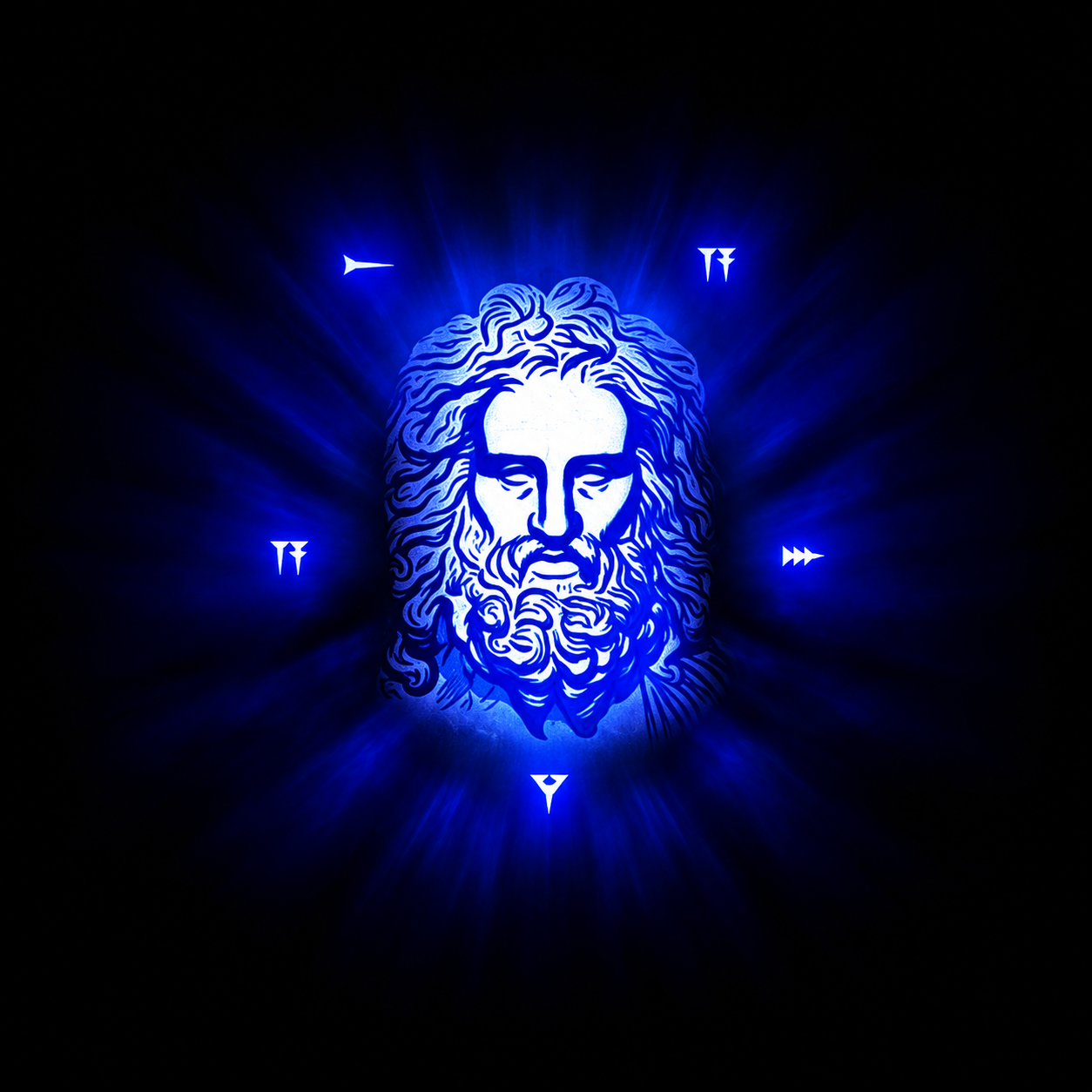
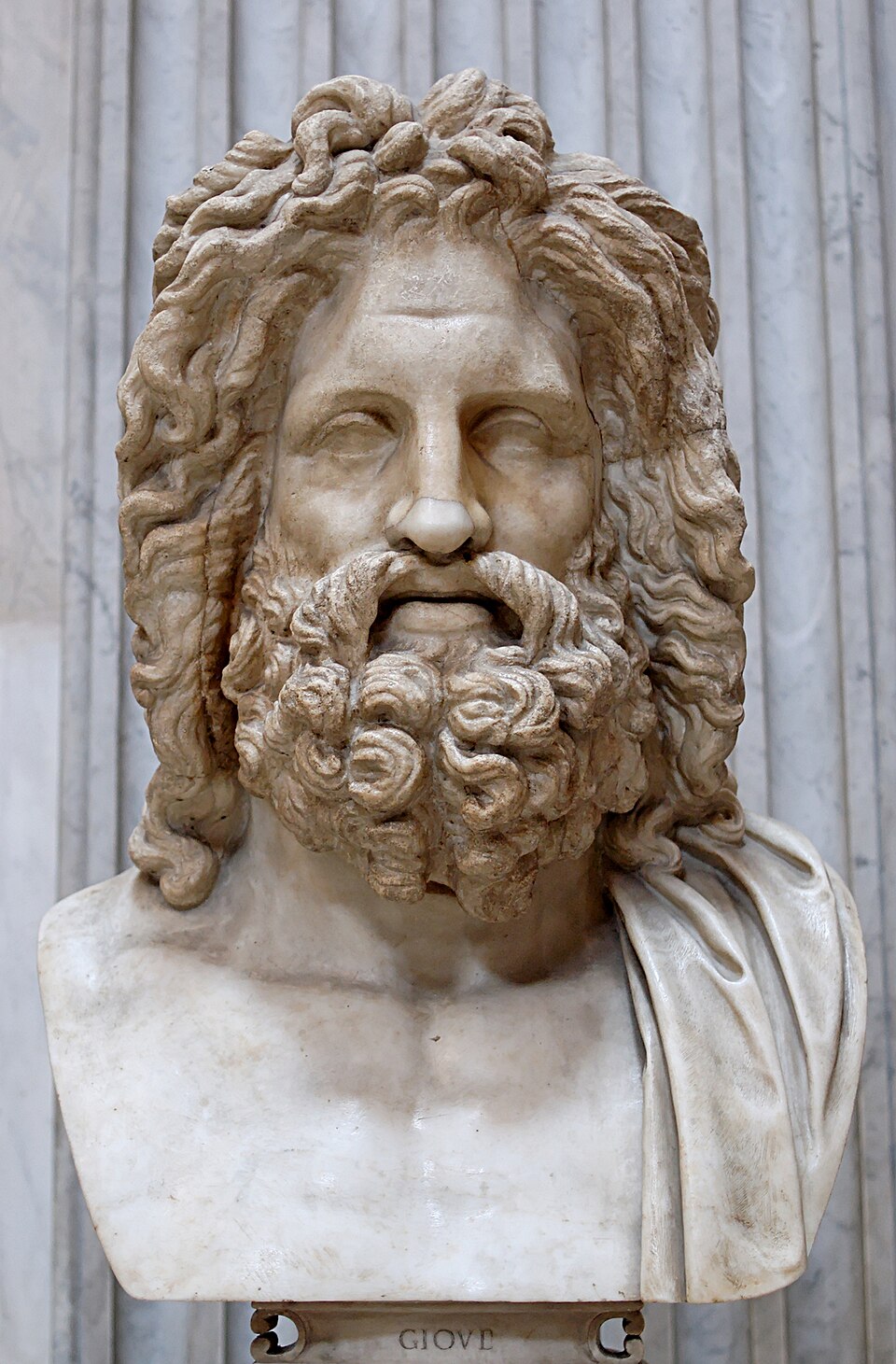
author: Temple of Zeus
In the context of the Abrahamic programs that seek to deceive and misguide humanity, this supreme and ultimate being was slandered with many titles and names: "Satan," "Beelzebul," "Lucifer," and "Devil" and was forcibly displaced into the role of an "evil antagonist" so that humanity would be terrified of joining the Ancient Gods and remain deceived.
None of the names they have used for our Head God are coincidental. Their own scriptures show whom they meant.
Find out more below:
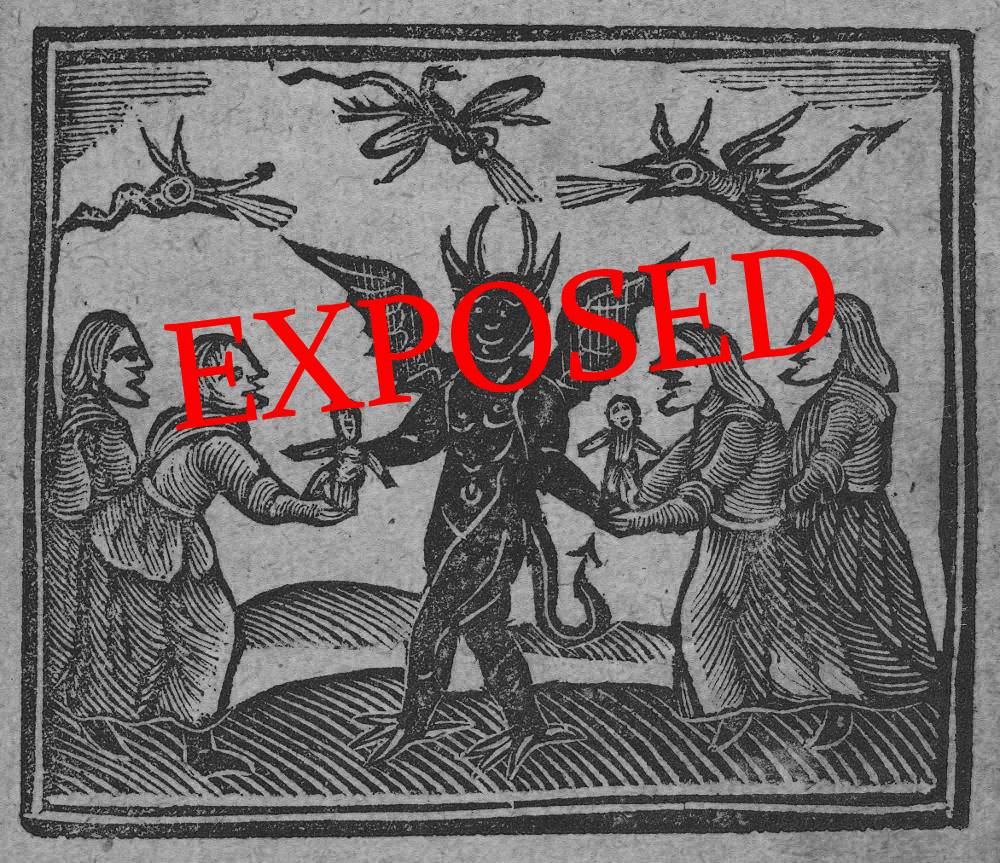
Consequently, the Yehuborim make their attacks against the Head God and the Truth readily visible in their own writings and literary abominations.
In the works of the Yehuborim, they name the place themselves: Pergamum is "where Satan's seat is" (Revelation 2:13, King James Version; in the Greek, ὁ θρόνος τοῦ Σατανᾶ, "the throne of Satan").1
"I know thy works, and where thou dwellest, even where Satan's seat is: and thou holdest fast my name, and hast not denied my faith, even in those days wherein Antipas was my faithful martyr, who was slain among you, where Satan dwelleth."
What stood at Pergamum was the Great Altar of Zeus. King Eumenes II raised it on the acropolis in the second century BCE, beside the sanctuaries of Zeus and Athena, and its dedication, as the excavators restored it, reads "to Zeus and Athena Nikephoros"; on its eastern side Zeus and Athena stand foremost among the Gods in the battle against the Giants.2 It was a wonder of the world: the Roman writer Ampelius, in his chapter on the wonders, set it down as "Pergamo ara marmorea magna, alta pedes quadraginta cum maximis sculpturis; continet autem gigantomachiam", a great marble altar at Pergamum, forty feet high, with very large sculptures of the battle of the Giants.3 Pausanias names the altar at Pergamus beside the altar of Olympian Zeus, both built from the ash of victims sacrificed to Zeus.4 Its surviving part now stands in the Pergamon Museum in Berlin.5
The throne John names is this altar. Scholars of the New Testament have long identified the two, and Adela Yarbro Collins, weighing the excavations against the text, finds that the evidence "points to the same candidate: the Great Altar of Pergamon".2 The throne of their Satan is the altar of Zeus.
Their other name for him leads to the same God. In the Gospel, the Pharisees say that Jesus casts out devils "by Beelzebub the prince of the devils", and Jesus answers, "if Satan cast out Satan, he is divided against himself" (Matthew 12:24–26): in their own book, Beelzebul and Satan are one.6 Beelzebul is a form of Baal-zebub, "the god of Ekron" (2 Kings 1:2), and the older form has been read as Baal Zebul, "Baal of the heavenly mansion".7 Baal, the Lord of Heaven of the Phoenicians, is Zeus by their own account: Philo of Byblos records that they called the lord of heaven "Beelsamen, which is in the Phoenician language 'lord of heaven,' and in Greek 'Zeus.'"8
Their own books name the God they slander. The throne they call Satan's is the altar of Zeus at Pergamum, and the prince of devils they call Beelzebul bears the name of Baal, the Lord of Heaven, whom the Greeks called Zeus. Who they call "Satan" is Zeus.
The reason for this demonization was an unsuccessful attempt to censor and pervert the truth, to bury the Ancient Gods under the ruins of lies, and to dissuade people from seeking the Truth by instilling fear-based associations.
Therefore, as one studies and understands the core truth, there is no going back.
We, in the Temple of Zeus, do indeed believe in Zeus, the Ancient and Original God, whom the Yehuborim called "evil" and demonized under the name of Satan.
The All-Father, regardless of how anyone might seek to call Him, whether as a deceived foe or enlightened follower, is always the same underlying true God of the Universe, never to be moved, changed, or replaced. Cultural definitions of His enemies do not matter; only the Truth does.
He is eternally present, holding the power of the entire universe in His hands. It is up to us to approach the Ancient Gods in order to elevate ourselves to a higher level of spirituality, wisdom, and power.
We define ourselves clearly and proudly as followers of the Supreme Being.
As far as we are concerned, we believe in, revere, and emulate the All-Father Zeus and the Ancient Gods.
Studying the links below will fully clarify our beliefs and show you the Truth, so that you can embark on the journey of reconnecting with the Ancient Gods and achieving the Godhead, the Original Goal of Mankind.
The Gods Made into Monsters
The inversion did not stop at a few names. It became a rule of the Abrahamic scriptures themselves. Where the Hebrew psalm calls the gods of the nations idols, its Greek translation says: "all the gods of the nations are demons" (Psalm 95:5 in the Septuagint; in the Latin Vulgate, "omnes dii gentium daemonia").9 Paul taught that what the nations sacrifice, "they sacrifice to devils, and not to God" (1 Corinthians 10:20).10 Justin Martyr said of the Gods of the Greeks, "not knowing that these were demons, they called them gods", and Augustine held that "the gods of the nations are most impure demons".11
In the Middle Ages and the centuries after, the rule filled whole catalogues of demons. The best known is the Goetia, the first book of the Lesser Key of Solomon, copied in the seventeenth century, whose seventy-two spirits come down, with Johann Weyer's Pseudomonarchia Daemonum of 1577, from older lists.12 Among them stand the Gods, heroes and sacred beings of the ancient world, each given a monstrous shape:
- Forneus, "a great sea Monster" in the Goetia. In our reading he is Phoroneus, son of the river Inachus and first king of Argos, whom the Greeks remembered as the first man and the bringer of fire; the oldest list of these spirits, written in 1494, gives his name as Fronone.13
- Bael, first of the seventy-two, a king of the East shown as a cat, a toad or a man: several manuscripts write his name Baal, the Lord of the Canaanites and Phoenicians.14
- Astaroth, a duke riding an infernal dragon: Astarte, the great Goddess of Sidon, the "Ashtoreth the goddess of the Zidonians" of 1 Kings 11:5, made male and made a demon. In 1584 Reginald Scot still knew the name as "a shee idoll at Sydonia, whom Salomon worshipped".15
- Berith, a duke in red on a red horse, crowned with gold: Baal-Berith, "the God of the Covenant", whose temple stood at Shechem (Judges 8:33; 9:46). Weyer himself writes that the Jews call him Berith.16
- Naberius, a black crow that teaches rhetoric: Weyer names him "Naberus, alias Cerberus", and an older French list simply Cerbere, the hound of Hades.17
- Phenex, a marquis who appears "like ye Bird Phoenix": the sacred bird of Heliopolis, which Herodotus heard of in Egypt.18
- Amon, a marquis shown as a wolf with a serpent's tail: in our reading Amun, the God of Thebes, for, as Herodotus writes, "the Egyptians call Zeus Amon".19
We reject this blasphemy against the Gods and this inversion.
Each God and divine hero whose name the grimoires slandered is traced through the sources in The Inversion Archive.
Sources
- Revelation 2:12–13, King James Version; the Greek reads ὅπου ὁ θρόνος τοῦ Σατανᾶ, "where the throne of Satan is". https://ebible.org/eng-kjv2006/REV02.htm
- Adela Yarbro Collins, "Satan's Throne: Revelations from Revelation," Biblical Archaeology Review 32.3 (May/June 2006): the Great Altar, its dedication to Zeus and Athena Nikephoros, its frieze, and its identification with the "throne of Satan". https://www.baslibrary.org/biblical-archaeology-review/32/3/7
- Lucius Ampelius, Liber Memorialis 8.14 (chapter VIII, "Miracula Mundi"). LacusCurtius
- Pausanias, Description of Greece 5.13.8, trans. W. H. S. Jones (Loeb Classical Library, 1918). Perseus
- "Pergamum", Encyclopaedia Britannica: the great altar of Zeus, part of which stands in the Pergamon Museum in Berlin. https://www.britannica.com/place/Pergamum
- Matthew 12:24–26, King James Version. https://ebible.org/eng-kjv2006/MAT12.htm
- Kaufmann Kohler, "Beelzebub or Beelzebul," The Jewish Encyclopedia (1906); 2 Kings 1:2, King James Version. https://www.jewishencyclopedia.com/articles/2732-beelzebub
- Philo of Byblos, in Eusebius, Preparation for the Gospel 1.10, trans. E. H. Gifford (1903). https://www.tertullian.org/fathers/eusebius_pe_01_book1.htm
- The Septuagint, Psalm 95:5, "ὅτι πάντες οἱ θεοὶ τῶν ἐθνῶν δαιμόνια"; the Vulgate, "quoniam omnes dii gentium daemonia"; the King James Version, Psalm 96:5, "For all the gods of the nations are idols". https://ebible.org/grcbrent/PSA095.htm
- 1 Corinthians 10:20, King James Version. https://ebible.org/eng-kjv2006/1CO10.htm
- Justin Martyr, First Apology 5, trans. M. Dods and G. Reith (Ante-Nicene Fathers, vol. 1); Augustine, The City of God 7.33, trans. M. Dods. https://www.newadvent.org/fathers/0126.htm; https://www.newadvent.org/fathers/120107.htm
- The Goetia (Lemegeton, Sloane MS 3825) and Johann Weyer, Pseudomonarchia Daemonum (1577), ed. Joseph H. Peterson; Jean-Patrice Boudet, "Les who's who démonologiques de la Renaissance et leurs ancêtres médiévaux", Médiévales 44 (2003), pp. 117–140. https://www.esotericarchives.com/solomon/goetia.htm; https://www.esotericarchives.com/solomon/weyer.htm
- Forneus: the Goetia, spirit 30; Boudet 2003 (the Florence list of 1494, "Fameis vel Fronone"). Phoroneus: Pausanias 2.15.5 and 2.19.5; Apollodorus, Library 2.1.1; Plato, Timaeus 22a; Hyginus, Fabulae 143. Pausanias 2.15.5 (Perseus)
- Bael: the Goetia, spirit 1; Peterson's concordance of the manuscripts, where several write "Baal"; "Ba'al and Ba'al-Worship", The Jewish Encyclopedia (1906).
- Astaroth: the Goetia, spirit 29; 1 Kings 11:5, King James Version; Reginald Scot, The Discoverie of Witchcraft (1584), "A Discourse upon Divels and Spirits", ch. 19.
- Berith: the Goetia, spirit 28; Weyer, §27 ("a Iudaeis Berith"); Judges 8:33 and 9:46, King James Version; "Baal-berith", The Jewish Encyclopedia (1906).
- Naberius: the Goetia, spirit 24; Weyer, §17 ("Naberus, alias Cerberus"); Boudet 2003 (the Livre des esperitz, "Cerbere").
- Phenex: the Goetia, spirit 37; Herodotus 2.73, trans. A. D. Godley (1920).
- Amon: the Goetia, spirit 7; Herodotus 2.42, trans. A. D. Godley (1920). Herodotus 2.42 (Perseus)