




| Language / Culture | Name of Hera | Attestation |
|---|---|---|
| Mycenaean Greek | e-ra (𐀁𐀨) | Linear B tablets (c. 1200 BCE) |
| Epic/Ionic Greek | Ἥρη (Here/Heri) | Homer, Hesiod, inscriptions (8th century BCE onward) |
| Classical Greek | Ἦρα (Hera) | Sappho (6th century BCE onward) |
36 min read
HERA
author: High Priest Zevios Metathronos
author: Karnonnos
Hieratic Information about Hera
| Divine Names | |
|---|---|
| |
| These hieratic names carry strong spiritual resonance and are recommended for summoning and invocation practices. | |
| Divine Symbols | |
| |
| Divine Numbers and Attributes | |
| Sacred Numbers | 40, 50, 60 |
| Runes | Thurisaz, Tiwaz, Sowilo (in order of importance) |
| Zodiac Sign of Power | Aries |
| Sacred Animals | The Great Eagle, the Bull, the Hawk, the Serpent |
| Element | Fire, Aether |
| Divine Forces | |
| |
| Important Titles | |
| |
| Names Across Civilizations | |
| Greek | Hera (Ἦρα) |
I. The Primordial Name of the Palace Goddess
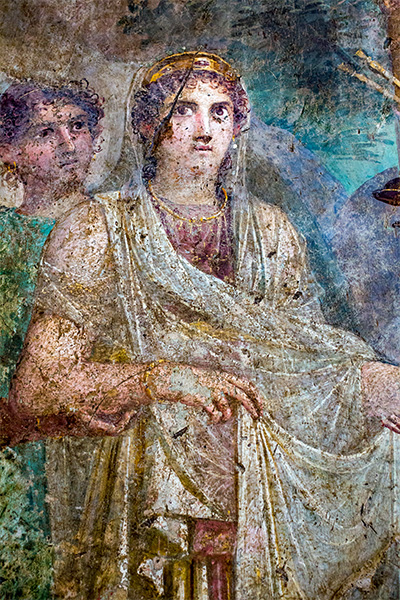
The name of Hera in Ancient Greek is very old, stretching back to the Mycenean age very securely. Even there she is invoked with formulas alongside Zeus in Linear B texts as 𐀁𐀨 (era). It is speculated by historians that Hera was the great palace goddess of Mycenae, and classical accounts in the annals of Antiquity actually do attest to this as well.1,2,3
All of Hera's origins tie her to supremely old, arcane parts of Greece, from Tiryns to Argos to Samos to Pylos to the ancient Knossos of Crete, the site of the palaces and fortresses that gave birth to the civilization. Herodotus, a Greek historian, said that Hera was one of the most truly native deities of Greece.4,5,6
Nonetheless, historians have linked her with Proto-Indo-European elements predating all these languages. John Chadwick believed her name is related to ἥρως (heros, or hero).7
Ancient authors had their own etymological ideas. Plato has Socrates claim that her name is linked to ἐρατή, beloved. Plutarch, supported by scholia and other statements retrieved from Antiquity, as well as Hera's cult titles, claimed her name comes from ἀήρ ('air'). Modern linguists tend to doubt the veracity of these explanations but on an occult level they can be understood.8,9,10
Her first attested appearance in Classical Greek is in the Iliad, as Ἥρη (Here) in the Ionic dialect of Homer, and it is conventional in Greek contexts to use the Eta vowel at the end up until the fourth century BCE; Ionic always does. Sappho and some objects dated to her time in the sixth century BCE begin the convention of Ἦρα with alpha at the end in recorded history.11,12
Sources: Duev, “Di-wi-ja and E-ra in the Linear B Texts” (2012); Raymoure, “The Linear B Word e-ra” (accessed 2026); Homer, Iliad (1999); Sappho, Fragment 17 (1982).1,2,11,12
II. Hera in the Hellenic World
The Homeric Hera
In Homer's Iliad, Hera is presented as the wife of Zeus. She acts through Achilles to rouse the Achaeans, her ancient people, as Apollo had decimated their camp with a plague. The original reason for her concern of them is given as pity, rather than the golden apple episode only hinted at later in the story.11
"I am likewise a god, and my race is even what yours is, and I am the first of the daughters of devious-devising Kronos."
Homer, Iliad 4.58–59
Hera is unhappy with the contentions of Zeus to support the Trojans; she wants Troy destroyed. She enlists the support of the goddess Athena, and soon takes the form of Stentor among the Achaeans to rouse them to battle with shouts, assisting Athena in spearing Ares, showing her intense level of power. The above passage shows her objection, one that Zeus uniquely listens to.In Book 8, Zeus forbids the other gods to render assistance, leaving the Trojans with an advantage.11
The bride of Zeus comes up with a plan to support her people; she retrieves a divine girdle from her rival Aphrodite that can inflame anyone with lust under a false pretext, using it to lull Zeus unconscious. An enraged Zeus wakes, and Hera lies that Poseidon acted on his own initiative. After this, she supports the Achaeans more cautiously. In Book 21, when Zeus orders the Theomachy, Hera is the leader of the Achaean side, with none of the other gods able to assail her; she insults Apollo and beats Artemis with her own bow.
She objects to the burial of Hector as Achilles drags his corpse by chariot, claiming he is not of divine lineage. And here Hera reveals one reason for despising Troy. Alexander the Trojan had 'insulted the goddesses' and chosen 'the one who gave him ruinous lust', meaning he accepted Aphrodite's proposal. Later myths make Eris the cause of discord; insulted at not being invited to the divine banquet, she throws a golden apple with 'the most beautiful' inscribed on it before the three goddesses, who squabble and bring this contention to Zeus; Zeus instead puts the judgement on Paris (Alexander), who invariably chooses Aphrodite for her offer of the most beautiful woman on earth instead of the orderly kingship and empires promised by Hera.13,14,15
"I sing of golden-throned Hera whom Rhea bare. Queen of the immortals is she, surpassing all in beauty: she is the sister and the wife of loud-thundering Zeus, the glorious one whom all the blessed throughout high Olympus reverence and honour even as Zeus who delights in thunder."
Homeric Hymn 12, To Hera (trans. Evelyn-White)
The Homeric hymns render Hera celestial and regal, supporting her claim of being the most beautiful. She is also shown as a distinctly feminine force of the cosmos that commands equal reverence, in that she is able to temporarily control Zeus, ends the battlefield slaughter of Ares and rejects the judgment of Paris made from lust to the point of being able to enlist half the Gods on her side. The point is made clear: Hera despises simple-minded drives. It is only Zeus himself who is able to thwart her powers.16
The Hesiodic Hera
In Hesiod's Theogony (c. 700 BCE), Hera, the third of Kronos and Rhea's children, assists her husband in battle for over ten years to liberate the gods from Kronos' influence, although Homer alleges that she was raised by Oceanus and Tethys. Hesiod shows the division of powers and spheres given by Zeus. Hera is his final and seventh wife.8,17
This is allegorical. Her placement as the most important seventh wife after an array of natural forces and concepts that Zeus wed before shows her unique power as a force of the universe, orderly and supreme. Seven corresponds to the numerology of marriage and consequence, as shown in the sign Libra. Their union balances the scales. Hera is the third to be born and yet she is the seventh wife.
"Lastly, he made Hera his blooming wife; and she was joined in love with the king of gods and men, and brought forth Hebe and Ares and Eileithyia."
Hesiod, Theogony 921–923 (trans. Evelyn-White, adapted)
The Orphic Hera
Hera is considered the 'queen of all' in the Orphic hymns, the mother of all life and all generating, birthing things. She is considered the pervasive air, the ultimate sovereign. The Orphic hymns accord to her a rather grand status:18
Seated in the dark-blue hollows, air-formed one,
Hera, queen of all, blessed bedfellow of Zeus,
providing gentle, soul-nourishing breezes for mortals;
mother of rains, nurse of winds, source of all generation.
For without you, nothing at all has known the nature of life;
for you share in all things, mingled with the holy air.
For you alone have power over all, and you rule over all things,
shaken along the stream by airy rushing sounds.
But, blessed goddess, many-named, queen of all,
Come graciously, with a beautiful, rejoicing face.
Orphic Hymn to Hera 401a (own translation)
The statement is clear and emphatic: Hera stands beside Zeus, the harnessed force of generation and birthing all things. She is the source of life itself who ecks out every aspect of Zeus' reason and divine mind.
III. The Epithets of Hera
The amount of epithets Hera has is likely only secondary to Zeus. The relative conservative level of her cult makes this quite notable.
| Epithet | Meaning | Domain |
|---|---|---|
| Hera Gamelia (Ἥρα Γαμηλία) | Hera of Marriage | Union, order |
| Hera Panbasileia (Ἥρα Παμβασίλεια) | Hera the Queen of All | Universal power |
| Hera Anassa (Ἥρα Ἄνασσα) | Hera the Queen | Royal authority, divine majesty |
| Hera Argeia (Ἥρα Ἀργεία) | Hera of Argos | Ancient worship site |
| Hera Teleia (Ἥρα Τελεία) | Hera the Perfected (Adult) | Perfection of development |
| Hera Zygia (Ἥρα Ζυγία) | Hera of the Yoke | Marriage-bond, conjugal union |
| Hera Nympheuomenê (Ἥρα Νυμφευομένη) | Hera the Bride | Bridal transition |
| Hera Akraia (Ἥρα Ἀκραία) | Hera of the Height | Magnum Opus, exalted sanctuary |
| Hera Hypercheiria (Ἥρα Ὑπερχειρία) | Hera Whose Hand is Above | Orderly power, punishment |
| Hera Aigophagos (Ἥρα Αἰγοφάγος) | Hera Goat-Eater | Local rite |
| Hera Boôpis (Ἥρα Βοῶπις) | Hera the Ox-Eyed | Intuition, bovine symbolism |
| Hera Antheia (Ἥρα Ἄνθεια ) | Hera the Flowery | Natural power, blooming |
| Hera Leukôlenos (Ἥρα Λευκώλενος) | Hera the White-Armed | Radiance, beauty, divine nobility |
| Hera Chrysothronos (Ἥρα Χρυσόθρονος) | Hera of the Golden Throne | Royal enthronement, sovereignty |
| Hêrê Presba Thea (Ἥρη Πρέσβα Θεά) | Hera the Elder Goddess | Primacy, senior divine rank |
| Hera Makaira (Ἥρα Μάκαιρα) | Hera the Blessed | Divine blessedness, immortality |
| Hera Deias (Ἥρα Δηίας) | Hera the Destroyer | Punishment, Twelve Labors |
| Hera Mêtêr Ombrôn (Ἥρα Μήτηρ Ὄμβρων) | Hera Mother of Rains | Weather, fertility of the sky |
| Hera Anemôn Trophos (Ἥρα Ἀνέμων Τροφός) | Hera Nurse of the Winds | Winds, atmospheric power |
Sources: Homer, Iliad (1999); Pausanias, Description of Greece (1918–1935); Hesychius, Lexicon (1858–1868); Athanassakis and Wolkow, Orphic Hymns (2013); Tzetzes, Ad Lycophronem (1881).11,19,20,21,22
IV. The Temples and Sacred Sites of Hera
Argos
The province of Argolis hosted her most ancient myths, and it is in this vicinity that Hera's arcane character was expressed the most. She claimed that Argos, along with Sparta and Mycenae was the area closest and dearest to her. Pausanias labeled the Heraeion of Argos the great sacred center of the area with a very old cult image. He says that Phoroneus, one of the earliest culture-heroes of Argos, was believed to have first sacrificed to Hera, and he records that the old wooden image of the goddess had been brought from Tiryns after the Argives destroyed that city. In the end, the transmission of all ancient myth from Mycenae was contained in the temple walls. The palace goddess endured across eras, across time.11,19
The classical temple known to Pausanias replaced an older Heraion that had burned down in the late fifth century BCE. Thucydides gives the famous account: the priestess Chrysis placed a burning lamp near garlands, fell asleep, and the whole temple was consumed by fire; she then fled to Phlius, while the Argives appointed a new priestess. Pausanias says the later temple was built by Eupolemos of Argos and describes its sculptural splendor: above the columns were carved scenes including the birth of Zeus, the battle of gods and giants, the Trojan War, and the capture of Troy. Strabo called the images the most beautiful in the world. Inside stood the chryselephantine Hera of Polykleitos, seated on a throne. This statue was considered a sight to behold:3,23
"The statue of Hera is seated on a throne; it is huge, made of gold and ivory, and is a work of Polycleitus. She is wearing a crown with Graces and Seasons worked upon it, and in one hand she carries a pomegranate and in the other a sceptre. About the pomegranate I must say nothing, for its story is somewhat of a holy mystery. The presence of a cuckoo seated on the sceptre they explain by the story that when Zeus was in love with Hera in her maidenhood he changed himself into this bird, and she caught it to be her pet."
Pausanias, Description of Greece 2.17.4–2
Sparta
As stated, Hera noted her approval of Sparta in her own myth, and the ancients felt that Spartan culture possessed a kind of resonance. Sparta belonged to the old southern Peloponnesian zone where Hera had special honor. It was said that one of the princesses of Sparta, Eurydice, daughter of Lacaedaemon, founded the cult of Hera Argeia in the region. The more protective form of Hypercheiria related to floods and natural disasters was also related to her protective aegis over Sparta.19,24
The reason Sparta is so sacred is because of its orderliness: the evidence also fit Hera’s wider Peloponnesian profile as a goddess of sovereignty, marriage, order and regional legitimacy rather than simply domesticity and higher culture. Women enjoyed particular rights in Sparta, though these rights also came with grave responsibilities.3,25
Paestum
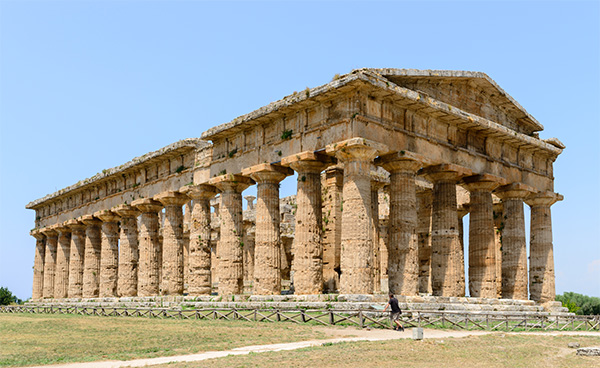
Paestum, a wealthy city state of the Greeks situated in modern southern Italy, gives us the most impressive and beautiful surviving temple to Hera in existence, the second temple of Hera. The embellishments of the temple were originally richly colored. Architecturally, Hera II is a marvel because it was built in 460BCE and preserves not only all 36 external columns, but also much of the architrave, frieze, pediments, and a complex internal arrangement. René Seindal gives its dimensions as about 60 × 25 m and calls it one of the best-preserved Greek temples in the world.
Its engineering is more refined and classical than the first Hera temple, using sophisticated techniques that gave off an impression of grandiosity. The stylobate curves slightly upward rather than lying perfectly flat. This curve helped counter the visual illusion that a long horizontal line was sagging, while the exterior columns also incline slightly inward; the inward inclination corrected the visual impression that vertical columns spread outward. The temple was long misattributed as being dedicated to Poseidon. Tourists still flock to see this site due to its ornate beauty.26,27,28,29
The first great temple of Hera, sometimes named the Basilica, had a few archaic features possibly derived from Cretan norms. The architectural dimensions of the temple were as 24.51 × 54.27 m as a pseudodipteral Doric temple with 9 by 18 columns. It was built from 560 BCE and completed around 520 BCE. The presence of the Greek gods in Italy was a very longstanding presence; Hera was no exception.27,30
Perachora
A very ancient temple of Hera Akraia built in the ninth century BCE existed at Perachora, near Corinth. It was situated near the Bouliagmeni lagoon. The first archaic temple was apsidal in structure. In the sixth century BCE, a small Doric temple of Hera Akraia was built, roughly 10 by 31 metres, with an unusual internal arrangement divided into three aisles; nearby were an altar, court, cistern, dining areas, and later stoas, so the whole sanctuary functioned as a ritual complex rather than as one isolated temple. Her cult in Perachora, a major harbor of commercial note, may have had maritime overtones. Euripides has Medea say that she will bury her dead children in the Corinthian sanctuary of Hera Akraia, showing the site's gravity, associations with death.31,32,33,34,35
Samos
The great goddess possessed Heraions at Samos, one dating from the archaic period (800BCE) and a more well known one from later on. Its setting was part of its sacred identity. The Samian ancient tradition placed Hera’s birth there, beneath the lygos or chaste-tree, and the sanctuary remained tied to that local tree-myth and to rites of washing and binding the goddess’ image.
Later, in the sixth century BCE, Samos produced one of the most ambitious Ionic temple programmes in Greece: the Rhoikos temple, followed after its destruction by the still larger Polykratean temple. Herodotus famously counted the Samian Heraion among the great works of Samos and called its temple the largest known to him. The temple was a marvel of engineering in its own time, influencing later designs. At the site, kouroi, pomegranates, poppy pods and an array of luxury objects show the relation to Hera quite well. The site attested to Samos' great abundance during the period branching into the Classical era.37,38
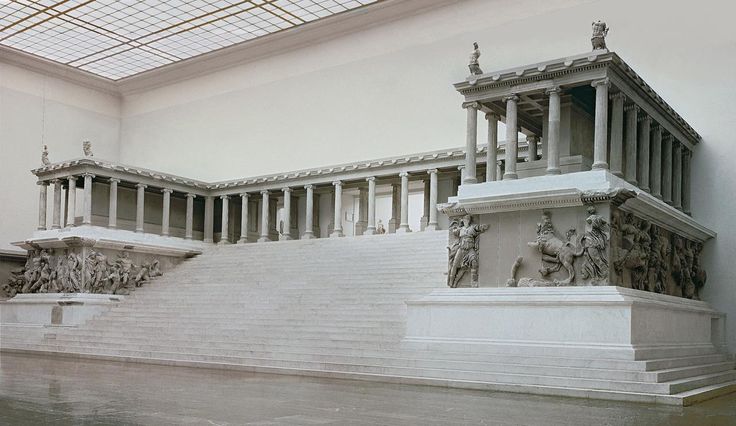
The Pergamon Altar of Zeus, now in Berlin. Revelation 2:13 calls this site "the place where Satan's throne is."
Olympia
The temple of Hera at Olympia was one of the oldest and most venerated in Greece. It was originally a joint temple to her and Zeus, but became a sole preserve of the goddess. The temple measures 61 by 164 ft (19 by 50 m) at the temple platform's level. Pausanias called it a marvel, but felt the works inside it were arcane and sometimes crude. The temple's relevance reaches into modern times; beyond the temple at its eastern side is the Altar of Hera, where the Olympic flame has been lit since 1936 using a parabolic mirror to concentrate the rays of the sun.19,39,40,41
Other Major Sites
Hera's cult extended throughout Greece, but it had major regional variations where the goddess was more or less popular. Her one temple outside Athens had neither doors, nor a roof, but the image inside it remained undamaged during the Persian wars. Her biggest associations are with the most ancient areas of the country. Mycenae is postulated to have had a small sanctuary to Hera at the peak but this has not been confirmed. Her cult was also popular in Magna Graecia, the Greek cities of modern day Italy. Pergamon had a sanctuary and temple of Hera Basileia, “Hera the Queen.” It lay north of the upper terrace of the gymnasium; the temple stood on the upper terrace, faced south, and had an architrave inscription identifying it as the temple of Hera Basileia and saying it was erected by Attalus II.19,42,43,44
V. The Hieros Gamos: The Marriage
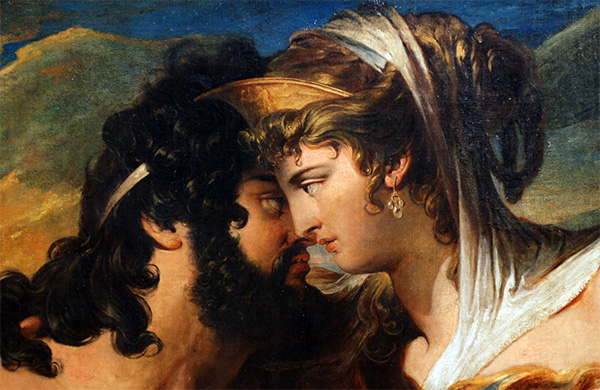
The hieros gamos of Zeus and Hera meant more to Greeks than a mythic wedding-scene, because it ultimately meant the wedding of heaven and earth, the interplay between masculine and feminine forces. The Iliad suggests the divine couple eloped before marriage; the marriage is not about hard-set sexual moral codes per se as in the Abrahamic religions, but about the foundation of marriage as something that requires both familiarity and fighting for, particularly if made up of oppositional forces.11
The erotic side of the union is most vivid in the Iliad, where Hera seduces Zeus on Mount Ida. Homer describes their secret joining in language of sudden natural fertility: the earth beneath them puts forth fresh grass, dewy lotus, crocus, and hyacinth, while a golden cloud covers them. The marriage may be tempestous but it is not meant to be joyless. This imagery may be connected to the lotus on Hera's scepter.11
Although the point of Zeus' many entanglements is allegorical, part of the myth was meant to explain an element of maturity and responsibility in marriage overriding problems, temporary issues. At Plataea, Pausanias recorded the Daidala, a festival explaining how Hera, angry with Zeus, withdrew to Euboea. Zeus, advised by Kithairon, staged a false wedding to Plataia by carrying a dressed wooden image in a wagon; Hera rushed to confront the bride, discovered the trick, and was reconciled to him. The statement is clear: marriage is not perfect, the myth does not represent it as perfect like the sterile examples of Yehubor, even at the highest levels marriage requires a level of compromise that must be worked out day by day.19
The union of the marriage of Zeus and Hera is a known aspect of Greek public life. Brides had to offer things to Hera to ensure a good marriage was incumbent upon them, Although Aphrodite presided over marriage itself, people in marriage made their first marriage sacrifices to Zeus Teleios and Hera Teleia, showing their full ascent to adult roles with privileges reaching their fullest extent. In Plutarch’s Advice to Bride and Groom, he recommends that both partners must act like adults, refusing the temptation to argue as an affront to Hera Gamelia, for whom sacrifices of food could have the gall removed to signify the absence of rage.45,46
VI. The Aer of Hera
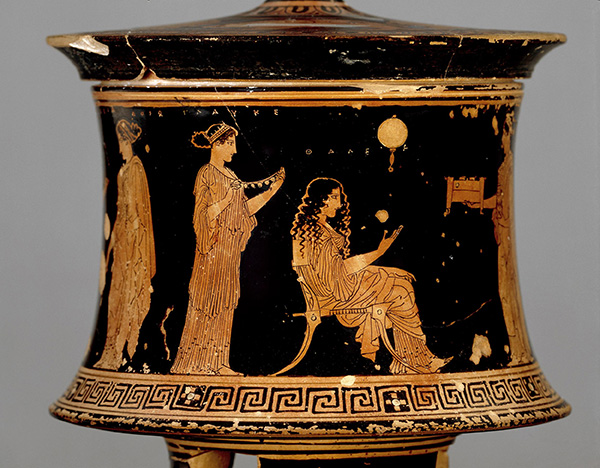
Hera's association with the air is persistent. Socrates compares her to ἀήρ. The Orphic Hymns characterize her as penetrating air. Plutarch, as explained, allegorizes her name as meaning the all pervasive air. A Scholia on the Iliad compares her to the air around the earth, and Artemis to the Moon. The Stoic author Cornutus compares her air to Zeus' fire.9,21,46,47
Elementally speaking, the air speaks to cosmic harmony and formations of groups, characteristics, the intellectual principle that allows for discrimination and discernment. The Iliad has Hera state numerous times the proper way to do things, like when she claims Hector does not deserve a divine burial. Her powerful and craft-filled mind is another aspect of the airy symbolism, such as when she directs Hephaestus to destroy the river god Scamander in an inventive and novel way.
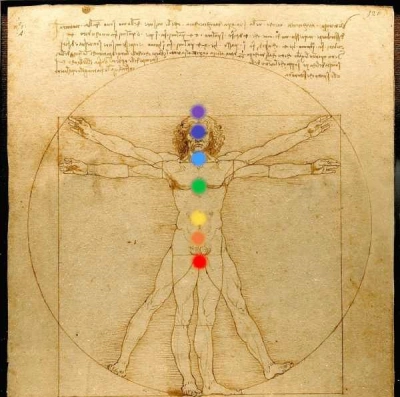
Naturally, this has an occult element tied to it. The air binds heaven and earth. The air is finest lower accompaniment of the aether that Zeus rules, a deviation below the aether; it is not a pure element but a combination of the elements of water and fire, which together produce vapor. Hera is connected to the level of existence above the airy Middle Chakra and the domains of reality that pertain to this. Above all, she represents the powers of creation that exist beyond rudimentary reproduction, the creative side of the human mind that separates it from the animals and lower orders. Most of all, life itself is in the airy breath for humans. A lack of finely balanced elements in air can be deadly, and no human can survive without the ability to breathe. The system of breathwork at the Temple of Zeus is also timely, rigid, even mathematical.
VII. The Animal Symbols of Hera
Hera's symbolism since the Iliad relates to the cow. She is persistently called 'cow-eyed' (boopis), bringing to mind the sweet and melancholic eyes of the cow. The great Argive cult was tied to cattle, procession, and the plain’s old wealth. Herodotus’ story of Kleobis and Biton has the priestess of Hera needing to be taken by ox-cart to Hera’s festival. When the oxen are late, her sons pull the cart themselves to the sanctuary, showing the enmeshment of bovine symbolism into human life as symbolic. Her fertile symbolism was also bovine; the strength of Hercules' bite when nursing him was said to have made the Milky Way itself spurt from Hera's breast as an accident.11,38,44
The great goddess was tied to the cuckoo because this was the bird Zeus sent to her to gratify her in their courtship. The cuckoo is a mentally agile and parasitic bird that acts with great precision and depth. Although it is often dismissed as a parasite, its ability to adapt to ensure its offsprings survival is a marvel of the natural world. It forces other animals of a similar nature to constantly feed its existence. The cuckoo is also an advanced communicator.50
Hera was also represented by the peacock. The pea-fowl is a bird with strong levels of sexual dimorphism; the female peahens look nothing like peacocks. Much like Zeus' courtship of Hera, The birds engage in elaborate rituals to mate based on technical performance. The peacock is referenced in the myth of Argus Panoptes and Io, where the former is the faithful servant of the goddess. His death through the wiles of Hermes leads Hera to immortalize him as the eyes on the gallant tail of the peacock. These eyes also represent her own all-seeing eyes that are a subset of her powers. As the most regal of all birds, naturally the animal is a proper shorthand for Hera.
VIII. Masculine and Feminine Forces
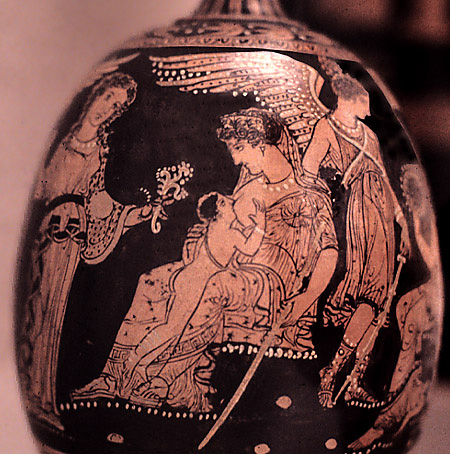
In addition to the tumult of marriage, the interplay between Zeus and Hera also speaks to a basic facet of reality, the balance of positive and negative, electrical and magnetic forces, otherwise known as the masculine and the feminine. This is present even in the Iliad: Hera is able to subvert or nullify an assortment of masculine powers through her 'crafty' mind and her powerful gaze. Her reactive force shapes events; her anger results from Paris' superficial desire to have the most beautiful woman, Helen, which sets the entire tragic saga into motion. It is from this one misalignment that the judgement of Hera falls upon the Trojans.
Although the intentions of authors differed, at the highest level the interplay of Zeus and Hera in myth is not meant to be a moronic display of nagging, tit-for-tat cruelty and tempestous fighting in marriage. It relates on many levels to the basic and core nature of masculine and feminine forces through a succession of signs and symbolic acts. Even children commonly display these differences. Girls typically take a more reserved, cautious approach, while boys often tend to throw warnings to the wind. These patterns are deeply written into reality: into humans, into animals, into elemental forces and occult processes largely unknown in the electric and magnetic forces.
Evocation of this in literature is symbolic. And Hera does not just occupy a role as an inert force for being feminine, she occupies what can be called a magnetic one. Her schemes, prerogatives, assurances, statements, approvals are the logistical engine for mythological advancement; if Helen sits on one polarity of the Iliad by provoking the war, Hera occupies the role of the stage director. Hera does not need to use fists, swords, spears, she does even not wield a thunderbolt like Zeus, she assails others with their own arms instead of using her own weapon; she simply uses her voice, and even moreso her eyes. Her weapon is the power to persuade and disapprove. In later collections of mythology, nowhere is this more obvious than in the story of Hercules.11
IX. Hera and the Labors
Hera is described in the myths as being enraged at a number of different children of Zeus, and the majority of these poetic mechanisms are meant to convey the gauntlet she sets down for particular mortals in achieving immortality and great persistence as beings, rather than just being evocative of some superficial cruelty that the veil would suggest. In this sense, she is representative of time and its processes in itself.
Her central place in the Herculean myth is not mistaken. She plans for the feeble Eurystheus to undermine his cousin, arranges for Hercules to fight an array of monsters, sends some of her own like the crab, and ultimately indirectly leads to Hercules burning away all that is mortal. In the end, Hercules sometimes becomes a friend to her; he becomes the 'glory of Hera' by navigating the restrictions she creates, explaining exactly why their names are interlinked.17,49
X. Philosophical Hera
Neoplatonist interpreters like Olympiodorus interpreted these myths a particular way. The Hieros Gamos of Zeus and Hera is narrated in a certain stormy manner for a reason. The tempestousness Hera shows is allegorical of endless reproduction of the life-giving force in a rational order, an order adjacent to Zeus.52
In this sort of Neoplatonist rendering, Proclus showed Hera is incorruptible, because she is truly celestial, she cannot be corrupted by the orders lower than herself; this is why Hephaestus falls from heaven, for example, and also why she never takes any consort other than Zeus.
The functions of Hera are distinctive. Her descent from Rhea and Tethys is meant to represent a kind of refinement of the creative force, but this is something in essence that still causes friction and has to be is portrayed in the mythic veils accordingly. Proclus states that Zeus and Hera represent masculine and feminine generative powers of the same order, while Olympiodorus states that Hera is the patron deity of "motion and procession" emanating from the One. Her identification with air is also double-sided, because the air symbolizes the spirit of the soul that can transcend upwards from its limited place. The Queen of the Immortals has perfect judgement.
Her order produces endless different forms and beings, while Zeus yokes this endless difference of things back to a unified divine intellect of the cosmos. Her mythological intrigues are not simple-minded pettiness. Hera rouses Zeus to concern himself with consequences of imbuing the divine into worthy mortal things in an endless procession of myths, myths where she provokes him, undoes his heroes, attacks his lovers and attempts to subdue him, not in the least the Iliad, where her machinations for the Achaeans are seemingly endless.
In other words, Hera's motion pushes beings into ranks and order, into distinct characteristics they must assail, the blueprint of their life; this is part of her torment of Hercules and her inspiring the Titans to tear Dionysus into pieces, as she represents powers that compel a seed to grow and reach the firmament by force. That is also why Hera can be equated with the terrifying master of time from the Vedic pantheon, Kali, and why her retribution is possibly the most grim of the gods. But this rendering of form is also the reason anything can touch the divine.
XI. The Subversion
The interpretation was lost on the forces of Yehubor. First, Asherah was taken from the sanctuaries of Yahweh in Canaan and maligned with slanderous vituperation. Hundreds of years later, the same forces of ignorance labeled Jupiter and Juno, the heads of the Roman pantheon, as the capricious, demonic architects of all the cruelty in the Roman state. They recoiled at the interplay of passions in mythology. They felt Hera's coup in Olympus was somehow the model for human caprices. They slandered Hera and Aphrodite as the pinnacle of immodesty, with Hera attacked by Firmicus by the newly converted Constantinian aristocracy as being like a wicked stepmother from a fairy tale.53,54,55,56
The model of the sexes, attenuated with abrupt, volte-face abominations against the 'unholy enemy' like the mass defilement of Midianite girls became the model for morality. The representation of the feminine force anywhere in the divine was unacceptable, not just because of psychological forces of misogyny or feather-ruffling outrage at the mythological corpus, but because Hera is the harbinger of form, the apparent force behind a life of hard-set limits.
The fruit of this was rotten. While attacking Hera's character in myth, they erected the cult of Mary, the weeping mother of Jesus whose main role is in reacting to his crucifixion, given child as a girl herself. The slander did not end with Hera's cult ending in Rome. To the east, they attacked their protector, al-Lat, and consigned her to the most blasphemous verses, creating an even more marginal role for understanding the feminine force in any context. The treatment of women worsened through scripture and fell an octave lower into the gutter of predatory defilement.
So the forces of Izfet chose to be like Ixion. Their followers born into it had no choice but to be turned by the wheel. The rammifcations of this are far beyond silly talk of matriarchal cults, tit-for-tat enmity between men and women. The level of ignorance produced from this one coup has been disastrous. As Hera and Aphrodite disappeared from public life, as the temples of Isis, Hathor and other goddesses fell silent from the whirring of the sistra, so did the knowledge of how to make the soul find its way back to the source. The bridge was torn down.
Whatever signifies Hera's powers found their ways into the literature of Izfet. She was slandered as Lilith, the mother of all demons, the consort of the infernal Samael. Her job was to preside over and tempt the vulnerable towards the sitra archa. The Zohar and other texts interpreted her role as being a corruptor of men, a reversal of the truth.
As a result of the above, knowledge of one half of existence is completely suppressed. For example, psychic powers are thought of as a joking matter. Knowledge about death itself is completely withheld from humanity; the path of ascent through limits that the goddesses offered as a gift is replaced with blindness of the soul. True union with God is never attained, because how to approach the union from a place of being placed in descent is not elaborated either; Yehubor has peddled a one-size-fits all, industrial and synthetic understanding of spirituality. Awareness of proper order, heredity disappeared, leading to the defilement of the Middle Ages and beyond.
The Temple is the beacon. The divine union is a code for how to embrace it.
XII. The Festivals of Hera
Numerous distinct festivals to Hera showed her attributes:
| Hera Ritual Days | Place | Description | Importance | Date Recorded |
|---|---|---|---|---|
| Argive Hera | Argos | Great Hera | Ox cart procession, priestess | Herodotus (5th century BCE) |
| Daidala | Plataea | Reconcilation of Zeus and Hera | Oak ritual, bridal image | Pausanias (2nd century CE) |
| Heraia | Olympia, Elis | Women and Girls Festival | Foot-race, reward of food | Pausanias (2nd century CE) |
| Tonaia | Samos | Chaste Tree Blessing | Recovering, taking, binding image of Hera | Athenaeus (200CE) |
| Gamelia | Attica | Marriage of Zeus and Hera | Height of Marriage Month Gamelion | Athenaeus (200CE) |
Sources: Pausanias, Description of Greece (1918–1935); Herodotus, Histories (1920); Athenaeus, The Learned Banqueters (2012); Calendar of Erchia, SEG 21.541 (2016–).19,38,57,58
XIII. Statuary and Symbolism
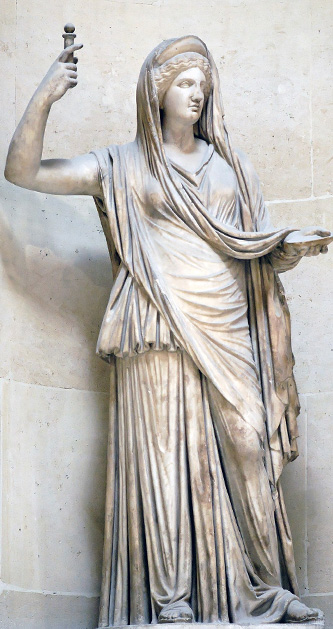
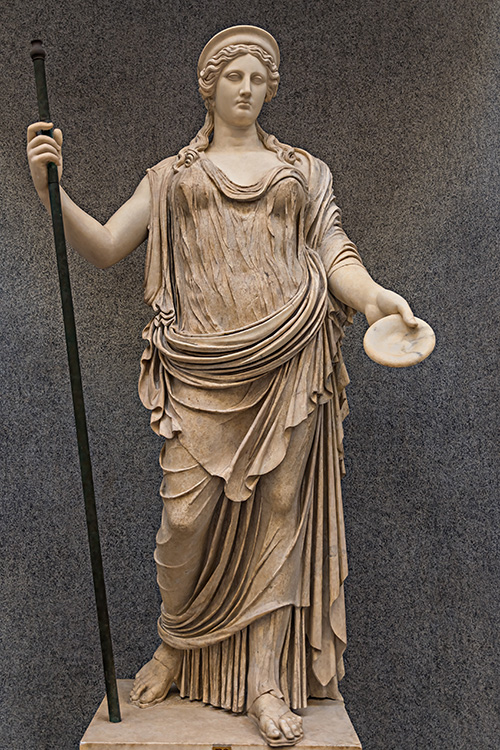
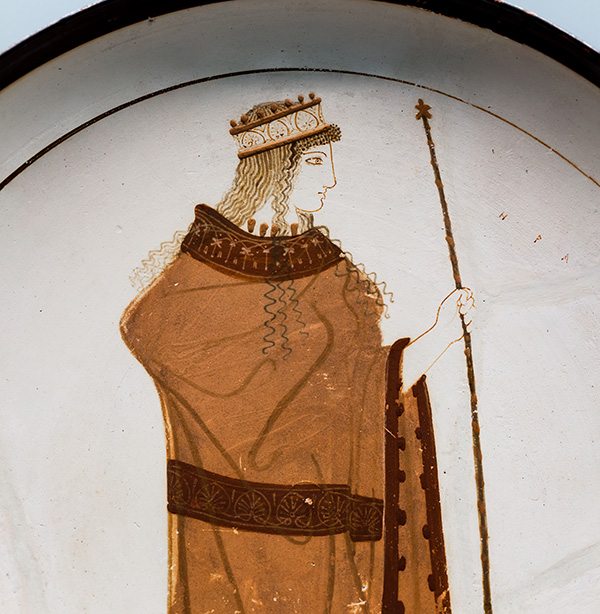
Hera is often represented in a sterner way than her life-giving counterpart, Demeter. It is very difficult to distinguish the two goddesses in art; in general Hera is often represented with a slimmer face and a gaze of equilibrium. She is often represented veiled or in diadem, typically with a staff.
Pomegranates are the most vital symbol of Hera. Pausanias cryptically says they represent a mystery, and indeed they tie Hera to the infernal Persephone. The two goddesses sometimes appear to alternate in death symbolism. The many seeds inside the fruit represented high fertility, a major blessing requested from Hera as the queen of heaven and protector of family.
XIII. Statuary and Symbolism
Hera is often represented in a sterner way than her life-giving counterpart, Demeter. It is very difficult to distinguish the two goddesses in art; in general Hera is often represented with a slimmer face and a gaze of equilibrium. She is often represented veiled or in diadem, typically with a staff.
Pomegranates are the most vital symbol of Hera. Pausanias cryptically says they represent a mystery, and indeed they tie Hera to the infernal Persephone. The two goddesses sometimes appear to alternate in death symbolism. The many seeds inside the fruit represented high fertility, a major blessing requested from Hera as the queen of heaven and protector of family.
XIV. Sacred Priesthoods
Few Greek priesthoods carried the public weight of the one of Hera. At Argos, the woman who served the goddess gave her name to the year. Greeks outside the Argolid even reckoned time itself by her tenure. Thucydides opens his narrative of the war by dating it to the forty-eighth year of Chrysis at Argos, setting her beside the ephor at Sparta and the archon at Athens.59
Hellanicus of Lesbos had already compiled the succession into a chronicle in three books, the Hiereiai tēs Hēras, drawing on annals kept at the sanctuary and running the list back into a legendary past. The work survives in fragments. What survives entirely is the principle behind that: time itself was measured by a single woman's service to Hera.60
The Argive sanctuary was not staffed by women alone either. When Cleomenes of Sparta came to sacrifice at the Heraion after the slaughter at Sepeia, Herodotus insisted, it was a male hieros who forbade him the altar on the ground that no foreigner might sacrifice there.6
At Olympia, the Hera cult was administered by a body rather than an individual. Pausanias saw that every fourth year sixteen women wove a robe for the goddess. The same sixteen conducted the games called Heraia, footraces for unmarried girls in three age classes.19
It appears the insignia of the office was the temple key. Aeschylus gave the earliest attestation in this connection, when the Danaids establish their Argive descent by asking whether it is known that Io once held the keys of Hera's house at Argos.61
Sources and Bibliography
- Duev, Ratko. “Di-wi-ja and E-ra in the Linear B Texts.” In Études mycéniennes 2010: Actes du XIIIe colloque international sur les textes égéens, Sèvres, Paris, Nanterre, 20–23 septembre 2010, edited by Pierre Carlier, Charles de Lamberterie, Markus Egetmeyer, Nicole Guilleux, Françoise Rougemont, and Julien Zurbach, 195–205. Biblioteca di Pasiphae 10. Pisa and Rome: Fabrizio Serra Editore, 2012. Sections cited: PY Tn 316; Hera/e-ra in the sanctuary of Zeus; Hera as recipient of offerings in the Late Bronze Age Aegean.
- Raymoure, K. A. “The Linear B Word e-ra.” Palaeolexicon: Word Study Tool of Ancient Languages. Section cited: Linear B signs 𐀁𐀨 / e-ra, glossed as “goddess name (hera).”
- Pirenne-Delforge, Vinciane, and Gabriella Pironti. The Hera of Zeus: Intimate Enemy, Ultimate Spouse. Translated by Andrew Brown. Cambridge: Cambridge University Press, 2022. Section cited: introduction, on scholarly models of Hera as Aegean land-goddess, Mycenaean palace goddess, and spouse of Zeus.
- Burkert, Walter. Greek Religion: Archaic and Classical. Translated by John Raffan. Cambridge, MA: Harvard University Press, 1985. Sections cited: Hera’s ancient cult centres, especially Argos/Argolis and Samos, and archaic Greek Hera worship.
- Burkert, Walter. Homo Necans: The Anthropology of Ancient Greek Sacrificial Ritual and Myth. Translated by Peter Bing. Berkeley: University of California Press, 1983. Sections cited: Cretan/Knossian traditions of Zeus and Hera’s sacred marriage and archaic ritual continuity.
- Herodotus. Histories 2.50; ed. C. Hude, Oxford Classical Texts, 3rd ed., 1927; trans. A.D. Godley, Loeb Classical Library, 1920 Section cited: 2.50, on Hera as one of the divine names Herodotus excludes from Egyptian derivation.
- Chadwick, John. The Mycenaean World. Cambridge: Cambridge University Press, 1976. Section cited: discussion of Hera’s name and possible connection with ἥρως.
- Plato. Cratylus. In Plato: Cratylus, Parmenides, Greater Hippias, Lesser Hippias. Translated by Harold North Fowler. Loeb Classical Library 167. Cambridge, MA: Harvard University Press, 1926. Section cited: 404c, on Hera and ἐρατή.
- Plutarch. Moralia. Vol. 5, Isis and Osiris. Translated by Frank Cole Babbitt. Loeb Classical Library 306. Cambridge, MA: Harvard University Press, 1936. Section cited: On Isis and Osiris 32 / 363D–E, on Hera and ἀήρ.
- Beekes, Robert S. P. Etymological Dictionary of Greek. 2 vols. Leiden: Brill, 2010. Section cited: s.v. Ἥρα, on the uncertainty of the name’s etymology and the rejection of ancient folk-etymologies.
- Homer. The Iliad. Trans. Murray, A.T. & Wyatt, William F. Cambridge, MA, Harvard University Press, 1999. For archeological find proving ΗΡΗ in 6th century contexts, look at Kyrieleis, Helmut. “The Heraion at Samos.” In Greek Sanctuaries: New Approaches, edited by Nanno Marinatos and Robin Hägg, 125–153. London: Routledge, 1993.
- Greek Lyric I: Sappho and Alcaeus. Edited and translated by David A. Campbell. Loeb Classical Library 142. Cambridge, MA: Harvard University Press, 1982. Fragment 17. For archeological find of ΗΡA from similar time span to Sappho, look at J. Paul Getty Museum. Ring with Greek Inscription to Hera. Greek, Argolid, about 575 BCE. Object 103VQA. Los Angeles: J. Paul Getty Museum.
- Eutychius Proclus. “Chrestomathy.” In Greek Epic Fragments: From the Seventh to the Fifth Centuries BC, edited and translated by Martin L. West, 72–105. Loeb Classical Library 497. Cambridge, MA: Harvard University Press, 2003. Section cited: summary of the Cypria, on the Judgement of Paris and Aphrodite’s promise of Helen.
- Apollodorus. The Library. Vol. 2. Translated by James George Frazer. Loeb Classical Library 122. Cambridge, MA: Harvard University Press, 1921. Section cited: Epitome 3.2, on Hera, Athena, and Aphrodite offering gifts to Paris and Aphrodite promising Helen.
- Hyginus. Fabulae. In Hyginus: Fabulae, translated by Mary Grant. Lawrence: University of Kansas Press, 1960. Section cited: 92, “Judgement of Paris,” on Juno/Hera, Minerva/Athena, and Venus/Aphrodite offering power, victory, and Helen.
- Homeric Hymn 12, “To Hera.” In Homeric Hymns, Homeric Apocrypha, Lives of Homer, edited and translated by Martin L. West, 92–93. Loeb Classical Library 496. Cambridge, MA: Harvard University Press, 2003.
- Hesiod. Theogony. [921-923]. Trans. Hugh G. Evelyn-White (adapted). Loeb Classical Library, 1914.
- Orphic Hymn 401a, “To Hera.” In The Orphic Hymns, translated, 2026
- Pausanias. Description of Greece. Translated by W. H. S. Jones and H. A. Ormerod. Loeb Classical Library 188, 272, 297, 355. Cambridge, MA: Harvard University Press, 1918–1935, 2.24.1 (Akraia), 3.13.8–9 (Hypercheiria), 3.15.9 (Aigophagos), 8.22.2 (Teleia), 9.3.1–2 (Nympheuomenê).
- Hesychius Alexandrinus. Lexicon. Edited by M. Schmidt. Jena: Hermann Dufft, 1858–1868, s.vv. “Γαμήλια,” (Gamelia) “Ζυγία.”(Zugia)
- Orphic Hymns. Edited and translated by Apostolos N. Athanassakis and Benjamin M. Wolkow. Baltimore: Johns Hopkins University Press, 2013, Hymn 16 (To Hera) 1–4, 7.
- Tzetzes, John. Ad Lycophronem (scholia on Lycophron’s Alexandra), on line 1328 '“ἀλλὰ καὶ ‘Δειὰς’ ἐπίθετον τῆς Ἥρας· ἐπολέμει γὰρ τῷ Ἡρακλεῖ.”, in Eduard Scheer, ed., Lycophronis Alexandra, vol. 2, Scholia (Berlin: Weidmann, 1881).
- Strabo. Geography, 8.6.10. Translated by Horace Leonard Jones. Loeb Classical Library 196. Cambridge, MA: Harvard University Press, 1927.
- Farnell, Lewis Richard. The Cults of the Greek States. Vol. 1. Oxford: Clarendon Press, 1896.
- Pomeroy, Sarah B. Spartan Women. Oxford: Oxford University Press, 2002.
- Seindal, René. “Temple of Hera II.” Photo Archive. Sections cited: Hera II at Paestum, dimensions around 60 × 25 m, preservation, and architectural description.
- University of Notre Dame, Hesburgh Libraries. “Paestum: Overall View, the First Temple of Hera.” Marble: Architecture PowerPoint Image Database. Sections cited: first Temple of Hera / Basilica at Paestum.
- Parchi Archeologici di Paestum e Velia. “Archaeological Area of Paestum.” Italian Ministry of Culture. Sections cited: Paestum temples and archaeological area.
- University of Notre Dame, Hesburgh Libraries. “Paestum: Detail, Two-Storey Internal Colonnades, Second Temple of Hera.” Marble: Architecture PowerPoint Image Database. Sections cited: internal colonnades and architectural detail of the second Temple of Hera.
- Seindal, René. “Temple of Hera I.” Photo Archive. Sections cited: first Temple of Hera / Basilica at Paestum and its dimensions.
- Payne, Humfry, Thomas J. Dunbabin, and Alan J. B. Wace. Perachora: The Sanctuaries of Hera Akraia and Limenia; Excavations of the British School of Archaeology at Athens, 1930–1933. Vol. 1, Architecture, Bronzes, Terracottas. Oxford: Clarendon Press, 1940.
- Heglar, Mackenzie. The Votive Deposits from the Hera Sanctuary at Perachora. PhD diss., Bryn Mawr College, 2022
- Dunbabin, Thomas J., ed. Perachora: The Sanctuaries of Hera Akraia and Limenia; Excavations of the British School of Archaeology at Athens, 1930–1933. Vol. 2, Pottery, Ivories, Scarabs, and Other Objects from the Votive Deposit of Hera Limenia. Oxford: Clarendon Press, 1962.
- Salmon, John B. “Heraeum Akraia and Heraeum Limenia.” Annual of the British School at Athens 67 (1972): 159–204.
- Euripides. Medea. In Cyclops; Alcestis; Medea, edited and translated by David Kovacs. Loeb Classical Library 12. Cambridge, MA: Harvard University Press, 1994.
- Kyrieleis, Helmut. “The Heraion at Samos.” In Greek Sanctuaries: New Approaches, edited by Nanno Marinatos and Robin Hägg, 125–53. London: Routledge, 1993.
- Athenaeus. The Learned Banqueters, 15.672a–673b. (Tonaia) Edited and translated by S. Douglas Olson. Loeb Classical Library 519. Cambridge, MA: Harvard University Press, 2012.
- Herodotus. Histories, 1.31. (Argive) Translated by A. D. Godley. Loeb Classical Library 117. Cambridge, MA: Harvard University Press, 1920.
- Emerson, Mary. Greek Sanctuaries and Temple Architecture: An Introduction. 2nd ed. London: Bloomsbury Publishing, 2018.
- Lawrence, A. W. Greek Architecture. 5th ed. Revised by R. A. Tomlinson. New Haven: Yale University Press, 1996.
- The Olympic Flame and the Torch Relay
- Klein, Nancy L. “Excavation of the Greek Temples at Mycenae by the British School at Athens.” Annual of the British School at Athens 92 (1997): 247–322. Sections cited: Greek temples on the summit of the citadel at Mycenae and the problem of identifying the cult.
- Aversa, Gregorio. “The Cult of Poseidoniate Hera and the Lucanians in Poseidonia/Paestum.” Arctos 55 (2021): 9–42. Sections cited: Hera’s cult among the Achaean colonies of Magna Graecia and the Poseidoniate Hera cult.
- Paton, James Morton. “Archaeological News: Pergamon.” American Journal of Archaeology 11, no. 2 (1907): 208–9. Section cited: discovery of the architrave inscription of the temple of Hera Basileia dedicated by Attalus II. See also Altertümer von Pergamon, vol. 6, sections cited: sanctuary of Hera Basileia north of the upper terrace of the gymnasium; south-facing temple on the upper terrace; architrave inscription identifying the building as the temple of Hera Basileia.
- Oakley, John H., and Rebecca H. Sinos. The Wedding in Ancient Athens. Madison: University of Wisconsin Press, 1993. Sections cited: wedding sacrifices and bridal dedications to marriage deities, including Hera.
- Plutarch. Moralia. Vol. 2, De capienda ex inimicis utilitate; De amicorum multitudine; De fortuna; De virtute et vitio; Consolatio ad Apollonium; De tuenda sanitate praecepta; Coniugalia praecepta; Septem sapientium convivium. Translated by Frank Cole Babbitt. Loeb Classical Library 222. Cambridge, MA: Harvard University Press, 1928.
- Scholia Graeca in Homeri Iliadem. In The Ancient Scholia to Homer’s Iliad, edited and translated by Bill Beck. Cambridge: Cambridge University Press, 2025. Section cited: allegorical scholion identifying Hera with air in the physical interpretation of the gods.
- Cornutus, Lucius Annaeus. Greek Theology. Translated by George Boys-Stones. Atlanta: Society of Biblical Literature, 2018. Section cited: 3, on Hera as air joined to Zeus and on fire and air arising from the same movement toward fineness.
- Eratosthenes. Constellation Myths: With Aratus’s Phaenomena. Translated by Robin Hard. Oxford: Oxford University Press, 2015. Section cited: Catasterisms 44
- Payne, Robert B. The Cuckoos. Bird Families of the World. Oxford: Oxford University Press, 2005.
- Ovid. Metamorphoses. Vol. 1, Books 1–8. Translated by Frank Justus Miller. Revised by G. P. Goold. Loeb Classical Library 42. Cambridge, MA: Harvard University Press, 1977.
- G. Edmonds III, Radcliffe. “Tradition and Innovation in Olympiodorus’ ‘Orphic’ Interpretation of the Myth of Dionysus,” American Journal of Philology 130, no. 4 (2009): esp. discussion of Hera as “patron deity of motion and procession.”
- Ackerman, Susan. “Women and the Worship of Yahweh in Ancient Israel,” in Confronting the Past: Archaeological and Historical Essays on Ancient Israel in Honor of William G. Dever, ed. Seymour Gitin, J. Edward Wright, and J. P. Dessel (University Park, PA: Penn State University Press, 2006),
- Lactantius. Divine Institutes. Translated by Anthony Bowen and Peter Garnsey. Translated Texts for Historians 40. Liverpool: Liverpool University Press, 2003. 1.11, 1.17, 1.20.
- Firmicus Maternus. The Error of the Pagan Religions. Translated by Clarence A. Forbes. Ancient Christian Writers 37. New York: Newman Press, 1970. Chapter 6.
- Numbers 31:7–18, 31:32–35.
- Athenaeus. The Learned Banqueters, 15.672a–673b. (Tonaia) Edited and translated by S. Douglas Olson. Loeb Classical Library 519. Cambridge, MA: Harvard University Press, 2012. Section cited: Menodotos of Samos on the Samian Hera image.
- “Calendar of Erchia,” SEG 21.541, col. B, lines for 27 Gamelion. In Collection of Greek Ritual Norms 32, edited by Jan-Mathieu Carbon, Saskia Peels, and Vinciane Pirenne-Delforge. Liège: Kernos, 2016–. Section cited: 27 Gamelion, commentary identifying the date with the Hieros Gamos/Theogamia.
- Thucydides. History of the Peloponnesian War. Translated by Charles Forster Smith. 4 vols. Loeb Classical Library. Cambridge, MA: Harvard University Press, 1919–1923.
- Jacoby, Felix, ed. Die Fragmente der griechischen Historiker. Berlin: Weidmann; Leiden: Brill, 1923–1958.
- Aeschylus. Suppliant Maidens. In Aeschylus, translated by Herbert Weir Smyth, vol. 1. Loeb Classical Library. Cambridge, MA: Harvard University Press, 1922.