








2 min read
Chin Mudra
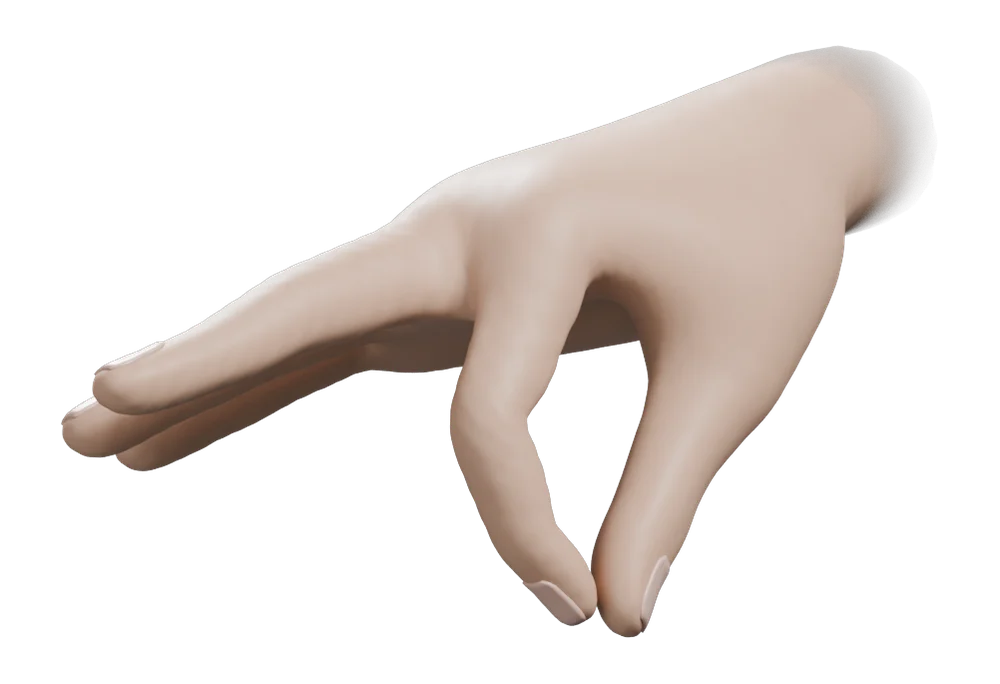
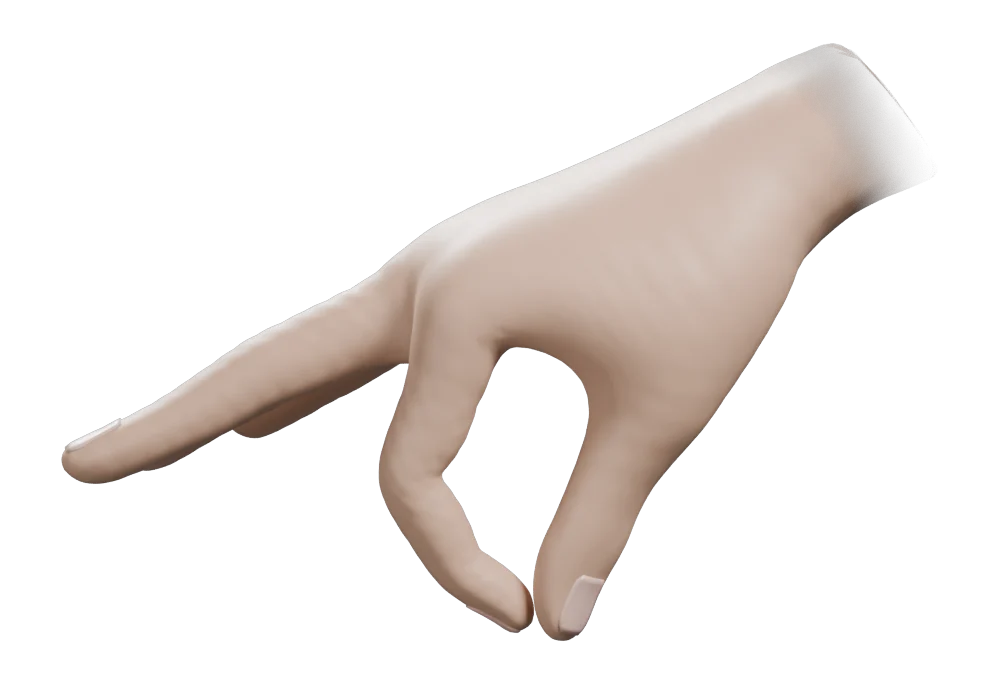
The same circle as Jnana Mudra turned toward the Earth. Consciousness is sealed and brought down into the body and the ground.
- Meaning
- Seal of Consciousness
- Tradition
- Hatha Yoga; the teaching gesture of Shiva Dakshinamurti in Hindu iconography
- Hands
- Both hands, same form
- Placement
- Seated meditation, hands over the knees, palms facing down.
- Associations
- Same as Jnana Mudra: metal element; thumb fire, index air.
- Level
- Advanced
Formation
- Join the tip of the thumb and the tip of the index finger.
- Keep the middle, ring and little fingers extended.
- Turn the hand so the palm faces down and the extended fingers point toward the Earth, resting the hand over the knee.
- Form the same seal with the other hand.
Example Meditation
Sit upright with the hands over the knees, palms down, in the seal. Breathe evenly and draw the attention down through the body into the ground beneath you. The downturned circle brings the mind out of agitation and into the body, a quiet base for any meditation that follows.
Effects
PhysicalΣῶμα
- Same indications as Jnana. For physical complaints it makes no difference which of the two forms is used: sleep, blood pressure and nervous tension are addressed alike.
EmotionalΘυμός
- Settling. The downward orientation steadies the practitioner and quiets restless feeling.
IntellectualΝοῦς
- Clarity. The seal keeps the attention gathered and the thoughts in order, as Jnana Mudra does.
SoulΨυχή
- Consciousness (cit). Cit is pure awareness. The seal of the teaching Shiva, Dakshinamurti, expresses the transmission of that awareness to the disciple.
AscentἈνάβασις
- The grounded ascent. In Zevist practice the ascent rises from a stable base. Chin Mudra anchors the circle of gnosis in the body before it is lifted toward the Gods.
Finger Key
| Finger | Element | Right hand |
|---|---|---|
| Thumb | Fire | joins the index finger |
| Index | Air | joins the thumb |
| Middle | Aether | extended |
| Ring | Earth | extended |
| Little | Water | extended |
Cautions and Variants
Variants. In the Bihar School tradition the palm-up form is called Chin Mudra and the palm-down form Jnana Mudra; this collection follows the reverse naming.
Gertrud Hirschi, Mudras: Yoga in Your Hands
The standard practical manual of the hand seals, with their indications and meditations. The Temple of Zeus recommends it as a purchase for every Zevist library, personal or communal.