











2 min read
Avahani Mudra
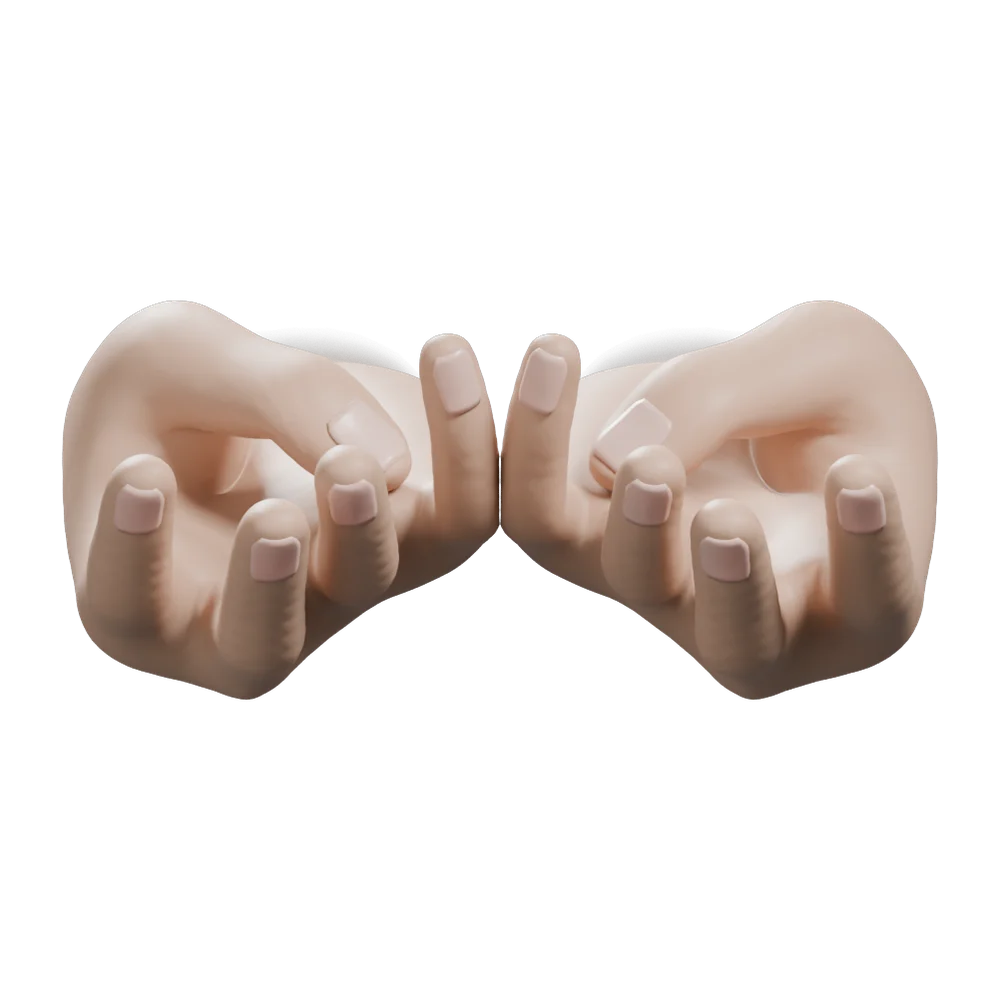
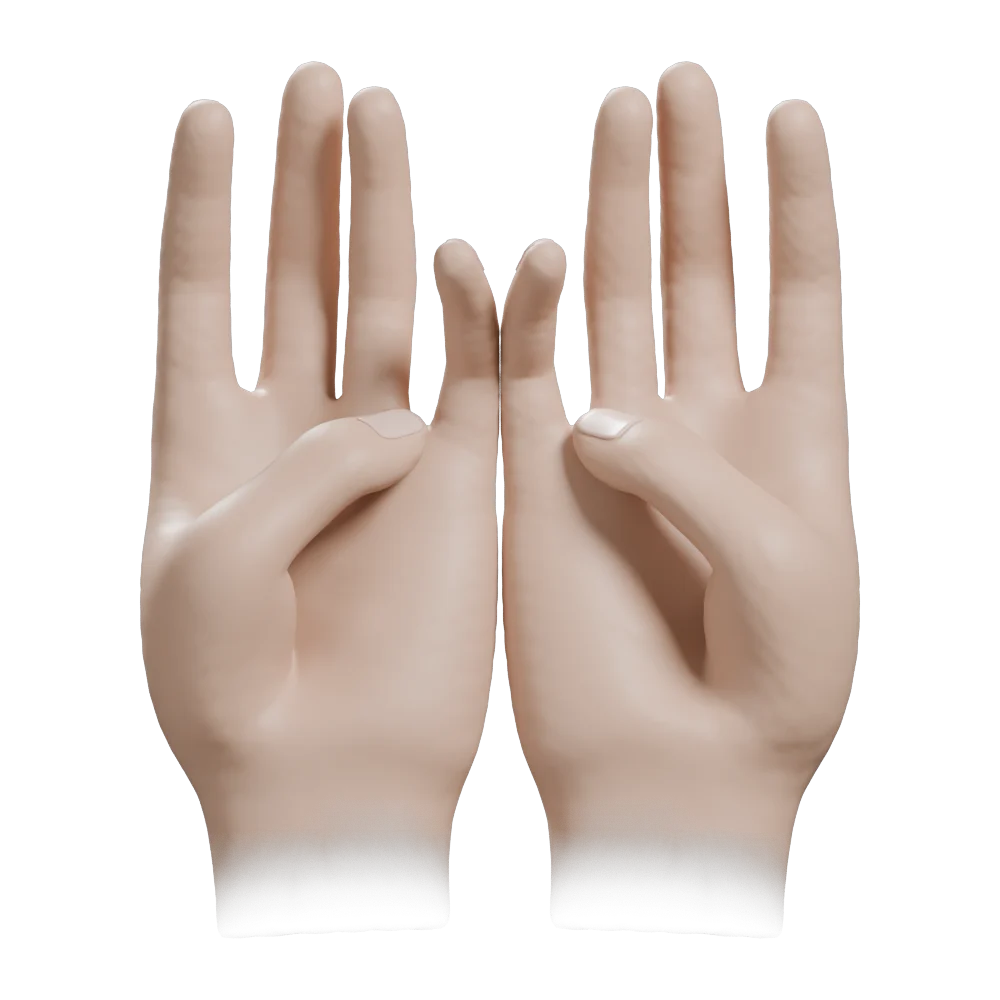
The opening seal of worship. The joined, cupped palms invite the deity into the presence of the worshipper.
- Meaning
- Seal of Invocation
- Tradition
- Hindu and Tantric puja; first of the invocation seals listed after the Sharadatilaka
- Hands
- Both hands, joined
- Placement
- In front of the chest, at the opening of worship.
- Associations
- Heart; the joined vessel of both hands.
- Level
- Advanced
Formation
- Bring both hands together, palms open and facing upward, the outer edges of the little fingers touching.
- Cup the hands so they form a single vessel.
- Turn each thumb inward so its tip rests at the root of the ring finger of the same hand.
- Raise the joined hands to the height of the chest, or slightly above.
Example Meditation
At the opening of a rite, raise the joined, cupped hands before the chest. With a calm breath, form the intention and invite the Presence of the God to whom the rite is offered. The vessel of the hands is an act of welcome: it opens the practitioner and fixes the invitation.
Effects
PhysicalΣῶμα
- Opened posture. The upturned palms and lifted forearms open the chest and set the body in a receptive attitude.
EmotionalΘυμός
- Expectant devotion. The seal gathers longing and reverence into one act of welcome.
IntellectualΝοῦς
- Single intention. Joined to the spoken invocation, it binds word, thought and gesture into one intention.
SoulΨυχή
- Invitation of the Presence. Its function in puja is to invite the deity into the worshipper's presence; it opens prana-pratishtha, the enlivening of the sacred image.
AscentἈνάβασις
- The theurgic κλῆσις. Iamblichus teaches that theurgic invocation does not compel the Gods downward; it raises the human toward them (De Mysteriis, Book I). This seal is the opening act of that ascent.
Finger Key
| Finger | Element | Right hand | Left hand |
|---|---|---|---|
| Thumb | Fire | rests on the root of the ring finger | rests on the root of the ring finger |
| Index | Air | cupped | cupped |
| Middle | Aether | cupped | cupped |
| Ring | Earth | cupped | cupped |
| Little | Water | cupped; its outer edge against the left little finger | cupped; its outer edge against the right little finger |
Cautions and Variants
Variants. Monier-Williams: palms placed together and the thumbs turned toward the root of the ring finger. One modern author places the thumbs at the root of the little fingers; the ring-finger form is followed here as the better attested.
Gertrud Hirschi, Mudras: Yoga in Your Hands
The standard practical manual of the hand seals, with their indications and meditations. The Temple of Zeus recommends it as a purchase for every Zevist library, personal or communal.