










2 min read
Order II · Seals of Theurgy and Invocation
Sthapani Mudra
स्थापनी मुद्रा · sthāpanī mudrā · Σφραγὶς τῆς Ἱδρύσεως
Also: Sthapana Mudra
14
The invoking vessel turned face down. The Presence that was invited is now set in place.
- Meaning
- Seal of Installation
- Tradition
- Hindu and Tantric puja; second of the invocation seals
- Hands
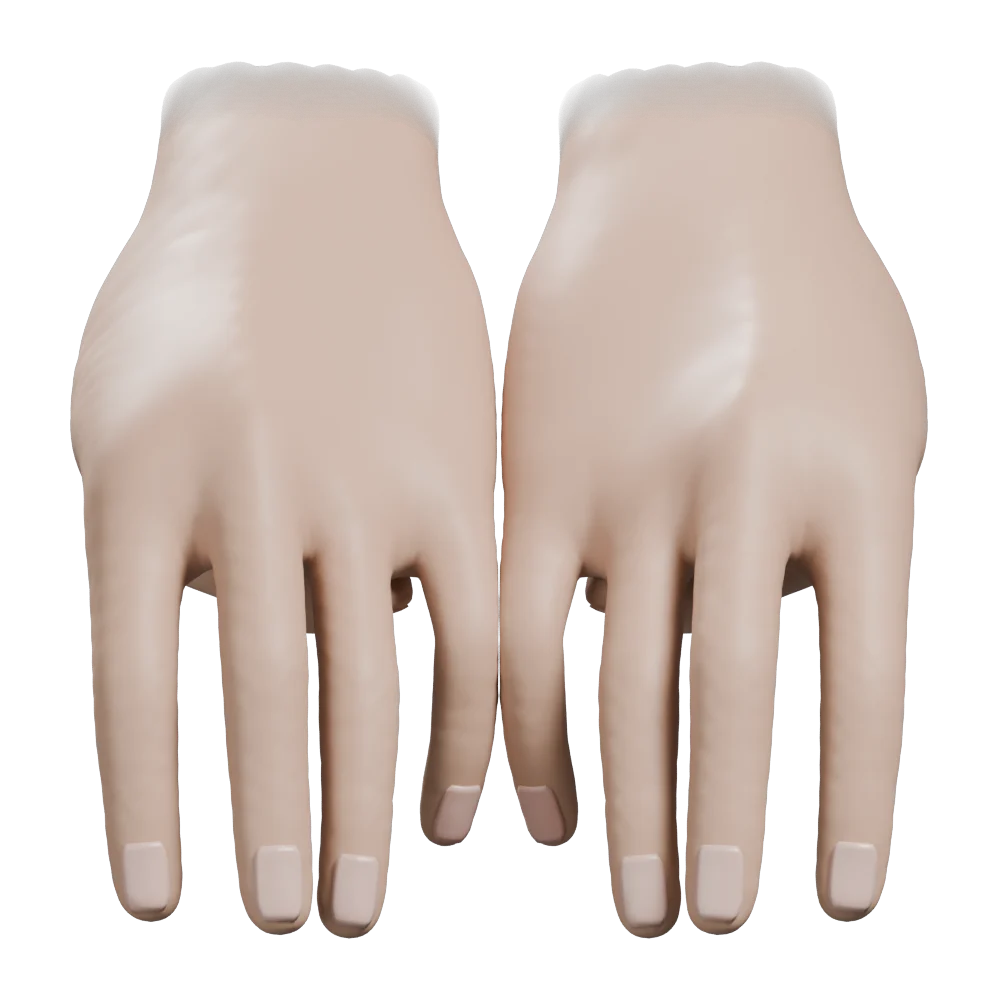
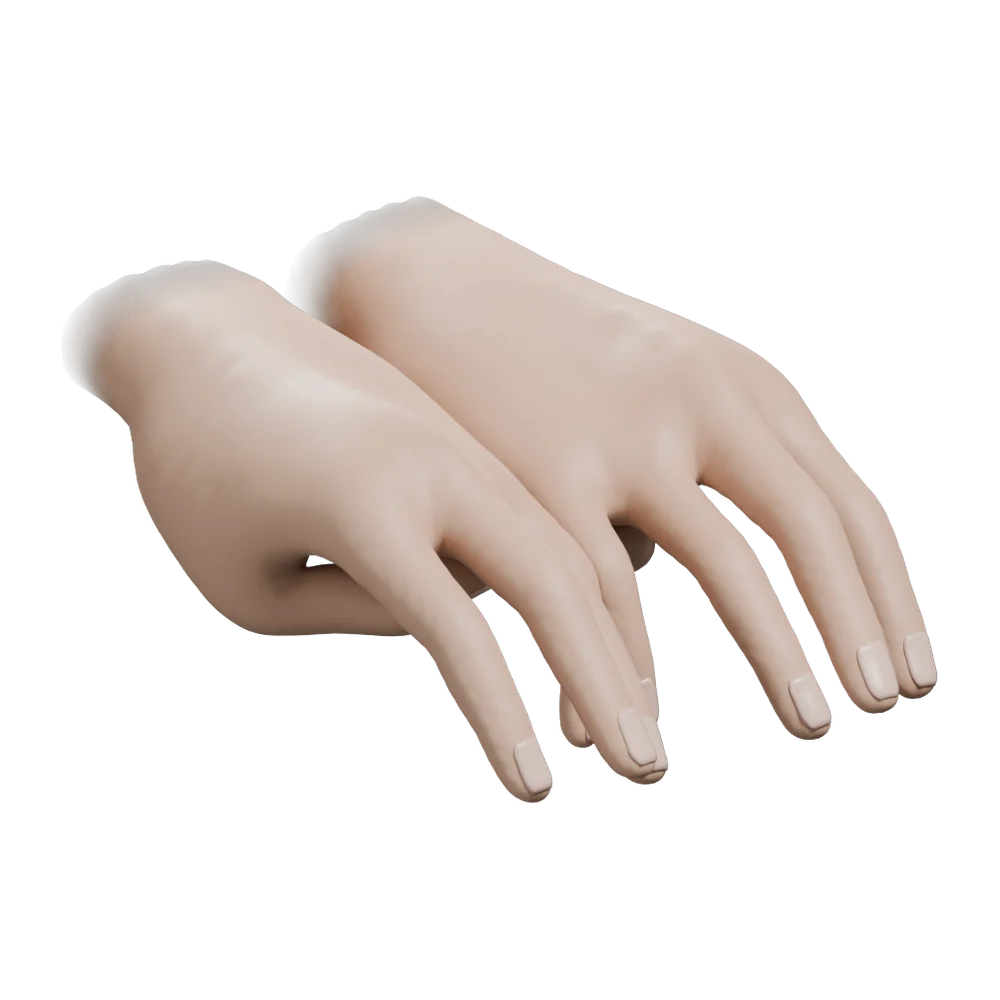
- Both hands, joined
- Placement
- Directed downward toward the image, the altar or the heart.
- Associations
- The altar, the image or the heart.
- Level
- Advanced
Formation
- Form Avahani Mudra: palms joined and cupped, little-finger edges touching, thumbs at the roots of the ring fingers.
- Keep the thumbs in that position.
- Turn the joined hands over so the palms face the ground.
- Lower the hands and open the palms downward.
Example Meditation
After the invitation, turn the joined hands over and lower them toward the altar, the image or the heart. Breathe out slowly and hold the intention that the Presence is now established. The seal settles and fixes what was invited and gives assurance to the rite.
Effects
PhysicalΣῶμα
- Settling. The downward turn of the joined hands lowers the shoulders and closes the movement begun in invocation.
EmotionalΘυμός
- Assurance. What was asked for is received and held; the seal answers longing with stillness.
IntellectualΝοῦς
- Fixing the intention. The mind fixes the presence of the deity in one chosen place.
SoulΨυχή
- The Presence placed. In puja it installs the deity's presence; Shree Maa describes it as placing that presence into the heart.
AscentἈνάβασις
- Ἵδρυσις. The Hellenic founding of a cult image was its ἵδρυσις, its establishment in a seat. The same act is performed here with the hands.
Finger Key
| Finger | Element | Right hand | Left hand |
|---|---|---|---|
| Thumb | Fire | rests on the root of the ring finger | rests on the root of the ring finger |
| Index | Air | cupped, turned down | cupped, turned down |
| Middle | Aether | cupped, turned down | cupped, turned down |
| Ring | Earth | cupped, turned down | cupped, turned down |
| Little | Water | cupped; its outer edge against the left little finger | cupped; its outer edge against the right little finger |
Cautions and Variants
Variants. The posture follows Avahani with the palms reversed (nathas.org; Om Swami).
Recommended for Every Zevist Library
Gertrud Hirschi, Mudras: Yoga in Your Hands
The standard practical manual of the hand seals, with their indications and meditations. The Temple of Zeus recommends it as a purchase for every Zevist library, personal or communal.