




4 min read
Ζ World Improvement
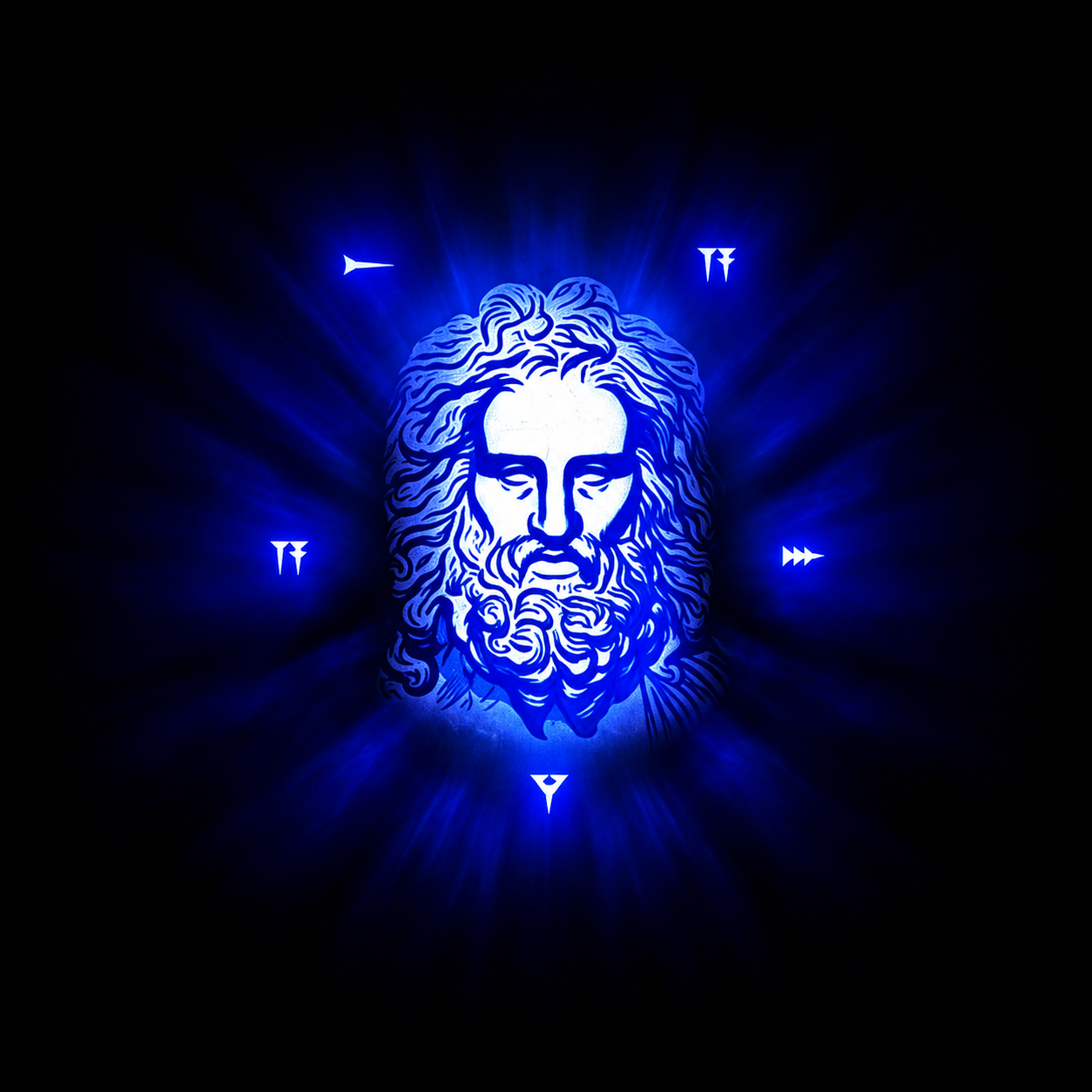
Apollo commands: “You shall improve the world.”
With a strong foundation of self-improvement, self-development, and self-healing, we can expand outward; we must strive to improve the world around us.
What is the world? It is anything outside of the self: another person, a family, animals, civilization, a community, etc.
That is not an easy task. We must improve the world in accordance with how it can accept this help.
That is not a task of egoic arrogance; it can only be the consequence of very high levels of spiritual understanding and the development of the true self in accordance with good intent.
The measure of what we can do is less important than whether we will act toward this end. Those who strive to help and improve the world must do so properly, with the world itself as the primary focus.
For the goal is not to lose oneself in the process of improving the world, but to also improve oneself and others as part of this greater and eternal world.
Therefore, Apollo has appointed 3 Judges, and these are their questions:
- “What have you done to improve yourself, as a self?”
- “What have you done to improve the people you are in relationship with, such as your significant other?”
- “What have you done to improve your family: that from which you came, or the one you will create as your immediate continuation?”
- “What have you done to improve your social circle and friends?”
- “What have you done to improve the people of your Nation, or those of your Race?”
- “What have you done to improve humanity as a whole?”
- “What have you done to improve your home, Mother Earth, and her natural creatures?”
- “What have you done to become your highest self, who waits for you to become it?”
Finally, the three Judges ask in unison:
- “What have you done to comprehend the absolute, the all in all?”
Apollo continues: “When you answer all these questions positively, you will know that you are improving the world.”
Therefore, Apollo concludes: “It is only by improving the world that you will improve yourself. It is only by improving yourself that you will improve the world, for infinity can only flow back into infinity.”
Ζ Prayer:
"Apollon,
You who teach the 9 Worlds of Power,
Bless me to become the best version of all these worlds,
In this world and all the Worlds!
O Great Light of All the Worlds, guide me!"
Ancient Greek Code Prayer Ἡ Βελτίωσις τοῦ Κόσμου
Ὦ Ἄπολλον,
ὁ τοὺς ἐννέα κόσμους δυνάμεως διδάσκων,
εὐλόγησόν με τὸ βέλτιστον τούτων γενέσθαι,
ἐν τῷδε καὶ ἐν πᾶσι τοῖς κόσμοις·
ὦ μέγα φῶς πάντων τῶν κόσμων, ὁδήγησόν με.
Transliteration
Ō Apollon,
ho tous ennea kosmous dynameōs didaskōn,
eulogēson me to beltiston toutōn genesthai,
en tōide kai en pasi tois kosmois;
ō mega phōs pantōn tōn kosmōn, hodēgēson me.
Meaning
The prayer asks Apollo, teacher of the nine worlds, to guide improvement in this world and beyond.
The Ethic in Ancient Greek
Ὁ Ἀπόλλων κελεύει· «Τὸν κόσμον βελτίου».
Ἐκ βεβαίας αὐτοβελτιώσεως, αὐτοπαιδείας καὶ ἰάσεως ἑαυτοῦ πρὸς τὰ ἔξω προχωροῦμεν, τὸν περὶ ἡμᾶς κόσμον βελτιοῦντες.
Κόσμος ἐστὶ πᾶν τὸ ἔξω ἑαυτοῦ· ἄλλος ἄνθρωπος, οἶκος, ζῷα, πολιτισμός, κοινότης.
Ἔργον οὐ ῥᾴδιον· βοηθητέον δὲ τῷ κόσμῳ καθ᾽ ὅσον τὴν βοήθειαν δέχεσθαι δύναται.
Οὐχ ὑπερηφανίας ἔργον ἀλλὰ μεγάλης πνευματικῆς συνέσεως καὶ ἀγαθῆς προαιρέσεως καρπός ἐστιν.
Οὐ τὸ μέγεθος τῆς δυνάμεως ἀλλὰ ἡ ὀρθὴ πρᾶξις κρίνεται· αὐτὸν τὸν κόσμον σκοπὸν ποιητέον.
Οὐκ ἀπολέσαι ἑαυτὸν βελτιοῦντα τὸν κόσμον, ἀλλ᾽ ἅμα ἑαυτὸν καὶ ἄλλους ἐν αὐτῷ αὐξῆσαι δεῖ.
Τρεῖς κριτὰς ὁ Ἀπόλλων καθίστησιν, οἳ ἐρωτῶσιν· τί ἔπραξας ἵνα ἑαυτὸν βελτιώσῃ; τί ἵνα τοὺς ἐγγὺς ἀνθρώπους, τὸν σύντροφον καὶ τὴν οἰκογένειαν, τοὺς φίλους καὶ τὸν κοινωνικὸν κύκλον βελτιώσῃ;
Τί ἔπραξας ὑπὲρ τῶν τοῦ ἔθνους ἀνθρώπων καὶ τῆς ἀνθρωπότητος, ὑπὲρ τῆς μητρὸς Γῆς καὶ τῶν πλασμάτων αὐτῆς; τί ἵνα τὸν ὕψιστον ἑαυτὸν γένῃ;
Τέλος ὁμοῦ ἐρωτῶσιν· τί ἔπραξας ἵνα τὸ Ἀπόλυτον, τὸ πᾶν ἐν παντί, νοήσῃ;
«Ὅταν πάντα ταῦτα καλῶς ἀποκρίνῃ, γνώσῃ ὅτι τὸν κόσμον βελτιοῖς», φησὶν ὁ Ἀπόλλων.
«Βελτιῶν τὸν κόσμον ἑαυτὸν βελτιοῖς· βελτιῶν ἑαυτὸν τὸν κόσμον βελτιοῖς· τὸ γὰρ ἄπειρον εἰς τὸ ἄπειρον ἐπανέρχεται».
Hē Beltiōsis tou Kosmou · Transliteration
Ho Apollōn keleuei; «Ton kosmon beltiou».
Ek bebaias autobeltiōseōs, autopaideias kai iaseōs heautou pros ta exō prokhōroumen, ton peri hēmas kosmon beltiountes.
Kosmos esti pan to exō heautou; allos anthrōpos, oikos, zōia, politismos, koinotēs.
Ergon ou rhaidion; boēthēteon de tōi kosmōi kath᾽ hoson tēn boētheian dekhesthai dynatai.
Oukh hyperēphanias ergon alla megalēs pneumatikēs syneseōs kai agathēs proaireseōs karpos estin.
Ou to megethos tēs dynameōs alla hē orthē praxis krinetai; auton ton kosmon skopon poiēteon.
Ouk apolesai heauton beltiounta ton kosmon, all᾽ hama heauton kai allous en autōi auxēsai dei.
Treis kritas ho Apollōn kathistēsin, hoi erōtōsin; ti epraxas hina heauton beltiōsēi; ti hina tous engys anthrōpous, ton syntrophon kai tēn oikogeneian, tous philous kai ton koinōnikon kyklon beltiōsēi;
Ti epraxas hyper tōn tou ethnous anthrōpōn kai tēs anthrōpotētos, hyper tēs mētros Gēs kai tōn plasmatōn autēs; ti hina ton hypsiston heauton genēi;
Telos homou erōtōsin; ti epraxas hina to Apolyton, to pan en panti, noēsēi;
«Hotan panta tauta kalōs apokrinēi, gnōsēi hoti ton kosmon beltiois», phēsin ho Apollōn.
«Beltiōn ton kosmon heauton beltiois; beltiōn heauton ton kosmon beltiois; to gar apeiron eis to apeiron epanerkhetai».
Page & Holy Texts: High Priest Zevios Metathronos